




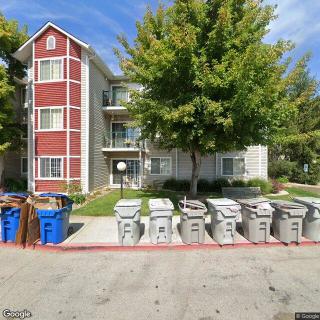
3350 Collister Dr Bldg 1, Boise, ID 83703
To contact a resident: (208) 343-9504
For more information about senior living options: (866) 208-4318
Overall Review of Samaritan Village Apartments
Cons
 The new management is terrible.
- This place has gone downhill.
- The manager forgets that customers are people.
Review
Samaritan Village Apartments in Boise is best suited for seniors who want straightforward, independent apartment living and can tolerate potential fluctuations in on-site leadership. That means residents who value privacy, personal space, and autonomy more than daily hands-on care or routinely predictable service. The property appears to function as a housing option for self-directed living, where residents are largely responsible for managing their own routines. Prospects should enter with the understanding that the stability of day-to-day operations depends heavily on management, and changes at the top can ripple through maintenance responsiveness, resident communication, and overall atmosphere.
Who should consider alternatives? Families with loved ones who require regular assistance, vigilant supervision, or easily disrupted routines will want to explore other options. The reviews point to a management dynamic that can undermine a calm, supportive environment, which is a red flag for anyone counting on consistent staff interactions, timely maintenance, and a respectful culture. Individuals who prioritize reliable, resident-centered governance and transparent communication would be prudent to look elsewhere, especially if safety, continuity of service, or predictable administrative behavior are non-negotiables.
The dominant takeaway from the available feedback is a clear concern about management quality. One strongly negative review declares the new management “terrible” and notes a downward slide in the community’s tenor, highlighting a disconnect between staff leadership and residents. That sentiment is reinforced by the overall rating of 2.9 from seven reviews, with multiple one-star ratings and comments implying frustration with how residents are treated or heard. A lone remark that reads, “I have never been there,” underscores a reality of mixed information in the marketplace, some prospects may encounter uncertainty about what the community can offer in practice versus perception. Taken together, these signals strongly suggest that governance and staff consistency are the fault lines shaping resident satisfaction.
In weighing potential upsides against the core drawbacks, the main strength investors and families should measure is independence paired with an affordable, apartment-style setting. If an elder places high value on living with discretion, control over daily routines, and a lower-stress, no-frills environment, there is a defensible case that some days meet those expectations. However, those benefits appear fragile when management voice, tone, and responsiveness falter. Delays in maintenance, inconsistent communication, and a perceived lack of regard for residents’ humanity can erode the perceived value of independence, especially for residents who rely on a courteous, predictable administration to keep everyday life flowing smoothly.
From a practical decision-making standpoint, due diligence should focus on management stability and service culture. Prospective residents ought to request recent maintenance-response time data, a tour with current residents to gauge day-to-day atmosphere, and direct conversations with the on-site team about how concerns are raised and tracked. Ask about leadership changes, staff turnover, and any plans to improve resident relations. Clarify what is included in rent, what services are truly available, and how safety concerns are addressed on weekends or holidays. If the aim is a peaceful, well-managed home, these questions are non-negotiable.
The bottom-line verdict is candid: Samaritan Village Apartments may work for seniors who prize autonomy and lower-stress apartment living and who are prepared to overlook or tolerate more variable management. For families prioritizing steady, respectful administration, timely maintenance, and a predictable service culture, this community warrants cautious exploration but not default selection. A well-placed visit, direct conversations with current residents, and a clear line of sight into management practices will determine whether the perceived durability of the positives outweighs the documented concerns. In many cases, broader options with a proven track record of stable leadership will be a more secure, less stressful choice for loved ones needing reliable daily support.
 Independent Living
 Boise Air Terminal (6 miles away)
 24-hour supervision with ADL assistance, medication management, and healthcare coordination in a supportive, amenity-rich setting.




 Recognizing the Journey: Understanding and Navigating Anticipatory Grief
 Encouraging Participation in Adult Day Care: A Guide to Supporting a Hesitant Parent
 Comprehensive Exploration of Living Wills and Other Advance Directives