
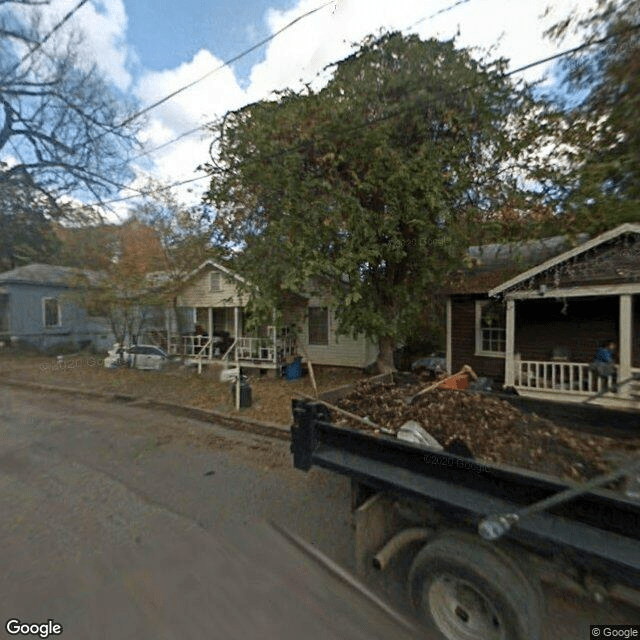
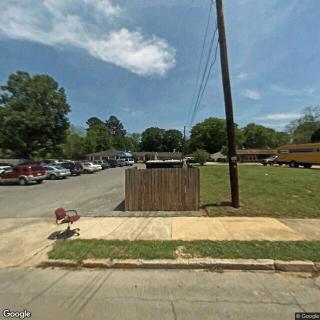
1 Etowah Street, Rome, GA 30161
To contact a resident: (706) 622-4598
For more information about senior living options: (866) 208-4318
Overall Review of Etowah Terrace Senior living
Pros
 The staff is great, answering all questions and making residents feel wanted.
- It appears to be a great place.
Cons
 The managers are mean to the elderly residents and will evict them regardless of whether they have anywhere to go.
- The staff do not even try to help the elderly residents.
- Two of the residents have died because of their actions.
- There is no one to talk to about concerns there.
Review
Etowah Terrace Senior Living in Rome, GA is best suited for seniors who prize a friendly, responsive front-line staff and meaningful social engagement, and who can tolerate a governance culture that may feel rigid or uneven in its treatment of residents. The strongest takeaway from the reviews is the value placed on staff warmth and accessibility, with one account praising staff for answering questions and making residents feel wanted. Yet, this isn’t a blanket endorsement: another account describes management as harsh and capable of eviction, and a third notes difficulty communicating with anyone on site. Put plainly, the community works for residents who can lean on approachable staff while accepting a questionable overall governance dynamic.
Who may want to consider alternatives is clear. Families prioritizing transparent leadership, predictable safety, and robust resident protections should look elsewhere. The most troubling claims, eviction behavior and serious outcomes attributed to management, cannot be dismissed lightly. For seniors with complex care needs, or for families seeking an environment with clear, enforceable rights and visible accountability, Etowah Terrace poses a risk that several other Rome-area options do not. In short, this community may be tolerable for those willing to trade governance stability for daily warmth, but it will not satisfy those who require rigorous, consistent oversight.
The pros are real and meaningful in day-to-day life. A helpful staff can reduce confusion, quickly answer questions, and create a sense of belonging that improves mood and routine adherence. When care plans shift, that same warmth can help residents adjust with less stress. This interpersonal advantage matters, especially for seniors who value social connection and straightforward, human support. However, these positives struggle to offset deeper governance concerns. Pleasant interactions do not nullify risks associated with eviction decisions or a management culture perceived as punitive, nor do they compensate for a sense of unpredictability that can erode trust over time.
The most serious red flags revolve around management behavior and the perception of safety and control. Allegations that managers evict residents and cause or fail to prevent harm create a troubling outlook for long-term residency. Add in the complaint that there is little opportunity to talk with administrators, and the environment begins to feel opaque and unaccountable. For families, that combination shifts risk from “some friction” to “potentially destabilizing,” especially when seniors lack immediate advocacy or family presence to challenge or navigate difficult decisions. These factors are not minor annoyances; they shape every major future planning decision, from space allocation to financial commitments.
From a decision-making standpoint, Etowah Terrace will be a fit only for a narrow cohort: those who prize daily human warmth from staff and can absorb governance fragility without it undermining core safety and stability. For most families, however, the balance tips toward caution. A rigorous due-diligence process is essential: request the current eviction and grievance policies in writing, insist on a clear resident-rights framework, and seek out candid conversations with several current residents and families with recent experience. Compare this with other options in Rome that emphasize transparency, outcomes, and a demonstrable commitment to resident advocacy and safety.
Bottom line: Etowah Terrace is not a universal recommendation and should be evaluated with strict criteria and a readiness to walk away if governance concerns persist. If the decision moves forward, set explicit expectations and demand concrete safeguards: written eviction triggers, reliable access to management for concerns, and a documented path for complaint resolution. The one reliably positive lever, engaged, responsive staff, can enhance daily life, but it cannot compensate for a governance culture that unsettles residents and families. In most cases, exploring alternatives with clearer governance and proven stability will yield a more secure, predictable long-term outcome.
 Active Adult Communities (55+)
 Independent Living




 Engaging Brain Games and Innovative Apps to Keep Senior Minds Active
 Effective Strategies for Keeping Seniors' Minds Active: A Deep Dive into Brain Games and Apps
 In-Depth Look at the VA Aid and Attendance Program