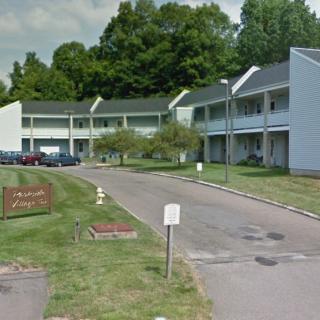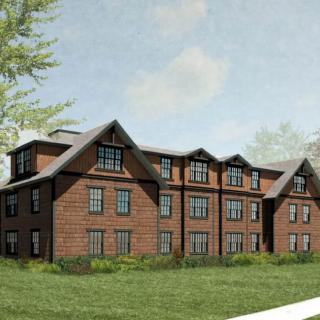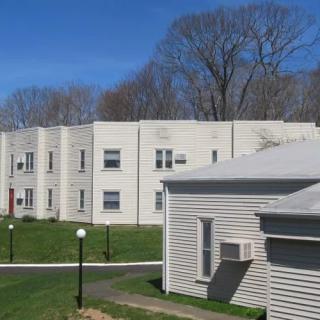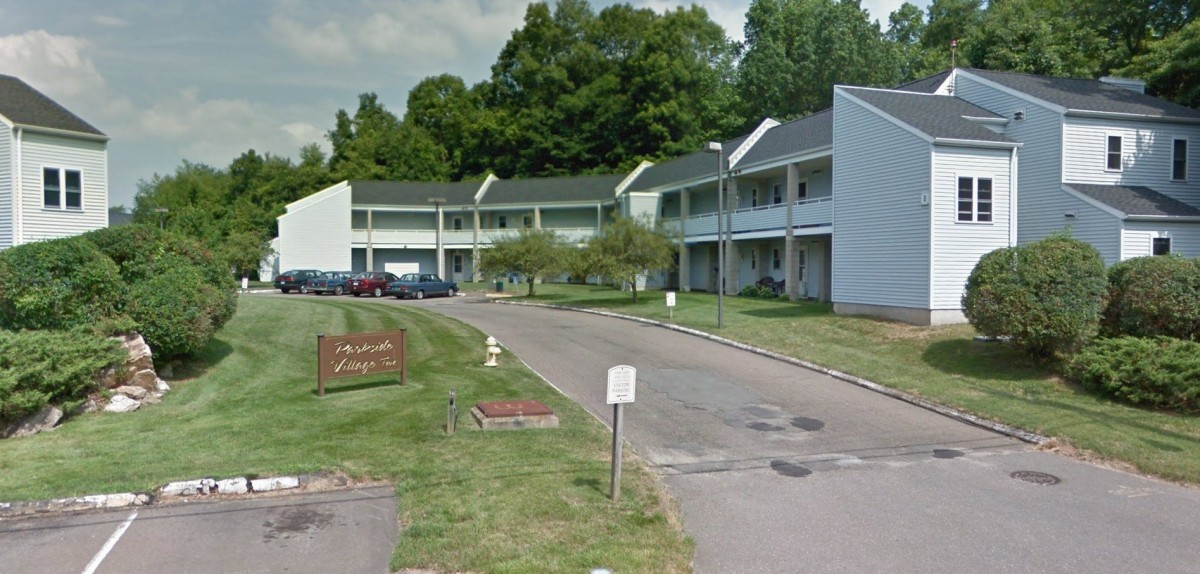
115 S Montowese Street, Branford, CT 06405
To contact a resident: (203) 481-3194
For more information about senior living options: (866) 208-4318
Parkside Village Costs & Pricing
Parkside Village presents a unique pricing structure compared to the broader market in New Haven County and the state of Connecticut. For those seeking semi-private rooms, the monthly cost at Parkside Village is $6,150, which exceeds both the county average of $5,988 and the state average of $5,829. This indicates that while Parkside offers distinct amenities and services, it does come at a premium relative to similar options in the area. When considering private rooms, the price escalates significantly to $9,630 per month - substantially higher than New Haven County's average of $5,528 and Connecticut's overall average of $5,479. These figures suggest that residents may be paying over 74% more for private accommodations at Parkside Village compared to other facilities within both New Haven County and Connecticut as a whole. Overall, while Parkside Village offers exceptional living conditions and care, prospective residents should weigh these costs against their budget and expectations for community living.
| Floor plans | Parkside Village | New Haven County | Connecticut |
|---|---|---|---|
| Semi-Private | $6,150 | $5,988 | $5,829 |
| Private | $9,630 | $5,528 | $5,479 |
Independent Living communities with a similar price nearby
-
from -$950 / mo

Crosby Commons
$5,200 to $5,880 / month15.2 miles away -
from +$350 / mo

Maplewood At Orange
$6,500 to $8,875 / month10.1 miles away -
from -$982 / mo
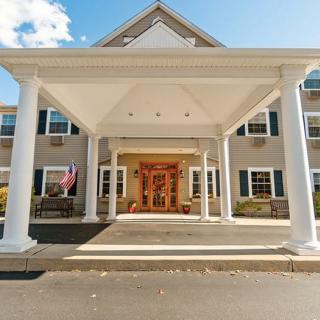
The Hearth at Tuxis Pond
$5,168 to $8,017 / month10.9 miles away -
from +$960 / mo

The Residence at Elim Park
$7,110 to $7,710 / month14.8 miles away
Overall Review of Parkside Village
Cons
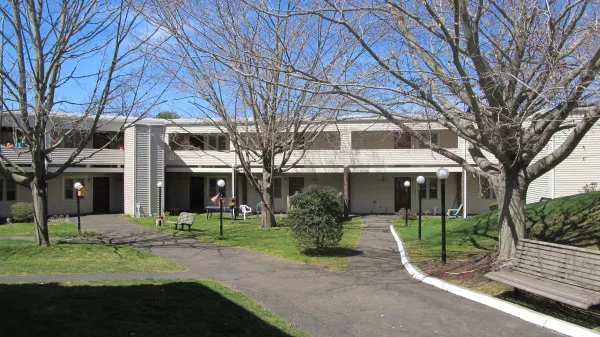
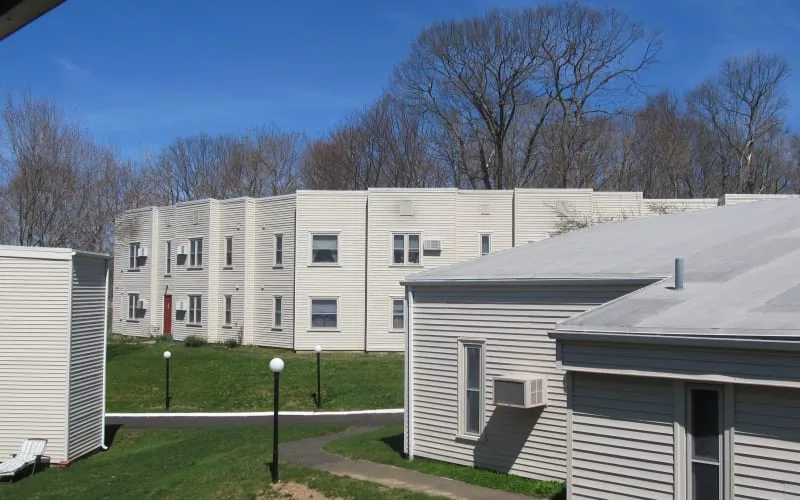
 The place has not been updated in years.
- The stench from the sewer plant is horrific.
- The place is a horrible place to live.
- The management is the worst; moving there is not recommended.
- Residents are battered by wind and snow, down and dirty, and in trouble.
Review
Parkside Village in Branford, CT is best suited for budget-conscious seniors who can tolerate an aging facility and rely on family oversight to advocate for steady, reliable care. This community may work for residents who prioritize low cost and a straightforward, no-frills living arrangement over modern aesthetics or cutting-edge amenities. It also suits families who can stay involved, request timely responses, and drive improvements when needed. Those who expect a consistently fresh, updated environment, transparent leadership, and a strong, proactive maintenance program should not anchor retirement plans here. For anyone who prizes modernization and assured quality, alternatives deserve serious consideration.
What emerges clearly from the available feedback is a mixed signal, but the negative weight dominates. The overall rating sits around 3.4 out of 5, with several reviewers voicing loud, unequivocal dissatisfaction, and a minority offering top marks that don’t reveal concrete positives. That divergence signals inconsistent experiences and suggests that any perceived value hinges heavily on individual expectations and the day-to-day relationship with management. In plain terms, the strongest endorsement would only matter if the underlying operational realities matched that gloss, and here the disconnect is where risk resides.
The dominant cons are concrete, persistent, and hard to overlook. Reviewers flag an aging property that has not seen meaningful updates in years, a harsh environmental odor from a sewer facility nearby, and, most troubling, what’s described as poor management. Taken together, these issues undermine daily comfort, safety perception, and continuity of care. The lack of a clear path toward meaningful renovations or decisive leadership changes makes the downsides feel cumulative rather than episodic, placing a heavier burden on residents and their families to demand accountability rather than enjoy a stable, high-quality routine.
If there were meaningful pros to offset these drawbacks, they would need to be substantial and reliably delivered. The hypothetical upside would include a refreshed physical plant, odor-control improvements, consistently responsive maintenance, transparent governance, and stronger caregiver stability. Effective communication, timely issue resolution, and demonstrated investment in resident well-being would also need to accompany any attractive price point. In short, the bar is high: without concrete improvements in comfort, cleanliness, and leadership, the current negatives are unlikely to be offset by cost savings or location alone.
For families considering due diligence, several practical steps can sharpen the decision. Schedule a face-to-face tour focused on the living spaces, common areas, and any recently updated rooms or corridors. Ask direct questions about planned renovations, maintenance response times, and how odor-related concerns are monitored and mitigated. Speak with current residents if possible about their daily experiences, and request recent service logs or maintenance tickets to gauge responsiveness. Review the contract thoroughly for escalation procedures, care planning processes, and exit options. Compare nearby communities with stronger reputations for updated facilities and proactive management to ensure a fully informed choice.
Ultimately, Parkside Village is a viable option only for those who will tolerate notable downsides in exchange for price access and local convenience. For families that prioritize consistent upkeep, modern amenities, and a reliably well-managed environment, alternatives are advisable. The reality is that while a subset of residents may find a workable routine, the broader pattern reflected in the feedback points toward a future where significant improvements are necessary to deliver the peace of mind that families typically seek in assisted living decisions.
 Independent Living
 Friendly staff and a wide range of on-site amenities.





 Encouraging Participation in Adult Day Care: A Guide to Supporting a Hesitant Parent
 Comprehensive Exploration of Living Wills and Other Advance Directives
 A Detailed Exploration of Living Wills and Advance Directives