For more information about senior living options: (866) 208-4318
2.5 from 36 reviews
5 stars
13
4 stars
1
3 stars
0
2 stars
0
1 stars
22
Overall Review of Branford Hills Healthcare Ctr
caveat10 reviews mention this
Care staffing and supervision concerns
Several reviewers describe staffing and supervision gaps that affected safety and follow-through.
Some families report understaffing and delays, including being left alone for long stretches and not getting timely help. A few reviews also describe supervision-related problems like missing bed alarms or a call button that was not available, alongside falls and rapid deterioration. One review says the facility is “medical first” and that there is not enough time or personnel for sustained engagement beyond scheduled needs. Even in more positive reviews, one family points to limited staffing capacity as the main limitation.
caveat9 reviews mention this
Personal care and rehab dependability
Reviews are divided on whether daily care and rehab support are consistently delivered.
Negative reviews mention missed or incomplete care elements such as toileting help, baths, medication administration, wound attention, and rehab therapy. Several of these accounts describe outcomes that worsened during the stay, including falls, dehydration, malnutrition, hallucinations, and hospital transport. On the other hand, positive reviews describe staff taking care of needs like feeding attention, dressing wounds, and providing physical therapy. At least one family also notes quality care when staff are able to keep up, even while calling out staffing constraints.
caveat4 reviews mention this
Daily activities feel limited
Many reviewers say there are not enough meaningful daily activities.
Some residents are described as down, bored, and mostly moving around the halls, with not enough day-to-day activities. Another review says enrichment activities can be hard to come by because the facility prioritizes medical care and scheduled therapy and meals. A separate positive review describes staff inviting a resident to participate in activities during the stay. Another negative review adds that long-term residents can have few recreation resources compared with what is needed.
common13 reviews mention this
Staff professionalism and kindness
Even when experiences were negative, reviewers frequently mention staff trying to help.
Several reviewers describe staff members as professional, kind, and attentive—welcoming families, explaining status, and responding to needs. Some families specifically highlight communication and follow-up, including nurses coordinating and staying involved after-hours. Other reviews contrast that with moments of rudeness, broken communication, or neglect, while still acknowledging that some aides and nurses mean well. Even among the more critical reviews, there are mentions of a small handful of staff and administrators who tried to make things right.
common2 reviews mention this
Dining is generally acceptable
Reviewers who mention meals tend to describe them as acceptable rather than a problem.
One reviewer says the food is “ok,” while another says their loved one did not complain about food during a late-stage dementia stay. These comments suggest meals are not a consistent point of contention in the reviews that address dining directly. The wider feedback focuses more on staffing, daily care, and activities than on the day-to-day quality of meals.
How we summarize
Counts show how many written reviews mention each theme; a review can touch several themes, and only frequently mentioned themes are displayed.
Features
Housing
190 resident community capacity
Types of Care
Skilled Nursing Facility
Amenities
Air-conditioning
Beauty salon
Cable or satellite TV
Computer center
Dining room
Fitness room
Fully furnished
Gaming room
Garden
Housekeeping services
Kitchenette
Move-in coordination
Outdoor space
Private bathrooms
Restaurant-style dining
Small library
Telephone
Wellness center
Wi-Fi/high-speed internet available
Transportation
Community operated transportation
Transportation arrangement
Transportation arrangement (non-medical)
Transportation to doctors appointments
Care Services
12-16 hour nursing
24-hour call system
24-hour supervision
Activities of daily living assistance
Assistance with bathing
Assistance with dressing
Assistance with transfers
Diabetes diet
Meal preparation and service
Medication management
Mental wellness program
Special dietary restrictions
Dining
Diabetes diet
Special dietary restrictions
Activities
Community-sponsored activities
Concierge services
Fitness programs
Planned day trips
Resident-run activities
Scheduled daily activities
Nearby Places of Interest
Pharmacies
Walgreens (1.1 miles)
CVS Pharmacy (1.2 miles)
Walgreens (1.3 miles)
CVS Pharmacy (1.8 miles)
Rite Aid (2.2 miles)
Walgreens (3.7 miles)
CVS Pharmacy (3.9 miles)
Physicians
Mondovi Dental (1.2 miles)
Family Practice And Internal Medicine Of New Haven County (1.4 miles)
General Practitioners of Hamden & Branford PC (1.6 miles)
East Haven Pediatrics PC (1.6 miles)
St Raphael's Occupational Health (1.9 miles)
Connecticut Orthopaedics (1.9 miles)
FUZION Medical Aesthetic Boutique (2.4 miles)
Cafes
Starbucks (1.3 miles)
Kaiydens Coffee (4.5 miles)
Starbucks (6.5 miles)
Panera Bread (7.7 miles)
Panera Bread (8.1 miles)
Restaurants
The Lobster Shack (1.5 miles)
Stony Creek Brewery (1.9 miles)
Lenny's Indian Head Inn (2.4 miles)
Hornets Nest Deli (3.4 miles)
Parthenon Diner Restaurant (4 miles)
McDonald's (4.2 miles)
Zeneli Pizzeria (4.4 miles)
Transportation
Robinson Aviation (1.8 miles)
Tweed-New Haven Regional Airport (2.3 miles)
New Haven Union Station (NHV) - Metro North/Amtrak/Shore Line East (4.6 miles)
New Haven State Street Station (4.7 miles)
Metro North West Haven Train Station (6 miles)
U-Haul Moving & Storage of Orange (7.6 miles)
Hospitals
Hospital of Saint Raphael (1.9 miles)
Harbor House (2.1 miles)
Yale New Haven Hospital Blood Drawing Station (2.1 miles)
Hill Health Center Grant Street Partnership (4.9 miles)
Yale New Haven Hospital Saint Raphael Campus (5.8 miles)
Veterans Affairs CT Healthcare System: West Haven Medical Center (6 miles)
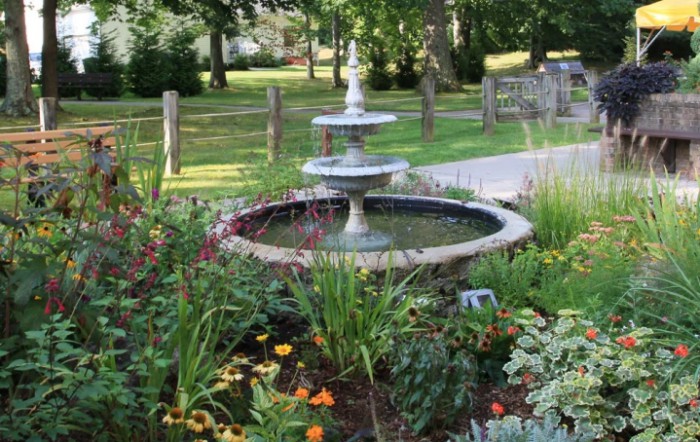
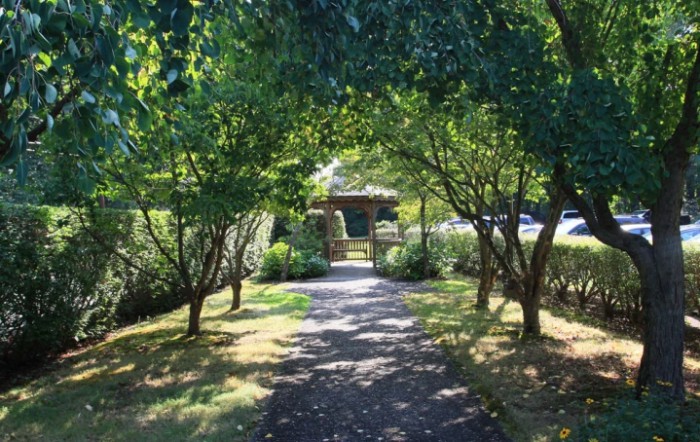
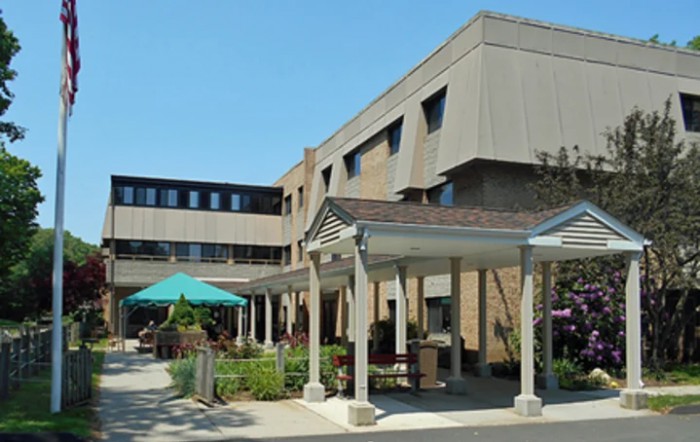
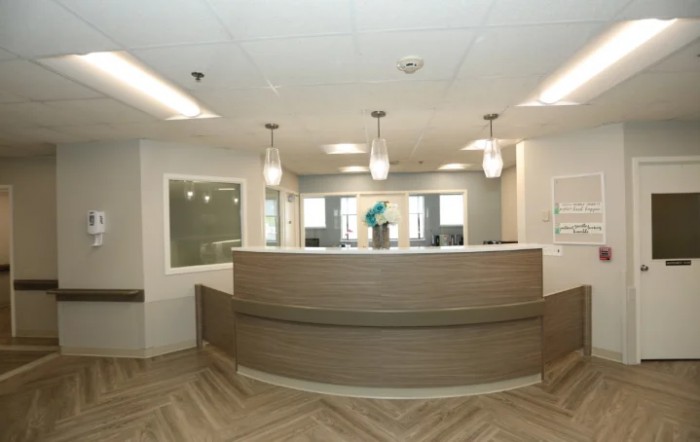
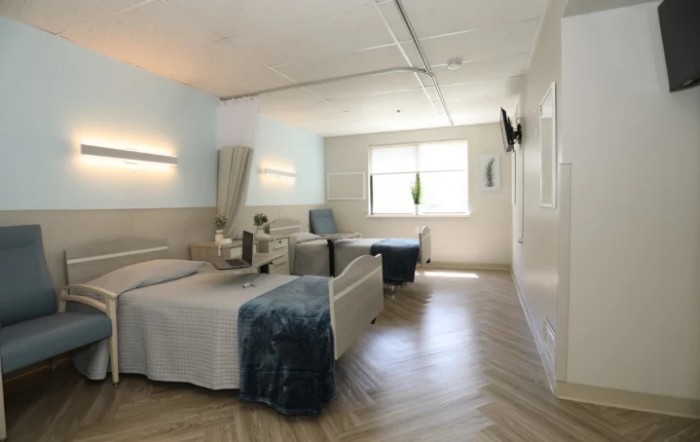
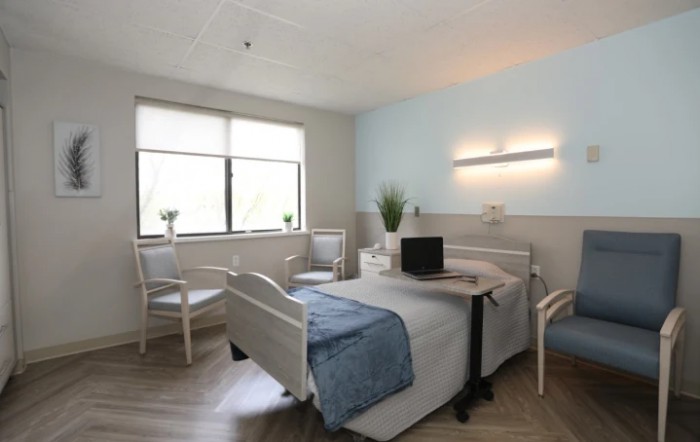
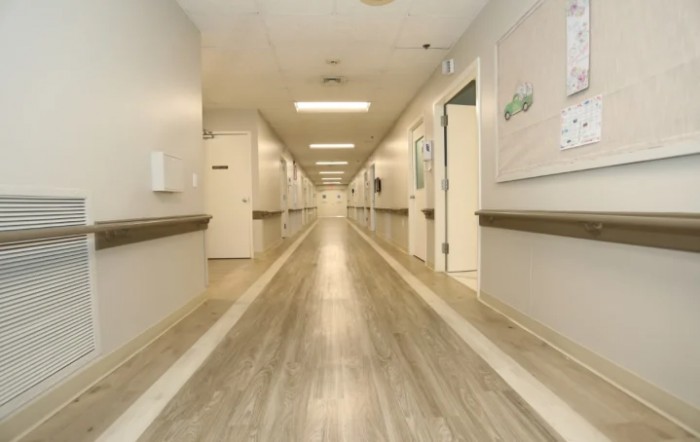
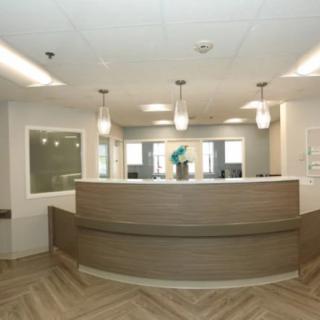
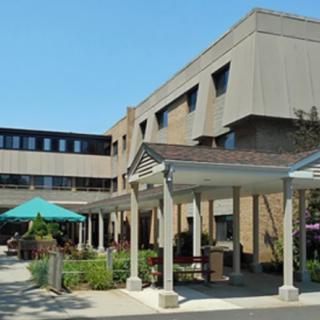
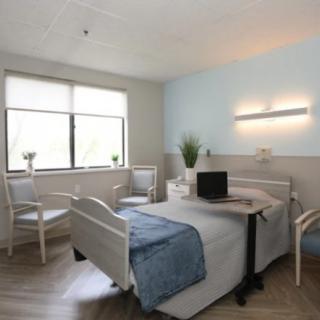
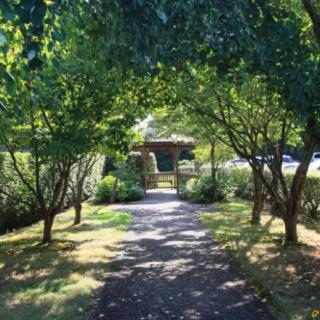
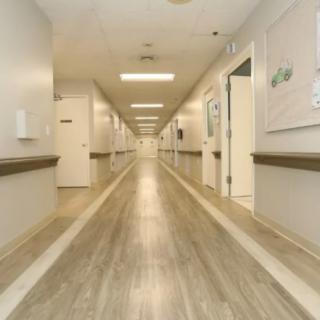
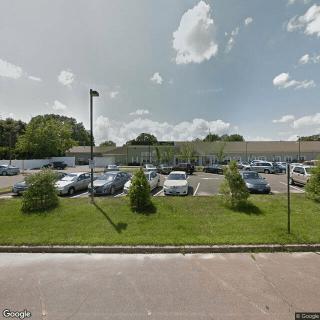
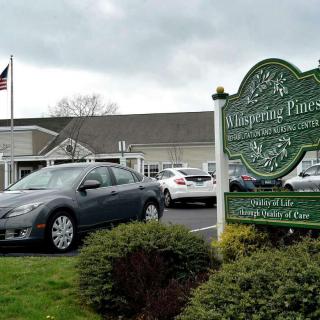
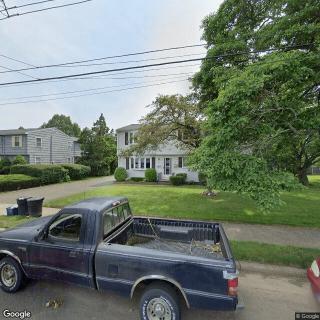
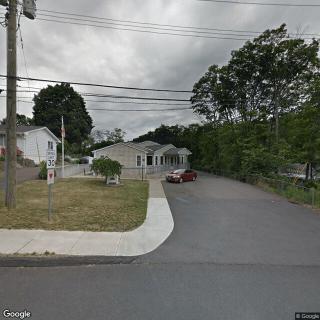
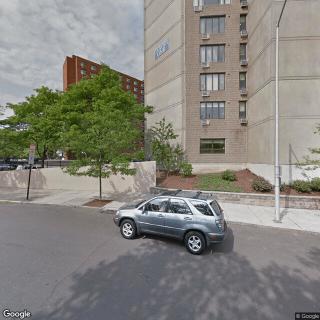
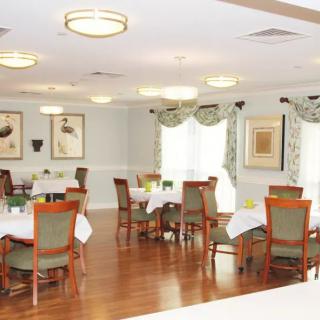
Branford Hills Healthcare Ctr on seniors.fyi includes 7 photos including images showing interior, outdoors, nature, healthcare, landscaping, courtyard, patio, park, and more.
Nearby Communities
The Hearth At Gardenside
Branford, CT
4.1 from 82 reviews
$3,833 to $7,218 / month
Clean, welcoming atmosphere with friendly staff and engaging activities.
Seniors Helping Seniors
Branford, CT
5 from 1 review
Excellent access to healthcare, dining, and transportation nearby.
Talmadge Park Health Care
East Haven, CT
3.9 from 31 reviews
Convenient access to dining, parks, healthcare services, transportation, worship, and nearby hospitals.
Whispering Pines Rehabilitation And Nursing Center
East Haven, CT
3.9 from 27 reviews
Extensive on-site amenities with comprehensive care and transport options.
Caroline Manor
East Haven, CT
1 from 1 review
$3,300 to $3,500 / month
Affordable pricing below local averages.
Teresa Rest Home
East Haven, CT
1 from 1 review
$3,900 / month
Affordable private-room option with 24/7 supervision and comprehensive care services.
Tower One/Tower East
New Haven, CT
4.3 from 29 reviews
Vibrant kosher environment with engaging activities and convenient on-site amenities.
Artis Senior Living of Branford
Branford, CT
4.6 from 77 reviews
$7,500 / month
Warm, attentive staff with engaging activities in a well-kept, home-like environment.
Seacrest Retirement Center
West Haven, CT
4 from 42 reviews
$4,500 to $4,800 / month
Homey atmosphere with attentive staff and quality meals alongside ocean-view rooms.
The article explores the complexities of using Social Security to finance long-term nursing home care in the U.S., detailing eligibility requirements and misconceptions, while emphasizing that these benefits often do not cover full costs and highlighting the need for strategic financial planning and professional guidance.
Pneumonia significantly affects older adults due to weakened immune systems and atypical symptoms that complicate diagnosis, necessitating early detection and tailored treatment. Risk factors include chronic diseases and cognitive impairments, with preventive measures like vaccinations and healthy lifestyles being crucial for reducing risk.
Palliative care enhances the quality of life for seriously ill patients by providing comprehensive support at home through a multidisciplinary team, addressing various needs and prioritizing comfort over curative treatments. While it offers personalized care and involves family in decision-making, challenges like caregiver stress and logistical issues persist, with growing demand prompting advancements in technology and healthcare policies to improve access.
Building, Architecture, Patio, Courtyard, Balcony, and Umbrellas
Trees and Pathway
Lighting, Office, Waiting Area, and Reception
Garden, Fountain, and Park
Outdoors
Healthcare
Hallway
Get PricingAsk A QuestionSchedule A TourContact Senior Advisor
By clicking submit, you agree to our Partner's Terms of Use. You
also consent to receive calls and texts, which may be autodialed, from our Partner. Your consent is not a condition to
using our Partner's service. Please visit our Partner's Privacy Policy for information about their privacy practices.


 190 resident community capacity
 Skilled Nursing Facility
 Air-conditioning
 Beauty salon
 Cable or satellite TV
 Computer center
 Dining room
 Fitness room
 Fully furnished
 Gaming room
 Garden
 Housekeeping services
 Kitchenette
 Move-in coordination
 Outdoor space
 Private bathrooms
 Restaurant-style dining
 Small library
 Telephone
 Wellness center
 Wi-Fi/high-speed internet available
 Community operated transportation
 12-16 hour nursing
 24-hour call system
 Activities of daily living assistance
 Assistance with bathing
 Assistance with dressing
 Assistance with transfers
 Diabetes diet
 Medication management
 Mental wellness program
 Special dietary restrictions
 Concierge services
 Planned day trips
 Clean, welcoming atmosphere with friendly staff and engaging activities.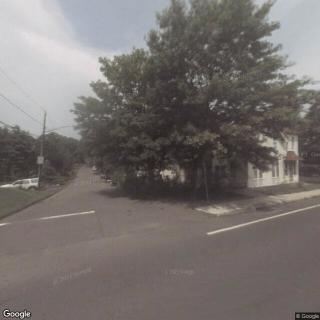

 Financing Long-Term Nursing Home Care Through Social Security: A Thorough Exploration
 Essential Knowledge on Pneumonia in Older Adults
 Exploring Palliative Care in the Home: A Comprehensive Overview