
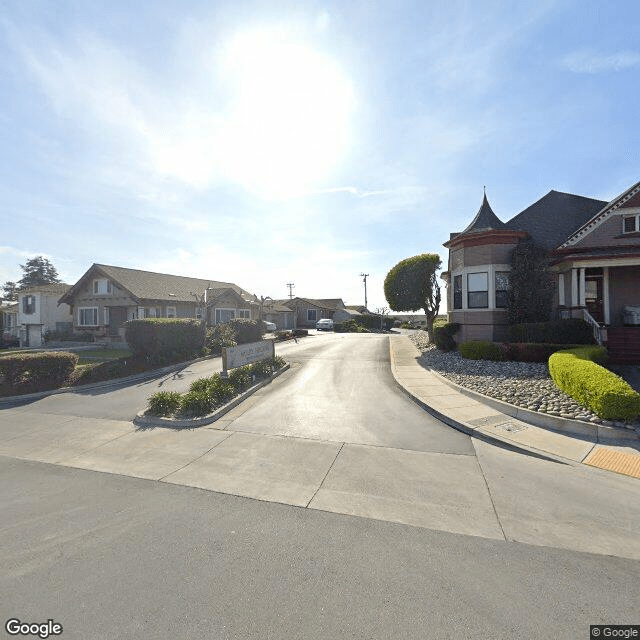
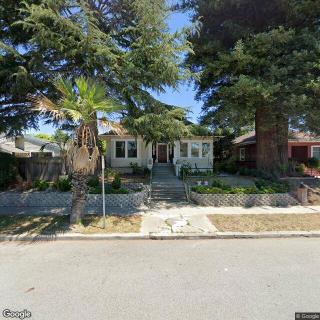
925 Freedom Blvd, Watsonville, CA 95076
To contact a resident: (831) 722-4884
For more information about senior living options: (866) 208-4318
Valley Heights Costs & Pricing
Valley Heights offers a compelling value for residents, particularly when compared to broader regional and state averages. For a one-bedroom unit, the monthly cost stands at $2,650, significantly lower than the Santa Cruz County average of $4,414 and the state average of $4,340. Similarly, two-bedroom apartments at Valley Heights are priced at $3,450 - a notable contrast to both the county's average of $4,214 and California's higher statewide average of $5,270. These figures suggest that Valley Heights not only provides comfortable living spaces but does so while maintaining a more affordable pricing structure that appeals to budget-conscious individuals and families in an otherwise expensive market.
| Floor plans | Valley Heights | Santa Cruz County | California |
|---|---|---|---|
| 1 Bedroom | $2,650 | $4,414 | $4,340 |
| 2 Bedrooms | $3,450 | $4,214 | $5,270 |
Independent Living communities with a similar price nearby
-
from +$360 / mo
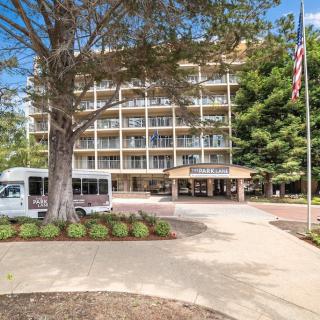
The Park Lane
$3,010 to $5,965 / month24.2 miles away
Overall Review of Valley Heights
Pros
 Valley Heights provides more services for less money.
- Their pricing is better and offers more benefits.
- The place is very nice.
- A studio with a kitchen is available at Valley Heights.
- Valley Heights employs a chef, and the food is good.
- They offer covered parking for vehicles.
Cons
 They do not have a kitchen at all.
- There is a little bit more that can be done.
Review
Valley Heights, now operating as Manresa Health Center in Watsonville, is best suited for a practical, budget-minded senior who wants an all-in-one living option with apartment-style privacy, on-site dining, and a chef-driven kitchen. It works especially well for residents who prize value without sacrificing essential services, and for families that want predictable costs paired with real restaurant-style meals. Those seeking a highly boutique environment, extensive medical specialization, or intensely personalized care plans should consider alternatives that lean more toward luxury or higher-level clinical support.
Pros highlighted by families point to a combination that can be hard to beat in this price tier. Residents can access more services for less money than they anticipated, with pricing that feels competitive for what’s included. A studio apartment with a kitchen is a tangible perk for those who want the flexibility to prepare meals or snacks without living in a fully traditional assisted-living unit. The dining area and menu are described as restaurant-style and appealing, which elevates day-to-day meals from a purely utilitarian routine to something closer to home dining. Additionally, covered parking and a generally nice facility contribute to a sense of practicality and ease-of-use for families balancing logistics.
On the care and living side, Valley Heights is seen as “all good” in several accounts: it provides what many seniors need to stay comfortable and independent, and the apartments are described as adequate. A chef in the kitchen is viewed as a meaningful upgrade over a basic cook, contributing to meal quality and consistency. Food is generally regarded as good, and the overall impression is that the community offers a solid core experience without pushing families into overpriced add-ons. The combination of a decent living space, reliable dining, and reasonable costs can translate into real peace of mind for those who want stability and straightforward routines.
Yet, the narrative isn’t without friction. A couple of reviewers rated the community poorly, signaling that not every experience aligns with the positive impressions. One standout theme across less favorable feedback is that there is room for improvement in certain areas, whether that means service consistency, breadth of amenities, or meeting individual expectations. Such notes aren’t universal, many families report value and warmth, but they do introduce a caution: the strongest value proposition hinges on predictable execution and a staff program that meets evolving resident needs over time.
Those drawbacks bolster the case for careful due diligence rather than a blanket endorsement. The key strength, cost-effective access to a broad set of services, coupled with kitchen-equipped living and solid dining, helps offset some gaps, but it won’t automatically compensate for the kinds of high-touch or specialized care some families require. If the plan relies on intensive medical oversight, memory care, or highly personalized rehabilitation, this community may fall short relative to purpose-built settings that offer more specialized staffing or programming. For families prioritizing culinary quality, predictable pricing, and straightforward daily routines, the balance remains favorable; for those chasing boutique ambiance or more bespoke care models, alternatives deserve exploration.
In practical terms, families evaluating Valley Heights should treat it as a strong contender for mid-range needs and cost-conscious planning. Start with formal tours, request current menus, and probe the kitchen’s hours and staff consistency. Confirm what “more services for less money” translates to in concrete terms, what therapies, transportation options, and activities are included, and what incurs additional charges. Compare the studio-with-kitchen option against fully apartment-style units in nearby communities to verify what matters most: independence with a kitchen, robust dining, or a richer social calendar. Finally, scrutinize the contract for guarantees around care adjustments, staffing ratios, and price stability to ensure expectations align with reality.
 Independent Living
 Monterey Peninsula (23 miles away)


 Navigating Medicare Coverage for In-Home Care Services
 In-Home Care Costs in 2025: A Detailed State-by-State Exploration
 Understanding Home Health Care: A Comprehensive Guide