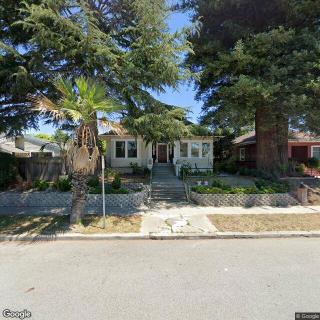
Valley Convalescent Hospital in Watsonville, CA

Save
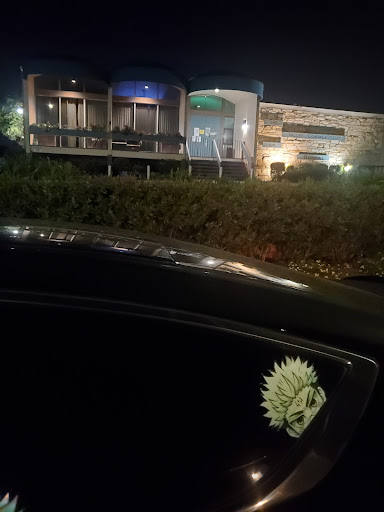
Valley Convalescent Hospital

Valley Convalescent Hospital in Watsonville, CA

919 Freedom Boulevard, Watsonville, CA 95076

For more information about senior living options: (844) 490-3973

3.7 from 19 reviews
5 stars
11
4 stars
2
3 stars
1
2 stars
0
1 stars
5

Skilled Nursing Facility

What level of care are you interested in?

Assisted Living

Memory Care

Independent Living

Skilled Nursing Facility

Continuing Care Retirement Community (CCRC)CCRC

Other


Request a tour at Valley Convalescent Hospital

    Overall Review of Valley Convalescent Hospital

    Pros

    • pro The nurses and aides are very attentive and have taken excellent care of the resident and their roommate.
    • pro The therapists are very good and genuinely want to help the resident.
    • pro Management changes have not affected the quality of care.
    • pro The staff have done a really good job in caring for residents.
    • pro The staff keep family members updated and call about changes.
    • pro The facility offers an active program with an activity director, including holidays, parties, and music.
    • pro The facility is clean and airy.
    • pro Administrators are very family-oriented.
    • pro The meals are nourishing and balanced.
    • pro There is daily exercise available for residents.
    • pro The building is bright and airy, and the staff are caring and friendly.
    • pro The location is convenient and the surroundings are pleasant.

    Cons

    • pro Bathrooms are shared with the adjoining rooms and the opposite sex.
    • pro A resident urinates all over the bathroom floor and locks the door, blocking access; staff would not clean up.
    • pro The Director lied that the issue would be addressed and pressured patients to sign out against medical advice.
    • pro They were told they would not receive home therapy if they left without approval.
    • pro A nurse pushed a patient at their wound site when the patient tried to take pictures.
    • pro The doctor lied and yelled at patients, and HIPAA rules were violated.
    • pro The staff neglect their patients.
    • pro The management was unprofessional and violated patients' medical rights.

    Review

    Valley Convalescent Hospital in Watsonville is best suited for seniors who need short- to mid-term post-acute rehabilitation or recovery close to family, with a clear emphasis on hands-on nursing care and daily, goal-oriented therapy. Across reviews, the strongest signals point to attentive nurses and aides, consistent daily therapy, and a clean, welcoming environment. Families with loved ones who respond well to structured rehab routines and who value regular updates over the course of recovery will find the day-to-day care compelling. This is not a place to linger long-term without a concrete plan; it excels when the objective is to regain function and return home or transition to a less intensive setting.

    Those weighing alternatives should consider moving on if privacy, predictable administrative behavior, and transparent discharge planning are non-negotiables. A pattern of concern centers on inconsistent communications with families, and some residents and relatives report management practices that undermine trust. Specific issues cited include a director of nursing whose professionalism is questioned, and episodes that touch on privacy and compliance, such as shared bathrooms and alleged HIPAA-related problems. Families living far from the facility regularly highlight the need for reliable, proactive updates; when that fails, the overall experience shifts from reassuring to frustrating. For residents who require long-term, predictable supervision or who prioritize administrative clarity as much as clinical care, alternatives may fare better.

    The core advantages - staff attentiveness, strong therapy momentum, and cleanliness - offer meaningful weight against several drawbacks. Daily therapy is emphasized by multiple reviewers as purposeful and capable, with therapists who push toward tangible recovery, and aides who reinforce the care plan with practical support. The environment tends to be bright and well kept, with active scheduling and social opportunities that help residents stay engaged. For families who prize straightforward access to treatment progress and a facility that feels responsive to routine needs, these pros often outweigh episodic administrative lapses. In addition, the facility's proximity to home, and the ease of family visits, can reduce stress during a recovery phase.

    Yet the negatives are persistent enough to require serious consideration. Several reviews flag inconsistent or limited communication, especially about medical updates, discharge dates, and daily changes in care plans. Some accounts describe encounters with a management team that feels distant or unprofessional, and a few incidents involve privacy concerns or questions about adherence to patient-rights standards. While not universal, these patterns can color every otherwise solid clinical outcome, turning a successful rehab trajectory into a source of ongoing anxiety for families anxious about oversight and accountability. The tension between excellent bedside care and uneven administrative behavior is the dominant risk signals in the feedback.

    From a decision-making perspective, prospective residents and their families should inspect practical details before choosing Valley Convalescent Hospital. Tour during peak activity to gauge how the staff handles real-time demands; ask to meet the director of nursing and review the latest patient-rights policies, discharge planning protocols, and a written family-communication plan. Confirm the frequency and method of family updates, and request examples of daily therapy goals and progress notes. Clarify food preferences, the kitchen's responsiveness to requests, and any recent changes in billing or eligibility that might affect out-of-pocket costs. Inquire about privacy measures, particularly for roommates and shared spaces, and how safety incidents are documented and resolved.

    In sum, Valley Convalescent Hospital delivers a compelling value proposition for post-acute recovery with a strong, hands-on care culture and an active rehab program. The reported strengths easily support meaningful improvements in function and overall well-being, especially for families seeking nearby, engaged care during a critical recovery window. The caveat is clear: management consistency and transparent, proactive family communication are critical to sustaining trust. If those elements align with priorities, this community is a practical, capable choice for short- to mid-term rehab near home. If privacy, predictable administration, and uninterrupted, formulaic communication are non-negotiable, it warrants a careful comparison with alternatives.

    Features

    Housing

    • 59 resident community capacity 59 resident community capacity

    Types of Care

    • Skilled Nursing Facility Skilled Nursing FacilitySkilled Nursing Facilities are crucial for seniors as they provide round-the-clock medical care, rehabilitation services, and assistance with daily activities. These facilities ensure that seniors receive the specialized care they need to maintain their health and well-being as they age.

    Amenities

    • Air-conditioning Air-conditioningAir conditioning is important for seniors as they are more vulnerable to heat-related illnesses and may have underlying health conditions that make it difficult for them to regulate their body temperature. It helps to keep them comfortable, safe, and healthy in hot weather.
    • Beauty salon Beauty salonBeauty salons are important for seniors because they provide a space for them to feel pampered, socialize, and maintain their personal grooming and hygiene. Regular visits to a beauty salon can help boost seniors' self-esteem and overall well-being.
    • Cable or satellite TV Cable or satellite TVCable or satellite TV is important for seniors because it provides entertainment, news, and companionship, helping to combat loneliness and boredom. It also offers a wide range of programming options tailored to different interests and preferences.
    • Computer center Computer centerA computer center is essential for seniors as it provides access to technology, communication tools, and resources that can enhance their daily lives. It allows them to stay connected with loved ones, engage in online activities, and learn new skills, ultimately promoting socialization and mental stimulation.
    • Dining room Dining roomDining rooms are important for seniors as they provide a space for socialization, connection, and nutritious meals. They offer opportunities for residents to bond over shared meals, foster a sense of community, and promote healthy eating habits. Dining rooms also ensure that seniors have access to well-balanced meals tailored to their dietary needs and preferences.
    • Fitness room Fitness roomHaving a fitness room in a senior living community is essential for seniors to stay active, maintain their physical health, and improve their overall well-being. Regular exercise can help prevent falls, reduce the risk of chronic diseases, and promote mental sharpness. It also provides social opportunities for residents to connect with others and enjoy a sense of community.
    • Fully furnished Fully furnishedFully furnished senior living communities are important for seniors because they provide convenience, comfort, and a hassle-free moving experience. Seniors can easily settle into their new living space without the stress of having to buy and move furniture. This allows them to focus on enjoying their new home and community.
    • Gaming room Gaming roomGaming rooms are important for seniors as they provide a fun and engaging environment for socializing, cognitive stimulation, and physical activity. Games can improve memory, problem-solving skills, and overall mental well-being while fostering friendships and reducing feelings of isolation.
    • Garden GardenGardens are important for seniors as they provide a peaceful and therapeutic environment for relaxation, physical activity, and socialization. Being in nature has been shown to reduce stress, improve mood, and promote overall well-being. Gardens also offer opportunities for seniors to engage in gardening activities, which can improve mobility, flexibility, and cognitive function. Additionally, gardens create a sense of community and connection with others who share a passion for plants and outdoor spaces.
    • Housekeeping services Housekeeping servicesHousekeeping services are important for seniors because they help maintain a clean and safe living environment, promote independence, and reduce the risk of accidents or illnesses. Additionally, having assistance with household chores can alleviate physical strain and allow seniors to focus on other aspects of their well-being.
    • Kitchenette KitchenetteKitchenettes are important for seniors living in senior living communities because they provide the convenience and independence of being able to prepare simple meals and snacks in the comfort of their own living space. This can help promote a sense of autonomy and well-being for seniors, allowing them to maintain some level of control over their dietary choices and daily routines.
    • Move-in coordination Move-in coordinationMove-in coordination is important for seniors because it helps ease the transition into their new living environment. It ensures that all logistics, such as packing, organizing movers, and setting up utilities are taken care of, allowing seniors to focus on settling in and adjusting to their new home. Having a smooth move-in process can alleviate stress and anxiety, making the transition smoother and more enjoyable for seniors.
    • Outdoor space Outdoor spaceOutdoor spaces are important for seniors as they provide opportunities for physical activity, social interaction, exposure to natural light and fresh air, and a sense of connection to nature. Having access to outdoor spaces can improve overall well-being and quality of life for older adults living in senior communities.
    • Private bathrooms Private bathroomsPrivate bathrooms are important for seniors in senior living communities because they provide independence, dignity, and comfort. Having a private bathroom allows seniors to maintain their personal hygiene routines without the need for assistance, promoting a sense of autonomy and privacy. Additionally, private bathrooms help prevent the spread of infections and provide a safe and clean environment for seniors to navigate safely.
    • Restaurant-style dining Restaurant-style diningRestaurant-style dining is important for seniors because it allows them to enjoy delicious, nutritious meals in a social and upscale setting. This enhances their dining experience, promotes healthy eating habits, and fosters socialization with fellow residents, ultimately contributing to their overall well-being and quality of life.
    • Small library Small librarySmall libraries are important for seniors as they provide access to a variety of reading materials, including books, newspapers, and magazines. This can help stimulate their minds, keep them engaged, and provide a sense of community through book clubs and other social activities. Additionally, reading has been shown to improve cognitive function and overall mental well-being in older adults.
    • Telephone TelephoneTelephones are important for seniors as they provide a lifeline for communication with loved ones, emergency services, and healthcare providers. They offer a sense of security and independence, enabling seniors to stay connected and access assistance when needed.
    • Wellness center Wellness centerWellness centers are important for seniors because they offer a variety of programs and services that promote physical, mental, and emotional well-being. These centers provide opportunities for exercise, socialization, education, and relaxation, helping seniors maintain their overall health and quality of life.
    • Wi-Fi/high-speed internet available Wi-Fi/high-speed internet availableWi-Fi/high-speed internet is important for seniors to stay connected with loved ones, access online resources, and participate in virtual activities to combat feelings of loneliness and isolation. It also allows them to easily manage healthcare needs, access entertainment, and engage in lifelong learning opportunities.

    Transportation

    • Monterey Peninsula (23 miles away) Monterey Peninsula (23 miles away)
    • Community operated transportation Community operated transportationCommunity operated transportation is crucial for seniors as it provides them with the means to access essential services, social activities, and medical appointments. It allows seniors to maintain their independence and quality of life by ensuring they can participate in activities outside of their homes. Additionally, community-operated transportation services offer a safe and reliable way for seniors to travel without having to rely on family or friends for assistance.
    • Transportation arrangement Transportation arrangementTransportation arrangements are crucial for seniors as they may face challenges with driving, mobility, or access to public transportation. Having reliable transportation services ensures that seniors can easily attend appointments, social activities, and maintain their independence and quality of life.
    • Transportation arrangement (non-medical) Transportation arrangement (non-medical)Transportation arrangements are essential for seniors as they provide access to essential services, activities, and social interactions outside the home. This service helps maintain independence, mobility, and overall well-being for seniors who may have limited transportation options.
    • Transportation to doctors appointments Transportation to doctors appointmentsTransportation to doctors appointments is crucial for seniors as it ensures they have access to necessary medical care and support, promoting their health and well-being. It allows them to receive timely treatment, monitor existing conditions, and address any new health concerns efficiently. Additionally, transportation services can help seniors maintain their independence and quality of life by enabling them to stay connected with their healthcare providers.

    Care Services

    • 12-16 hour nursing 12-16 hour nursing12-16 hour nursing care is crucial for seniors in order to ensure around-the-clock monitoring, timely medication administration, and prompt response to any health concerns or emergencies. This level of care helps to promote the overall well-being and safety of seniors living in senior living communities.
    • 24-hour call system 24-hour call system24-hour call systems are important for seniors because they provide peace of mind and immediate assistance in case of emergencies. This technology ensures that help is always available, promoting safety and security for elderly individuals living alone or in assisted living facilities.
    • 24-hour supervision 24-hour supervision24-hour supervision is important for seniors to ensure their safety, well-being, and access to immediate assistance in case of emergencies or health issues. This constant support provides peace of mind for both seniors and their loved ones, allowing them to age in place with dignity and security.
    • Activities of daily living assistance Activities of daily living assistanceActivities of daily living assistance are important for seniors because they provide essential support with tasks such as eating, bathing, dressing, and mobility. This assistance helps seniors maintain their independence, dignity, and overall quality of life as they age.
    • Assistance with bathing Assistance with bathingAssistance with bathing is crucial for seniors as it helps maintain personal hygiene, prevents infections, and ensures their overall well-being and comfort. It also provides a sense of dignity and independence for seniors who may struggle with this task on their own.
    • Assistance with dressing Assistance with dressingAssistance with dressing is important for seniors because it helps maintain their independence, promotes personal hygiene, prevents accidents and injuries, and improves overall quality of life. This service ensures that seniors can continue to dress comfortably and confidently, despite any physical limitations they may have.
    • Assistance with transfers Assistance with transfersAssistance with transfers is crucial for seniors as it helps prevent falls and injuries, maintains their independence, and ensures they can safely navigate their living environment. It also provides peace of mind for both seniors and their loved ones.
    • Diabetes diet Diabetes dietA diabetes diet is crucial for seniors as it helps manage blood sugar levels, reduce risks of complications, and improve overall health and well-being. By following a balanced and nutritious diet tailored to their specific needs, seniors can better control their diabetes and enhance their quality of life.
    • Meal preparation and service Meal preparation and serviceMeal preparation and service are crucial for seniors as they may have limited mobility or energy to cook nutritious meals. Having access to healthy and convenient food options can ensure they are getting the proper nutrition needed to maintain their overall health and well-being.
    • Medication management Medication managementMedication management is crucial for seniors to ensure they are taking the right medications at the correct dosages and times. This helps prevent adverse drug interactions, reduces the risk of medication errors, and promotes overall health and well-being. Proactive management also allows for adjustments as needed based on changing health conditions or new prescriptions.
    • Mental wellness program Mental wellness programMental wellness programs are essential for seniors as they promote cognitive stimulation, emotional support, and social engagement. These programs help prevent isolation, depression, and cognitive decline, ultimately enhancing the overall quality of life for older adults.
    • Special dietary restrictions Special dietary restrictionsSpecial dietary restrictions are important for seniors because age-related changes in metabolism and health conditions can make it difficult for their bodies to process certain foods. By following a diet tailored to their specific needs, seniors can maintain their overall health and well-being, manage chronic conditions, and reduce the risk of complications such as malnutrition or food interactions with medications.

    Dining

    • Diabetes diet Diabetes dietA diabetes diet is crucial for seniors as it helps manage blood sugar levels, reduce risks of complications, and improve overall health and well-being. By following a balanced and nutritious diet tailored to their specific needs, seniors can better control their diabetes and enhance their quality of life.
    • Special dietary restrictions Special dietary restrictionsSpecial dietary restrictions are important for seniors because age-related changes in metabolism and health conditions can make it difficult for their bodies to process certain foods. By following a diet tailored to their specific needs, seniors can maintain their overall health and well-being, manage chronic conditions, and reduce the risk of complications such as malnutrition or food interactions with medications.

    Activities

    • Community-sponsored activities Community-sponsored activitiesCommunity-sponsored activities are important for seniors as they provide opportunities for social interaction, mental stimulation, and physical activity. These activities can help improve overall well-being, combat loneliness and isolation, and promote a sense of belonging and purpose among older adults.
    • Concierge services Concierge servicesConcierge services are essential for seniors as they provide assistance with daily tasks and errands, enhance their quality of life by offering convenience and personalized care, and promote a sense of safety and security.
    • Fitness programs Fitness programsFitness programs are crucial for seniors as they help improve strength, flexibility, balance, and overall well-being. Staying active can reduce the risk of chronic diseases, improve mental health, and enhance quality of life in older adults.
    • Planned day trips Planned day tripsPlanned day trips are important for seniors because they offer opportunities for socialization, mental stimulation, and physical activity. They provide a change of scenery and help seniors stay engaged and connected to their community, promoting overall well-being and quality of life.
    • Resident-run activities Resident-run activitiesResident-run activities are important for seniors as they encourage social interaction, creativity, and a sense of autonomy. These activities empower seniors to stay engaged and active in their community while fostering meaningful connections with their peers.
    • Scheduled daily activities Scheduled daily activitiesScheduled daily activities are important for seniors because they provide structure, socialization, mental stimulation, and physical activity. Engaging in regular activities can improve overall well-being and quality of life for seniors living in a community setting.

    Description

    Valley Convalescent Hospital in Watsonville, CA is a premier assisted living community offering a wide range of amenities and care services to ensure the comfort and well-being of its residents. The community boasts a beauty salon, where residents can enjoy professional hair and beauty services, and cable or satellite TV in each room for entertainment. Community-operated transportation is available for residents to easily access nearby locations.

    For those interested in staying connected and engaged, there is a computer center with internet access and a small library for reading enthusiasts. Additionally, residents can enjoy various recreational activities such as gaming rooms, fitness rooms, and outdoor spaces like gardens. Housekeeping services are provided to ensure that the living environment remains clean and comfortable.

    Valley Convalescent Hospital offers fully furnished rooms with private bathrooms for convenience and privacy. The dining experience is exceptional, with restaurant-style dining serving delicious meals prepared by the staff. Special dietary restrictions are accommodated to cater to each resident's individual needs.

    Residents at this assisted living community benefit from 24-hour call systems and supervision, ensuring their safety at all times. Assistance with daily activities such as bathing, dressing, and transfers is readily available to meet their personal care needs. Medication management is provided by trained staff members to ensure proper administration.

    The mental wellness program focuses on promoting emotional well-being among residents, while concierge services cater to their unique preferences and requests. Planned day trips allow residents to explore new places while resident-run activities encourage social interaction among peers. Scheduled daily activities keep residents engaged within the community.

    Valley Convalescent Hospital has convenient access to three nearby pharmacies and seven physicians for easy medical assistance. Additionally, there are two restaurants located close by for those looking for alternative dining options.

    Overall, Valley Convalescent Hospital provides an enriching assisted living experience with its array of amenities, care services, and proximity to essential facilities in Watsonville, CA.

    Nearby Places of Interest

    This part of Watsonville, California offers a variety of healthcare services with several physicians and pharmacies located within a short distance. The area also provides a selection of restaurants offering diverse cuisine options, as well as nearby parks for outdoor activities and relaxation. Additionally, there are cafes for socializing or enjoying a cup of coffee. Overall, this location presents convenient access to essential amenities that may cater to the needs of seniors looking for a well-rounded community to reside in.

    Physicians

    • Plazita Medical Clinic (0.5 miles)
    • Accu Dental (1.2 miles)
    • Huerta ibarra, Jose Jose Huerta Ibarra, MD (1.2 miles)
    • Nancy Jacobsen, MD (1.4 miles)
    • Monterey Bay Orthopaedic Clinic (1.4 miles)
    • Coastal Women's Health Care (1.9 miles)
    • Tepper Jonathan MD PhD (1.9 miles)

    Pharmacies

    • CVS Pharmacy (0.6 miles)
    • CVS Pharmacy (0.8 miles)
    • CVS Pharmacy (1.2 miles)
    • CVS Pharmacy (8.1 miles)
    • Earthly Quintessentials: Natural Solutions & Alternative News (8.7 miles)
    • Rite Aid (9 miles)
    • Franks Pharmacy (9.3 miles)

    Restaurants

    • Wendy's (0.8 miles)
    • Beer Mule (1.7 miles)
    • Sanderlings Restaurant (6.8 miles)
    • Sea Harvest Fish Market & Restaurants (7.6 miles)
    • Phil's Fish Market and Eatery (8.1 miles)
    • The Hideout (8.2 miles)
    • The Haute Enchilada Cafe, Gallery & Social Club (8.5 miles)

    Parks

    • Seascape Park (6.8 miles)
    • Polo Grounds Bicycle Park (7.7 miles)
    • Elkhorn Slough National Estuarine Research Reserve (8.1 miles)
    • The Forest of Nisene Marks State Park (8.8 miles)
    • Seacliff State Beach (9.2 miles)
    • Manzanita County Park (9.3 miles)
    • Hecker Pass Park (10.4 miles)

    Cafes

    • Starbucks (8.7 miles)
    • Cat & Cloud Coffee (8.7 miles)
    • Peet's Coffee and Tea (9.1 miles)
    • Starbucks (10.2 miles)
    • Togo's (11.2 miles)
    • Starbucks (11.5 miles)
    • Verve Coffee Roasters (11.7 miles)

    Theaters

    • Cinelux Gilroy Cafe And Lounge (12.1 miles)

    Frequently Asked Questions

    Where is Valley Convalescent Hospital?

    Nearby Communities

    • Valley Heights

      Valley Heights

      Watsonville, CA

      3.9 from 9 reviews
      $2,650 to $3,450 / month

      pro Affordable studios with fully equipped kitchens, plus restaurant-style dining and a skilled on-site chef.


    • Watsonville Nursing Center

      Watsonville Nursing Center

      Watsonville, CA


      pro Comprehensive care with extensive on-site amenities

    • Watsonville Post Acute Center

      Watsonville Post Acute Center

      Watsonville, CA


      pro Comprehensive care with 24/7 supervision and diverse on-site amenities.

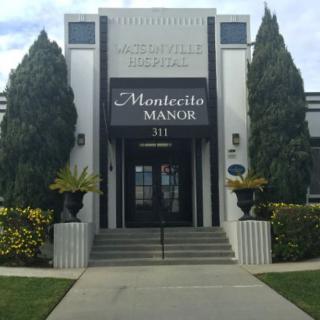
    • Montecito Manor

      Montecito Manor

      Watsonville, CA

      4.4 from 33 reviews
      $3,400 to $4,500 / month

      pro Bright, well-kept atmosphere with caring staff, diverse activities, and strong family communication.

    • Wesley House IV

      Wesley House IV

      Watsonville, CA


      pro Small, intimate 6-bed setting with 24/7 supervision and personalized ADL support.

    • Independence Square

      Independence Square

      Watsonville, CA


      pro Nearby pharmacies and physicians with 24/7 caregiver-assisted living.

    • Aegis Living Aptos

      Aegis Living Aptos

      Aptos, CA

      4.4 from 31 reviews
      $6,240 to $7,530 / month

      pro Beautiful, upscale facility with attentive staff, diverse dining, and broad amenities.

    • Dominican Oaks

      Dominican Oaks

      Santa Cruz, CA

      4.8 from 47 reviews
      $3,600 to $4,050 / month

      pro Friendly, supportive community with engaging activities and high-quality dining.

    • Alexandria Victoria

      Alexandria Victoria

      Santa Cruz, CA

      5 from 10 reviews
      $4,850 / month

      pro Excellent, caring staff in a clean, home-like setting with delicious meals.

    Related Resources

    • living will definitionComprehensive Exploration of Living Wills and Other Advance Directives

      Living wills and advance directives are crucial legal documents that outline an individual's healthcare preferences when they cannot make decisions themselves, enhancing patient autonomy and alleviating family stress during medical crises. The article emphasizes the need for these documents to be personalized, legally valid, and regularly updated, while also encouraging communication about end-of-life wishes among family members and healthcare providers.

    • living will definitionA Detailed Exploration of Living Wills and Advance Directives

      The article examines living wills and advance directives, highlighting their significance in expressing healthcare preferences for those unable to communicate due to illness or incapacity. It discusses their historical development, legal components, limitations, practical drafting advice, and the importance of clear communication among families and healthcare professionals regarding end-of-life decisions.

    • does medicare cover hospiceComprehensive Guide to Medicare Coverage for Hospice Care
      Hospice care focuses on providing comfort and support for individuals nearing the end of life, with Medicare Part A covering services like nursing care and counseling for patients with a terminal illness and a life expectancy of six months or less. While most hospice services are low-cost for eligible patients, families should be aware that certain expenses, such as room and board, may not be covered.


    Get Pricing Ask A Question Schedule A Tour Contact Senior Advisor