
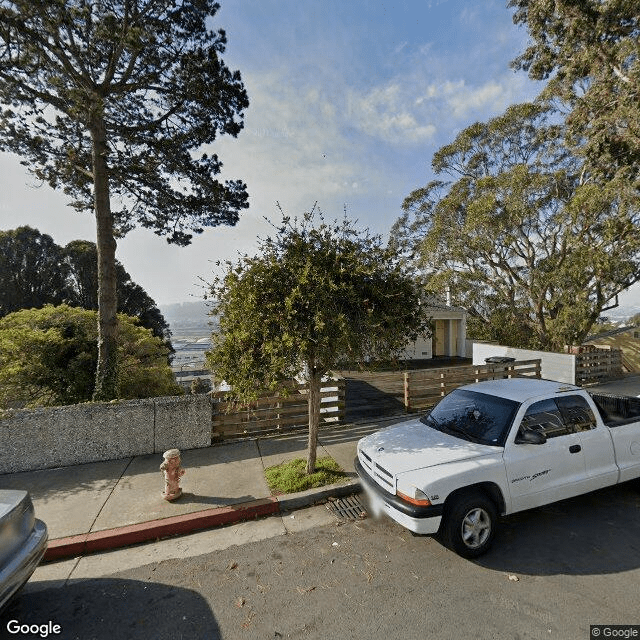
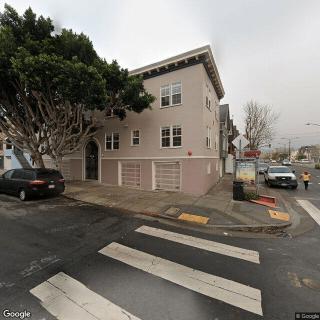
65 Navy Rd, San Francisco, CA 94124
To contact a resident: (415) 647-8439
For more information about senior living options: (866) 208-4318
Overall Review of All Hollows Garden Apartments
Pros
 The property offers income-based rent to help residents manage costs.
- The housing option recognizes and supports seniors and disabled residents.
- Affordability through income-based rent is presented as a positive feature of the community.
Cons
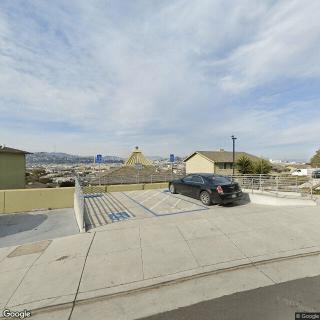
 There have been no lights in the parking area for more than four months.
- The resident reports speaking with management with no avail.
- The resident is senior and disabled and must be home before dark to avoid risking a fall.
- The situation reflects unaddressed safety hazards and poor responsiveness from management.
Review
All Hollows Garden Apartments in San Francisco is best suited for seniors and disabled residents who need affordable, income-based housing and can tolerate an aging property with limited amenities. The rent structure tied to income provides a practical lifeline in a city where prices erase budgets quickly, but it does not accompany upgraded facilities or a high-touch living environment. This community is not for those demanding modern conveniences, robust on-site services, or bright, well-maintained common areas. The value proposition rests squarely on financial accessibility rather than premium resident experience, a reality families should weigh against other options that promise more proactive upkeep.
Those who prioritize dependable safety features, consistently lit parking, prompt repairs, and responsive management would be wise to look elsewhere. If evening routines rely on clear visibility outdoors, and if maintenance requests must be resolved quickly, especially for seniors who are home after dark or who move around with mobility aids, this property may fall short. The combination of aging infrastructure and slower responsiveness can create day-to-day friction that erodes quality of life. For families evaluating housing, the critical question is whether rent relief justifies living with ongoing gaps in safety and service, or if a more service-forward option is worth pursuing.
On the upside, income-based rent is the standout pro. It lowers monthly costs in a city where fixed incomes often struggle to keep pace with market rents. That affordability can be decisive for seniors trying to remain near healthcare, family, and community resources without sacrificing financial stability. For residents comfortable with fewer bells and whistles, the lower rent preserves dignity by keeping housing within reach and reduces the stress of looming rent increases. In a tight housing market, the trade-off is often accepted when cost predictability and staying in familiar surroundings trump luxury.
Yet the downsides are real and persistent. The parking area reportedly has no lighting for months, creating a tangible safety hazard for disabled or mobility-impaired residents who must navigate at dusk or after dark. When such a basic safety feature remains out of service for an extended period, the risk of trips and falls rises, and evenings become a source of anxiety rather than routine. Compounding this is a pattern described as management unresponsiveness to concerns, which leaves residents feeling neglected rather than supported. The lived experience shifts from seeking care to waiting for attention, which undermines trust in the property’s ability to safeguard residents.
The affordability offered by an income-based lease offsets some financial risk but cannot fully compensate for safety concerns or inconsistent service. Rent relief buys time and breathing room, yet overall living quality hinges on security, maintenance speed, and clear, reliable communication, areas where resident feedback indicates weakness. For a senior who can navigate the environment with caution, and who has established in-network support, the trade-off may be tolerable. For others, the enhanced risk of dimly lit parking and slow responses can eclipse the savings, prompting a shift toward communities with stronger safety protocols and more responsive management.
In practical terms, families should conduct a rigorous cost-benefit analysis before committing. Price out the full picture: monthly rent aligned with income, utilities, and any potential adjustments, then weigh those against safety costs, transportation needs, and access to prompt maintenance. A candid tour focused on parking lot lighting, exterior pathways, and the typical response time for repairs is essential. Compare with nearby communities that maintain affordability while delivering greater safety and service. If choosing All Hollows Garden Apartments, enter with clear expectations: significant financial relief exists, but the living experience requires vigilance over safety and a willingness to tolerate slower service. The decision hinges on whether affordability and proximity to city life outweigh the core drawbacks of maintenance delays and dimly lit risk zones.
 Independent Living
 San Francisco International (8 miles away)

 Seniors and Modern Transportation: Exploring Uber, Lyft, and Other Ride-Hailing Options
 Comprehensive Guide to Qualifying for Home Health Care Services
 Powerful Realities of Elder Abuse and the Most Effective Ways to Report It