
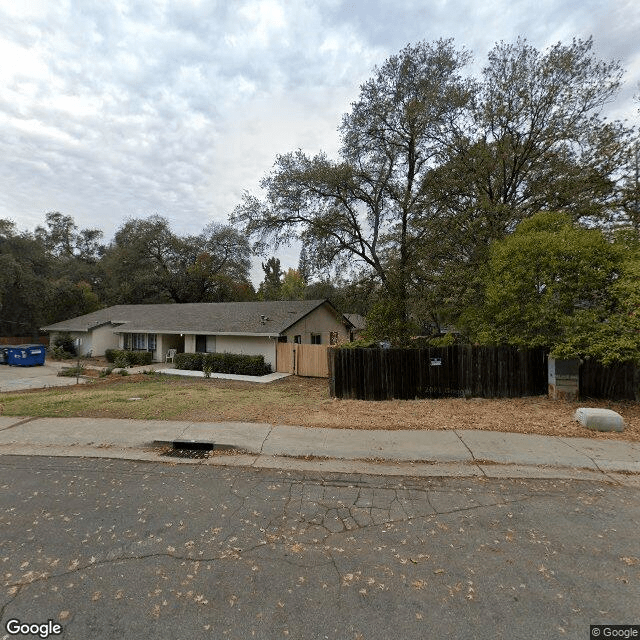
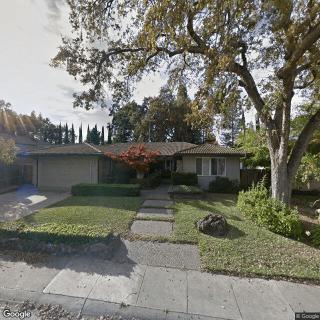
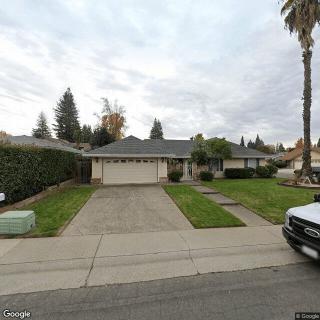
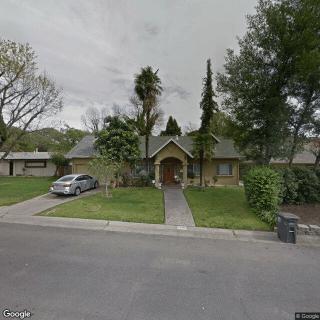
8005 Alta Vista Ln, Citrus Heights, CA 95610
To contact a resident: (916) 967-9207
For more information about senior living options: (866) 208-4318
Overall Review of President John Adams Manor
Pros
 The home is the cleanest and best.
- The staff are intelligent.
- The clients are friendly.
- The location offers endless opportunities for food and shopping.
Cons
 The neighborhood is not good, and going out at night is discouraged.
- Most group homes are in business for the money, not for the clients.
- The place is horrible.
- The manager is very rude.
- Other residents are extremely nosy and tend to snitch.
Review
President John Adams Manor in Citrus Heights appeals most to seniors who want a spotless, well-run residence with capable staff and easy access to daytime amenities. Among Sacramento-area group homes, it stands out for its cleanliness and disciplined upkeep, which matters when reliable routines, medication management, and safety monitoring are a daily expectation. The residents tend to be friendly, and staff are described as intelligent and responsive, a combination that can translate into dependable care and fewer irritants day to day. The location offers abundant daytime options for food, errands, and shopping, supporting independence and convenient trips. This is not the choice for someone seeking a quiet, drama-free rural enclave or a residence that emphasizes nightlife or a highly intimate neighborhood feel.
Yet this community is not for everyone, and families should consider alternatives if a warm, highly engaging social environment is a priority. The neighborhood itself is a concern for some, with the sense that outdoor evenings aren’t ideal and that security or comfort outside the front door isn’t optimal. Social dynamics can feel constrictive: a manager who is perceived as rude can color every interaction, and a culture where some residents are described as nosy or overly interventionist can erode privacy and independence. With seven reviews yielding an overall 2.9 rating, experiences are clearly uneven, and the gaps between strong housekeeping and weaker interpersonal management become decisive for many families.
The strongest positives, clean facilities, steady maintenance, and capable, if occasionally reserved, staff, do offset certain drawbacks, but not uniformly. Cleanliness and order reduce daily friction and health concerns, while intelligent staff can keep care plans on track and respond to issues with competence. Friendly residents add a social backbone that prevents isolation for many individuals who prefer a straightforward routine. The proximity to shopping and dining is more than convenience; it can transform a modest budget into a more active lifestyle, enabling regular outings and errands without long drives. Still, the perceived gaps in leadership demeanor and the social climate cannot be ignored, and they frequently determine whether the positives outweigh the negatives.
From a decision-making perspective, families should press for clarity on management style and resident privacy during visits. A rude or dismissive manager is more than a personality flaw; it signals potential communication gaps, inconsistent accountability, and uneven problem resolution. Privacy matters in shared spaces, and a resident culture that invites constant supervision or scrutiny undermines autonomy. Prospective residents should ask exact questions about guest policies, outing rules, safety features, and how conflicts are resolved on a typical day. Observing interactions during a tour, and probing how staff handle pressure during peak activity times, can reveal whether the environment supports dignity alongside routine care.
In practical terms, this facility makes sense for households that prize a clean, orderly base with reliable oversight and are comfortable with a more reserved social milieu. Those who crave a warmer, more engaged community with consistently courteous leadership and a neighborly vibe should examine other options. Alternatives with stronger programming, friendlier management, and a calmer neighborhood footprint may deliver a more satisfying address for long-term independence and social fulfillment. The decision hinges on whether the core strengths, cleanliness, staff competence, and amenity-rich surroundings, can be traded up against a social climate and leadership style that align with the senior’s personality and safety expectations.
Bottom line: President John Adams Manor delivers a practical, maintenance-forward living environment with dependable staff and convenient daytime access to services. Its drawbacks, the perceived rudeness of management, intrusive social dynamics, and a less than ideal neighborhood context, limit its appeal for residents who value a warmer community and a consistently respectful leadership approach. For families prioritizing order and day-to-day reliability, it can be a solid option, provided a thorough vetting confirms that the social atmosphere and management tone will not erode autonomy over time. Those seeking richer community engagement, stronger evening safety, or a more affable manager should look to alternatives that foreground interpersonal warmth and neighborhood security.
 Independent Living
 Sacramento International (18 miles away)

 A Detailed Exploration of Living Wills and Advance Directives
 Comprehensive Guide to Medicare Coverage for Hospice Care
 Caring for Those Who Care: Recognizing, Understanding, and Overcoming Caregiver Burnout