Manorcare Health Services (Citrus Heights) in Citrus Heights, CA

Save

  • Interior

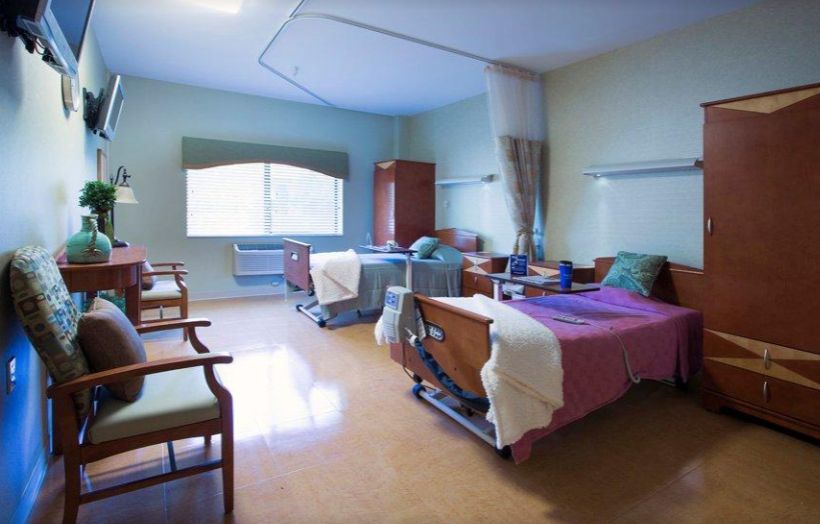
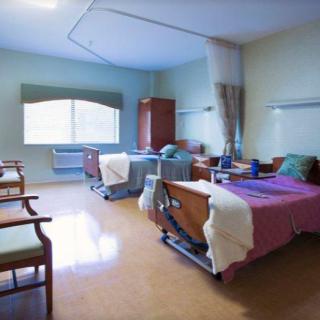
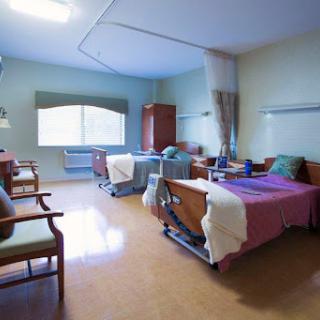
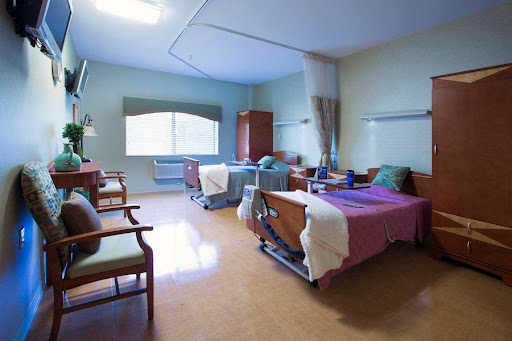
    A hospital room with two patient beds and chairs, designed for medical care.
  • Outdoors

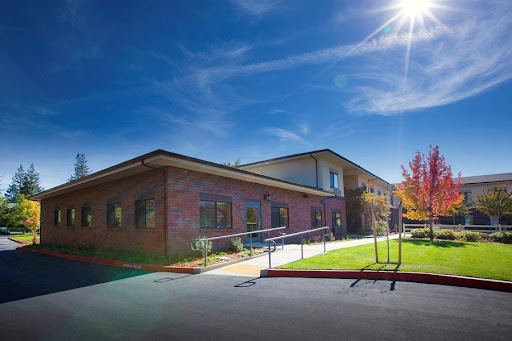
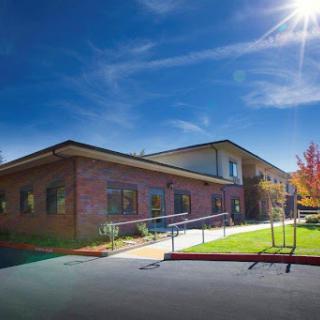
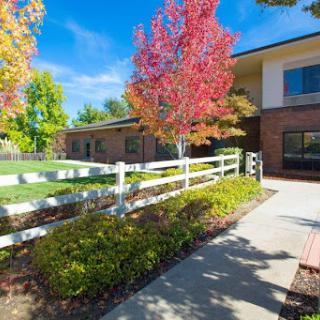
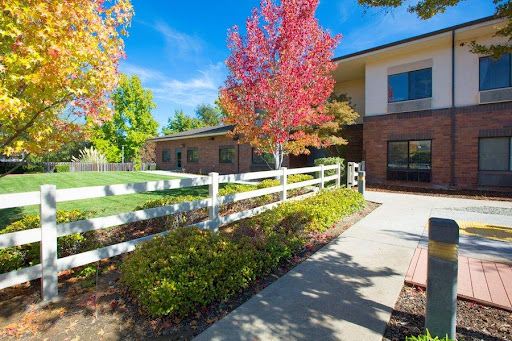
    A modern brick building basking in sunlight, surrounded by green grass and a clear blue sky.
  • Decor

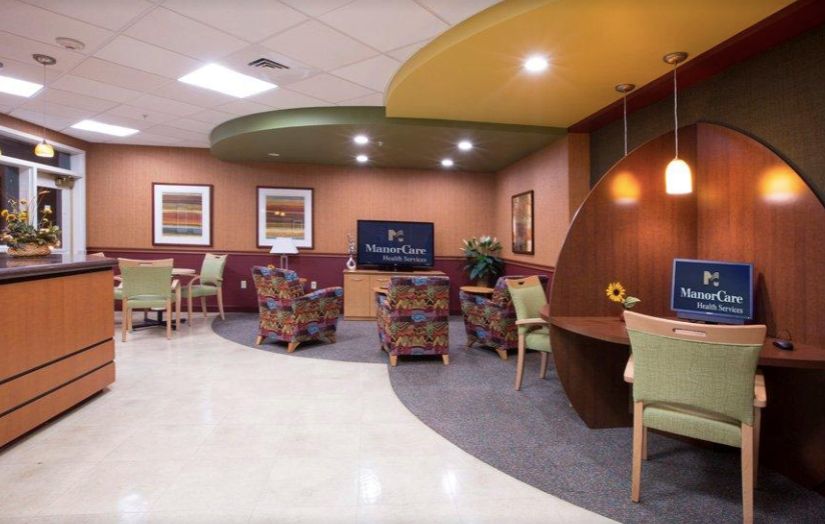
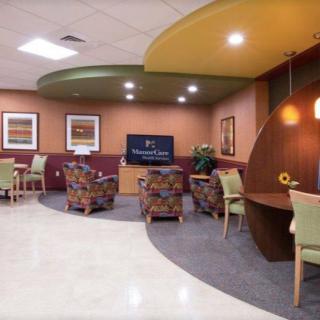
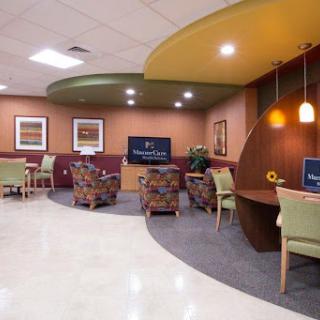
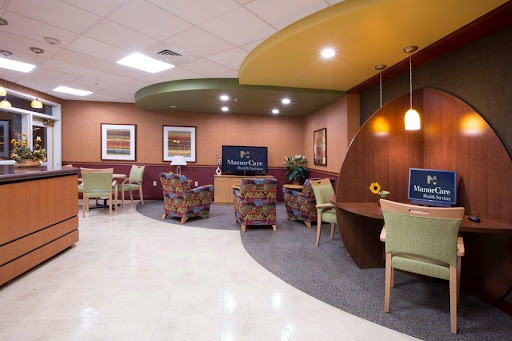
    A modern waiting room with comfortable seating and vibrant decor.
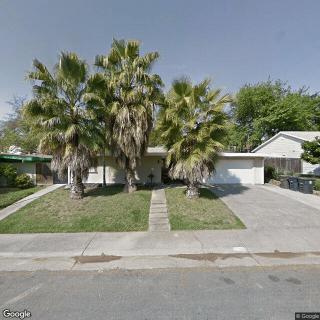
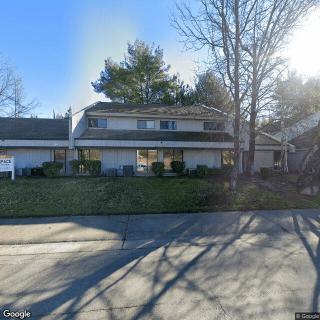
  • Building

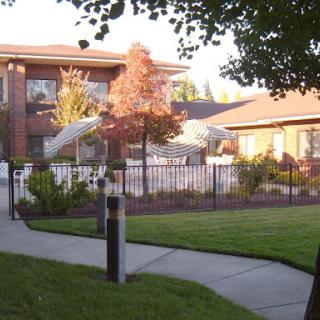
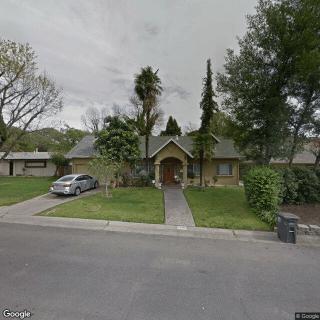
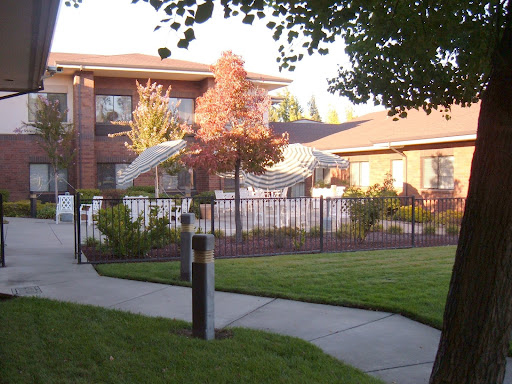
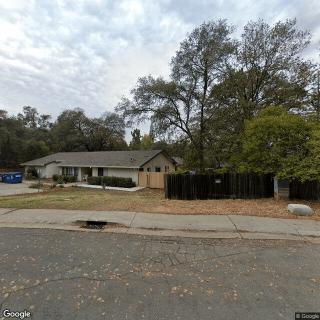
    A well-maintained residential area featuring a building surrounded by greenery and a pathway.
  • Trees

    A picturesque autumn scene featuring a charming house surrounded by colorful trees and a white fence.
  • Windows

    A well-lit and clean hospital patient room featuring two beds and seating.
  • Landscaping

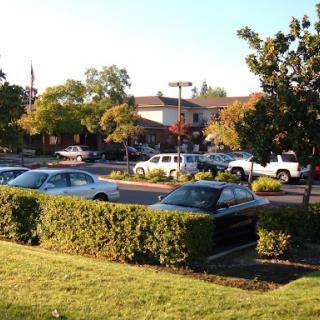
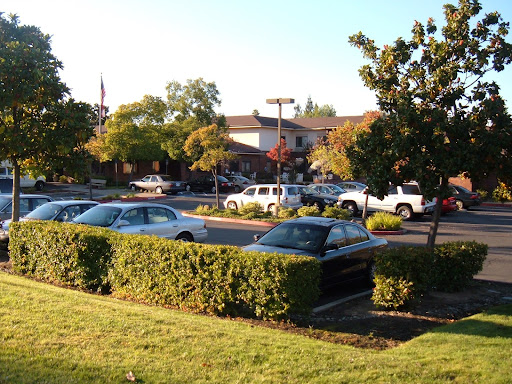
    A view of a parking lot surrounded by greenery and a building in the background.
  • Lighting

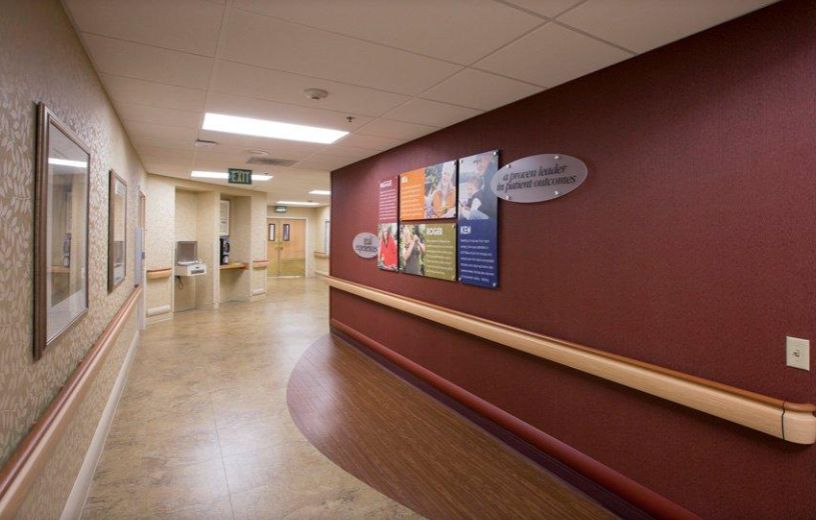
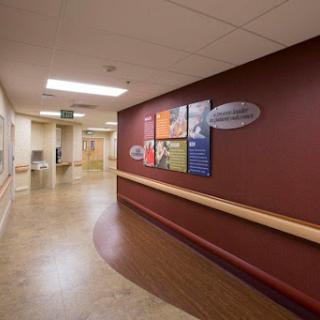
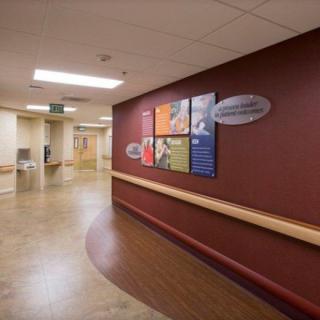
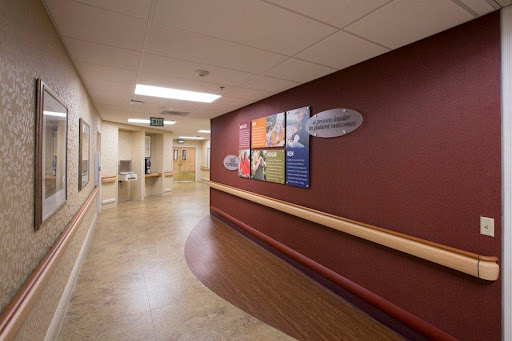
    A well-lit hospital hallway featuring colorful informational posters on the wall.
  • Artwork

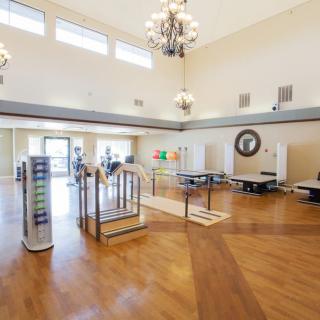
    A modern and inviting healthcare waiting area designed for patient comfort.
  • Hallway

    A hospital hallway with informational signs on the wall.
  • Healthcare

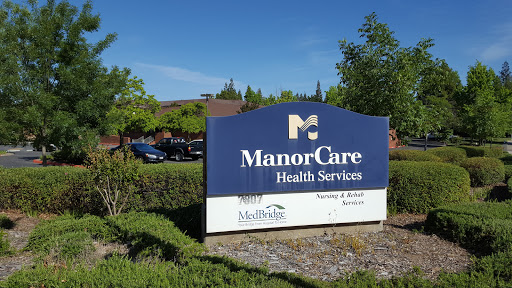
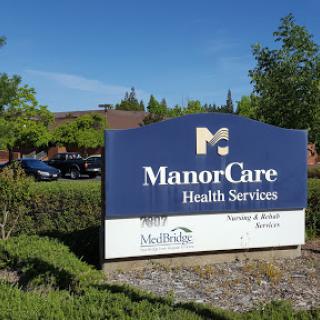
    A sign for ManorCare Health Services, indicating the location of a healthcare facility.
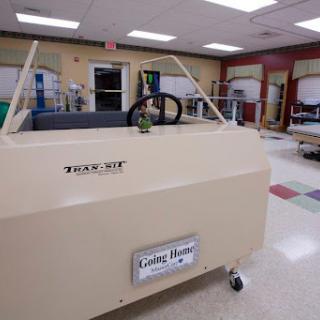
  • Rehabilitation

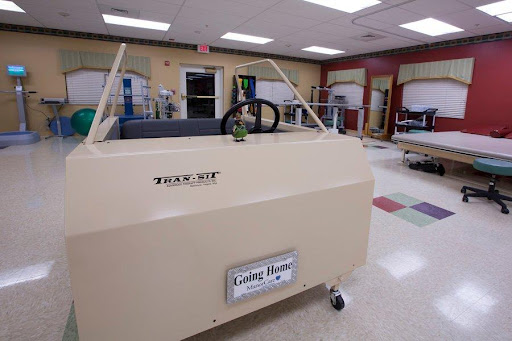
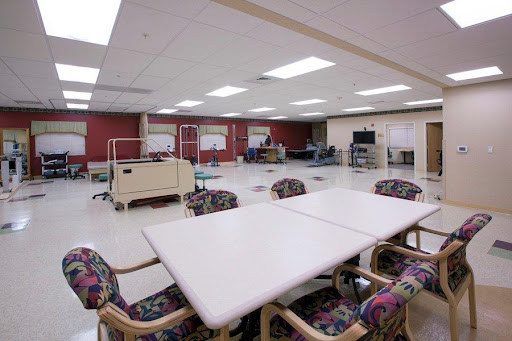
    A specialized therapy vehicle designed for rehabilitation purposes in a medical setting.

Manorcare Health Services (Citrus Heights) in Citrus Heights, CA

Information last verified:

7807 Uplands Way, Citrus Heights, CA 95610

For more information about senior living options: (844) 490-3973

2.8 from 78 reviews
5 stars
19
4 stars
15
3 stars
5
2 stars
8
1 stars
31

Overall Review of Manorcare Health Services (Citrus Heights)

Pros

  • pro The nursing staff is lovely and caring.
  • pro The staff cares about the residents and Dr. G is excellent.
  • pro ManorCare is the best choice for physical rehab in Sacramento County.
  • pro The facility is clean and nicely decorated.
  • pro The physical therapy staff are amazingly skilled and helped my dad walk again.
  • pro The nursing care is great and the CNAs work hard to keep patients comfortable.
  • pro Vida, the speech therapist, motivated him and connected with him.
  • pro Shannon in admissions helped get my dad admitted quickly.

Cons

  • pro They describe it as the worst senior care facility, with no follow-up and no therapy as prescribed.
  • pro They report being called at 2am to say a family member hadn’t had a bowel movement or had Covid, with doctor callbacks never returned.
  • pro They note they weren’t called when their relative was transferred to the hospital; the hospital had to contact them days later with no information on the patient’s condition.
  • pro They witnessed a patient in a wheelchair bleeding in the hallway with no attendant to treat them.
  • pro They accuse the receptionist of being on her iPhone during visits and telling complainants that it isn’t her problem and to leave.
  • pro They say the facility shows a lack of understanding, responsibility, physical therapy, and communication, leaving them very dissatisfied.
  • pro They describe the staff as lazy and rude, with residents left in feces or urine and call buttons removed to avoid disturbances.
  • pro They urge others to find a different facility, calling ManorCare Citrus Heights awful and sometimes giving it 0 stars.
  • pro They recount delayed or missing medications and basic needs (water, pain meds), with staff slow to respond to call lights.
  • pro They describe a death-related issue where refunds or pro-rated payments were not handled properly, accompanied by rude treatment during the inquiry.
  • pro They cite numerous examples of neglect and poor discharge planning, including failure to deliver a cane and to prepare the patient for going home.

Review

ManorCare Health Services-Citrus Heights is best suited for seniors whose primary goal is short-term rehabilitation and a clear path back to independence, provided a family can stay actively involved to safeguard consistency of care. The campus presents a robust rehabilitation framework with multiple therapy rooms and a therapy-driven culture, where skilled physical and occupational therapists drive structured progress plans. When recovery hinges on getting a resident moving again and returning home, this community can deliver meaningful gains and a well-organized routine that supports that objective. The caveat is that sustained success depends on steady staffing, timely medical follow-through, and dependable communication, variables that do not always align across all shifts or days.

Those weighing alternatives should note that this facility may not meet expectations for non-recovering or highly medically complex populations. Numerous reviews flag gaps in doctor communication, delays in responding to call lights, and lapses in pain management or medication delivery. Families contending with fragile health, memory care needs, or conditions requiring constant medical oversight could encounter unacceptable gaps unless a vigilant, persistent advocate is in place to press for timely physician input, prompt treatments, and clear escalation paths. For seniors who require around-the-clock nursing supervision or a consistently proactive care culture, other options with stronger nurse-to-patient ratios and more uniform service levels deserve consideration.

What the community does well centers on the rehabilitation pipeline and the human moments that accompany it. The physical therapy and occupational therapy teams are frequently praised for their skill, motivation, and ability to translate effort into real functional gains, often moving patients from bed-bound positions toward walking or meaningful daily activity. Cleanliness, organized spaces, and the availability of family-friendly areas add to a recovery-focused atmosphere that supports engagement and morale. These advantages matter greatly because they can offset some daily irritants when a clear rehab trajectory is in place and family members witness tangible progress. Yet, the upside is unevenly distributed; the negative experiences tied to care gaps can erase the sense of progress for families that encounter them.

From a practical standpoint, prospective residents should demand a concrete care plan with names and duties assigned, plus a documented process for doctor visits and medication management. Tours should be used to judge not only cleanliness and ambiance but responsiveness: how quickly call bells are answered, how often staff are seen on the floor, and whether pain relief or hydration needs are being met in a timely fashion. In addition, scrutiny of memory-care options, staff consistency, and night-shift coverage is essential. Families should request recent quality-improvement records and testimonials about corrective actions after incidents, and plan to observe the facility at various times to gauge how the environment holds up under pressure. These steps help separate days with solid care from days when systems feel overwhelmed.

The service narrative at ManorCare is a study in contrasts. On one hand, examples abound of compassionate, capable staff who form meaningful connections with residents, and who inspire confidence during critical recovery windows. On the other hand, stories of neglected call bells, delayed medications, and the perception that administrative personnel can be brusque or dismissive persist. The most compelling verdict emerges when a resident benefits from a cohesive, communicative team, therapists, nurses, and administrative staff aligned around a single rehabilitation objective. In those moments, families report noticeable improvements in mobility and mood, a sense of safety, and a conditioned optimism about discharge. But when care coordination frays, the same facility becomes a source of anxiety and second-guessing that undermines the rehabilitation gains.

Bottom line: ManorCare Citrus Heights can be a strong choice for rehabilitation-focused families who are prepared to supervise care closely and insist on precise expectations. It is not a universal fit, and the facility demands proactive involvement, explicit care plans, and ongoing oversight to prevent gaps that jeopardize safety and recovery. For families prioritizing mobility and post-acute recovery within a resource-rich environment, this community warrants careful consideration, provided a robust plan is in place to secure timely doctor involvement, reliable pain and medication management, and consistent communication. If those guarantees cannot be secured, exploring alternatives with a more consistently responsive nursing and medical team is prudent to avoid the kind of experiences that leave families questioning the very foundation of care.

Features

Housing

  • 162 resident community capacity 162 resident community capacity

Types of Care

  • Skilled Nursing Facility Skilled Nursing FacilitySkilled Nursing Facilities are crucial for seniors as they provide round-the-clock medical care, rehabilitation services, and assistance with daily activities. These facilities ensure that seniors receive the specialized care they need to maintain their health and well-being as they age.

Amenities

  • Air-conditioning Air-conditioningAir conditioning is important for seniors as they are more vulnerable to heat-related illnesses and may have underlying health conditions that make it difficult for them to regulate their body temperature. It helps to keep them comfortable, safe, and healthy in hot weather.
  • Beauty salon Beauty salonBeauty salons are important for seniors because they provide a space for them to feel pampered, socialize, and maintain their personal grooming and hygiene. Regular visits to a beauty salon can help boost seniors' self-esteem and overall well-being.
  • Cable or satellite TV Cable or satellite TVCable or satellite TV is important for seniors because it provides entertainment, news, and companionship, helping to combat loneliness and boredom. It also offers a wide range of programming options tailored to different interests and preferences.
  • Computer center Computer centerA computer center is essential for seniors as it provides access to technology, communication tools, and resources that can enhance their daily lives. It allows them to stay connected with loved ones, engage in online activities, and learn new skills, ultimately promoting socialization and mental stimulation.
  • Dining room Dining roomDining rooms are important for seniors as they provide a space for socialization, connection, and nutritious meals. They offer opportunities for residents to bond over shared meals, foster a sense of community, and promote healthy eating habits. Dining rooms also ensure that seniors have access to well-balanced meals tailored to their dietary needs and preferences.
  • Fitness room Fitness roomHaving a fitness room in a senior living community is essential for seniors to stay active, maintain their physical health, and improve their overall well-being. Regular exercise can help prevent falls, reduce the risk of chronic diseases, and promote mental sharpness. It also provides social opportunities for residents to connect with others and enjoy a sense of community.
  • Fully furnished Fully furnishedFully furnished senior living communities are important for seniors because they provide convenience, comfort, and a hassle-free moving experience. Seniors can easily settle into their new living space without the stress of having to buy and move furniture. This allows them to focus on enjoying their new home and community.
  • Gaming room Gaming roomGaming rooms are important for seniors as they provide a fun and engaging environment for socializing, cognitive stimulation, and physical activity. Games can improve memory, problem-solving skills, and overall mental well-being while fostering friendships and reducing feelings of isolation.
  • Garden GardenGardens are important for seniors as they provide a peaceful and therapeutic environment for relaxation, physical activity, and socialization. Being in nature has been shown to reduce stress, improve mood, and promote overall well-being. Gardens also offer opportunities for seniors to engage in gardening activities, which can improve mobility, flexibility, and cognitive function. Additionally, gardens create a sense of community and connection with others who share a passion for plants and outdoor spaces.
  • Housekeeping services Housekeeping servicesHousekeeping services are important for seniors because they help maintain a clean and safe living environment, promote independence, and reduce the risk of accidents or illnesses. Additionally, having assistance with household chores can alleviate physical strain and allow seniors to focus on other aspects of their well-being.
  • Kitchenette KitchenetteKitchenettes are important for seniors living in senior living communities because they provide the convenience and independence of being able to prepare simple meals and snacks in the comfort of their own living space. This can help promote a sense of autonomy and well-being for seniors, allowing them to maintain some level of control over their dietary choices and daily routines.
  • Move-in coordination Move-in coordinationMove-in coordination is important for seniors because it helps ease the transition into their new living environment. It ensures that all logistics, such as packing, organizing movers, and setting up utilities are taken care of, allowing seniors to focus on settling in and adjusting to their new home. Having a smooth move-in process can alleviate stress and anxiety, making the transition smoother and more enjoyable for seniors.
  • Outdoor space Outdoor spaceOutdoor spaces are important for seniors as they provide opportunities for physical activity, social interaction, exposure to natural light and fresh air, and a sense of connection to nature. Having access to outdoor spaces can improve overall well-being and quality of life for older adults living in senior communities.
  • Private bathrooms Private bathroomsPrivate bathrooms are important for seniors in senior living communities because they provide independence, dignity, and comfort. Having a private bathroom allows seniors to maintain their personal hygiene routines without the need for assistance, promoting a sense of autonomy and privacy. Additionally, private bathrooms help prevent the spread of infections and provide a safe and clean environment for seniors to navigate safely.
  • Restaurant-style dining Restaurant-style diningRestaurant-style dining is important for seniors because it allows them to enjoy delicious, nutritious meals in a social and upscale setting. This enhances their dining experience, promotes healthy eating habits, and fosters socialization with fellow residents, ultimately contributing to their overall well-being and quality of life.
  • Small library Small librarySmall libraries are important for seniors as they provide access to a variety of reading materials, including books, newspapers, and magazines. This can help stimulate their minds, keep them engaged, and provide a sense of community through book clubs and other social activities. Additionally, reading has been shown to improve cognitive function and overall mental well-being in older adults.
  • Telephone TelephoneTelephones are important for seniors as they provide a lifeline for communication with loved ones, emergency services, and healthcare providers. They offer a sense of security and independence, enabling seniors to stay connected and access assistance when needed.
  • Wellness center Wellness centerWellness centers are important for seniors because they offer a variety of programs and services that promote physical, mental, and emotional well-being. These centers provide opportunities for exercise, socialization, education, and relaxation, helping seniors maintain their overall health and quality of life.
  • Wi-Fi/high-speed internet available Wi-Fi/high-speed internet availableWi-Fi/high-speed internet is important for seniors to stay connected with loved ones, access online resources, and participate in virtual activities to combat feelings of loneliness and isolation. It also allows them to easily manage healthcare needs, access entertainment, and engage in lifelong learning opportunities.

Transportation

  • Sacramento International (17 miles away) Sacramento International (17 miles away)
  • Community operated transportation Community operated transportationCommunity operated transportation is crucial for seniors as it provides them with the means to access essential services, social activities, and medical appointments. It allows seniors to maintain their independence and quality of life by ensuring they can participate in activities outside of their homes. Additionally, community-operated transportation services offer a safe and reliable way for seniors to travel without having to rely on family or friends for assistance.
  • Transportation arrangement Transportation arrangementTransportation arrangements are crucial for seniors as they may face challenges with driving, mobility, or access to public transportation. Having reliable transportation services ensures that seniors can easily attend appointments, social activities, and maintain their independence and quality of life.
  • Transportation arrangement (non-medical) Transportation arrangement (non-medical)Transportation arrangements are essential for seniors as they provide access to essential services, activities, and social interactions outside the home. This service helps maintain independence, mobility, and overall well-being for seniors who may have limited transportation options.
  • Transportation to doctors appointments Transportation to doctors appointmentsTransportation to doctors appointments is crucial for seniors as it ensures they have access to necessary medical care and support, promoting their health and well-being. It allows them to receive timely treatment, monitor existing conditions, and address any new health concerns efficiently. Additionally, transportation services can help seniors maintain their independence and quality of life by enabling them to stay connected with their healthcare providers.

Care Services

  • 12-16 hour nursing 12-16 hour nursing12-16 hour nursing care is crucial for seniors in order to ensure around-the-clock monitoring, timely medication administration, and prompt response to any health concerns or emergencies. This level of care helps to promote the overall well-being and safety of seniors living in senior living communities.
  • 24-hour call system 24-hour call system24-hour call systems are important for seniors because they provide peace of mind and immediate assistance in case of emergencies. This technology ensures that help is always available, promoting safety and security for elderly individuals living alone or in assisted living facilities.
  • 24-hour supervision 24-hour supervision24-hour supervision is important for seniors to ensure their safety, well-being, and access to immediate assistance in case of emergencies or health issues. This constant support provides peace of mind for both seniors and their loved ones, allowing them to age in place with dignity and security.
  • Activities of daily living assistance Activities of daily living assistanceActivities of daily living assistance are important for seniors because they provide essential support with tasks such as eating, bathing, dressing, and mobility. This assistance helps seniors maintain their independence, dignity, and overall quality of life as they age.
  • Assistance with bathing Assistance with bathingAssistance with bathing is crucial for seniors as it helps maintain personal hygiene, prevents infections, and ensures their overall well-being and comfort. It also provides a sense of dignity and independence for seniors who may struggle with this task on their own.
  • Assistance with dressing Assistance with dressingAssistance with dressing is important for seniors because it helps maintain their independence, promotes personal hygiene, prevents accidents and injuries, and improves overall quality of life. This service ensures that seniors can continue to dress comfortably and confidently, despite any physical limitations they may have.
  • Assistance with transfers Assistance with transfersAssistance with transfers is crucial for seniors as it helps prevent falls and injuries, maintains their independence, and ensures they can safely navigate their living environment. It also provides peace of mind for both seniors and their loved ones.
  • Diabetes diet Diabetes dietA diabetes diet is crucial for seniors as it helps manage blood sugar levels, reduce risks of complications, and improve overall health and well-being. By following a balanced and nutritious diet tailored to their specific needs, seniors can better control their diabetes and enhance their quality of life.
  • Meal preparation and service Meal preparation and serviceMeal preparation and service are crucial for seniors as they may have limited mobility or energy to cook nutritious meals. Having access to healthy and convenient food options can ensure they are getting the proper nutrition needed to maintain their overall health and well-being.
  • Medication management Medication managementMedication management is crucial for seniors to ensure they are taking the right medications at the correct dosages and times. This helps prevent adverse drug interactions, reduces the risk of medication errors, and promotes overall health and well-being. Proactive management also allows for adjustments as needed based on changing health conditions or new prescriptions.
  • Mental wellness program Mental wellness programMental wellness programs are essential for seniors as they promote cognitive stimulation, emotional support, and social engagement. These programs help prevent isolation, depression, and cognitive decline, ultimately enhancing the overall quality of life for older adults.
  • Special dietary restrictions Special dietary restrictionsSpecial dietary restrictions are important for seniors because age-related changes in metabolism and health conditions can make it difficult for their bodies to process certain foods. By following a diet tailored to their specific needs, seniors can maintain their overall health and well-being, manage chronic conditions, and reduce the risk of complications such as malnutrition or food interactions with medications.

Dining

  • Diabetes diet Diabetes dietA diabetes diet is crucial for seniors as it helps manage blood sugar levels, reduce risks of complications, and improve overall health and well-being. By following a balanced and nutritious diet tailored to their specific needs, seniors can better control their diabetes and enhance their quality of life.
  • Special dietary restrictions Special dietary restrictionsSpecial dietary restrictions are important for seniors because age-related changes in metabolism and health conditions can make it difficult for their bodies to process certain foods. By following a diet tailored to their specific needs, seniors can maintain their overall health and well-being, manage chronic conditions, and reduce the risk of complications such as malnutrition or food interactions with medications.

Activities

  • Community-sponsored activities Community-sponsored activitiesCommunity-sponsored activities are important for seniors as they provide opportunities for social interaction, mental stimulation, and physical activity. These activities can help improve overall well-being, combat loneliness and isolation, and promote a sense of belonging and purpose among older adults.
  • Concierge services Concierge servicesConcierge services are essential for seniors as they provide assistance with daily tasks and errands, enhance their quality of life by offering convenience and personalized care, and promote a sense of safety and security.
  • Fitness programs Fitness programsFitness programs are crucial for seniors as they help improve strength, flexibility, balance, and overall well-being. Staying active can reduce the risk of chronic diseases, improve mental health, and enhance quality of life in older adults.
  • Planned day trips Planned day tripsPlanned day trips are important for seniors because they offer opportunities for socialization, mental stimulation, and physical activity. They provide a change of scenery and help seniors stay engaged and connected to their community, promoting overall well-being and quality of life.
  • Resident-run activities Resident-run activitiesResident-run activities are important for seniors as they encourage social interaction, creativity, and a sense of autonomy. These activities empower seniors to stay engaged and active in their community while fostering meaningful connections with their peers.
  • Scheduled daily activities Scheduled daily activitiesScheduled daily activities are important for seniors because they provide structure, socialization, mental stimulation, and physical activity. Engaging in regular activities can improve overall well-being and quality of life for seniors living in a community setting.

Description

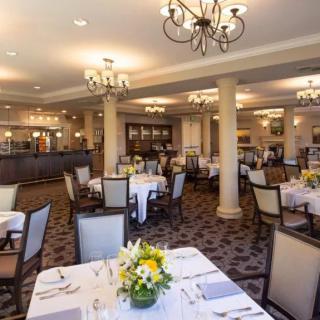
Manorcare Health Services in Citrus Heights, CA is a charming assisted living community that offers a wide range of amenities and care services to ensure the comfort and well-being of its residents. The community features a beauty salon where residents can indulge in pampering treatments, as well as cable or satellite TV in each room for entertainment. Community operated transportation is available to help residents get around town, and there is also a computer center for those who want to stay connected.

Meals are served in a spacious dining room with restaurant-style dining, offering delicious and nutritious options prepared by the community's skilled culinary team. Residents can also enjoy their meals in the outdoor space or have access to a kitchenette if they prefer to prepare their own meals.

There are plenty of opportunities for socializing and staying active within the community. A fitness room is available for exercise enthusiasts, as well as gaming and small library rooms for leisure activities. Planned day trips and resident-run activities are organized regularly, ensuring that there is always something fun happening.

Residents can rest easy knowing that 24-hour call system and supervision are provided, along with assistance with daily activities such as bathing, dressing, and transfers. Medication management is also available to ensure that residents receive the proper medications at the right times. Special dietary restrictions and diabetes diets are accommodated, promoting overall wellness.

The location of Manorcare Health Services offers convenience with several nearby amenities. There are numerous cafes, parks, pharmacies, physicians' offices, restaurants, places of worship, theaters, and hospitals all within close proximity.

Overall, Manorcare Health Services in Citrus Heights provides a warm and inviting environment where seniors can receive personalized care while enjoying an active lifestyle surrounded by beautiful gardens and excellent amenities.

Nearby Places of Interest

Restaurants

  • El Tapatio (0.2 miles)
  • Raising Cane's Chicken Fingers (0.7 miles)
  • Wendy's (0.9 miles)
  • McDonald's (0.9 miles)
  • Chick-Fil-A (3.5 miles)
  • McDonald's (3.6 miles)
  • In-N-Out Burger (3.7 miles)

Pharmacies

  • Rite Aid (0.2 miles)
  • Sunrise Village (0.2 miles)
  • Walgreens (0.7 miles)
  • CVS Pharmacy (1.1 miles)
  • CVS Pharmacy (1.7 miles)
  • Walgreens (2 miles)
  • Rite Aid (2.3 miles)

Physicians

  • UC Davis Medical Group (0.7 miles)
  • Mercy San Juan Hospital (2.1 miles)
  • EYEcenter Optometric (3.1 miles)
  • Dr. Randolph Brown (3.1 miles)
  • Debruin Medical Center (3.8 miles)
  • Linder Psychiatric Group (5.2 miles)
  • Mary Jammal MD (5.5 miles)

Cafes

  • Dutch Bros Coffee (0.9 miles)
  • Starbucks (1 miles)
  • Starbucks (1.8 miles)
  • Starbucks (2 miles)
  • Starbucks (2.9 miles)
  • Starbucks (4 miles)
  • Starbucks (4.4 miles)

Places of Worship

  • St Mel's Catholic Church (1.1 miles)
  • Crossroads Christian Fellowship Wesleyan Church (1.8 miles)
  • SDA Ukrainian Church (1.8 miles)
  • Slavic SDA Church (5.3 miles)

Hospitals

  • San Juan Surgery Center (1.8 miles)
  • Walnut Whitney (4.7 miles)
  • Kaiser Permanente Hospital (5.6 miles)
  • Yuan Franklin E MD - Kaiser Permanente Medical Group (5.6 miles)
  • Kaiser Permanente Labor and Delivery (5.7 miles)

Parks

  • Sacramento Bar (2.2 miles)
  • Sunrise Area American River Parkway (2.5 miles)
  • Nimbus Flat (3.9 miles)
  • Carmichael Park (4 miles)
  • Effie Yeaw Nature Center (4 miles)
  • Ancil Hoffman Park (4.5 miles)
  • Negro Bar State Park (4.6 miles)

Theaters

  • Century Theatre (3.4 miles)
  • Folsom Century Theaters (4.9 miles)

Transportation

  • Roseville Amtrak (5.7 miles)

Frequently Asked Questions

Where is Manorcare Health Services (Citrus Heights)?
What photos are available for Manorcare Health Services (Citrus Heights) in Citrus Heights, California?

Nearby Communities

  • Heritage Care Home

    Heritage Care Home

    Citrus Heights, CA

    4.6 from 60 reviews
     

    pro Convenient location with abundant nearby amenities and personalized care.

  • Popo's Place

    Popo's Place

    Citrus Heights, CA


    pro Small, intimate 6-bed setting with personalized care and comprehensive daily support.

  • President John Adams Manor

    President John Adams Manor

    Citrus Heights, CA

    2.9 from 7 reviews
     

    pro Strong nearby amenities including cafes, parks, pharmacies, restaurants, places of worship, theaters, and a hospital.

  • Senior Helpers of Fair Oaks

    Senior Helpers of Fair Oaks

    Fair Oaks, CA

    4.7 from 43 reviews
     

    pro Compassionate, attentive caregivers with responsive communication and flexible OT/PT options.

  • Wavertree Ranch

    Wavertree Ranch

    Citrus Heights, CA


    pro Comprehensive assisted living with 24/7 supervision, ADL support, meal service, diabetes-friendly dining, and move-in coordination.

  • Wavertree Ranch,  LLC

    Wavertree Ranch, LLC

    Citrus Heights, CA

    5 from 1 review
     

    pro Small, home-like setting with attentive staff and engaging activities.

  • Oakmont of Fair Oaks

    Oakmont of Fair Oaks

    Fair Oaks, CA

    4.4 from 105 reviews
    $4,195 to $8,495 / month

    pro Caring staff in a well-maintained, amenity-rich setting with engaging activities.

  • Citrus Crest Care Home

    Citrus Crest Care Home

    Citrus Heights, CA

     
    $2,500 to $4,200 / month

    pro Small, intimate setting with personalized care and affordable rates.

  • Pine Creek Care Center

    Pine Creek Care Center

    Roseville, CA

    4.1 from 112 reviews
     

    pro Caring staff and effective rehab services.

Related Resources

  • caring for elderly parentsNurturing Our Elders: Linda's Journey of Supporting Her Mother

    Linda's caregiving journey for her elderly mother, Joan, is marked by deep love and challenges as she navigates health changes, emotional support, and practical arrangements while learning to prioritize self-care and utilize community resources. Their evolving relationship highlights resilience and the universal themes of empathy and preparedness in caregiver experiences.

  • obtaining power of attorney without consentA Comprehensive Exploration of Common Misunderstandings about Powers of Attorney

    The article clarifies common misconceptions about Powers of Attorney (POA), highlighting the necessity of the principal's consent, the limitations on an agent's authority, and the importance of mental capacity when signing. It also distinguishes between various types of POAs, addresses concerns about potential abuse, and emphasizes the need for legal consultation to ensure valid and up-to-date documents.

  • senior move managementSenior Move Management: Understanding the Role, Value, and Associated Costs
    Senior move management provides specialized support for older adults relocating by assisting with logistics, emotional challenges, and downsizing decisions to ensure a smooth transition to new living environments. These services address the unique needs of seniors and have become increasingly important as baby boomers retire and seek to downsize.