
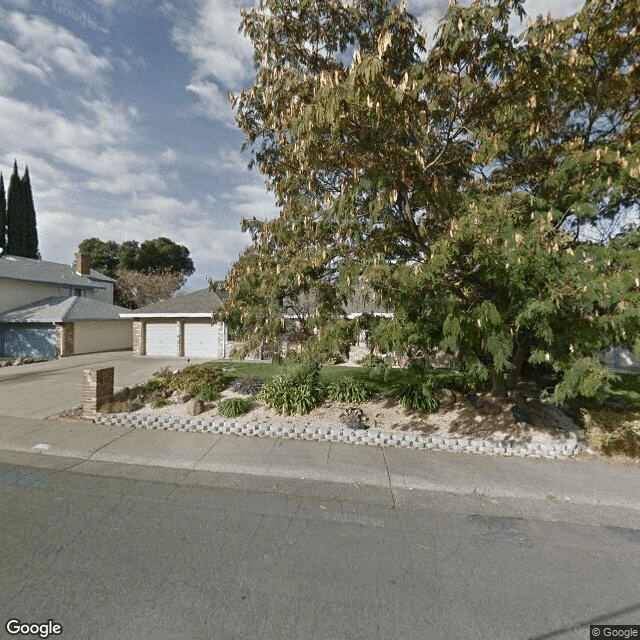
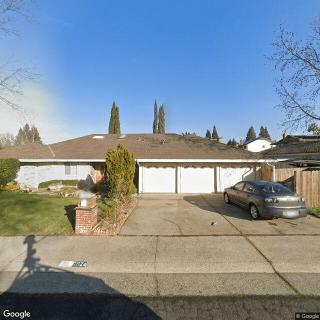
8157 Walnut Hills Way, Fair Oaks, CA 95628
For more information about senior living options: (866) 208-4318
Danubius Home Care 2 Costs & Pricing
Danubius Home Care 2 offers competitive pricing for its residential care services, with semi-private rooms priced at $3,500 per month and private rooms at $4,900. In comparison to the average costs in Sacramento County, which are $3,106 for semi-private and $3,686 for private accommodations, Danubius positions itself at a higher price point. Similarly, when looking at state averages across California - $3,333 for semi-private and $3,939 for private - the facility's rates reflect an emphasis on specialized care or additional amenities that may justify the premium. Overall, while Danubius Home Care 2 is slightly above local and state averages, prospective residents might find value in the quality of services offered.
| Floor plans | Danubius Home Care 2 | Sacramento County | California |
|---|---|---|---|
| Semi-Private | $3,500 | $3,106 | $3,333 |
| Private | $4,900 | $3,686 | $3,939 |
Assisted Living communities with a similar price nearby
-
from -$500 / mo
Afable Care Home
$3,000 to $3,500 / month6.9 miles away -
from +$650 / mo
Ferrari
$4,150 to $5,500 / month13.2 miles away -
from -$500 / mo
Love & Care for Elder
$3,000 to $4,500 / month5.1 miles away -
from -$495 / mo

Hear Seniors
$3,005 to $3,870 / month6.1 miles away -
from +$500 / mo
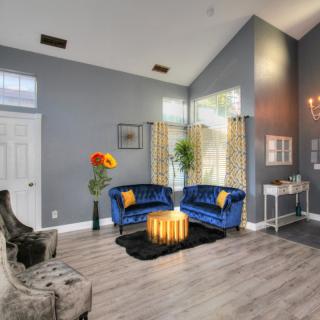
A Bright Future
$4,000 / month6.9 miles away
Overall Review of Danubius Home Care 2
Pros
 They are absolutely wonderful.
- They are currently caring for the reviewer’s 88-year-old mother.
- The reviewer feels fortunate to have found them.
- They treat the mom with compassion and respect.
- They work tirelessly to keep her comfortable.
- They help her live life.
- They support her in dealing with Alzheimer's.
Review
Danubius Home Care 2 in Fair Oaks, California is best suited for families seeking intimate, home-like dementia support for an elderly loved one who wants to stay comfortable and engaged in familiar surroundings. The available evidence portrays a model centered on personal attention, dignity, and everyday well-being rather than a clinical or institutional feel. It is especially appropriate for families who value a warm, compassionate approach and want their loved one to receive care that prioritizes quality of life over sheer medical oversight. In short, this community is a strong fit when the goal is compassionate, Alzheimer’s-aware care delivered in a home-like setting.
The standout strengths are clear in the testimony: staff are described as absolutely wonderful, treating an 88-year-old mother with compassion and respect. The care focuses on keeping the resident comfortable, helping her live life, and supporting her as she navigates Alzheimer's. The reviewer emphasizes a tireless work ethic from the caregivers, which translates into consistent presence, patient listening, and a willingness to go beyond basic tasks to support meaningful daily activity. This combination, emotional warmth paired with practical attentiveness, produces a environment where the senior can maintain a sense of normalcy and dignity.
This approach will appeal most to families prioritizing ongoing engagement, social connection, and person-centered routines. It likely works well for individuals who do not require round-the-clock medical interventions but do need steady supervision, companionship, and dementia-specific support that acknowledges changing cognitive needs. The limit, from the available perspective, is that the record rests on a single favorable review, leaving some questions about breadth of experiences, caregiver turnover, and the robustness of clinical oversight in more complex situations. Those concerns should be weighed against the evident strength in compassionate, respectful care.
When weighing pros against potential cons, the clear advantages are a nurturing relationship framework and active life-enrichment. The care team’s willingness to “work tirelessly” on comfort, engagement, and Alzheimer’s management suggests more than routine assistance; it signals sustained, attentive partnerships with both the resident and family. Such strengths often offset common in-home-care drawbacks like inconsistent staffing or impersonal routines, because the emphasis is on trust-building, personalized activities, and continuity of care. Nevertheless, the absence of multiple reviews invites prudent scrutiny: confirm caregiver consistency, back-up coverage, and how care plans adapt as needs evolve, to ensure the positives endure over time.
For families evaluating options, practical steps are essential. Start with a formal assessment to outline daily schedules, activity options, and the specific dementia supports offered, including memory-coping strategies and safety measures. Request to meet the direct caregivers and any supervising clinicians, and discuss typical caregiver-to-resident ratios, shift patterns, and back-up arrangements. Explore cost structures, availability of flexible care plans, and what happens if a higher level of medical care becomes necessary. If a trial period is possible, use it to observe how the team handles transitions, meal routines, and cognitive stimulation activities. These details will reveal how well the current strengths translate into durable, reliable care.
In sum, Danubius Home Care 2 presents a compelling choice for families seeking a humane, person-centered home-care experience for an elderly loved one facing Alzheimer's. The strongest attributes, compassion, consistent respect, and a deliberate focus on living a meaningful life, offer clear value and can meaningfully offset the usual uncertainties of in-home dementia care. Caution is warranted for those requiring heavier medical oversight or a highly structured, clinic-like memory-care setting, where facilities with dedicated, 24/7 nursing and more formalized clinical protocols may be more appropriate. With careful vetting, including corroborating experiences from additional references, this option stands as a practical, capable pathway for securing compassionate, engaged care in a home-like environment.
 6 resident community capacity
 Assisted Living
 Board and Care Home
 Cable or satellite TV
 Dining room
 Fully furnished
 Garden
 Housekeeping services
 Move-in coordination
 Outdoor space
 Private
 Private bathrooms
 Respite or short term stays offered
 Telephone
 Wi-Fi/high-speed internet available
 Sacramento International (18 miles away)
 24-hour supervision
 Activities of daily living assistance
 Ambulatory care
 Assistance with bathing
 Assistance with dressing
 Assistance with transfers
 Diabetes diet
 Diabetic care
 High acuity care
 Incontinence care
 Meal preparation and service
 Medication management
 Special dietary restrictions
 Transportation arrangement (medical)
 Transportation to doctors appointments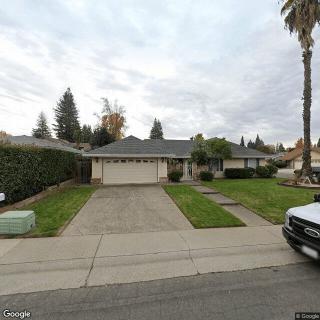

 Medicare Coverage for Assisted Living: An In-Depth Exploration
 Choosing the Right Senior Care: A Detailed Exploration of Assisted Living and Nursing Homes
 Understanding the True Cost of Assisted Living in 2025: A Comprehensive Guide