

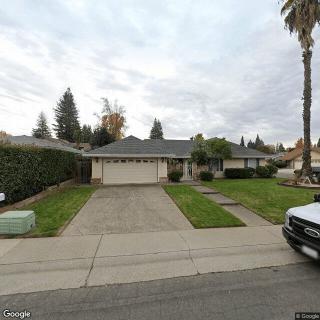
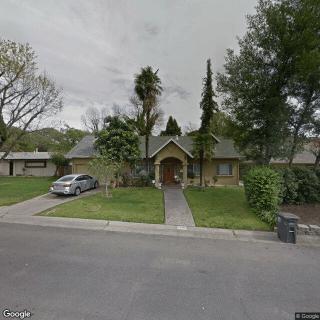
6024 Kifisia Way, Fair Oaks, CA 95628
For more information about senior living options: (866) 208-4318
Senior Garden Costs & Pricing
Senior Garden offers competitive pricing for its accommodations, with monthly costs that reflect both local and state averages. For a semi-private room, residents can expect to pay $3,000, which is slightly more economical than the Sacramento County average of $3,106 and significantly lower than the statewide figure of $3,333. Those seeking a private room will find that Senior Garden's rate of $3,500 remains below both the county average of $3,686 and the state average of $3,939. These rates position Senior Garden as an attractive option for seniors looking for quality housing in a supportive community while also being mindful of their budget.
| Floor plans | Senior Garden | Sacramento County | California |
|---|---|---|---|
| Semi-Private | $3,000 | $3,106 | $3,333 |
| Private | $3,500 | $3,686 | $3,939 |
Memory care communities with a similar price nearby
-
About the same
Love & Care for Elder
$3,000 to $4,500 / month5.0 miles away -
from +$500 / mo

Diamond Oaks Residential Care
$3,500 to $4,000 / month6.2 miles away -
from -$500 / mo
Eastern Manor
$2,500 to $3,000 / month7.2 miles away -
from -$500 / mo
A.R.C. Manor of Folsom
$2,500 to $3,500 / month3.7 miles away -
from +$250 / mo

WellQuest of Elk Grove
$3,250 to $5,050 / month18.3 miles away
Overall Review of Senior Garden
Pros
 Victoria, Jane, Noel, and Ed are absolutely the BEST.
- The staff are the best and most caring.
- The facility is clean.
- Victoria is an angel, and the staff take great care of residents.
- The caregivers are wonderful and feel like family.
- There are daily activities for the seniors and the food is fresh and excellent.
- The residents look happy and content.
- The staff can pick up prescriptions for residents as needed.
- The owner has medical experience and is very involved with running the home.
- The home employs a full-time live-in couple who are caring and professional.
Cons
 The facility isn’t set up to accommodate residents who use an electric wheelchair.
- The food is described as a two, indicating poor quality.
Review
Senior Garden in Fair Oaks is best suited for families seeking an intimate, hands-on care setting where 24-hour supervision and genuinely personal attention are the core offerings. This community shines when the priority is a warm, family-like atmosphere with stable, engaged caregivers who treat residents like their own. The staff lineup, particularly Victoria, Jane, Noel, and Ed, consistently earns praise for compassion, responsiveness, and ongoing commitment. For families grapples with the daily realities of caregiving, Senior Garden delivers reassurance: residents appear happy, well supervised, and part of a close-knit routine rather than isolated in a large, impersonal campus.
Those who may want to consider alternatives are residents with mobility layouts that demand full wheelchair accessibility or families needing highly specialized clinical services beyond standard assisted living. One review flags that the house and setup aren’t ideal for an electric wheelchair, signaling potential friction for residents who require robust physical access. Parking and some variability in amenities also surface as minor drawbacks in a few accounts. For families prioritizing expansive programming, campus-style amenities, or highly structured memory-care environments, larger facilities or communities with more formalized clinical pathways may offer a better fit.
On the upside, the strongest pros revolve around people, safety, and daily structure. The consistently lauded staff, described as kind, organized, friendly, and deeply caring, creates a dependable daily rhythm. The presence of a full-time live-in caregiving couple, together with hands-on ownership involvement, translates into attentive supervision and quicker response times. Daily activities aimed at maintaining motor skills and cognitive engagement help residents stay connected and engaged, while meals are described as fresh and thoughtfully prepared rather than merely reheated. The ability of staff to handle prescriptions on-site reduces family logistics and enhances peace of mind.
Nevertheless, a few cons do need to be weighed. The layout concern for wheelchair users is real enough to warrant careful verification before move-in, especially for a resident whose mobility relies on electric devices. Food quality, while praised by several families, has at least one mixed note indicating inconsistency; while others celebrate fresh, well-prepared meals, this is an area where expectations can vary from room to room. Minor operational hiccups, such as turnover in staff or the perception of “newer” staff in one review, can briefly disrupt the sense of seamless routine. Lastly, while the community delivers strong personal care, it remains a smaller, board-and-care setting rather than a large, integrated campus with broad amenities.
Putting the positives and the drawbacks into context, Senior Garden’s core value lies in its people and the sense of safety they create. For families who prioritize a caregiver-to-resident ratio that translates into visible daily engagement, and who value a home-like environment where staff know residents’ histories and preferences, the pros far outweigh the downside of a smaller footprint. The live-in couple model and owner involvement act as a force multiplier for trust and reliability, offsetting limited on-site amenities with dependable, individualized care plans. For residents who do not require highly specialized medical services or sprawling programming, this environment can be a very strong fit.
The practical course of action is straightforward. Visit with a checklist focused on accessibility, current staff stability, and how daily activities are tailored to the resident’s capabilities. Confirm wheelchair access and floor plan suitability, tour dining areas to taste-test the kitchen’s offerings, and meet the live-in caregivers who anchor the routine. If memory-care needs or very intensive clinical oversight are anticipated, compare with larger facilities that offer dedicated memory care programs and on-site medical teams. For families where companionship, consistent supervision, and a nurturing, family-style atmosphere rank above all else, Senior Garden stands out as a compelling option worth committing to after direct observation and precise accessibility confirmation.
 6 resident community capacity
 Assisted Living
 Board and Care Home
 Memory Care
 Respite Care
 Dogs allowed
 Activities off-site
 Cable or satellite TV
 Dining room
 Fully furnished
 Garden
 Housekeeping services
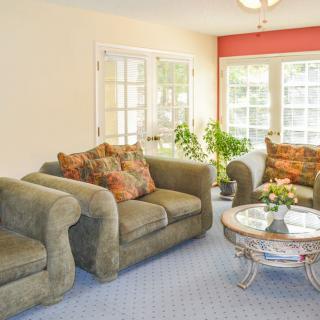
 Indoor common areas
 Move-in coordination
 Outdoor common areas
 Private
 Private bathrooms
 Swimming pool / hot tub
 Telephone
 Wi-Fi/high-speed internet available
 Sacramento International (18 miles away)
 24-hour supervision
 Assistance with bathing
 Assistance with dressing
 Assistance with transfers
 Diabetes diet
 Diabetic care
 High acuity care
 Incontinence care
 Meal preparation and service
 Medication management
 Special dietary restrictions
 Transportation arrangement (medical)
 Transportation to doctors appointments
 Birthday parties
 Trivia games


 Medications Associated with Dementia Risk: A Comprehensive Overview
 Guiding Your Journey: Understanding Power of Attorney for Elderly Parents
 22 Remarkable Caregiver Support Groups Available Online and In-Person