

6060 Sunrise Vista Drive, suite 1510, Citrus Heights, CA 95610
For more information about senior living options: (866) 208-4318
Overall Review of Happy at Home
Pros
 ComfortKeepers in Citrus Heights provided excellent service from start to finish.
- They assigned a caregiver who stayed with the mom throughout the wedding day.
- They set up a meeting the day before the wedding so the mom could meet the caregiver and get to know her.
- The caregiver was handpicked to best serve the mom's needs.
- They were thoughtful in the planning process and gathered the information needed to provide great care.
- They worked with the family for nearly two years to ensure a smooth, well-coordinated experience.
Cons
 The office staff are mostly unfit for office work and dealing with the public.
- They don't treat their caregivers or clients with the respect they deserve.
- They have had ample time to cover shifts for the reviewer and didn't.
- They claim informing about a replacement caregiver is a courtesy, not a job expectation.
- They change caregivers too often, which the reviewer does not appreciate.
- The reviewer plans to change agencies as soon as they find one they like.
- They do not notify when a caregiver is changed and sometimes don’t show up, leaving the reviewer without care.
Review
Happy at Home in Citrus Heights is best suited for seniors who can tolerate a variable care rhythm and rely on an active advocate to oversee scheduling and handoffs. The pattern in the reviews suggests that this provider works best when a family member or power of attorney can monitor day-to-day operations, confirm caregiver assignments, and push for timely coverage. It is not a hands-off option for those expecting a consistently staffed team or a highly polished front-office experience. In short, the strongest value appears for clients who are comfortable chasing down information and coordinating care rather than expecting turnkey, tightly managed service.
Those who may want to consider alternatives are precisely the households that prize reliability above all. If a predictable schedule, a familiar caregiver, and courteous, responsive office support are nonnegotiables, another agency should be explored. The recurring concerns here center on unfilled shifts, last-minute caregiver changes, and reported uneven treatment by the office staff. When shifts aren’t covered or a caregiver is swapped without clear communication, the client and family bear the disruption, not the agency. For families that cannot absorb that level of administrative strain, the risk of gaps in care makes alternatives worth pursuing.
The tangible pros in this landscape, caregivers who connect well with clients when the staffing line is solid, do not consistently compensate for the systemic weaknesses. The reviews indicate that some caregivers are capable and compassionate, and a few notes describe positive, individualized attention. However, those positives are often lost amid frequent caregiver turnover, staffing gaps, and a sense that office leadership does not reliably support the client or the caregiver. The most damaging pattern is the perception of care being treated as a courtesy rather than a standard obligation; when replacements arrive, clients feel like they are not being respected as ongoing, dependent partners in care. The bottom line is that individual acts of kindness can exist, but they do not translate into dependable, day-to-day reliability.
To make an informed decision, families should demand explicit criteria before committing. Ask for a clear caregiver-matching policy, a guaranteed schedule, and a published process for filling shifts when a caregiver is unavailable. Inquire about how replacements are communicated, whether there is a dedicated point of contact, and how billing adjusts when services are interrupted. Seek a written service agreement that covers response times, escalation steps, and a trial period to test consistency. Concrete references about staffing stability and staff treatment should be requested, and a plan should be in place for transition if expectations are not met.
There is a noteworthy contrast from Citrus Heights to consider. A separate account of care from ComfortKeepers highlights what reliable, well-coordinated in-home support can look like: pre-arranged caregiver handoffs, a thoughtfully planned onboarding meeting, and a caregiving team that maintains continuity over time. In that view, a family was able to secure a caregiver who remained with a client for critical events, with proactive coordination and a warm, respectful approach that extended into long-term planning. That benchmark underscores that the potential for dependable, high-quality care exists in this market, just not consistently with Happy at Home based on these reviews.
In conclusion, Happy at Home serves a niche audience: those who are comfortable driving the care process, tolerating scheduling variability, and supervising the experience to ensure continuity. For families where dependable caregiver matching, prompt communication, and respectful, proactive office support are essential, alternatives deserve serious consideration, with ComfortKeepers providing a clearer template of reliability and care coordination. If choosing Happy at Home, insist on a rigorous, enforceable service agreement, a stable caregiver roster, and a clear escalation path, and be prepared to intervene actively to prevent care gaps. The decision hinges on whether the client can absorb administrative friction or prefers to invest in a provider with a proven track record of steadiness and consistent, compassionate care.
 Sacramento International (18 miles away)




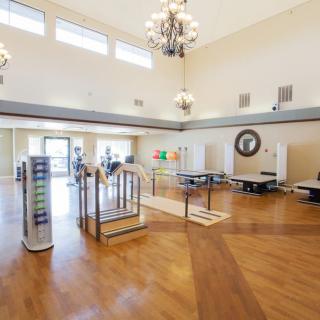
 Weight Training for Seniors: Building Strength and Vitality
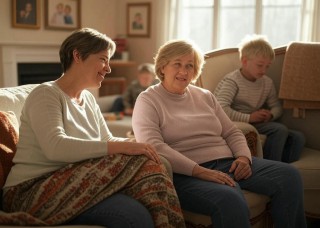 Understanding the Sandwich Generation: Stress and Responsibilities for Multigenerational Caregivers
 8 Essential Assistive Devices for Older Adults