
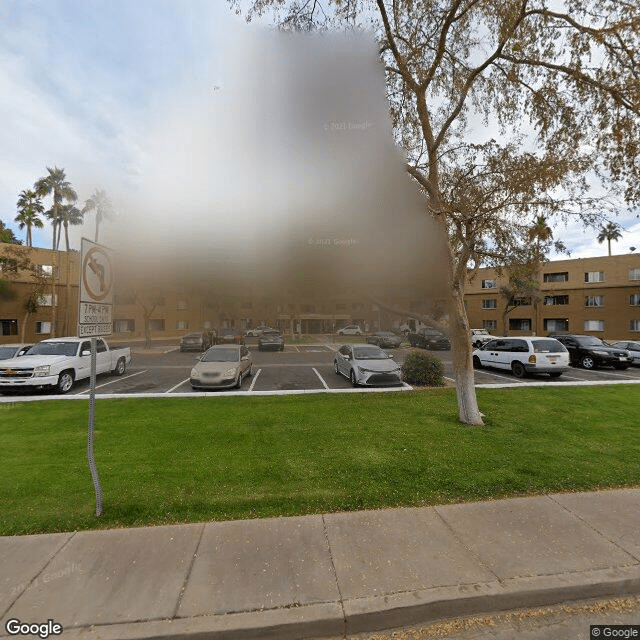
1617 N 45th Ave, Phoenix, AZ 85035
To contact a resident: (602) 269-6245
For more information about senior living options: (866) 208-4318
Overall Review of Casa De Primavera
Pros
 The facility is described as a god-send for residents.
- Residents have lived there for four years with no regrets, with staff and residents described as friendly.
- It is highly recommended by those who live there.
- The manager, assistant manager, and coordinator, along with the residents, are described as very friendly.
- It is regarded as a great place to live.
- The housing is described as nice.
Cons
 They treat them badly.
- They treat my father badly too.
Review
Casa De Primavera is best suited for independent seniors and adults with disabilities who want an affordable, homey setting where independence is respected, social ties are easy to build, and daily life revolves around a simple, walkable neighborhood. The community appeals to those who value a smaller, resident-driven vibe over high-rise, highly structured care. Rent that adjusts based on income or disability adds a practical appeal for households watching budgets, and the surrounding Phoenix area offers stores reachable on foot. This is not a campus built around formal high-need medical supervision; it’s a practical choice for remain-ing self-reliant while receiving accessible support as needed. For families seeking deep, 24/7 clinical oversight or memory-care programming, alternatives with more robust on-site care should be explored.
Not every senior or caregiver will want Casa De Primavera. Alternatives become worth considering for anyone who prioritizes intensive daily assistance, structured activity schedules, or a highly supervised residential setting. The most relevant comparison points are the level of medical and personal care available on-site, the intensity of staff oversight, and the certainty of daily routines. If constant monitoring, medication management, and emergency response demand a corner-stone of daily life, it’s prudent to look at larger assisted-living communities or dedicated memory-care facilities. Those who require regular transport services, scheduled medical visits, or highly regulated care plans may find more predictability elsewhere.
The strongest positives are clear and practical: friendly, long-tenured staff and residents create a welcoming atmosphere; management and coordinators are described as approachable and helpful; and the community’s layout supports a low-stress, neighborly feel. The ability to come and go with relative freedom adds to the sense of autonomy, while proximity to shops and services makes everyday errands straightforward. Residents who value social connection tend to sustain friendships quickly here, and the relatively informal environment can reduce the friction often found in more clinical settings. Crucially, the rent-structure tied to income or disability makes this option financially viable for those with limited resources who still want a sense of home.
However, there are notable caveats to balance against the upside. A small number of reviews touch on concerns about how residents are treated, underscoring the reality that staff culture can vary and oversight may feel uneven at times. While several accounts praise the leadership and daily friendliness, the presence of mixed experiences, ranging from satisfied long-term residents to cries for better treatment in a single report, signals the importance of prospective residents conducting thorough in-person evaluations. The setting emphasizes independence rather than round-the-clock care, which can leave gaps for those whose needs exceed basic assistance or who require constant supervision.
These pros offset the cons to a practical degree for the target mix of residents. For seniors who prioritize affordability, a sense of community, and the ability to manage most daily tasks with limited but accessible support, Casa De Primavera delivers. The walkable location and the option to tailor rent to earnings create a compelling financial footprint that reduces common trade-offs between cost and quality in senior housing. The favorable staff demeanor helps counterbalance concerns about care intensity, especially for those who already possess strong daily-management routines and rely on occasional coaching rather than full-time caregiving.
Families evaluating Casa De Primavera should approach with a focused checklist. Schedule in-person tours with a questions list about care coverage, emergency responsiveness, and who provides what level of supervision. Clarify what “income-based” rent means in practical terms, confirm any third-party services residents are expected to arrange, and verify transportation if medical appointments increase. Speak directly with current residents about daily routines, safety systems, and the consistency of staff interactions. Assess whether the environment truly matches the anticipated level of independence, and be prepared to compare with facilities offering stronger on-site medical oversight if required.
Ultimately, Casa De Primavera represents a solid option for independent seniors and disabled adults who value affordability, autonomy, and a friendly, communal setting more than formal care infrastructure. It shines for households that can manage most needs with light support while leveraging a walkable neighborhood and a nurturing resident culture. It is less suitable for anyone who requires steady, high-level care, continuous supervision, or a tightly regulated daily program. With careful due diligence and an on-site trial period, families can determine whether this Phoenix community fits the lifestyle and care expectations that matter most.
 Independent Living
 Phoenix Sky Harbor International (9 miles away)






 Comprehensive Guide to Qualifying for Home Health Care Services
 Powerful Realities of Elder Abuse and the Most Effective Ways to Report It
 Ten Vital Duties of a Senior Caregiver: A Comprehensive Guide