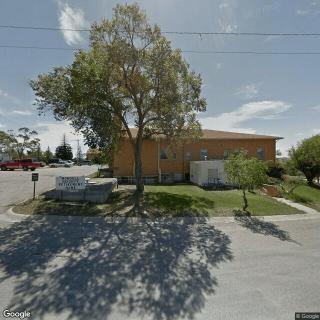
Weston County Health Services II

725 Washington Boulevard, Newcastle, WY 82701

For more information about senior living options: (844) 490-3973

3.6 from 28 reviews
5 stars
15
4 stars
3
3 stars
2
2 stars
1
1 stars
7

Assisted Living

What level of care are you interested in?

Assisted Living

Memory Care

Independent Living

Skilled Nursing Facility

Continuing Care Retirement Community (CCRC)CCRC

Other


Request a tour at Weston County Health Services II

    Overall Review of Weston County Health Services II

    Pros

    • pro The staff were amazing and went above and beyond, leaving patients feeling they were in good hands.
    • pro Registration and the tech were professional, and they coordinated with the VA to prevent surprise bills.
    • pro Dr. Bybee was amazing and advocated for the child; the nurses in the hospital were amazing.
    • pro The nursing and therapy staff were top notch and attentive.
    • pro Great people.
    • pro Mary and Polly went the extra mile.
    • pro The care from the emergency room through admission was exceptional.
    • pro The hospital and its staff were highly recommended.
    • pro The PA was very nice.
    • pro They went above and beyond; wonderful people.
    • pro The care given was high quality and caregivers calmly explained each step.

    Cons

    • pro They felt billed by their insurance and received no real help.
    • pro They went for anxiety support but were offered only a Benadryl-type option.
    • pro They got a half prescription for a nausea medication that was not refillable.
    • pro They felt they were gaslit and refused care.
    • pro They felt abandoned after Dr. Bybee left and were told to get a PCP.
    • pro They observed a doctor nap during a two-plus-hour wait for labs.
    • pro They experienced involuntary holds.
    • pro They described very bad patient care, including neglect of veterans.

    Review

    The collection of experiences from this hospital paints a picture of a facility that elicits strong opinions, with moments of high praise tucked alongside persistent frustrations. On one end, a number of patients describe staff who were professional, compassionate, and responsive in very trying situations. A common thread in these stories is relief when the care team demonstrated genuine concern, explained steps, and advocated for their patients - particularly in emergency and pediatric contexts. For some families, the hospital felt like a supportive partner during crisis, a place where the human touch and timely intervention made a real difference.

    Yet alongside those positives run repeated complaints about how certain visits unfolded. Several patients went in seeking help for anxiety or nausea and left feeling that the care offered was inadequate or misaligned with their needs. One reviewer recounted asking for help with anxiety and receiving what they described as a benadryl substitute, coupled with a short, non-refillable prescription for nausea. They also noted a kind but limited interaction with the physician assistant while describing an overall sense of being dismissed or shortchanged by the encounter. The frustration extended to billing and insurance, with the patient feeling that they left with only a bill and no meaningful relief or treatment.

    Waiting and attention during visits were recurrent themes as well. Another account described an experience where a physician appeared disengaged, taking a nap or otherwise appearing distracted while the patient and their partner waited for their infant son's blood work. The reviewer mentioned a long two-hour wait and a rotating staff with little communication, contributing to a sense of neglect or neglectful care. There was also a mention of "involuntary holds," hinting at episodes where patients felt coerced or treated in ways that heightened fear or discomfort, reinforcing a fear that care was sometimes about control or procedural comfort rather than patient needs.

    Not all the stories shared were negative about the same programs or departments, however. A reviewer who had breast cancer screening through the VA noted a notably different experience: registration and radiology staff were described as professional, and the facility proactively contacted the VA to prevent surprising bills. This patient indicated a preference to stay local for future needs, suggesting that when billing and coordination with the VA were well-handled, the care felt reliable and worthwhile. In another positive thread, a family described urgent care turning into a true emergency care experience that felt well-managed, with gratitude extended toward several unnamed caregivers who had "gone the extra mile."

    For some, the hospital demonstrated resilience and readiness in moments of acute family crisis. A family in an emergency situation praised the team for providing rapid, attentive care and for keeping them informed as events unfolded; they explicitly thanked staff who helped stabilize their relative and helped them navigate the hospital environment during a difficult time. In a related note praising the broader team, a patient who had been trampled by a horse while traveling with a wagon-train described being treated with exceptional care at a smaller hospital, including practical help in getting from the hospital to a nearby motel while awaiting transport for their party. Those stories emphasize that, even in a rural or smaller-hospital setting, compassionate, coordinated care can and does occur.

    Pediatric experiences within the ER were a highlight in several accounts. One family described their eight-year-old son's ER visit as remarkably managed, with a pediatrician or physician advocating effectively for their son's needs. The nurses in the hospital were praised for their attentiveness, and although IV placement and other procedures can be stressful, the staff helped make those moments as tolerable as possible for a worried parent and child. The overall sentiment was that the hospital and its staff - especially the nursing and hospital teams - provided a level of care that felt genuinely protective and proactive, earning trust and strong recommendations to others in similar situations.

    The reviews also captured sharp contrasts in bedside manner and perceived competence among individual clinicians. One reviewer recounted meeting an elderly mother in the ER who described a disinterested physician who seemed out of sync with the patient's triage note and failed to wash hands before examining her, followed by repeated visits filled with questions that felt careless or repetitive. The patient's perception was that the care was stalled or dismissive, and the response from the clinician did little to alleviate the pain or confusion during the visit. There were also concerns about triage and insurance-related dismissiveness, with a nurse or staff member allegedly prioritizing administrative concerns over the patient's clinical needs, leading the reviewer to remark that the facility would benefit from a rethink of who is entrusted with patient care.

    In sum, the experiences describe a hospital with both bright spots and significant areas in need of improvement. The most compelling praise centers on compassionate staff who advocate for patients, effective communication during emergencies, and thorough coordination with outside entities to prevent billing surprises. The most persistent criticisms focus on delays, moments of disengagement or dismissiveness from some clinicians, and inconsistencies in how anxiety, pain, and pediatric concerns are managed. The overarching message is that, for many families and patients, the hospital can be a place of comfort and competent care when the team is aligned, but it can also fall short when communication frays, wait times lengthen, or staff behavior feels detached. In communities that rely on smaller hospitals and rural clinics, these stories underscore the importance of sustaining strong, patient-centered care across all departments, from registration to radiology to the ER, so that every patient leaves with both a clear plan and the confidence that their needs were truly heard.

    Features

    Housing

    • 21 resident community capacity 21 resident community capacity

    Types of Care

    • Assisted Living Assisted LivingAssisted living facilities provide crucial support and care for seniors who may need help with daily tasks such as medication management, bathing, and meal preparation. These communities offer a safe and comfortable environment where seniors can maintain their independence while receiving the assistance they need to thrive in their golden years.

    Amenities

    • Beauty salon Beauty salonBeauty salons are important for seniors because they provide a space for them to feel pampered, socialize, and maintain their personal grooming and hygiene. Regular visits to a beauty salon can help boost seniors' self-esteem and overall well-being.
    • Cable or satellite TV Cable or satellite TVCable or satellite TV is important for seniors because it provides entertainment, news, and companionship, helping to combat loneliness and boredom. It also offers a wide range of programming options tailored to different interests and preferences.
    • Dining room Dining roomDining rooms are important for seniors as they provide a space for socialization, connection, and nutritious meals. They offer opportunities for residents to bond over shared meals, foster a sense of community, and promote healthy eating habits. Dining rooms also ensure that seniors have access to well-balanced meals tailored to their dietary needs and preferences.
    • Fully furnished Fully furnishedFully furnished senior living communities are important for seniors because they provide convenience, comfort, and a hassle-free moving experience. Seniors can easily settle into their new living space without the stress of having to buy and move furniture. This allows them to focus on enjoying their new home and community.
    • Garden GardenGardens are important for seniors as they provide a peaceful and therapeutic environment for relaxation, physical activity, and socialization. Being in nature has been shown to reduce stress, improve mood, and promote overall well-being. Gardens also offer opportunities for seniors to engage in gardening activities, which can improve mobility, flexibility, and cognitive function. Additionally, gardens create a sense of community and connection with others who share a passion for plants and outdoor spaces.
    • Housekeeping services Housekeeping servicesHousekeeping services are important for seniors because they help maintain a clean and safe living environment, promote independence, and reduce the risk of accidents or illnesses. Additionally, having assistance with household chores can alleviate physical strain and allow seniors to focus on other aspects of their well-being.
    • Kitchenette KitchenetteKitchenettes are important for seniors living in senior living communities because they provide the convenience and independence of being able to prepare simple meals and snacks in the comfort of their own living space. This can help promote a sense of autonomy and well-being for seniors, allowing them to maintain some level of control over their dietary choices and daily routines.
    • Move-in coordination Move-in coordinationMove-in coordination is important for seniors because it helps ease the transition into their new living environment. It ensures that all logistics, such as packing, organizing movers, and setting up utilities are taken care of, allowing seniors to focus on settling in and adjusting to their new home. Having a smooth move-in process can alleviate stress and anxiety, making the transition smoother and more enjoyable for seniors.
    • Outdoor space Outdoor spaceOutdoor spaces are important for seniors as they provide opportunities for physical activity, social interaction, exposure to natural light and fresh air, and a sense of connection to nature. Having access to outdoor spaces can improve overall well-being and quality of life for older adults living in senior communities.
    • Telephone TelephoneTelephones are important for seniors as they provide a lifeline for communication with loved ones, emergency services, and healthcare providers. They offer a sense of security and independence, enabling seniors to stay connected and access assistance when needed.
    • Wi-Fi/high-speed internet available Wi-Fi/high-speed internet availableWi-Fi/high-speed internet is important for seniors to stay connected with loved ones, access online resources, and participate in virtual activities to combat feelings of loneliness and isolation. It also allows them to easily manage healthcare needs, access entertainment, and engage in lifelong learning opportunities.

    Care Services

    • 24-hour call system 24-hour call system24-hour call systems are important for seniors because they provide peace of mind and immediate assistance in case of emergencies. This technology ensures that help is always available, promoting safety and security for elderly individuals living alone or in assisted living facilities.
    • 24-hour supervision 24-hour supervision24-hour supervision is important for seniors to ensure their safety, well-being, and access to immediate assistance in case of emergencies or health issues. This constant support provides peace of mind for both seniors and their loved ones, allowing them to age in place with dignity and security.
    • Activities of daily living assistance Activities of daily living assistanceActivities of daily living assistance are important for seniors because they provide essential support with tasks such as eating, bathing, dressing, and mobility. This assistance helps seniors maintain their independence, dignity, and overall quality of life as they age.
    • Assistance with bathing Assistance with bathingAssistance with bathing is crucial for seniors as it helps maintain personal hygiene, prevents infections, and ensures their overall well-being and comfort. It also provides a sense of dignity and independence for seniors who may struggle with this task on their own.
    • Assistance with dressing Assistance with dressingAssistance with dressing is important for seniors because it helps maintain their independence, promotes personal hygiene, prevents accidents and injuries, and improves overall quality of life. This service ensures that seniors can continue to dress comfortably and confidently, despite any physical limitations they may have.
    • Assistance with transfers Assistance with transfersAssistance with transfers is crucial for seniors as it helps prevent falls and injuries, maintains their independence, and ensures they can safely navigate their living environment. It also provides peace of mind for both seniors and their loved ones.
    • Coordination with health care providers Coordination with health care providersCoordination with health care providers is crucial for seniors to ensure proper medical care, medication management, and overall well-being. This collaboration helps prevent overlapping treatments, track progress more effectively, and provide comprehensive support tailored to individual needs.
    • Diabetes diet Diabetes dietA diabetes diet is crucial for seniors as it helps manage blood sugar levels, reduce risks of complications, and improve overall health and well-being. By following a balanced and nutritious diet tailored to their specific needs, seniors can better control their diabetes and enhance their quality of life.
    • Meal preparation and service Meal preparation and serviceMeal preparation and service are crucial for seniors as they may have limited mobility or energy to cook nutritious meals. Having access to healthy and convenient food options can ensure they are getting the proper nutrition needed to maintain their overall health and well-being.
    • Medication management Medication managementMedication management is crucial for seniors to ensure they are taking the right medications at the correct dosages and times. This helps prevent adverse drug interactions, reduces the risk of medication errors, and promotes overall health and well-being. Proactive management also allows for adjustments as needed based on changing health conditions or new prescriptions.
    • Mental wellness program Mental wellness programMental wellness programs are essential for seniors as they promote cognitive stimulation, emotional support, and social engagement. These programs help prevent isolation, depression, and cognitive decline, ultimately enhancing the overall quality of life for older adults.
    • Special dietary restrictions Special dietary restrictionsSpecial dietary restrictions are important for seniors because age-related changes in metabolism and health conditions can make it difficult for their bodies to process certain foods. By following a diet tailored to their specific needs, seniors can maintain their overall health and well-being, manage chronic conditions, and reduce the risk of complications such as malnutrition or food interactions with medications.
    • Transportation arrangement (medical) Transportation arrangement (medical)Transportation arrangements for medical purposes are essential for seniors as they may have difficulty driving themselves to appointments or accessing public transportation. Having reliable and safe transportation options ensures that seniors can receive timely medical care and maintain their health and well-being.
    • Transportation to doctors appointments Transportation to doctors appointmentsTransportation to doctors' appointments is crucial for seniors as it ensures they have access to necessary medical care and support for their health needs. Without reliable transportation, seniors may struggle to attend important appointments, leading to potential delays in treatment and health complications. Providing transportation services helps seniors maintain their overall well-being and quality of life.

    Dining

    • Diabetes diet Diabetes dietA diabetes diet is crucial for seniors as it helps manage blood sugar levels, reduce risks of complications, and improve overall health and well-being. By following a balanced and nutritious diet tailored to their specific needs, seniors can better control their diabetes and enhance their quality of life.
    • Special dietary restrictions Special dietary restrictionsSpecial dietary restrictions are important for seniors because age-related changes in metabolism and health conditions can make it difficult for their bodies to process certain foods. By following a diet tailored to their specific needs, seniors can maintain their overall health and well-being, manage chronic conditions, and reduce the risk of complications such as malnutrition or food interactions with medications.

    Activities

    • Community-sponsored activities Community-sponsored activitiesCommunity-sponsored activities are important for seniors as they provide opportunities for social interaction, mental stimulation, and physical activity. These activities can help improve overall well-being, combat loneliness and isolation, and promote a sense of belonging and purpose among older adults.
    • Scheduled daily activities Scheduled daily activitiesScheduled daily activities are important for seniors because they provide structure, socialization, mental stimulation, and physical activity. Engaging in regular activities can improve overall well-being and quality of life for seniors living in a community setting.

    Description

    The Weston County Health Services II in Newcastle, WY is an assisted living community that provides comfortable and convenient living arrangements for seniors. The community offers a range of amenities to ensure residents live a fulfilling and enjoyable lifestyle.

    Residents can relax in their fully furnished apartments which include cable or satellite TV, Wi-Fi/high-speed internet, and a telephone for staying connected with loved ones. The kitchenette allows for the preparation of meals if desired, while also providing opportunities for socializing and dining in the dining room.

    Housekeeping services are available to keep the living spaces clean and tidy. Outdoor spaces and gardens provide opportunities for residents to enjoy nature and fresh air. Move-in coordination is provided to ease the transition into the community.

    Care services at Weston County Health Services II are designed to meet the individual needs of each resident. Trained staff members provide 24-hour supervision, assistance with activities of daily living such as bathing and dressing, as well as assistance with transfers when needed. Medication management ensures that residents receive their prescribed medications on time.

    The community also emphasizes mental wellness through its dedicated mental wellness program. In addition, special dietary restrictions including diabetes diets are accommodated, ensuring that residents receive proper nutrition that suits their dietary needs.

    Transportation arrangements are made for medical appointments, ensuring that residents can access necessary healthcare services conveniently. Scheduled daily activities promote engagement and social interaction among residents.

    Weston County Health Services II is conveniently located near various amenities including cafes, parks, pharmacies, restaurants, transportation options, places of worship, theaters, and hospitals. This allows residents to easily access these facilities for their convenience and enjoyment.

    Overall, Weston County Health Services II offers a nurturing environment where seniors can receive personalized care while enjoying a wide range of amenities and convenient access to nearby amenities.

    Nearby Places of Interest

    Cafes

    • Kaffee Klatsch (0.1 miles)
    • Cambria Coffee 1 (0.1 miles)

    Restaurants

    • Subway (0.1 miles)
    • Dairy Barn (0.1 miles)
    • Pizza Hut (0.1 miles)
    • Isabella's Pizza (0.6 miles)
    • Perkins Tavern (0.6 miles)
    • Antlers (0.6 miles)
    • The Antlers's (0.6 miles)

    Places of Worship

    • First Christian Church (0.1 miles)
    • First Baptist Church-Newcastle (0.1 miles)
    • Christ Church Episcopal (0.3 miles)
    • Newcastle Assembly of God (0.5 miles)
    • Brotzman Norm Rev (0.5 miles)
    • Erickson Wayne (0.5 miles)
    • Foursquare Church Of Newcastle (0.6 miles)

    Hospitals

    • Weston County Health Services (0.3 miles)

    Pharmacies

    • Shopko (0.4 miles)

    Transportation

    • BNSF Railway (0.6 miles)
    • U-Haul Neighborhood Dealer (0.6 miles)

    Theaters

    • Dogie Theatre (0.6 miles)

    Parks

    • Centenial Park (0.7 miles)

    Frequently Asked Questions

    Where is Weston County Health Services II?

    Nearby Communities

    Related Resources

    • assisted living waiver programA Detailed Exploration of Assisted Living Medicaid Waivers Across the United States
      Medicaid waivers for assisted living services provide vital support for seniors and individuals with disabilities in need of long-term care, with varying state-specific eligibility criteria and benefits. These waivers cover personal care and case management but often do not fully cover room and board, leading to waiting lists for many applicants.

    • assisted living for disabled adultsComprehensive Residential Support and Assisted Living Solutions for Individuals with Disabilities

      The article examines the complexities of assisted living for individuals with disabilities, emphasizing the need for tailored care solutions that enhance quality of life and social inclusion, while addressing financial challenges and advocating for community integration. It discusses various housing options, the importance of financial assistance through public benefits, and highlights trends towards integrated and technology-driven solutions in disability-focused housing.

    • assisted living for disabled adultsComprehensive Supportive Living Arrangements for Adults with Disabilities

      Assisted living for adults with disabilities has transformed to provide personalized care and support services aimed at improving residents' quality of life while balancing independence and assistance. However, low-income individuals often face challenges in affording these services, requiring navigation of various financial resources and advocacy for better policies and solutions.


    Get Pricing Ask A Question Schedule A Tour Contact Senior Advisor