
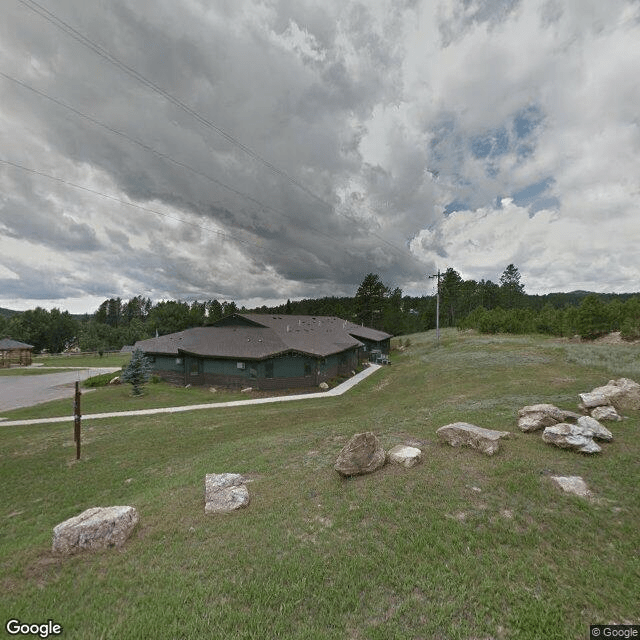
423 North 10Th Street, Custer, SD 57730
For more information about senior living options: (866) 208-4318
Overall Review of Regional Health Assisted Living
Pros
 The staff have been wonderful.
- They’ve proactively checked on her to ensure she’s okay.
- The building appears to be kept very clean.
- The kitchen and dining area are very nice.
- The paint and colors look great.
- It smells really good.
- The reviewer was definitely impressed.
Review
Regional Health Assisted Living in Custer, SD, is best suited for families seeking a transition-friendly, well-kept environment where staff demonstrate attentiveness and ongoing communication. The community shines for seniors who want reassurance during the move, with a strong emphasis on getting family updates and staying connected as a loved one approaches assisted living. It is especially appropriate for those who prize a clean, inviting setting, where the public areas project care and dignity from the first impression. This is not the place for someone requiring intensive, specialized medical programs or highly structured clinical memory care; alternatives should be considered for residents with complex health needs or a demand for advanced rehabilitation services.
The most compelling positives reported are tangible and reassuring. Prospective families note proactive outreach from the team even before a move-in, including several check-in calls that convey ongoing care coordination and concern for a resident’s well-being. The building itself leaves a favorable impression: strong cleanliness, tasteful paint and color schemes, and a pleasant scent that suggests a well-maintained, home-like atmosphere. The kitchen and dining areas are described as pleasant and well appointed, signaling a focus on comfortable daily living and nutritious meals. Taken together, these factors reduce the anxiety surrounding relocation and help families feel confident about a safe, welcoming environment for a loved one.
Where the reviews offer less detail, the absence of documented drawbacks becomes a signal worth reading carefully. No concrete flaws are raised, but the sample is small and occupancy or care outcomes aren’t demonstrated over time. The main risk for families remains the unknowns about day-to-day care quality, staffing depth, and the availability of on-site medical or rehabilitative services. Important questions to resolve include: what is the staff-to-resident ratio on evenings and weekends, how readily can a nurse be contacted, what medical partners are connected to the campus, and what happens if a higher level of intervention is needed after a hip fracture or a decline in mobility. Be prepared to probe memory care options, activity calendars, and transportation for appointments.
The strong positives offset many common concerns by creating an environment that feels proactive and protective. The recurring theme of staff reaching out reinforces trust that a transition will be supported rather than left to fend for itself. A clean, aesthetically pleasing setting with a warm dining experience can significantly ease adjustment, particularly for seniors who fear losing home familiarity. The emphasis on upkeep and pleasant surroundings also contributes to daily comfort, reducing agitation and resistance to a new routine. In short, the favorable atmosphere and communicative culture act as meaningful buffers against the stress inherent in moving into assisted living.
For decision-making, proceed with targeted diligence. Schedule a full tour that foregrounds care delivery and resident experience: observe mealtime dynamics, speak with the administrator or director about care planning, and request a sample short-term stay or a day-in-the-life overview. Seek concrete details on care services: medications management, nursing coverage, rehab or therapy availability, and physician access on-site or through affiliations. Ask about activity programming, transportation for doctor visits, and how family updates are handled on an ongoing basis. Finally, verify costs, including what’s included in base rates and what triggers additional charges, to ensure alignment with budget and long-term planning.
Overall, Regional Health Assisted Living stands out for families prioritizing reassurance, cleanliness, and a welcoming social environment, presented with confident, attentive staff interaction. It is a compelling option for those who want a smooth, well-communicated transition and an aesthetically pleasing home-like setting. However, for residents with explicit needs for intensive medical oversight, specialized memory care, or robust rehabilitative infrastructure, alternatives should be weighed more heavily. A deliberate, information-packed visit will determine whether this community captures the balance of warmth, reliability, and practical care required for a secure, dignified next chapter.
 16 resident community capacity
 Assisted Living
 Activities on-site
 Cable or satellite TV
 Devotional services off-site
 Dining room
 Fully furnished
 Garden
 Housekeeping services
 Indoor common areas
 Move-in coordination
 Outdoor space
 Telephone
 Wi-Fi/high-speed internet available
 24-hour supervision
 Ambulatory care
 Assistance with bathing
 Assistance with dressing
 Assistance with transfers
 Diabetes diet
 Diabetic care
 Meal preparation and service
 Medication management
 Special dietary restrictions
 Transportation arrangement (medical)
 Transportation to doctors appointments






 Medicare Coverage for Assisted Living: An In-Depth Exploration
 Choosing the Right Senior Care: A Detailed Exploration of Assisted Living and Nursing Homes
 Understanding the True Cost of Assisted Living in 2025: A Comprehensive Guide