


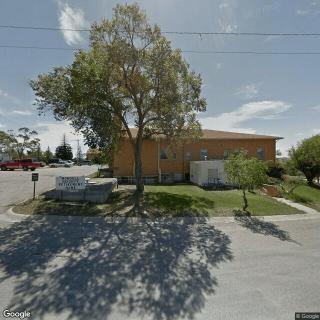
1124 Washington Boulevard, Newcastle, WY 82701
For more information about senior living options: (866) 208-4318
Overall Review of Weston County Health Services I
Pros
 The PA was very nice.
- The staff at the hospital are amazing.
- Dr. Bybee was amazing and advocated for the patient.
- The nurses in the hospital were amazing.
- The nursing and therapy staff were top notch and attentive.
- The care team delivered high-quality service from the emergency room through admission.
- Mary and Polly went the extra mile.
Cons
 They left with a bill and did not get the help they went there for.
- They were offered Benadryl for anxiety and received only a partial, non-refillable prescription for nausea.
- They felt medical gaslighting and a refusal of care that lived up to their fears.
- They were billed to their insurance but did not receive any meaningful help.
- They encountered a disinterested doctor who arrived late, did not wash his hands, and performed a painful, rushed exam.
- The triage nurse seemed more concerned with insurance than with the patient’s care.
- There were involuntary holds used.
Review
Weston County Health Services I in Newcastle is best suited for families facing urgent or emergency needs where proximity and rapid access to care matter most. In a rural setting, the hospital can deliver decisive, hands-on attention from clinicians who can manage acute events and stabilize patients before transfer. It also suits residents who value personal, compassionate gestures from frontline staff during stressful episodes, and who are comfortable navigating a small, multi-purpose facility. For ongoing primary care, pediatric follow-up, or reliably consistent interactions with the same care team, this community may not deliver the predictability required, and that is a critical factor in decision-making.
On the positive side, several reviews highlight care that stands out in moments of crisis. ER and inpatient teams are described as “going the extra mile” and “amazing” when a family is confronted with a health crisis. In particular, certain doctors and nurses are praised for attentiveness and advocacy, and the facility can coordinate to locate lodging for patients or facilitate transitions to higher levels of care. The presence of staff who take time to explain steps and reassure anxious relatives adds real value, especially in rural environments where choices are limited. When the moment demands courage and clarity, the strongest staff members can deliver reassurance and solid clinical action.
Yet the downsides are not trivial. A pattern emerges of long waits and uneven bedside manner: some physicians appear rushed or disinterested, with dismissive or rushed assessments that leave families feeling unheard. Billing and care coordination can create frustration, including reports of bills arriving without clear help or medication discrepancies. Instances of perceived indifference or even “gaslighting” around care decisions, and mentions of involuntary holds, undermine confidence in the consistency and safety of routine care. Pediatric experiences can be especially mixed, as some parents report quick, dismissive visits rather than thorough evaluations. These inconsistencies can erode trust when the need is for reliable, ongoing care.
Those who rely on a steady, organized primary care network, or who need pediatric care with predictable follow-through, will likely want to compare alternatives. Larger regional centers offer greater continuity with physicians who stay with a patient over time and a pharmacy within the system to minimize medication mishaps. Families with complex medical needs or veterans seeking reliable, bill-free access to services may prefer facilities with a reputation for smoother administration and clearer patient rights. If the goal is to minimize risk of misdiagnosis and ensure consistently warm bedside manner, casting a wider net to urban or larger rural systems deserves consideration.
Prospective patients should enter with clear questions: what is the expected ER wait, who can advocate for timely lab work, how are medications handled after discharge, and what is the plan for follow-up care? Request a primary team designation if possible, and verify how referrals to specialists are managed. For pediatric cases, inquire about triage practices, the ability to get timely results, and how the staff handle common infections with careful observation. Confirm insurance coverage details and expected billing practices upfront to avoid surprise charges. These checks can separate a strong emergency-focused option from a sputtering one.
In sum, Weston County Health Services I offers vital emergency capabilities in a small community, with some staff delivering exceptional, compassionate care when it matters most. That strength can be decisive for families who prioritize proximity, intimate staff interactions during crises, and rapid stabilization. However, the facility’s variability in consistent care, administrative friction, and mixed patient experiences counsel caution for those needing reliable primary care continuity or predictable pediatric management. Weigh these factors against alternatives with stronger care coordination and steadier physician relationships, and choose the option that aligns with the family's risk tolerance and care goals.
 58 resident community capacity
 Assisted Living
 Skilled Nursing Facility
 Air-conditioning
 Beauty salon
 Cable or satellite TV
 Computer center
 Dining room
 Fitness room
 Fully furnished
 Gaming room
 Garden
 Housekeeping services
 Kitchenette
 Move-in coordination
 Outdoor space
 Private bathrooms
 Restaurant-style dining
 Small library
 Telephone
 Wellness center
 Wi-Fi/high-speed internet available
 Community operated transportation
 24-hour call system
 Activities of daily living assistance
 Assistance with bathing
 Assistance with dressing
 Assistance with transfers
 Diabetes diet
 Medication management
 Special dietary restrictions
 Concierge services
 Planned day trips



 Choosing the Right Senior Care: A Detailed Exploration of Assisted Living and Nursing Homes
 Understanding the True Cost of Assisted Living in 2025: A Comprehensive Guide
 Understanding Medicaid Coverage for Assisted Living: A Comprehensive Guide