Continue Care Home Health Agency

410 Manewal Drive, Cheyenne, WY 82009

For more information about senior living options: (844) 490-3973

4.2 from 5 reviews
5 stars
4
4 stars
0
3 stars
0
2 stars
0
1 stars
1

Assisted Living

Continue Care Home Health Agency Costs & Pricing

At Continue Care Home Health Agency, the monthly cost for a private room is competitively priced at $3,500. This rate is notably lower than the average cost in Laramie County, where similar accommodations run about $4,000 per month. Additionally, it offers substantial savings compared to the statewide average in Wyoming of $3,513. By choosing Continue Care, clients can benefit from quality care without compromising their financial stability, making it a compelling option for those seeking personalized health services in a supportive home environment.

Floor plansContinue Care Home Health AgencyLaramie CountyWyoming
Private$3,500$4,000$3,513

Overall Review of Continue Care Home Health Agency

Pros

  • pro The physical therapist who worked with her was amazing.
  • pro Kathleen and Brooke are amazing.
  • pro Cindy was very helpful with suggestions and information.
  • pro The knowledge shared, along with the encouragement and care, helped them gain confidence to move forward.

Cons

  • pro The reviewer felt the company misrepresented coverage and billed an $840 invoice months after services.
  • pro The reviewer claimed delayed claim processing caused them to reach the PT annual limit, leaving them 100% financially responsible.
  • pro The reviewer criticized the lack of financial hardship discounts or assistance offered by the company.
  • pro The reviewer described the billing approach as abrupt and unclear, sending an invoice "out of the blue."

Review

Two very different experiences come through in these notes, spotlighting both the best and the most frustrating sides of care. On one hand, there is a clear admiration for the clinicians who delivered hands-on expertise and genuine support. On the other hand, there is a loud frustration with how the financial and administrative side was handled, leaving a sour aftertaste even though the medical care felt strong. Taken together, the voices paint a picture of a provider that excels in patient care but falls short in transparent, timely billing and cost communication.

The first account centers on the quality of the physical therapy itself. The writer begins with a strong compliment: the physical therapist who worked with them was amazing. The praise isn't bland; it's emphatic about the therapist's competence, professionalism, and probably the impact on the recovery process. Yet this praise sits beside a sharp critique of the company that arranged or administers the therapy. According to the reviewer, they were told therapy would be covered at 100 percent, only to receive an $840 bill months later. The delay in processing the claim is a key trigger for the frustration, as it caused the patient to reach the limit of their yearly PT allowance before the insurer could step in, leaving them financially responsible for the entire balance. The reviewer emphasizes severity: two knee replacement surgeries in the prior year, a strained checking account, and ongoing costs for chronic conditions and medications. The financial shock feels disproportionate to the care received, especially given the promise of full coverage that wasn't fulfilled. The writer urges potential clients to consider alternative providers and highlights a lack of financial sympathy or discounts for those who are financially strained. They insist the company should have given a more accurate cost projection and warned patients about possible invoices before sending an unexpected bill.

Beyond the immediate billing complaint, there is a sense of being caught between excellent clinical care and a poorly managed billing experience. The writer notes that the billing situation wasn't just a minor snafu; it had real consequences that could have been avoided with better communication. The emotional distress linked to financial surprises is described as a heavy burden, especially at a time when the patient was already juggling significant medical expenses. The plea is not merely about saving money, but about fairness and transparency - asking for clearer estimates of what costs might arise and when those costs might be billed. The call to action is practical: consider a provider with more predictable, upfront cost information, and ideally one that can offer meaningful financial accommodations for those facing hardship.

Shifting to the other voice in the notes, there is a powerful counterweight that celebrates compassionate care in a different setting. The second reviewer writes with warmth and gratitude for the care their mother received. They specifically name Kathleen and Brooke as "AMAZING," a strong endorsement that signals real, positive impact on their loved one's experience. The reviewer also highlights Cindy, whose suggestions and information were equally valuable. The tone conveys relief and trust at a pivotal moment: coming home from the hospital with a constellation of concerns and fears. The care team's knowledge, encouragement, and thoughtful guidance helped restore confidence and moved the family forward at a challenging time. The reviewer's sentiment is almost jubilant - expressing that they wish they could give more than five stars and closing with a heartfelt "Thanks, ladies!!!"

What stands out in this second narrative is the blend of practical support and emotional reassurance. The staff's efforts go beyond clinical instructions; they provide reassurance, education, and a sense of partnership during a vulnerable period after hospitalization. The positive language - care, encouragement, knowledge shared, confidence built - paints a portrait of a team that listens, explains, and empowers family members to feel capable in the recovery journey. It's a narrative of trust earned through consistent, compassionate interaction and a recognition that the right guidance at the right moment can change how a family navigates a medical transition.

When these two experiences are read together, they reveal a provider that excels in patient-facing care while facing significant challenges in administrative and financial communication. The contrasting threads are difficult to ignore: expert clinicians delivering tangible improvements and a supportive care team that eases emotional burdens, paired with an administrative system that promises full coverage but delivers surprise bills and ambiguous cost expectations. The overall takeaway is nuanced. The care received - both in the therapy setting and in the home-hospital transition - appears to be of high quality and deeply valued by patients and families. The pain point, however, remains the financial and administrative experience: clearer upfront cost estimates, timely processing of claims, and more flexible support for patients under financial strain.

For anyone considering this provider, the message is twofold. First, you can expect excellent clinical care from the therapists who work directly with patients, and you can rely on compassionate, knowledgeable staff like Kathleen, Brooke, and Cindy to guide families through difficult moments. Second, you should be prepared to engage proactively with the billing process and advocate for transparent pricing, timely claim processing, and potential financial accommodations if you're facing hardship. The combination of outstanding clinical care and frustrating administrative experiences suggests an opportunity for the provider to harmonize their medical excellence with clearer, more compassionate financial practices. If improvements are made on the billing front, the overall experience could become a truly standout model of patient-centered care.

Features

Housing

  • 21 resident community capacity 21 resident community capacity

Types of Care

  • Assisted Living Assisted LivingAssisted living facilities provide crucial support and care for seniors who may need help with daily tasks such as medication management, bathing, and meal preparation. These communities offer a safe and comfortable environment where seniors can maintain their independence while receiving the assistance they need to thrive in their golden years.

Amenities

  • Beauty salon Beauty salonBeauty salons are important for seniors because they provide a space for them to feel pampered, socialize, and maintain their personal grooming and hygiene. Regular visits to a beauty salon can help boost seniors' self-esteem and overall well-being.
  • Cable or satellite TV Cable or satellite TVCable or satellite TV is important for seniors because it provides entertainment, news, and companionship, helping to combat loneliness and boredom. It also offers a wide range of programming options tailored to different interests and preferences.
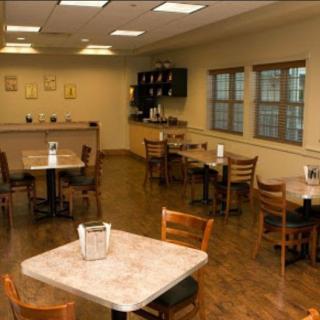
  • Dining room Dining roomDining rooms are important for seniors as they provide a space for socialization, connection, and nutritious meals. They offer opportunities for residents to bond over shared meals, foster a sense of community, and promote healthy eating habits. Dining rooms also ensure that seniors have access to well-balanced meals tailored to their dietary needs and preferences.
  • Fully furnished Fully furnishedFully furnished senior living communities are important for seniors because they provide convenience, comfort, and a hassle-free moving experience. Seniors can easily settle into their new living space without the stress of having to buy and move furniture. This allows them to focus on enjoying their new home and community.
  • Garden GardenGardens are important for seniors as they provide a peaceful and therapeutic environment for relaxation, physical activity, and socialization. Being in nature has been shown to reduce stress, improve mood, and promote overall well-being. Gardens also offer opportunities for seniors to engage in gardening activities, which can improve mobility, flexibility, and cognitive function. Additionally, gardens create a sense of community and connection with others who share a passion for plants and outdoor spaces.
  • Housekeeping services Housekeeping servicesHousekeeping services are important for seniors because they help maintain a clean and safe living environment, promote independence, and reduce the risk of accidents or illnesses. Additionally, having assistance with household chores can alleviate physical strain and allow seniors to focus on other aspects of their well-being.
  • Kitchenette KitchenetteKitchenettes are important for seniors living in senior living communities because they provide the convenience and independence of being able to prepare simple meals and snacks in the comfort of their own living space. This can help promote a sense of autonomy and well-being for seniors, allowing them to maintain some level of control over their dietary choices and daily routines.
  • Move-in coordination Move-in coordinationMove-in coordination is important for seniors because it helps ease the transition into their new living environment. It ensures that all logistics, such as packing, organizing movers, and setting up utilities are taken care of, allowing seniors to focus on settling in and adjusting to their new home. Having a smooth move-in process can alleviate stress and anxiety, making the transition smoother and more enjoyable for seniors.
  • Outdoor space Outdoor spaceOutdoor spaces are important for seniors as they provide opportunities for physical activity, social interaction, exposure to natural light and fresh air, and a sense of connection to nature. Having access to outdoor spaces can improve overall well-being and quality of life for older adults living in senior communities.
  • Telephone TelephoneTelephones are important for seniors as they provide a lifeline for communication with loved ones, emergency services, and healthcare providers. They offer a sense of security and independence, enabling seniors to stay connected and access assistance when needed.
  • Wi-Fi/high-speed internet available Wi-Fi/high-speed internet availableWi-Fi/high-speed internet is important for seniors to stay connected with loved ones, access online resources, and participate in virtual activities to combat feelings of loneliness and isolation. It also allows them to easily manage healthcare needs, access entertainment, and engage in lifelong learning opportunities.

Transportation

  • Cheyenne (1 miles away) Cheyenne (1 miles away)

Care Services

  • 24-hour call system 24-hour call system24-hour call systems are important for seniors because they provide peace of mind and immediate assistance in case of emergencies. This technology ensures that help is always available, promoting safety and security for elderly individuals living alone or in assisted living facilities.
  • 24-hour supervision 24-hour supervision24-hour supervision is important for seniors to ensure their safety, well-being, and access to immediate assistance in case of emergencies or health issues. This constant support provides peace of mind for both seniors and their loved ones, allowing them to age in place with dignity and security.
  • Activities of daily living assistance Activities of daily living assistanceActivities of daily living assistance are important for seniors because they provide essential support with tasks such as eating, bathing, dressing, and mobility. This assistance helps seniors maintain their independence, dignity, and overall quality of life as they age.
  • Assistance with bathing Assistance with bathingAssistance with bathing is crucial for seniors as it helps maintain personal hygiene, prevents infections, and ensures their overall well-being and comfort. It also provides a sense of dignity and independence for seniors who may struggle with this task on their own.
  • Assistance with dressing Assistance with dressingAssistance with dressing is important for seniors because it helps maintain their independence, promotes personal hygiene, prevents accidents and injuries, and improves overall quality of life. This service ensures that seniors can continue to dress comfortably and confidently, despite any physical limitations they may have.
  • Assistance with transfers Assistance with transfersAssistance with transfers is crucial for seniors as it helps prevent falls and injuries, maintains their independence, and ensures they can safely navigate their living environment. It also provides peace of mind for both seniors and their loved ones.
  • Coordination with health care providers Coordination with health care providersCoordination with health care providers is crucial for seniors to ensure proper medical care, medication management, and overall well-being. This collaboration helps prevent overlapping treatments, track progress more effectively, and provide comprehensive support tailored to individual needs.
  • Diabetes diet Diabetes dietA diabetes diet is crucial for seniors as it helps manage blood sugar levels, reduce risks of complications, and improve overall health and well-being. By following a balanced and nutritious diet tailored to their specific needs, seniors can better control their diabetes and enhance their quality of life.
  • Meal preparation and service Meal preparation and serviceMeal preparation and service are crucial for seniors as they may have limited mobility or energy to cook nutritious meals. Having access to healthy and convenient food options can ensure they are getting the proper nutrition needed to maintain their overall health and well-being.
  • Medication management Medication managementMedication management is crucial for seniors to ensure they are taking the right medications at the correct dosages and times. This helps prevent adverse drug interactions, reduces the risk of medication errors, and promotes overall health and well-being. Proactive management also allows for adjustments as needed based on changing health conditions or new prescriptions.
  • Mental wellness program Mental wellness programMental wellness programs are essential for seniors as they promote cognitive stimulation, emotional support, and social engagement. These programs help prevent isolation, depression, and cognitive decline, ultimately enhancing the overall quality of life for older adults.
  • Special dietary restrictions Special dietary restrictionsSpecial dietary restrictions are important for seniors because age-related changes in metabolism and health conditions can make it difficult for their bodies to process certain foods. By following a diet tailored to their specific needs, seniors can maintain their overall health and well-being, manage chronic conditions, and reduce the risk of complications such as malnutrition or food interactions with medications.
  • Transportation arrangement (medical) Transportation arrangement (medical)Transportation arrangements for medical purposes are essential for seniors as they may have difficulty driving themselves to appointments or accessing public transportation. Having reliable and safe transportation options ensures that seniors can receive timely medical care and maintain their health and well-being.
  • Transportation to doctors appointments Transportation to doctors appointmentsTransportation to doctors' appointments is crucial for seniors as it ensures they have access to necessary medical care and support for their health needs. Without reliable transportation, seniors may struggle to attend important appointments, leading to potential delays in treatment and health complications. Providing transportation services helps seniors maintain their overall well-being and quality of life.
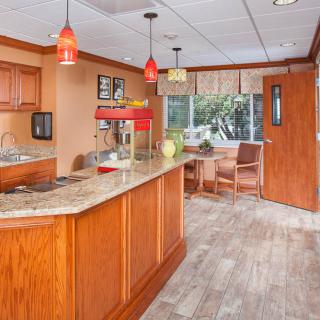
Dining

  • Diabetes diet Diabetes dietA diabetes diet is crucial for seniors as it helps manage blood sugar levels, reduce risks of complications, and improve overall health and well-being. By following a balanced and nutritious diet tailored to their specific needs, seniors can better control their diabetes and enhance their quality of life.
  • Special dietary restrictions Special dietary restrictionsSpecial dietary restrictions are important for seniors because age-related changes in metabolism and health conditions can make it difficult for their bodies to process certain foods. By following a diet tailored to their specific needs, seniors can maintain their overall health and well-being, manage chronic conditions, and reduce the risk of complications such as malnutrition or food interactions with medications.

Activities

  • Community-sponsored activities Community-sponsored activitiesCommunity-sponsored activities are important for seniors as they provide opportunities for social interaction, mental stimulation, and physical activity. These activities can help improve overall well-being, combat loneliness and isolation, and promote a sense of belonging and purpose among older adults.
  • Resident-run activities Resident-run activitiesResident-run activities are important for seniors as they encourage social interaction, creativity, and a sense of autonomy. These activities empower seniors to stay engaged and active in their community while fostering meaningful connections with their peers.
  • Scheduled daily activities Scheduled daily activitiesScheduled daily activities are important for seniors because they provide structure, socialization, mental stimulation, and physical activity. Engaging in regular activities can improve overall well-being and quality of life for seniors living in a community setting.

Description

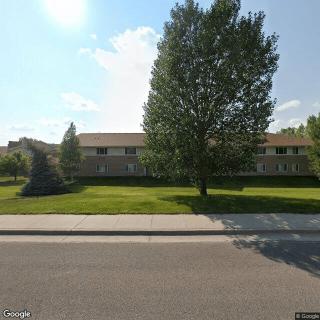
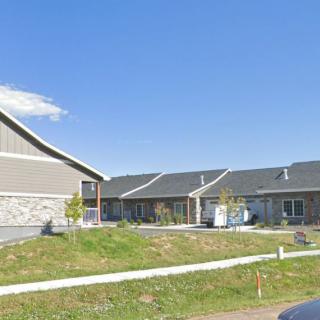
The Continue Care Home Health Agency in Cheyenne, WY is an assisted living community that provides a range of amenities and care services to ensure the comfort and well-being of its residents. The community offers fully furnished accommodations with cable or satellite TV, Wi-Fi/high-speed internet, and telephone services. Residents can enjoy their meals in the dining room or prepare their own meals in the kitchenette. Housekeeping services are provided to maintain a clean and tidy living environment.

Outdoor space and a garden area are available for residents to relax and enjoy the fresh air. Move-in coordination is offered to assist residents with a smooth transition into the community. The care services provided include 24-hour supervision, assistance with activities of daily living such as bathing, dressing, and transfers. The staff also coordinates with health care providers and manages medication for the residents.

The community takes special dietary restrictions into consideration when preparing meals for the residents. This includes diabetes diets and other specific dietary needs. A mental wellness program is also available to support the emotional well-being of the residents.

Transportation arrangements are made for medical appointments, ensuring that residents have easy access to healthcare facilities nearby. In addition to medical transportation, there are also various cafes, parks, pharmacies, restaurants, places of worship, theaters, and hospitals located nearby for convenience and entertainment purposes.

Residents can participate in resident-run activities as well as scheduled daily activities organized by the community. This promotes social interaction and engagement among the residents.

Overall, Continue Care Home Health Agency provides a comfortable living environment with comprehensive care services to meet the needs of its residents.

Nearby Places of Interest

Physicians

  • Southeast Wyoming Ear Nose & Throat Clinic PC (0.1 miles)
  • Family First (0.1 miles)
  • Consultants in Surgery (0.4 miles)
  • Cheyenne Skin Clinic P (0.5 miles)
  • Cole Mary Cheyenne Skin Clinic And Center For Dermatologic Surgery Cheyenne (0.5 miles)
  • Doc Martins Ear Nose & Throat (0.6 miles)
  • Cheyenne Oral & Maxillofacial Surgery (0.7 miles)

Places of Worship

  • Apostolic Church of Jesus Christ (0.2 miles)
  • Element Church (0.8 miles)
  • North Cheyenne Baptist Church (0.9 miles)
  • Ascension Lutheran Church (1.1 miles)
  • Cheyenne Korean Lord's Church (1.8 miles)
  • Mt Sinai Congregation of Cheyenne Wyoming (2 miles)
  • Healing Rooms of Cheyenne (2.1 miles)

Restaurants

  • Taco John's (0.3 miles)
  • McDonald's (0.4 miles)
  • Uncle Charlie's Lounge (0.6 miles)
  • Taqueria Mexicana MI Tierra (0.7 miles)
  • Two Bar Bowling Lanes Restaurant & Lounge (0.9 miles)
  • MrJims.Pizza (1 miles)
  • The Loco Grill Mexican & American Food (1.2 miles)

Pharmacies

  • Albertsons Pharmacy (0.4 miles)
  • Osco Pharmacy (0.4 miles)
  • North Star Pharmacy & Infusion (1.1 miles)
  • North Star Pharmacy (1.1 miles)
  • Walgreens (1.6 miles)
  • Genoa (1.8 miles)
  • CVS Pharmacy (1.9 miles)

Parks

  • Lions Park /Botanic Gardens (0.6 miles)
  • DRY Creek Greenway Cheyenne (0.8 miles)
  • Lions Park (1.1 miles)
  • Martin Luther King Jr Park (2.6 miles)

Transportation

  • Cheyenne Regional/Jerry Olson Field Airport (CYS) (1.4 miles)
  • U-Haul Neighborhood Dealer (1.5 miles)
  • Cheyenne Airport Authority (1.7 miles)
  • Great Lakes Aviation (1.7 miles)
  • Enterprise Rent-A-Car (2.3 miles)
  • Ford Rental System (2.6 miles)

Cafes

  • Dads Donuts and The Boys Brew (1.8 miles)
  • Paramount Cafe (2.6 miles)

Theaters

  • Capitol City Digital Cinemas (2.2 miles)
  • The Second Floor at the Paramount (2.6 miles)

Hospitals

  • Wyoming Spine & Neurological Associates (2.2 miles)

Frequently Asked Questions

How much does it cost to live at Continue Care Home Health Agency in Cheyenne, WY?
Where is Continue Care Home Health Agency?

Nearby Communities

Related Resources

  • assisted living vs memory careAssisted Living and Memory Care: Understanding Their Core Differences

    Assisted living provides moderate support for seniors seeking independence, while memory care offers specialized support for individuals with dementia or cognitive impairments through structured routines and trained staff. Key differences include care approaches, environment security measures, staff training levels, activity types, and cost considerations.

  • assisted living activitiesBeyond the Bingo Hall: 50+ Enriching Activities for Seniors in Assisted Living

    Assisted living communities offer diverse activities beyond traditional games to enhance seniors' physical health, cognitive well-being, emotional enrichment, and social connections, including fitness classes, creative expression, and intergenerational interactions. These enriching programs foster community bonds and support residents' independence and happiness.

  • assisted living vs memory careUnderstanding the Distinctions: Assisted Living and Memory Care Explained

    The article differentiates between assisted living and memory care, explaining that assisted living supports seniors with daily activities while promoting independence, whereas memory care provides specialized services for individuals with dementia, focusing on secure environments and cognitive support. It also addresses staff training, safety considerations, costs, family involvement, and transition strategies for families navigating these care options.