Cheyenne Reg Medical Center Transitional Care Unit

214 East 23Rd Street, Cheyenne, WY 82001

For more information about senior living options: (844) 490-3973

3.2 from 100 reviews
5 stars
48
4 stars
6
3 stars
4
2 stars
1
1 stars
41

Skilled Nursing Facility

What level of care are you interested in?

Assisted Living

Memory Care

Independent Living

Skilled Nursing Facility

Continuing Care Retirement Community (CCRC)CCRC

Other


Request a tour at Cheyenne Reg Medical Center Transitional Care Unit

    Overall Review of Cheyenne Reg Medical Center Transitional Care Unit

    Pros

    • pro A patient received amazing care during an echo test; Nurse Rita was professional, kind, and thorough.
    • pro Rita and the team went above and beyond to ensure the patient was well cared for, even when in another area.
    • pro ER staff were incredibly kind, compassionate, and knowledgeable.
    • pro Their professionalism and empathy made a real difference for the patient.
    • pro Cheyenne Regional Medical Center ? West Campus was described as a haven of hope and healing, with kudos to the entire team.
    • pro ER staff were praised for quickly getting patients into rooms and for kindness; nurse practitioners were great as well.
    • pro Once admitted, the staff were fantastic - friendly, caring, and helpful.
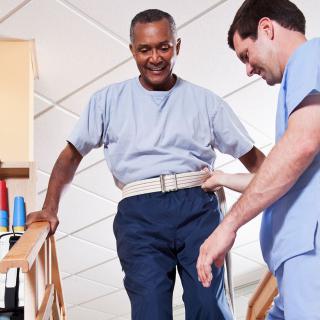
    • pro The Acute Rehabilitation Unit was described as a gem, with compassionate care that helped the patient move forward in rehab.
    • pro Nurses and aides were incredibly attentive, treating patients with warmth and respect as if they were family.
    • pro Physicians and nurse practitioners were top-notch, taking time to explain progress; therapists were outstanding, pushing with kindness and expertise to achieve milestones.

    Cons

    • pro The doctor Singh, Yojna is described as not caring about patients, attempting to discharge them prematurely and leaving them in danger.
    • pro The hospital is said to have gone downhill and should improve how it talks to patients and their families.
    • pro An ER visit was marked by incompetent, unresponsive staff who kept the patient waiting all day for basic care.
    • pro The ER was reportedly understaffed, leading to hours-long delays for bloodwork and fluids.
    • pro A postpartum patient reported that symptoms were dismissed as a skin rash and an appointment was canceled, delaying care.
    • pro Staff were described as rude about workers' compensation, with billing issues months later after stitches.
    • pro The facility was called a dump that does not care about people.
    • pro Rude nurses and terrible service were reported, with the reviewer saying they would not have another surgery there.
    • pro A family member waited hours for tests and results, and the doctor never showed up, leaving them in pain.
    • pro Communication failures were noted when a 15 MB file could not be emailed and had to be delivered on a CD.

    Review

    Across Cheyenne Regional Medical Center, patient experiences span a broad spectrum from heartfelt gratitude to sharp disappointment. On the glowingly positive side, a number of reviewers highlight nurses and other frontline staff who went above and beyond to ensure comfort, clarity, and compassionate care. One patient recalled an echo test where a nurse named Rita stood out for her professionalism, kindness, and thoroughness, even when the patient was in another area receiving tests. This reviewer felt Rita "went above and beyond," and stressed that the entire team helped create a sense of ease and reassurance during a stressful medical experience. Another account praised the ER staff as a whole - the nurses, doctors, phlebotomists, and registration team - describing them as incredibly kind, compassionate, and knowledgeable. In that moment of crisis, their professionalism and empathy made a meaningful difference, leaving the patient grateful for the care available in the community. Across several visits, reviewers consistently note that, when care was well-executed, it was characterized by warmth, respect, and attentiveness that helped patients feel truly supported.

    In the Emergency Department specifically, the praise is nuanced but persistent. One reviewer rated the ER experience as five stars for getting into an ER room quickly and appreciated the kindness and helpfulness of the registered nurses, nurse practitioners, and the broader ER team. Yet even within this positive frame there are cautions about workflow and communication. It was noted that while the staff were excellent, the experience could be hampered by perceived understaffing, with a later visit recounting a four-hour wait for bloodwork and fluids - an issue that many hospitals face when demand is high. The reviewer recognized the reality that test results take time, but suggested that more proactive communication about delays and expected timelines would be helpful. A memorable aside was the staff member Miranda, who left a lasting impression on one visitor and was singled out as a highlight within the ER's longer, variable narrative.

    Beyond the ER, the Acute Rehabilitation Unit (ARU) at Cheyenne Regional is celebrated by another family as a beacon of hope during a difficult recovery journey. After stabilizing elsewhere, a spouse saw their husband transfer to ARU, and the care in that unit was described in glowing terms. The entire team - nurses, aides, doctors, nurse practitioners, case managers, and therapists across physical, occupational, and speech disciplines - was praised for exceptional competence and dedication. Reviewers emphasized the depth of compassion demonstrated, noting that the therapists pushed with kindness and expertise to achieve milestones that once seemed out of reach. The warmth extended to ancillary staff - food service workers and custodians - contributing to a welcoming, uplifting environment. The ARU was described as a "gem" within Cheyenne Regional, with a consensus that the care there gave the patient renewed hope and a clearer path forward in rehabilitation, leaving families feeling grateful and encouraged.

    Not every visit and every unit elicits praise, however. A subset of reviews centers on concerns about communication, consistency, and perceived indifference in some interactions. One review targets a telemedicine/telemetry clinician - referred to as Singh, Yojna - who allegedly told a patient that the doctor "does not give a damn about her patients" and suggested hastily discharging patients, even stating they might be left in a body bag rather than receiving needed care. The reviewer, incensed by what they described as a dismissal of patient and family needs, urged the hospital to "do better" in how it speaks to patients and their loved ones. This single account stands in stark contrast to the more positive experiences described elsewhere, underscoring how patient perceptions can diverge sharply within the same hospital system.

    Other negative threads circle around specific, personal health concerns that were not adequately addressed. A postpartum patient and her family recount a situation where a clinician dismissed a symptom as a skin rash, recommending Aquaphor even though the symptom was not on the surface of the skin and did not resemble a simple rash. They described trying various remedies with little effect and receiving a recommendation to seek urgent care rather than scheduling an appointment with a maternal-health specialist who would know the patient's history. The reviewer criticized what they saw as a misalignment between a provider's expertise and the patient's recent postpartum status, lamenting a sense that the doctors were more focused on insurance payouts than comprehensive clinical evaluation. The sentiment echoed a broader frustration with the system, including the feeling that their concerns were not given the time or attention they deserved during a critical period.

    A separate thread focuses on workman's compensation experiences, presenting a cautionary tale about administrative friction. A patient who needed stitches after a workplace injury described rude behavior around a tetanus shot while also recounting how the clinic later sent bill notices months after the fact, insisting on information that the patient believed had already been provided or that should have been unnecessary under workers' comp arrangements. The patient ultimately had to navigate state resources to resolve what felt like a avoidable administrative nightmare, illustrating how non-clinical factors - billing, paperwork, and insurer interactions - can color a patient's overall impression of a hospital stay as much as the clinical care itself.

    To round out the portrait, one reviewer who had a negative experience with a different episode still acknowledged some bright spots, while others labeled the experience as "absolutely terrible." Across these varied accounts, the hospital emerges as a complex ecosystem where moments of highly effective, compassionate care blend with episodes of frustration over delays, miscommunications, and administrative hurdles. A recurring sentiment across multiple reviews is that when staff - whether in nursing, medicine, or support services - communicate clearly, treat patients with dignity, and coordinate efficiently, the hospital delivers care that patients feel is worthy of recommendation. Conversely, when staffing gaps, unclear information, or perceived indifference creep in, the same facility can feel like a source of stress rather than relief.

    In sum, Cheyenne Regional Medical Center represents a facility of contrasts. The most powerful testimonials celebrate teams and individuals who demonstrate empathy, expertise, and a patient-centered approach - from Rita the echo nurse who embodied thorough care, to the ER and ARU crews whose warmth and professionalism brought comfort during trying times. Yet there are equally strong accounts of frustration: delayed test results, gaps in communication, administrative missteps, and concerns about how certain clinicians - whether due to workload, perspective, or processes - interact with patients and families. Taken together, the reviews sketch a hospital that many patients hold in high regard for the life-changing, compassionate care it can provide, while also revealing persistent opportunities for improvement in staffing, communication, and administrative practices that would help ensure consistently positive patient experiences across all units.

    Features

    Housing

    • 16 resident community capacity 16 resident community capacity

    Types of Care

    • Skilled Nursing Facility Skilled Nursing FacilitySkilled Nursing Facilities are crucial for seniors as they provide round-the-clock medical care, rehabilitation services, and assistance with daily activities. These facilities ensure that seniors receive the specialized care they need to maintain their health and well-being as they age.

    Amenities

    • Cable or satellite TV Cable or satellite TVCable or satellite TV is important for seniors because it provides entertainment, news, and companionship, helping to combat loneliness and boredom. It also offers a wide range of programming options tailored to different interests and preferences.
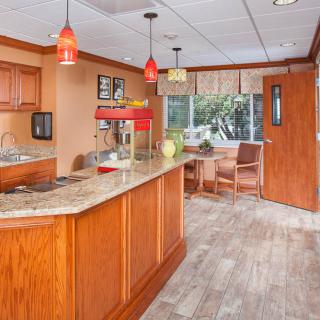
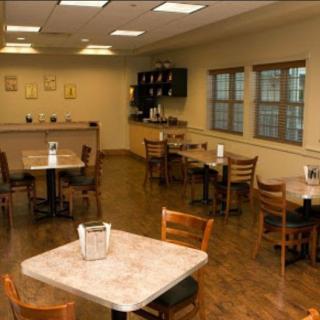
    • Dining room Dining roomDining rooms are important for seniors as they provide a space for socialization, connection, and nutritious meals. They offer opportunities for residents to bond over shared meals, foster a sense of community, and promote healthy eating habits. Dining rooms also ensure that seniors have access to well-balanced meals tailored to their dietary needs and preferences.
    • Fully furnished Fully furnishedFully furnished senior living communities are important for seniors because they provide convenience, comfort, and a hassle-free moving experience. Seniors can easily settle into their new living space without the stress of having to buy and move furniture. This allows them to focus on enjoying their new home and community.
    • Garden GardenGardens are important for seniors as they provide a peaceful and therapeutic environment for relaxation, physical activity, and socialization. Being in nature has been shown to reduce stress, improve mood, and promote overall well-being. Gardens also offer opportunities for seniors to engage in gardening activities, which can improve mobility, flexibility, and cognitive function. Additionally, gardens create a sense of community and connection with others who share a passion for plants and outdoor spaces.
    • Housekeeping services Housekeeping servicesHousekeeping services are important for seniors because they help maintain a clean and safe living environment, promote independence, and reduce the risk of accidents or illnesses. Additionally, having assistance with household chores can alleviate physical strain and allow seniors to focus on other aspects of their well-being.
    • Move-in coordination Move-in coordinationMove-in coordination is important for seniors because it helps ease the transition into their new living environment. It ensures that all logistics, such as packing, organizing movers, and setting up utilities are taken care of, allowing seniors to focus on settling in and adjusting to their new home. Having a smooth move-in process can alleviate stress and anxiety, making the transition smoother and more enjoyable for seniors.
    • Outdoor space Outdoor spaceOutdoor spaces are important for seniors as they provide opportunities for physical activity, social interaction, exposure to natural light and fresh air, and a sense of connection to nature. Having access to outdoor spaces can improve overall well-being and quality of life for older adults living in senior communities.
    • Telephone TelephoneTelephones are important for seniors as they provide a lifeline for communication with loved ones, emergency services, and healthcare providers. They offer a sense of security and independence, enabling seniors to stay connected and access assistance when needed.
    • Wi-Fi/high-speed internet available Wi-Fi/high-speed internet availableWi-Fi/high-speed internet is important for seniors to stay connected with loved ones, access online resources, and participate in virtual activities to combat feelings of loneliness and isolation. It also allows them to easily manage healthcare needs, access entertainment, and engage in lifelong learning opportunities.

    Transportation

    • Cheyenne (1 miles away) Cheyenne (1 miles away)

    Care Services

    • 24-hour supervision 24-hour supervision24-hour supervision is important for seniors to ensure their safety, well-being, and access to immediate assistance in case of emergencies or health issues. This constant support provides peace of mind for both seniors and their loved ones, allowing them to age in place with dignity and security.
    • Activities of daily living assistance Activities of daily living assistanceActivities of daily living assistance are important for seniors because they provide essential support with tasks such as eating, bathing, dressing, and mobility. This assistance helps seniors maintain their independence, dignity, and overall quality of life as they age.
    • Assistance with bathing Assistance with bathingAssistance with bathing is crucial for seniors as it helps maintain personal hygiene, prevents infections, and ensures their overall well-being and comfort. It also provides a sense of dignity and independence for seniors who may struggle with this task on their own.
    • Assistance with dressing Assistance with dressingAssistance with dressing is important for seniors because it helps maintain their independence, promotes personal hygiene, prevents accidents and injuries, and improves overall quality of life. This service ensures that seniors can continue to dress comfortably and confidently, despite any physical limitations they may have.
    • Assistance with transfers Assistance with transfersAssistance with transfers is crucial for seniors as it helps prevent falls and injuries, maintains their independence, and ensures they can safely navigate their living environment. It also provides peace of mind for both seniors and their loved ones.
    • Diabetes diet Diabetes dietA diabetes diet is crucial for seniors as it helps manage blood sugar levels, reduce risks of complications, and improve overall health and well-being. By following a balanced and nutritious diet tailored to their specific needs, seniors can better control their diabetes and enhance their quality of life.
    • Meal preparation and service Meal preparation and serviceMeal preparation and service are crucial for seniors as they may have limited mobility or energy to cook nutritious meals. Having access to healthy and convenient food options can ensure they are getting the proper nutrition needed to maintain their overall health and well-being.
    • Medication management Medication managementMedication management is crucial for seniors to ensure they are taking the right medications at the correct dosages and times. This helps prevent adverse drug interactions, reduces the risk of medication errors, and promotes overall health and well-being. Proactive management also allows for adjustments as needed based on changing health conditions or new prescriptions.
    • Special dietary restrictions Special dietary restrictionsSpecial dietary restrictions are important for seniors because age-related changes in metabolism and health conditions can make it difficult for their bodies to process certain foods. By following a diet tailored to their specific needs, seniors can maintain their overall health and well-being, manage chronic conditions, and reduce the risk of complications such as malnutrition or food interactions with medications.
    Dining

    • Diabetes diet Diabetes dietA diabetes diet is crucial for seniors as it helps manage blood sugar levels, reduce risks of complications, and improve overall health and well-being. By following a balanced and nutritious diet tailored to their specific needs, seniors can better control their diabetes and enhance their quality of life.
    • Special dietary restrictions Special dietary restrictionsSpecial dietary restrictions are important for seniors because age-related changes in metabolism and health conditions can make it difficult for their bodies to process certain foods. By following a diet tailored to their specific needs, seniors can maintain their overall health and well-being, manage chronic conditions, and reduce the risk of complications such as malnutrition or food interactions with medications.

    Activities

    • Community-sponsored activities Community-sponsored activitiesCommunity-sponsored activities are important for seniors as they provide opportunities for social interaction, mental stimulation, and physical activity. These activities can help improve overall well-being, combat loneliness and isolation, and promote a sense of belonging and purpose among older adults.
    • Scheduled daily activities Scheduled daily activitiesScheduled daily activities are important for seniors because they provide structure, socialization, mental stimulation, and physical activity. Engaging in regular activities can improve overall well-being and quality of life for seniors living in a community setting.

    Description

    Cheyenne Reg Medical Center Transitional Care Unit in Cheyenne, WY is a premier assisted living community that offers a range of amenities and care services to provide a comfortable and supportive environment for its residents. The community boasts a spacious dining room where residents can enjoy delicious meals prepared by the staff. Each living space is fully furnished, ensuring that residents have all the necessary comforts to feel at home.

    In addition to the indoor spaces, the community also features a beautiful garden and outdoor spaces where residents can relax and enjoy nature. Housekeeping services are provided to ensure that the common areas and individual living spaces are kept clean and tidy at all times.

    The staff at Cheyenne Reg Medical Center Transitional Care Unit offer move-in coordination assistance to make the transition into the community as smooth as possible. Residents can rest assured knowing that there is telephone access available for them to stay connected with loved ones, as well as Wi-Fi/high-speed internet for their convenience.

    Care services provided include assistance with activities of daily living such as bathing, dressing, and transfers. The staff also offer support in managing diabetes diets and medication management. Special dietary restrictions are accommodated to meet the unique needs of each resident.

    Residents at Cheyenne Reg Medical Center Transitional Care Unit can participate in scheduled daily activities to engage in social interactions and personal growth. In addition, there are various amenities nearby including 2 cafes, 6 parks, 5 pharmacies, 24 physicians, 36 restaurants, 6 transportation options, 16 places of worship, 2 theaters, and 3 hospitals. This ensures that residents have easy access to essential services and entertainment options within close proximity.

    Overall, Cheyenne Reg Medical Center Transitional Care Unit provides a nurturing and supportive environment where residents can receive personalized care while enjoying a range of amenities and nearby conveniences.

    Nearby Places of Interest

    Physicians

    • Internal Medicine Group (0 miles)
    • Cheyenne Children's Clinic (0 miles)
    • Cheyenne Regional Medical Center - West Campus (0 miles)
    • Wagner PL Bert MD - Wagner PL MD (0 miles)
    • Cheyenne OB GYN (0 miles)
    • Basu Hiregoudar, MD - Cheyenne Children's Clinic (0 miles)
    • high plains Surgical Center (0 miles)

    Places of Worship

    • Southern Baptist Convention (0.2 miles)
    • Cheyenne Christian Center Church (0.3 miles)
    • Southern Corrections Systems of Wyoming (0.3 miles)
    • St Mark's Episcopal Church (0.3 miles)
    • Mt Sinai Congregation of Cheyenne Wyoming (0.4 miles)
    • Trinity Lutheran School (0.6 miles)
    • Healing Rooms of Cheyenne (0.6 miles)

    Cafes

    • Dads Donuts and The Boys Brew (0.4 miles)
    • Paramount Cafe (0.5 miles)

    Restaurants

    • El Charrito Mexican Grill (0.4 miles)
    • 2 Doors Down/ Piccolo Venti (0.4 miles)
    • Sanford's Grub & Pub (0.5 miles)
    • The Metropolitan (0.5 miles)
    • Black Tooth Brewery (0.5 miles)
    • Samurai Sword HQ (0.5 miles)
    • Wyoming's Rib & Chop House (0.6 miles)

    Theaters

    • The Second Floor at the Paramount (0.5 miles)
    • Capitol City Digital Cinemas (0.9 miles)

    Pharmacies

    • Genoa (0.6 miles)
    • Walgreens (1.4 miles)
    • Walgreens (1.4 miles)
    • Medication Donation Program (1.7 miles)
    • CVS Pharmacy (1.7 miles)

    Parks

    • Holliday Park (0.8 miles)
    • Martin Luther King Jr Park (0.9 miles)
    • Lions Park (1 miles)
    • Optimist Park (1.5 miles)
    • Lions Park /Botanic Gardens (1.5 miles)
    • DRY Creek Greenway Cheyenne (1.8 miles)

    Transportation

    • Cheyenne Regional/Jerry Olson Field Airport (CYS) (0.9 miles)
    • Cheyenne Airport Authority (0.9 miles)
    • Great Lakes Aviation (1 miles)
    • Enterprise Rent-A-Car (1 miles)
    • U-Haul Neighborhood Dealer (1.4 miles)
    • Ford Rental System (1.4 miles)

    Hospitals

    • Va Medical Center (1.6 miles)
    • Veterans Affairs Medical Center (1.7 miles)
    • Wyoming Spine & Neurological Associates (1.8 miles)

    Frequently Asked Questions

    Where is Cheyenne Reg Medical Center Transitional Care Unit?

    Nearby Communities

    Related Resources

    • what to do for arthritisComprehensive Approaches for Arthritis: A Detailed Guide to Symptoms, Causes, and Care

      Arthritis encompasses over 100 joint disorders affecting people of all ages, leading to symptoms like pain and stiffness that impair mobility and quality of life. Effective management involves early diagnosis, lifestyle changes, medical treatments, emotional support, and ongoing monitoring with healthcare professionals.

    • elderly fall preventionComprehensive Insights and Practical Strategies to Help Older Adults Avoid Falls

      The article highlights the high risk of falls among older adults due to factors like muscle weakness, vision issues, and environmental hazards, with one in four experiencing a fall annually. It advocates for a comprehensive prevention approach that includes exercise, home safety modifications, medication management, social support, and caregiver involvement.

    • what does an elder law attorney do6 Crucial Ways an Elder Law Attorney Assists Families

      Elder law attorneys assist older adults and their families with legal matters such as estate planning, Medicaid eligibility, and guardianships, while also providing protection against elder abuse. They help navigate complex regulations to safeguard financial resources, ensure well-being, and maintain autonomy for seniors.


    Get Pricing Ask A Question Schedule A Tour Contact Senior Advisor