Residents and families consistently describe staff who are attentive, kind, and quick to respond.
Across the reviews, families repeatedly highlight staff friendliness, attentiveness, and respectful care. Many note ongoing communication and that concerns or needs get addressed promptly. Several also describe staff interacting with residents as part of daily life, not only during care tasks. Residents and families frequently compare the experience to being treated like family.
common18 reviews mention this
Clean, home-like environment
The facility is repeatedly described as clean, well kept, and genuinely welcoming.
Multiple reviews describe a clean, well-maintained setting with an overall calm, home-like feel. Families mention the appearance of the building and how it supports comfort during transition. Several also point to multiple shared areas and a property that feels designed for residents to gather and socialize. This matches what the community offers, including a furnished, maintained environment with outdoor space.
differentiator9 reviews mention this
Memory care experience stands out
Residents in memory care are described as well supported with staff who know dementia needs.
Reviews that specifically mention memory care and dementia describe staff as patient and knowledgeable, including support during transitions into the program. Some families also describe dementia-related training and day-to-day routines that help residents feel secure. The community offers memory care programming alongside assisted living services, and the reviews that call out early onset dementia reinforce that focus. For families weighing placement, this expertise appears to be a key reason they felt comfortable.
common7 reviews mention this
Activities feel engaging
Residents are repeatedly described as staying engaged through frequent, organized activities.
Several reviews highlight a steady flow of events and scheduled activities, with families enjoying updates from community life. Residents are described as participating and smiling, and some families say staff are always doing something when they visit. The community also includes community-sponsored and scheduled daily activities, which aligns with what families describe seeing day to day. For memory care specifically, reviews mention structure and routine alongside activity planning.
common6 reviews mention this
Food and dining support
Meals are described positively, including attention to nutrition and dietary needs.
Families mention that the food is enjoyable and that meals are nutritious. Several also reference tailored dietary support, which aligns with the community offering diets such as diabetes-related and special dietary restrictions. Reviews describing food quality and nutrition support the idea that dining is more than just a routine handoff. Combined with the community’s meal preparation and service support, residents and families appear to feel confident about what’s being served.
How we summarize
Counts show how many written reviews mention each theme; a review can touch several themes, and only frequently mentioned themes are displayed.
Features
Housing
3 resident community capacity
Types of Care
Assisted Living
Board and Care Home
Memory Care
Amenities
Cable or satellite TV
Dining room
Fully furnished
Garden
Housekeeping services
Move-in coordination
Outdoor space
Telephone
Wi-Fi/high-speed internet available
Care Services
24-hour supervision
Activities of daily living assistance
Assistance with bathing
Assistance with dressing
Assistance with transfers
Coordination with health care providers
Dementia waiver
Diabetes diet
Hospice waiver
Meal preparation and service
Medication management
Mental wellness program
Mild cognitive impairment
Special dietary restrictions
Specialized memory care programming
Transportation arrangement (medical)
Transportation to doctors appointments
Dining
Diabetes diet
Special dietary restrictions
Activities
Community-sponsored activities
Scheduled daily activities
Nearby Places of Interest
Theaters
Theatres of Whitewater (3.2 miles)
Restaurants
Taco Bell (3.2 miles)
Arby's (3.5 miles)
Domino's Pizza (3.9 miles)
McDonald's (4 miles)
Stagecoach Inn (4.7 miles)
Downstairs Sports Bar & Grill (4.9 miles)
Fat Jacks (5 miles)
Physicians
Fort HealthCare Whitewater (3.3 miles)
Internal Medicine & Pediatrics (3.3 miles)
Whitewater Family Practice (3.7 miles)
Dean Clinic Whitewater (3.7 miles)
SSM Health Dean Medical Group (3.7 miles)
Southern Wisconsin Mental Health Clinics (4.6 miles)
Mercy Whitewater Medical Center (4.6 miles)
Pharmacies
Walmart Pharmacy (3.7 miles)
McCullough's Prescriptions & Gifts (3.9 miles)
McCullough's LTC Pharmacy (3.9 miles)
Doctor's Custom Compounding (3.9 miles)
Walgreens (4.1 miles)
Prescription Golf (5.9 miles)
Mercy Milton Pharmacy (6.9 miles)
Cafes
The SweetSpot Bakehouse (3.9 miles)
The SweetSpot Cafe (4.8 miles)
Starbucks (10.8 miles)
Places of Worship
Mission Home (4 miles)
Warm Promise Point Kids (4.5 miles)
Whitewater Bible Church (4.5 miles)
Congregational Church-United Church of Christ (4.6 miles)
First English Lutheran Church (4.7 miles)
Faith Community Church (5 miles)
Milton Preschool Learning Center (6.8 miles)
Hospitals
Mercy Health System Corporation (4.6 miles)
Fort Memorial Hospital (7.1 miles)
Fort Atkinson Hospital Labor And Delivery (7.2 miles)
The features offered by Lohffs Assisted Living are designed to create a supportive and structured environment tailored to the specific needs of residents with dementia or Alzheimer's disease. Assistance with dressing and bathing ensures that individuals maintain personal hygiene and dignity, while meal preparation and service provide nutrition that is essential for both physical health and cognitive functioning. Medication management minimizes the risk of errors in dosage, crucial for maintaining overall health, and careful transportation arrangements facilitate access to medical appointments, ensuring continuity of care. Coordination with healthcare providers enhances communication regarding each resident's unique needs, while 24-hour supervision ensures safety and immediate assistance as required. Programs focused on mental wellness and specialized memory care programming engage residents cognitively, helping slow cognitive decline, while support for activities of daily living fosters independence within a secure framework. This comprehensive approach ultimately contributes to a higher quality of life for those facing the challenges associated with memory loss.
Nearby Communities
Lohffs Assisted Living North
Whitewater, WI
Small, warm setting with memory-care focus and comprehensive support.
Willow Winds Living II
Whitewater, WI
1 from 4 reviews
Small, personalized board-and-care with 24/7 supervision and comprehensive care (ADLs, medication management) plus on-site dining, housekeeping, and activities.
Willow Winds IV
Whitewater, WI
1 from 4 reviews
Comprehensive assisted living with furnished apartments, meals, housekeeping, Wi?Fi, transportation, and daily activities.
Willow Winds Living
Whitewater, WI
1 from 4 reviews
Fully furnished rooms with meals, housekeeping, care assistance, and daily activities.
Rolling Meadows
Fort Atkinson, WI
Intimate, personalized care in a small 7-bed community
Topaz House
Whitewater, WI
$4,000 / month
Small, personalized care with 24/7 supervision and furnished private rooms.
Mulberry Glen
Whitewater, WI
$1,210 to $1,360 / month
Affordable pricing with comprehensive care options and on-site dining.
Wellington Place at Fort Atkinson
Fort Atkinson, WI
4.5 from 6 reviews
$2,030 to $3,480 / month
Exceptional staff in a warm, home-like setting with a river view.
Sunset Ridge Jefferson
Jefferson, WI
4.4 from 34 reviews
$5,500 to $5,970 / month
Small, family-like environment with caring staff and engaging activities.
The article presents five subtle indicators of dementia, such as memory lapses and mood swings, to help families assess cognitive decline in loved ones. It emphasizes early detection, open communication, and seeking professional help while providing practical support steps.
Dementia encompasses progressive neurological disorders that impair cognitive functions and can lead to paranoia due to cognitive decline and emotional changes. The article discusses the triggers of paranoia in dementia, caregiver strategies for managing it, and the importance of distinguishing between dementia-related paranoia and other psychiatric conditions.
Memory care activities are essential for improving the quality of life of seniors with cognitive impairments, as they stimulate cognitive function, promote well-being, and encourage social interaction through tailored strategies. These activities combine structured exercises with spontaneous tasks, sensory engagement, physical workouts, creative pursuits, and intergenerational interactions to enhance emotional connection and a sense of purpose.
Get PricingAsk A QuestionSchedule A TourContact Senior Advisor
By clicking submit, you agree to our Partner's Terms of Use. You
also consent to receive calls and texts, which may be autodialed, from our Partner. Your consent is not a condition to
using our Partner's service. Please visit our Partner's Privacy Policy for information about their privacy practices.






 3 resident community capacity
 Assisted Living
 Board and Care Home
 Memory Care
 Cable or satellite TV
 Dining room
 Fully furnished
 Garden
 Housekeeping services
 Move-in coordination
 Outdoor space
 Telephone
 Wi-Fi/high-speed internet available
 24-hour supervision
 Activities of daily living assistance
 Assistance with bathing
 Assistance with dressing
 Assistance with transfers
 Diabetes diet
 Hospice waiver
 Meal preparation and service
 Medication management
 Mental wellness program
 Special dietary restrictions
 Transportation arrangement (medical)
 Transportation to doctors appointments
 Small, warm setting with memory-care focus and comprehensive support.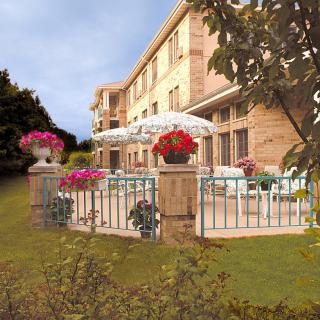
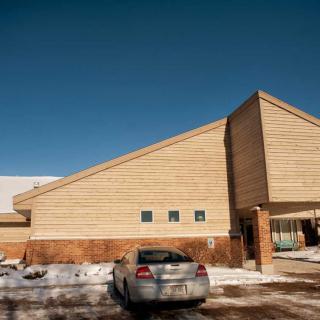
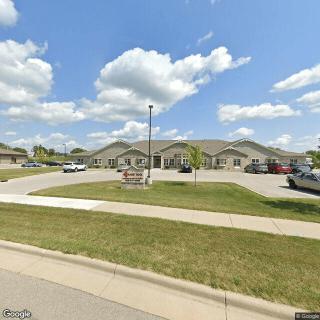
 Five Subtle Dementia Indicators to Observe: An In-Depth Guide to Understanding “Does My Mom Have Dementia?”
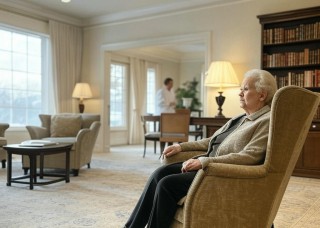 Dementia, Paranoia, and Caregiver Guidance: Understanding the Connection
 Engaging Memory Care Activities That Enhance Quality of Life