
N348 Twinkling Star Road, Whitewater, WI 53190
For more information about senior living options: (866) 208-4318
Overall Review of Willow Winds IV
Pros
 The reviewer expresses concern for loved ones’ safety.
- The reviewer emphasizes the importance of following state rules.
- The reviewer aims to guide others toward safer care decisions.
- The reviewer intends to protect families by warning them to choose safer options.
Cons
 The facility is poorly managed.
- It is not well kept.
- The staff do not follow state rules.
- People should not send their loved ones there.
Review
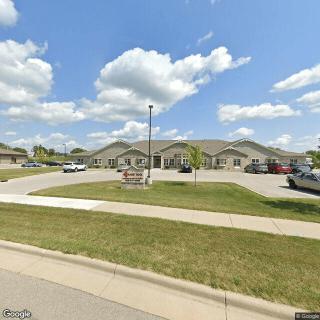
Willow Winds IV in Whitewater, Wisconsin is best suited for families facing tight financial constraints who must consider assisted living options despite very limited quality assurances. The community is not a fit for anyone who expects reliable governance or consistent daily care. Those with no practical alternatives may be forced to look at Willow Winds IV, but only if they are prepared to take an unusually active role in supervising staff, staying on top of care schedules, and ready to advocate aggressively to resolve problems as they arise. In short, it is a choice for the budget-conscious family willing to accept substantial oversight responsibilities and the risk of ongoing care gaps.
Anyone needing dependable safety, clean environments, and staff who follow state rules should look elsewhere. Prospective residents with higher care requirements, complex medication needs, or a preference for well-kept facilities will likely be disappointed. Families should also consider that turnover or inconsistent staffing quality will magnify issues and erode trust quickly. Alternatives with transparent governance, visible maintenance, and documented compliance are more suitable for those who cannot supervise care day-to-day.
From the feedback available, there are no evident redeeming qualities that would offset the central failings. The top concerns are persistent mismanagement, poor upkeep, and staff disregard for state regulations. When a facility exists in such a cluster of deficiencies, any potential cost savings evaporate under the weight of safety and dignity risks. No reviewer identified meaningful advantages, and the absence of credible positives means the negatives are not merely inconveniences but potential threats to resident wellbeing. In such a scenario, even minor improvements would be out of balance with ongoing hazards.
To make an informed decision, families should pursue specific assurances: request recent state inspection reports and any corrective action plans, verify current staffing ratios and staff qualifications, and inspect the living areas during off-peak hours to assess cleanliness and maintenance. Ask for a formal tour with a caregiver and a resident, and take notes on how maintenance requests are handled. Demand concrete policies on medication administration, resident rights, and incident reporting. If possible, observe how staff interact with residents and whether rules are applied consistently across shifts. This due diligence helps separate impression from reality.
Where a family cannot avoid Willow Winds IV due to constraints, set a tight monitoring and exit plan. Require weekly updates from management, a clear path for escalating concerns, and a defined timeframe for measurable improvements. Consider a trial period with a contingency plan to relocate if key standards are not met. In parallel, compare alternatives that offer stronger governance, cleaner facilities, and documented compliance, sites with posted inspection histories and transparent staff training programs. The cautionary stance here is practical: value safety and consistency over temporary cost advantages.
Bottom line: Willow Winds IV presents a high-risk profile for most seniors and families seeking dependable care. It is not a strong fit for anyone who prioritizes safety, cleanliness, and regulatory compliance. Alternatives with proven staffing stability and clearer accountability should be pursued first. If cost remains a factor, use the willingness to supervise as a prerequisite to choosing this facility and lock in a robust oversight plan. The prudent choice is to move toward options with verifiable standards, even if it requires more effort or travel, rather than accept ongoing management and safety concerns.
 4 resident community capacity
 Assisted Living
 Cable or satellite TV
 Dining room
 Fully furnished
 Garden
 Housekeeping services
 Move-in coordination
 Outdoor space
 Telephone
 Wi-Fi/high-speed internet available
 24-hour supervision
 Activities of daily living assistance
 Assistance with bathing
 Assistance with dressing
 Assistance with transfers
 Diabetes diet
 Meal preparation and service
 Medication management
 Special dietary restrictions
 Transportation arrangement (medical)
 Transportation to doctors appointments



 A Detailed Exploration of Assisted Living Medicaid Waivers Across the United States
 Comprehensive Residential Support and Assisted Living Solutions for Individuals with Disabilities
 Comprehensive Supportive Living Arrangements for Adults with Disabilities