
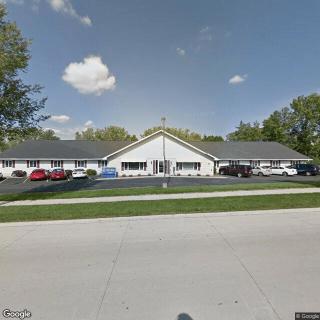
W10004 Cty Road Tc, Waupun, WI 53963
For more information about senior living options: (866) 208-4318
Overall Review of Mahlstedt Adult Family Home
Pros
 The environment is warm and comforting.
- The staff are excellent.
- The friend loves the place.
- The place earns a five-star rating.
Review
Mahlstedt Adult Family Home in Waupun, WI, is best suited for families seeking a small, intimate, home-like living arrangement where residents are known personally and care feels relational rather than procedural. The environment is described as warm and comforting, with staff consistently noted as excellent. In this setting, residents appear to settle in quickly, forming bonds with caregivers and expressing genuine affection for the place. This is not a campus atmosphere with broad amenities; it is a quiet, steady home where daily routines are predictable and human connection drives the experience. For families prioritizing peace of mind, familiarity, and a strong sense of belonging, Mahlstedt stands out as a compelling match.
Those weighing alternatives should consider their need for higher-acuity medical support or more expansive programming. If a resident requires robust on-site medical oversight, dementia-specific programming, or a wide array of scheduled activities, a larger assisted-living community or a dedicated memory-care setting may serve better. Facilities with transportation, multiple on-site therapists, and formal activity departments often appeal to families seeking a breadth of services beyond what a small home can provide. In such cases, Mahlstedt’s individualized, hands-on approach may feel limiting rather than liberating. The decision hinges on whether intimate, personalized care outweighs the lure of broader clinical resources.
The strongest pros, an exceptionally warm environment and standout staff, are the core reasons Mahlstedt works so well for many residents. When caregivers know daily routines, preferences, and triggers, care becomes anticipatory rather than reactive, reducing stress and improving quality of life. The resident’s own strong affinity for the home, the fact that loved ones report they are happy there, adds a powerful signal that moves beyond mere satisfaction. These advantages compensate for the inevitable trade-offs of a small house setting, such as fewer formal programs or fewer on-site clinicians, by delivering consistency, trust, and a sense of safety that can be hard to achieve in larger communities.
Another meaningful payoff is the home-like rhythm that supports continuity in daily life. Regular meals at familiar times, predictable routines, and the comfort of known surroundings can noticeably lower anxiety and agitation, particularly for residents who thrive on routine and personal recognition. Staff appear dedicated to preserving dignity and comfort, which translates into better daily interactions and fewer moments of felt disruption. The potential downside, a smaller operation with fewer fixed programs, can be mitigated by the depth of relationships cultivated between residents and caregivers, leading to highly personalized care plans and a reassuring sense of stability for families.
When evaluating Mahlstedt, practical scrutiny matters as much as sentiment. Families should inquire about caregiver-to-resident ratios during peak times, the specifics of medication management, and how medical appointments or urgent needs are accommodated. Tours should include conversations with administrators about emergency procedures, care planning, and how dietary restrictions or mobility issues are addressed. Observing staff interactions firsthand, whether concerns are addressed promptly, and whether staff engage residents with warmth and respect, offers a realistic gauge of daily life. Clarify visitation expectations, rights, and how family input is integrated into ongoing care to ensure alignment with personal expectations and values.
Bottom line: Mahlstedt Adult Family Home excels for those seeking a small-scale, person-centered experience where residents are known well and care feels deeply personal. It suits seniors who value comfort, routine, and stable, compassionate relationships over high-end amenities or extensive medical services. For families needing extensive medical oversight, dementia-focused programming, or a broader menu of on-site therapies, alternatives in larger settings may prove a better fit. A thoughtful visit, asking pointed questions about staffing, care planning, and service scope, will illuminate whether the live-in experience aligns with both medical needs and emotional well-being. When the fit is right, the decision is clear and straightforward.
 4 resident community capacity
 Assisted Living
 Cable or satellite TV
 Dining room
 Fully furnished
 Garden
 Housekeeping services
 Move-in coordination
 Outdoor space
 Telephone
 Wi-Fi/high-speed internet available
 24-hour supervision
 Activities of daily living assistance
 Assistance with bathing
 Assistance with dressing
 Assistance with transfers
 Diabetes diet
 Meal preparation and service
 Medication management
 Special dietary restrictions
 Transportation arrangement (medical)
 Transportation to doctors appointments

 8 Key Indicators That Suggest It May Be Time to Transition from Assisted Living to Skilled Nursing Care
 Vibrant Senior Living: A Comprehensive Guide for Active Older Adults
 When to Transition from Assisted Living to Memory Care: Key Indicators, Steps, and Finding the Right Community