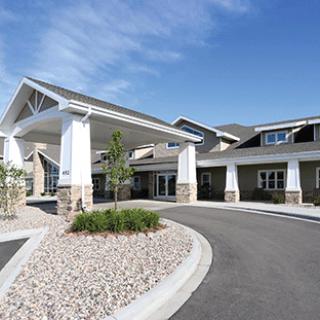
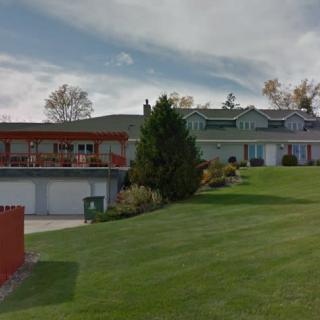
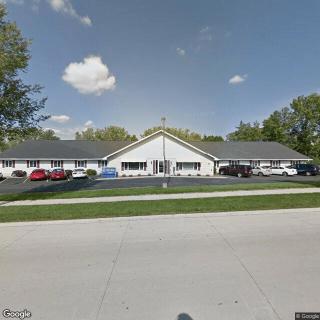
1001 W Brown St, Waupun, WI 53963
To contact a resident: (920) 324-7624
For more information about senior living options: (866) 208-4318
Homestead I and Homestead II Costs & Pricing
The costs for Homestead I and Homestead II reflect a premium offering in the senior living market, with studio accommodations priced at $5,460 per month. This rate stands in contrast to Fond du Lac County, where similar studio units average around $3,435, and significantly above the state average of $3,999 for Wisconsin as a whole. The higher pricing for Homestead I and II likely corresponds to enhanced amenities, services, or care options that cater to residents seeking a more comprehensive living experience. While these facilities are positioned at a higher price point than local and state averages, they may provide unique value that justifies the investment for families considering long-term care solutions.
| Floor plans | Homestead I and Homestead II | Fond du Lac County | Wisconsin |
|---|---|---|---|
| Studio | $5,460 | $3,435 | $3,999 |
Memory care communities with a similar price nearby
-
from -$960 / mo
Bay Harbor at Arcadia Memory Care & Assisted Living
$4,500 to $6,000 / month13.8 miles away -
from +$1040 / mo
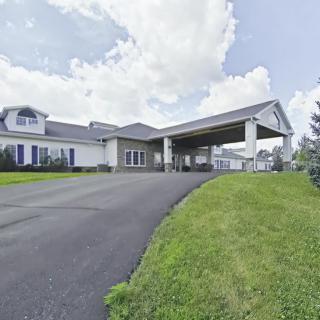
Landmark At Charleston House Cbrf
$6,500 to $8,000 / month13.6 miles away -
from -$960 / mo
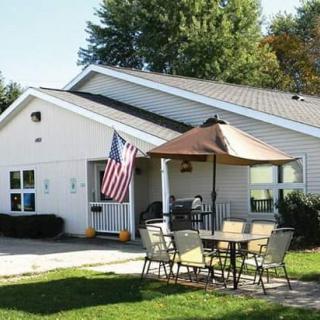
Touchstone of Mayville
$4,500 / month13.8 miles away
Overall Review of Homestead I and Homestead II
Pros
 The staff-to-resident ratio is excellent, and every caregiver understands memory care, creating an environment of love, family, and understanding.
- He was always out with others, clean, dressed, and respected, reflecting the quality of care he received.
- Homestead views dementia as a way to understand where a person is and to respectfully support them.
- In his final days, Homestead worked with Hospice to provide a peaceful passing while honoring his dignity.
- The environment is welcoming, clean, and caring for each resident, with strong communication despite staffing changes.
- Jenni and her staff are exceptional, and the food is fantastic.
- They provide phenomenal care, love, and support for residents and their families.
Cons
 Homestead Living is a joke, and so are the owners.
- The scheduler lied to the old director, resulting in the reviewer being let go.
- They can’t keep staff or management; the place feels chaotic.
- The morning shift seems lazy and doesn’t want to do their job.
- The director seems creepy, with smiles like the Joker from Batman.
- The carpet in the rooms is outdated and disgusting.
Review
Homestead I and II in Waupun, Wisconsin are best suited for families seeking a memory-care focused home where dementia is understood as a condition to support, not a problem to discipline. This is a setting that values relationship-based care, safety-first design for memory-impaired residents, and a staffing approach that emphasizes engagement, respect, and family-like connection. For seniors who need constant supervision, structured routines, and gentle, individualized attention, this community offers a compelling combination of compassionate care and practical, day-to-day stability.
That said, potential residents or families who require a precisely polished, consistently flawless operation should consider alternatives. A few reviews flag organizational and leadership gaps, with comments about shifts feeling understaffed, a director described as off-putting, and a sense of drama or favoritism within the staff culture. Some families encountered turnover and communication hiccups amid staffing changes. Those who prize a spotless aesthetic, strict administrative predictability, or a uniformly high-energy front office may feel better elsewhere, even while recognizing the strong dementia-focused care that Homestead can deliver when the team is aligned.
The strongest positives center on dementia expertise and human connection. Caregivers appear to understand the nuances of memory care deeply, prioritizing the resident’s dignity and daily engagement. Residents are described as being out with others, dressed, clean, and respected, rather than left in rooms. The environment is deliberately structured to reduce falls and elopement risk, and the care philosophy emphasizes alternatives to medications for anxiety or agitation whenever possible. Hospice collaboration is noted as thoughtful, contributing to peaceful transitions when needed. Family comments laud the warmth, the consistent attention to residents, and the occasional standout experiences, such as highly engaged staff and meals described as excellent, creating a sense of home rather than a clinical routine.
Yet the downsides cannot be dismissed. Several reviews describe disorganization and uneven performance across shifts, with morning teams singled out as needing more proactive care. Claims of staff overwork, gossip, and a sense of drama among some personnel undermine confidence in day-to-day reliability. Physical upkeep matters also surface, including feedback about outdated carpet and a general impression that the facility can feel less pristine than hoped. Although several families report improving communication despite turnover, the variability in leadership and staff consistency remains a meaningful consideration for families who cannot tolerate frequent change or lapses in continuity of care.
From a decision-making angle, the pros and cons suggest a clear trade-off. Homestead’s dementia-centric approach, solid caregiver engagement, and lower cost relative to some peers can offset the risk of occasional organizational wobbliness for families who prioritize authentic, affectionate care and a safety-centric environment. For those who can tolerate or mitigate potential inconsistencies, by, for example, arranging visits on multiple shifts, pressing for detailed care plans, and directly querying staff stability, the value proposition remains strong. Billing is noted as straightforward, reducing a common friction point in elder-care planning, and overall atmosphere is described as welcoming and caring, which matters enormously to residents and visiting family members.
In practical terms, families considering Homestead should lean into the care-focused strengths while actively verifying operational stability. Schedule visits at different times to observe shifts in action, ask for具体 examples of dementia-care strategies, and request recent caregiver-to-resident ratios. Inquire about staff turnover rates and the steps taken to maintain continuity of care, including how new team members are trained and integrated. Confirm how elopement prevention, medication management, and daily activity programming are executed in real time. Finally, compare the overall fit against similarly priced memory-care options that advertise as more consistently organized. For those prioritizing a loving, dementia-aware home where residents are engaged, cared for, and treated with dignity, Homestead I and II offer a compelling, practical option, and one that may well be the right match for the right family.
 Memory Care
 Activities on-site
 Devotional services off-site
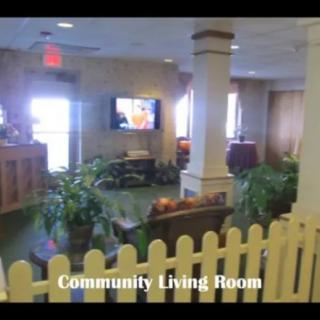
 Indoor common areas
 Ambulatory care
 Diabetic care
 Meals provided

 Comprehensive Insights on the Late Stages of Dementia: What to Expect and How to Provide Care
 Medications Associated with Dementia Risk: A Comprehensive Overview
 Guiding Your Journey: Understanding Power of Attorney for Elderly Parents