
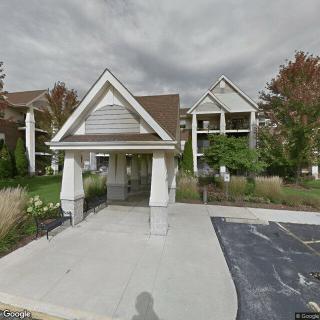
1500 Blackhawk Trail, Waukesha, WI 53186
For more information about senior living options: (866) 208-4318
Overall Review of St Coletta Of Wi Blackhawk 1
Pros
 The organization provided outstanding care for Rosemary Kennedy.
- The organization is incredible, thanks to its dedicated and loving staff.
- The staff and programs are amazing and meet individual needs.
- St Coletta's is a one-of-a-kind institution, staffed by exceptional professionals who serve very special people.
- Georgi Ann's sister lived at St Coletta's on two separate occasions, reflecting lasting trust in the organization's care.
Cons
 The drivers are described as horrible and endangering the lives of their passengers and others on the road.
- A St Coletta's employee is described as driving while using a cell phone, thereby endangering the lives of others.
Review
This community is best suited for families seeking a deeply anchored, long-term home for adults who require highly individualized, compassionate care within a mission-focused setting. St Coletta of Wisconsin Blackhawk 1 in Waukesha carries a storied history of devoted service and a track record of residents staying for decades. Families report that the staff develop care plans that adapt to evolving needs, delivering a level of attentiveness that feels less like institutional care and more like a dedicated extended family. The message from those with long-term experience is clear: when stability, steady programming, and a culture of respect for each resident’s unique dignity are priorities, this is the option that tends to deliver over time.
However, those prioritizing transportation reliability and road safety should explore alternatives. Several reviews flag transportation as a significant concern, describing drivers who engage in risky behavior, including disruptively using a cell phone while behind the wheel and maneuvers that endanger passengers and other road users. In a setting where outings and medical appointments are routine, transportation safety becomes a deciding factor. If family members count on timely, safe travel as part of the resident’s daily life, it is essential to verify a robust, accountable transportation protocol or consider other providers that can promise that level of reliability.
The strongest upside is the staff and the programs designed to meet individual needs. Comments from families emphasize an extraordinary level of professional dedication and an approach that treats residents as people first, not as numbers. The facility is described as one-of-a-kind, staffed by professionals who specialize in caring for people with special needs, with decades of accumulated know-how. That depth translates into continuity of care, meaningful activities, and adaptive supports that many families struggle to secure elsewhere. The gravity of this advantage is that it often mitigates other concerns by creating a consistently positive daily experience, engagement, and dignity for residents who rely on skilled, attentive hands.
Nevertheless, the nature of the drawbacks, centered on transportation safety, needs weighing against the care excellence. The positive care environment does not erase the risk families feel when drivers’ safety practices falter or when a resident’s schedule is disrupted by questionable travel. Consider the institution's response to reported issues: are there transparent policies, driver monitoring, accident history, and corrective actions? Families should seek concrete assurances about driver training, cell-phone usage policies, and alternative transport arrangements for medical visits. The long-term residence stories, great uncles or family members who stayed for decades, signal resilience, but that resilience is more likely to hold if every dimension outside the care room also aligns with safety and dependability.
For decision-making, visitors should scrutinize care philosophy, caregiver ratios, and the alignment of programming with the resident’s real-world needs. Tour the facility with questions about supervision levels, daily routines, and the availability of activities tailored to individual abilities. Request to speak with current families about transportation experiences, and don’t hesitate to probe into emergency contingency planning and how care teams communicate changes in schedule. The answers will reveal whether the warm testimonials about staff and programs translate into reliable, everyday reliability and whether the organization can sustain the resident’s independence while minimizing risk on the road.
In sum, St. Coletta of Wisconsin Blackhawk 1 offers a compelling option for families seeking a deeply committed, personalized life-long care home for a loved one who thrives on stable routines and expert, compassionate attention. The big caveat is transportation safety, which can erode otherwise strong benefits if not tightly managed. Those who can confirm robust driving safeguards, consistent staffing, and impeccable care planning should move forward with confidence. For families where transport reliability is non-negotiable, or where a broader array of community-based activities and outings is essential, it is prudent to compare alternatives and visit multiple communities before finalizing decisions.
 3 resident community capacity
 Assisted Living
 Cable or satellite TV
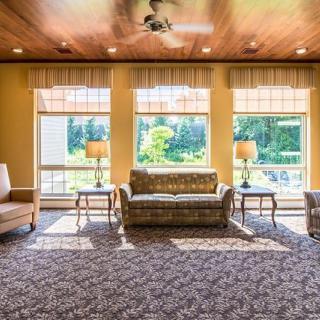
 Dining room
 Fully furnished
 Garden
 Housekeeping services
 Move-in coordination
 Outdoor space
 Telephone
 Wi-Fi/high-speed internet available
 General Mitchell International (16 miles away)
 24-hour supervision
 Activities of daily living assistance
 Assistance with bathing
 Assistance with dressing
 Assistance with transfers
 Diabetes diet
 Meal preparation and service
 Medication management
 Special dietary restrictions
 Transportation arrangement (medical)
 Transportation to doctors appointments
 Funding and Affording Assisted Living: A Thorough Overview
 Assisted Living Expenses and Long-Term Care Insurance: A Comprehensive Exploration
 Securing Financial Support for Assisted Living: A Comprehensive Overview