Residents describe staff as consistently supportive, caring, and willing to help.
Across multiple reviews, people say staff members are there when they need help and treat them with care. Several residents describe feeling listened to, held accountable, and supported with day-to-day guidance. A few also mention specific therapists, house managers, or peer recovery coaches as especially helpful during their recovery.
differentiator4 reviews mention this
Step-down and gradual reintegration
The program flow is described as structured, with gradual movement back to everyday life.
Several residents talk about a step-down approach that they describe as helping them build a routine and rejoin everyday life at a pace they could handle. Reviews also describe structure through meetings and ongoing counseling time, with accountability as they transitioned. At least one reviewer contrasts faster approaches they’d seen elsewhere and says this slower pace helped.
common7 reviews mention this
Peer coaching and support groups
Residents frequently mention peer support specialists and group programming.
Many reviews highlight peer recovery coaches or peer specialists as a key part of their experience, including being in contact, offering resources, and helping with rides or community support. Several residents also mention groups and structured programming that helped them learn coping skills and maintain sobriety. A couple of reviews specifically thank named peer coaches for practical support and ongoing encouragement.
caveat2 reviews mention this
Housing condition and cleanliness concerns
Some residents mention housing that felt run down or unclean.
While many reviews focus on support and programming, a small number raise concerns about the physical condition of housing. One reviewer says parts of the housing are run down and need repairs like new flooring. Another mentions a filthy facility, describing it as a serious negative experience.
How we summarize
Counts show how many written reviews mention each theme; a review can touch several themes, and only frequently mentioned themes are displayed.
Features
Housing
14 resident community capacity
Types of Care
Assisted Living
Amenities
Cable or satellite TV
Dining room
Fully furnished
Garden
Housekeeping services
Move-in coordination
Outdoor space
Telephone
Wi-Fi/high-speed internet available
Transportation
General Mitchell International (17 miles away)
Care Services
24-hour supervision
Activities of daily living assistance
Assistance with bathing
Assistance with dressing
Assistance with transfers
Coordination with health care providers
Diabetes diet
Meal preparation and service
Medication management
Special dietary restrictions
Transportation arrangement (medical)
Transportation to doctors appointments
Dining
Diabetes diet
Special dietary restrictions
Activities
Community-sponsored activities
Scheduled daily activities
Nearby Places of Interest
Pharmacies
Walmart Pharmacy (0.1 miles)
Walgreens (0.8 miles)
Meijer Pharmacy (0.9 miles)
CVS Pharmacy (1.2 miles)
Walgreens (2.3 miles)
Walgreens (3.8 miles)
Walgreens (4.3 miles)
Physicians
Prohealth Care Medical Associates (0.5 miles)
Moreland Ear Nose & Throat (3 miles)
ProHealth Care Building (5.2 miles)
West Suburban Center For Arthritis (5.2 miles)
Orthopaedic Associates Wisconsin (6.3 miles)
New Berlin Clinic-Children's Wisconsin (6.5 miles)
New Berlin Family Practice Clinic (6.5 miles)
Restaurants
McDonald's (0.5 miles)
Tally's Tap & Eatery (0.6 miles)
Culver's (0.9 miles)
Chili's Grill & Bar (1.4 miles)
Taco John's (1.8 miles)
The Blue Ribbon Of Waukesha (2 miles)
People's Park (2.2 miles)
Cafes
Panera Bread (1.3 miles)
Mama D's Coffee (2.4 miles)
Starbucks (3.1 miles)
Panera Bread (6.5 miles)
The Gingerbread House (7 miles)
Vintage Grounds (7.4 miles)
Black Canyon Coffee (7.5 miles)
Places of Worship
First Congregational Church (2.1 miles)
Riverglen Christian Church (6.3 miles)
St Leonard Catholic Church & School Muskego (7.4 miles)
Assisted living facilities offer crucial support for older adults needing help with daily activities but come with varying and significant costs, which can be financed through personal savings, government assistance programs, long-term care insurance, and home equity options. Professional guidance from experts can aid families in navigating these financial complexities to establish a sustainable budgeting approach for assisted living services.
Assisted living costs often exceed Social Security benefits, necessitating a combination of funding sources like state aid and Medicaid. Understanding the interaction between Social Security programs and available financial support is essential for affording such care.
The VA Aid and Attendance benefit provides financial support to veterans needing assistance with daily living due to medical conditions or disabilities, augmenting standard VA pensions for services like in-home care. Eligibility is based on service duration, wartime status, income, and medical needs, with a detailed application process required to access funds for caregiving and home modifications.
Get PricingAsk A QuestionSchedule A TourContact Senior Advisor
By clicking submit, you agree to our Partner's Terms of Use. You
also consent to receive calls and texts, which may be autodialed, from our Partner. Your consent is not a condition to
using our Partner's service. Please visit our Partner's Privacy Policy for information about their privacy practices.

 14 resident community capacity
 Assisted Living
 Cable or satellite TV
 Dining room
 Fully furnished
 Garden
 Housekeeping services
 Move-in coordination
 Outdoor space
 Telephone
 Wi-Fi/high-speed internet available
 General Mitchell International (17 miles away)
 24-hour supervision
 Activities of daily living assistance
 Assistance with bathing
 Assistance with dressing
 Assistance with transfers
 Diabetes diet
 Meal preparation and service
 Medication management
 Special dietary restrictions
 Transportation arrangement (medical)
 Transportation to doctors appointments
 Small, intimate community offering comprehensive assisted living with convenient nearby services.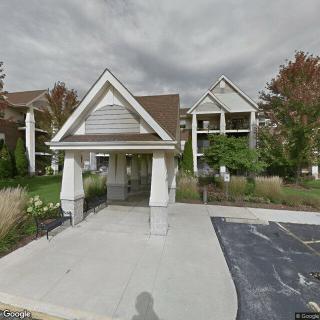

 Securing Financial Support for Assisted Living: A Comprehensive Overview
 Social Security Benefits and Assisted Living: Navigating Options Across the U.S.
 An Extensive Exploration of the VA Aid and Attendance Benefit