700 Welsh Road, Watertown, WI 53098
For more information about senior living options: (866) 208-4318
Overall Review of Watertown Lutheran Senior Housing
Pros
 Angie at the front desk is awesome, and the caretakers are wonderful.
 - The facility is clean and exudes great energy.
- The Heritage Homes apartments are very nice and well-equipped.
- The touring staff were thorough and accommodating.
- They follow up to see if there’s anything else they can do.
- The staff is absolutely great, with many devoted employees who have been there for years.
- The staff are nice and the facility feels welcoming.
- The memory unit offers excellent activities to keep residents active.
- The staff clearly love the residents and treat them like family.
- It is a beautiful facility with great caretakers.
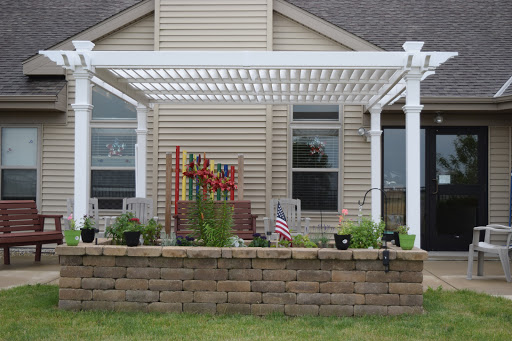
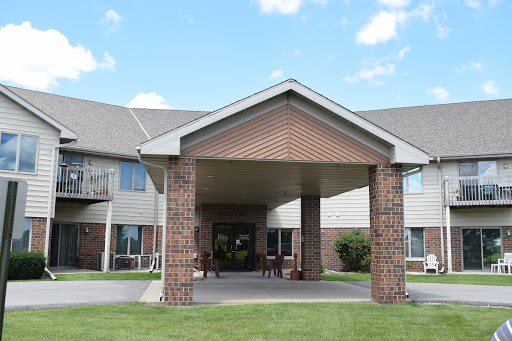
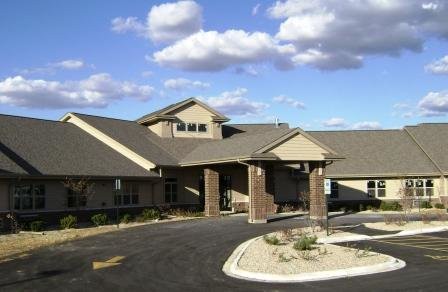
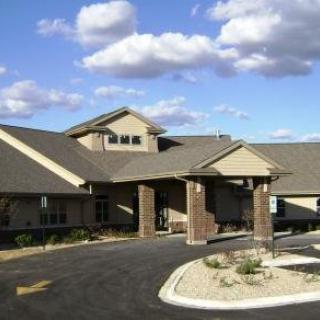
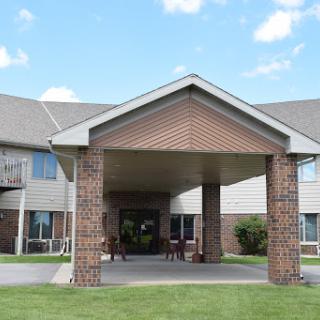
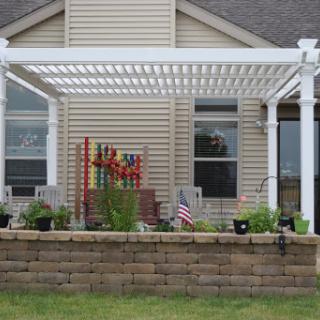
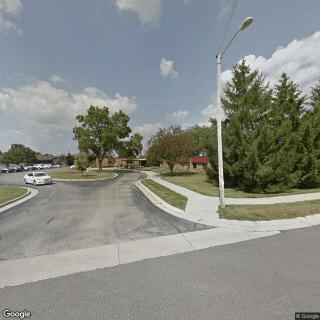
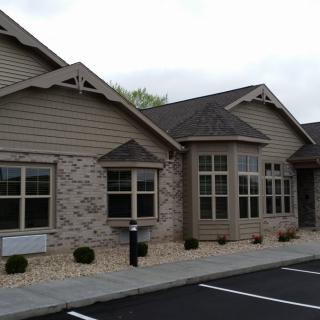
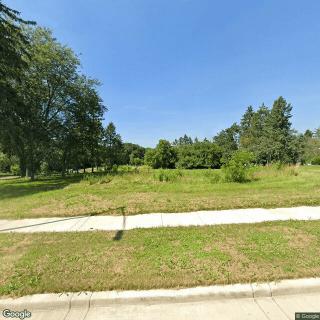
- The exterior is nicely maintained and the grounds are beautifully landscaped.
- The decor is calming and peaceful, and the staff are kind and expert.
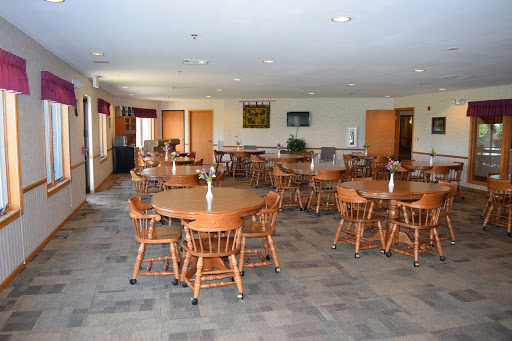
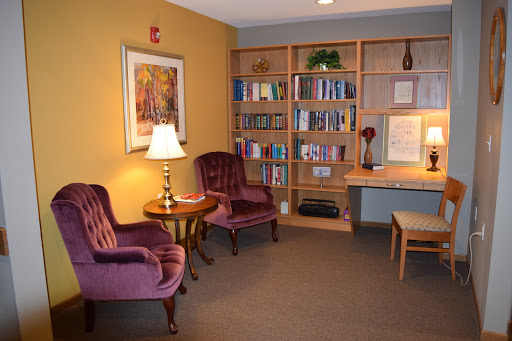
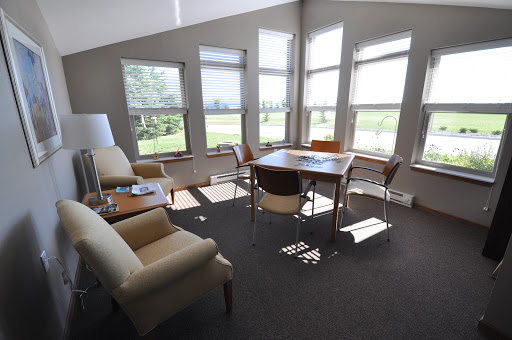
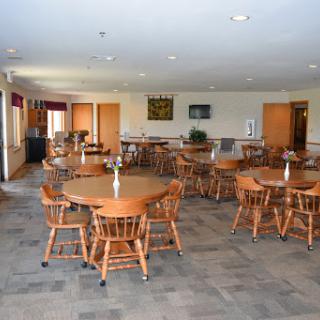
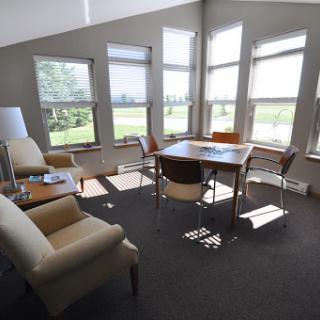
- The facility has ample communal and activity rooms.
- The dining areas offer a restaurant-style atmosphere with appealing foods.
- The living spaces are generous and tailored to residents’ needs.
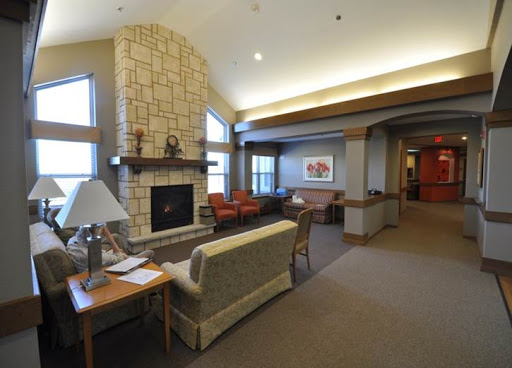
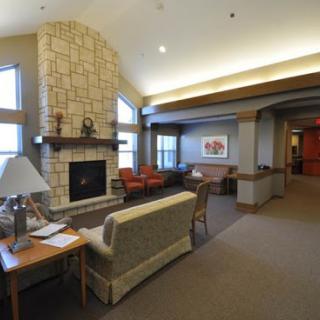
- The courtyard and living room areas are warm and inviting, with a fireplace.
Cons
 A single employee can spoil what could be a beautiful experience.
- An abusive assistant who likes causing pain to the elderly is a concern.
- Rumors of nurses being let go without warning led the reviewer to rethink placement.
- The room was small and expensive and reminded the reviewer of an old nursing home.
- The apartments were really tiny, making a potential resident miserable.
Review
Watertown Lutheran Senior Housing is best suited for seniors who want a warm, faith-based setting where care is delivered with warmth and consistency, in a clean, well-run building. The atmosphere is described as energetic and friendly, with staff who know residents by name and treat them with dignity. Front-desk responsiveness and attentive caregiving are repeatedly praised, signaling reliable day-to-day operations and a welcoming entry point for families. This community fits residents who value social connection, straightforward navigation, and a home-like feel over high-end, hospital-style amenities. It’s a solid fit for those not requiring specialized memory-care services or ultra-large living spaces.
Potential shortcomings surface for families prioritizing memory-care intensity or large, modern independent-living accommodations. One review expressed concern about trust in caregiving staff after rumors of turnover, suggesting stability cannot be assumed without verification. Those specifically seeking dementia-focused programming, highly structured safety protocols, or guaranteed continuity of staff may want to compare options more closely. The testimonials also imply that while the team can be exceptional, incidents of staff changes can occur, which may disrupt continuity for residents and families. In short, for memory-care-centric needs, the alternatives with dedicated memory units and clearer staffing trajectories may outperform.
Yet the most compelling positives largely offset those caveats. The strongest asset is the caregiving culture: residents and families consistently describe staff as patient, loving, and respectful, with years of tenure in some cases. Cleanliness, thoughtful attention to facility design, and a welcoming atmosphere underpin daily life, making visits reassuring. A carefully planned layout, commonly featuring a central living area with a fireplace, and secure outdoor spaces, supports safe, sociable living and helps reduce confusion or disorientation. These elements translate into meaningful quality-of-life gains for residents who thrive on routine, companionship, and predictable routines. Even when a memory-impaired resident is considered, the emphasis on humane care and person-centered interactions remains a core strength of the broader Lutheran setting.
Comparison to other local Lutheran- or faith-affiliated options shows strong alignment with top performers in the region: friendly staff, active programming, and family-like attention are common threads. Some facilities pride themselves on large, well-appointed communal spaces, robust activity calendars, and restaurant-style dining, while Watertown Lutheran's reported strengths lean toward intimate, well-staffed care and a comfortable, circular floor plan that makes wayfinding and socializing easy. Where pushing for larger rooms or more expansive apartments becomes a priority, alternatives with bigger living suites or more extensive independent-living menus may be worth exploring. Still, the consistently warm staff and high-touch care mitigate these trade-offs for many families who value a cohesive, faith-informed environment.
For families actively evaluating, several practical steps can sharpen the decision. Schedule a multi-hour tour and observe how staff interact with residents at different times; ask about staff turnover and how associates are matched to memory-care needs if applicable; inspect the safety features of hallways and courtyards; confirm meal arrangements for independent living and what dining options exist in practice; discuss pricing, including what’s included in care and what incurs extra costs; and talk to current residents and families about daily life, outings, and faith programming. Bring up the memory-care concern directly: what safeguards exist, how is care coordinated with hospice when needed, and what is the plan if a trusted aide leaves. These conversations illuminate reliability, transparency, and long-term fit.
When taken together, Watertown Lutheran Senior Housing emerges as a practical, strong choice for seniors seeking a nurturing, faith-based community with dependable staffing, a clean, safe environment, and plentiful opportunities for social engagement. It suits residents who prize a home-like atmosphere, accessible layout, and consistent personal attention over the most expansive apartments or the most intensive medicalized care. For families prioritizing robust memory-care programs, explicit staff stability, or larger independent-living options, exploring alternatives such as facilities with dedicated memory units, larger suites, or broader dining services is prudent. The right match hinges on aligning care intensity, space preferences, and religious or cultural comfort with the community's ethos and routines.
 46 resident community capacity
 1-bedroom apartments
 Assisted Living
 Memory Care
 Beautician on-site
 Cable or satellite TV
 Computer center
 Dining room
 Financing advice
 Full kitchen
 Fully furnished
 Garden
 General store
 Guest parking
 Housekeeping services
 Laundry
 Move-in coordination
 Outdoor space
 Overnight guests
 Party space
 Restaurant-style dining
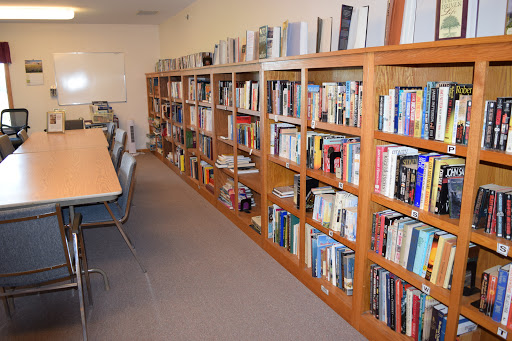
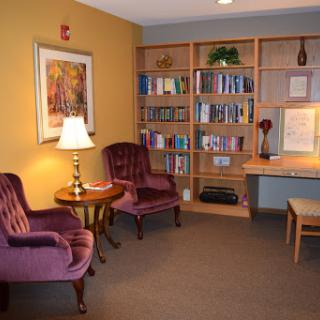
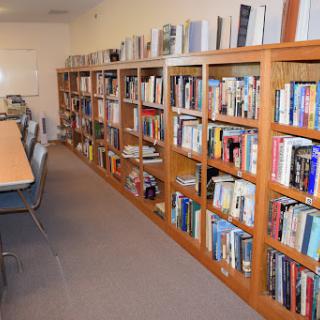
 Small library
 Telephone
 Wi-Fi/high-speed internet available
 Transportation & parking
 24-hour call system
 Activities of daily living assistance
 Assistance with bathing
 Assistance with dressing
 Assistance with transfers
 Diabetes diet
 Hospice care
 Medication management
 Mental wellness program
 Physical therapy
 Special dietary restrictions
 Arts and crafts
 Book club
 Cooking club
 Educational speakers / life long learning
 Fitness programs
 Games
Games Live musical performances
 Religious services
 Wii bowling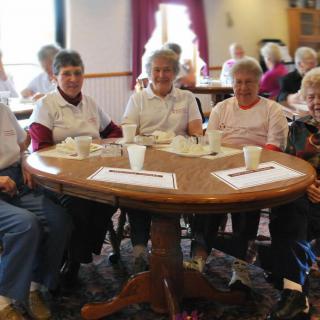

 Exploring the Power of Reminiscence Therapy for Individuals With Dementia
 An In-Depth Look at Reminiscence Therapy in Dementia Care
 Dementia-Related Hallucinations: Causes, Experiences, and Practical Approaches