
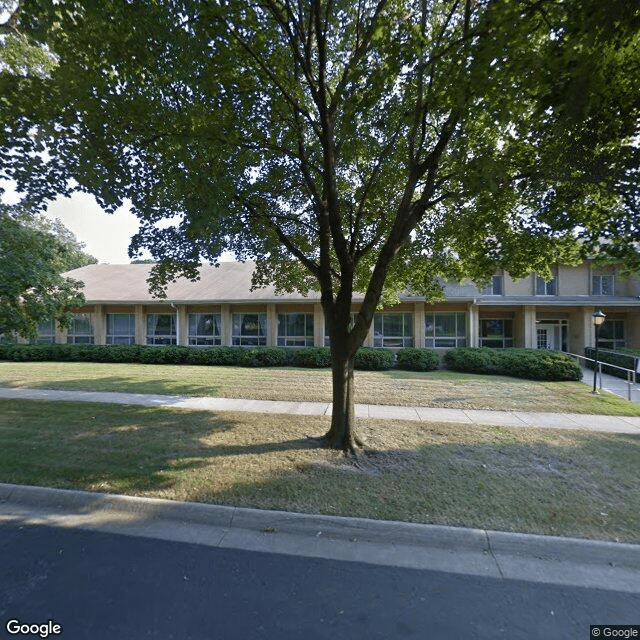
705 Clyman St, Watertown, WI 53094
To contact a resident: (262) 443-5341
For more information about senior living options: (866) 208-4318
The Landmark Building Costs & Pricing
The Landmark Building offers competitive rental rates compared to both Jefferson County and the state of Wisconsin. For a one-bedroom unit, residents can expect to pay $770 per month, which is notably lower than the county average of $6,082 and significantly under the statewide average of $3,412. Similarly, two-bedroom units are priced at $870, again offering substantial savings when juxtaposed with Jefferson County's average of $1,252 and Wisconsin's average of $3,111. This positions The Landmark Building as an attractive option for those seeking affordable living without sacrificing quality in a desirable location.
| Floor plans | The Landmark Building | Jefferson County | Wisconsin |
|---|---|---|---|
| 1 Bedroom | $770 | $6,082 | $3,412 |
| 2 Bedrooms | $870 | $1,252 | $3,111 |
Senior living communities with a similar price nearby
-
from -$34 / mo
Quail Pointe
$736 to $893 / month25.0 miles away -
from -$149 / mo

Trinity Pines Retirement Center
$621 to $1,011 / month12.0 miles away -
from -$65 / mo
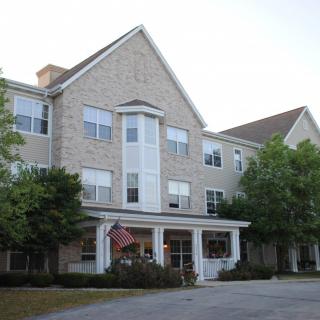
Hillside Woods I & II
$705 to $875 / month20.2 miles away -
About the same
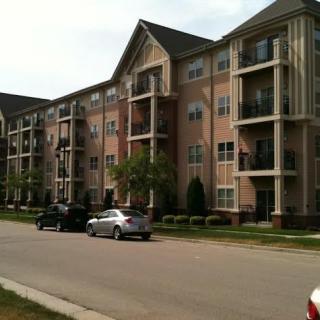
Berkshire Oconomowoc
$770 to $925 / month12.3 miles away -
About the same
Silvernail
$751 to $900 / month24.8 miles away
Overall Review of The Landmark Building
Pros
 The apartments are wonderful and remodeled.
- The grounds feature beautiful gardens where residents can plant their own vegetables and flowers.
- There is a very large community deck with tables and umbrellas for get-togethers.
- The community feels like family and is very welcoming.
- All doors are securely maintained for safety.
- The community offers a library, a game room, and a piano in the community room.
- The owner truly cares about people and takes good care of the apartments.
- The community is clean, safe, and well-maintained, with helpful and patient staff.
Cons
 The management failed to follow up on an appointment, leaving the reviewer frustrated after driving over an hour for a tour.
- There was poor scheduling communication, with nobody knowing about the appointment.
- The community lacks on-site medical care services, which the reviewer would have liked to be offered.
- One reviewer only stopped by briefly for a delivery and did not stay to evaluate the property, limiting what could be assessed.
Review
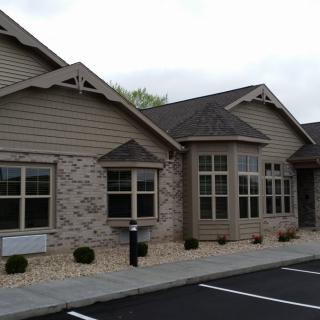
The Landmark Building in Watertown is best suited for independent seniors who are 55 and older, want updated, remodeled apartments, and desire an active, neighborly setting. The property offers a compact, walkable environment with beautifully maintained gardens, room to plant vegetables or flowers, and a spacious community deck that invites socializing. A family-like atmosphere emerges from secure entry, quiet safety features, and communal spaces such as a library, game room, and a piano-equipped community room. For residents who want to downsize without sacrificing comfort or connection, this residence delivers a tangible sense of belonging and daily purpose.
Nevertheless, alternatives may be worth weighing for those who anticipate needing medical oversight or more formal care. The Landmark markets itself as independent living, yet it does not provide on-site medical services or nursing support, meaning healthcare needs must be managed separately or through another venue with integrated clinical staff. Families should be mindful that the environment supports activity and safety but does not substitute for regular medical supervision. For seniors with chronic conditions, mobility limitations, or cognitive care needs, a setting with accessible healthcare or memory-care options could be a more prudent long-term plan.
On the upside, the remodeled apartments and the opportunity to garden give residents genuine autonomy and a sense of pride in their space. The large community deck and secure entry contribute to a straightforward, sociable rhythm of life, where neighbors see each other regularly and participation in events comes naturally. The owner’s stated care for residents and hands-on approach to maintaining units are repeatedly highlighted, reinforcing a feeling of stewardship. Practical amenities, the library, game room, and the piano, offer everyday touchpoints for engagement and informal learning, which greatly enhances well-being beyond mere shelter.
The setting also impresses with cleanliness and thoughtful maintenance, creating a safe, navigable campus that is well suited to older adults seeking dignity and independence. Residents often report that the environment feels the right size for their needs, not overwhelming in scale yet rich in opportunities to connect. The social infrastructure, activities, clubs, and opportunities to form friendships, reduces isolation and provides daily structure. For families, the combination of safety, convenience, and a welcoming atmosphere translates into measurable peace of mind.
One concrete friction point in the feedback concerns scheduling and administrative communication. At least one prospective resident encountered a missed appointment, signaling a reliability gap in front-desk responsiveness. While this issue does not negate the overall value, it is a valid consideration for those who must coordinate tours, leases, or ongoing arrangements. The absence of on-site medical care remains the clearest structural limitation: the property excels in ambiance and social life but requires external planning for health needs or a move to a facility with integrated healthcare services if those needs are imminent.
In sum, Landmark represents a practical, well-rounded choice for families prioritizing an independent, socially vibrant, and well-maintained home base for seniors who value a strong sense of community. The consistently high rating, 4.9 from eight reviews, underscores broad satisfaction with living amenities and daily life. For households where medical oversight is a paramount consideration, alternatives with attached care services or memory support will likely be the better fit. For others, the combination of remodeled apartments, outdoor gardening opportunities, robust social life, and a capable, caring leadership team makes Landmark a confident recommendation when the goal is sustained autonomy within a supportive neighborhood.
 Active Adult Communities (55+)
 Cats allowed
 Dogs allowed
 Air-conditioning
 Beautician on-site
 Full kitchen
 Ground floor units
 Handicap accessible
 Indoor common areas
 Outdoor common areas
 Wheelchair accessible showers
 Holiday parties
 Understanding the Nuances of Palliative Care and Hospice: A Comprehensive Exploration
 Fecal Incontinence in Older Adults: A Comprehensive Guide
 Recognizing the Journey: Understanding and Navigating Anticipatory Grief