
112 Stimpson Street, Watertown, WI 53094
To contact a resident: (920) 262-0304
For more information about senior living options: (866) 208-4318
Overall Review of Riverview Commons
Cons
 The place isn’t wheelchair accessible; the bathroom is too small to fit a wheelchair, forcing the living/dining room to be used as the bedroom.
- The management is horrible, and they wouldn’t recommend living there.
- The building is haunted, and the reviewer warns others not to move in.
- Paranormal activity includes being dragged out of bed and a negative energy that makes it hard to breathe.
- Pets go crazy and bark at closets due to the haunting.
- The manager ignores smoking violations and security issues like break-ins, showing poor management.
- The building is infested with bed bugs and mold, making it hazardous to health.
- The staff are rude and fail to keep resident information private, so the reviewer would never recommend the complex.
Review
Riverview Commons in Watertown is best suited for independent seniors who do not require accessibility features or on-site care, and who are comfortable navigating a budget-friendly environment without reliable safety or maintenance support. The reviews paint a clear picture: the space often cannot accommodate wheelchair users, with bathrooms that are too small and doorway openings that won’t admit a standard wheelchair. For families with a disabled loved one or someone who relies on mobility aids, this community presents an unaffordable risk and a design that practically shuts out essential daily living needs.
Those considering alternatives should be mindful that the most critical red flags here are not cosmetic but functional. Seniors who need predictable, respectful management, privacy protections, and a safe, well-maintained living space should look elsewhere. The consensus across accounts is that management style is inconsistent at best and hostile at worst, with frequent concerns about privacy of resident information and a perceived lack of accountability. For anyone evaluating a move that involves health or safety considerations, Riverview Commons does not deliver the baseline standards required to support long-term independence.
In terms of pros, there is little to anchor confidence. The reviews do not present meaningful advantages that counterbalance the overwhelming drawbacks. If anything is a potential pro, it would be affordability or a basic independent-living setup that minimizes services. But those tentative positives are almost instantly offset by the array of substantial drawbacks: unsafe or unusable spaces for mobility devices, questionable maintenance, and an environment where basic protections and resident privacy feel unreliable. The overall impression is that any perceived cost savings come at the expense of daily quality of life and safety.
The main cons cluster around four core areas. Accessibility and safety top the list: too-narrow bathrooms and doorways block wheelchairs, making true independence illusory and potentially dangerous. Maintenance and pest control issues, bed bugs, mold, and general neglect in multiple rooms, signal ongoing health and comfort risks. Management and policy concerns follow closely: rude or unresponsive staff, limited resident privacy, a restrictive visitation policy, and reports of security lapses or intrusions. Adding to the unease are anecdotes of a haunted environment and disruptive experiences that undermine a sense of security and well-being. Taken together, these elements create an environment where daily life feels precarious rather than supportive.
For families facing a decision, practical due diligence is essential before considering Riverview Commons as a viable option. During tours, demand concrete measurements for accessibility features: doorway widths, bathroom dimensions, turning radii, and doorway thresholds that accommodate mobility devices. Request a transparent maintenance log with response times, and verify pest and mold remediation histories. Inquire about privacy practices for resident information, the exact scope of on-site staff support, and the real security measures in place to deter break-ins or sneaking intrusions. Talk to current residents about responsiveness, and ask for recent remediation efforts to judge whether promises translate into real improvements. These checks will reveal whether the reported issues are episodic or endemic.
Bottom line: Riverview Commons should be crossed off the short list for seniors who anticipate needing any assistive services, who require dependable accessibility, or who prize stable, respectful management. For families prioritizing safety, accessibility, and reliable maintenance, pursuing alternatives with documented compliance to accessibility standards, stronger custodial oversight, and transparent resident policies is essential. A careful comparison with communities that emphasize proactive maintenance, accessible design, and resident-centered management will yield far better long-term outcomes. If this option is still under consideration, approach it with a conservative, fact-driven mindset and use the checklist above to guide decisive next steps.
 Active Adult Communities (55+)
 Intimate 8-bed setting with comprehensive assisted living services and on-site dining.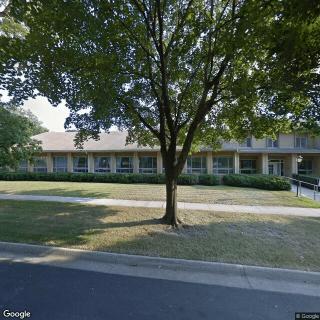

 Recognizing the Journey: Understanding and Navigating Anticipatory Grief
 Encouraging Participation in Adult Day Care: A Guide to Supporting a Hesitant Parent
 Comprehensive Exploration of Living Wills and Other Advance Directives