Lakeview Neurorehab Center is an assisted living community in Waterford, WI.
Information last verified:
1701 Sharp Road, Waterford, WI 53185
For more information about senior living options: (866) 208-4318
3.6 from 87 reviews
5 stars
55
4 stars
2
3 stars
1
2 stars
1
1 stars
28
Overall Review of Lakeview Neurorehab Center
differentiator2 reviews mention this
Wound care is consistently praised
Residents highlight wound care as a standout part of recovery here.
Several residents specifically mention wound care as a strong point, describing knowledgeable specialists and treatments that helped a slow-healing wound. They also describe the wound-care team as compassionate and attentive during recovery.
differentiator7 reviews mention this
Rehab progress stands out
Many residents describe noticeable therapy gains after surgery or injury.
Across multiple reviews, residents and family members connect the rehab experience to improved mobility, including getting back to walking, returning to work, or regaining key abilities after neurological events. Reviews also tie progress to therapy teams and supportive nursing aides during the rehab stay.
common3 reviews mention this
Food quality comes up often
Food quality is a frequent point in resident feedback.
Some residents and family members describe the food as great or excellent during their stay. Others report negative experiences, including describing the food taste as very poor and mismatched with what the person expected.
caveat4 reviews mention this
Communication and management concerns
Several reviewers raise concerns about communication and management follow-through.
A recurring thread is difficulty getting clear updates and reliable coordination, including concerns about case management, appointment handling, and how information is shared with families. Some reviews describe missing or mishandled next steps and suggest that families should be cautious and verify details.
How we summarize
Counts show how many written reviews mention each theme; a review can touch several themes, and only frequently mentioned themes are displayed.
Features
Housing
18 resident community capacity
Types of Care
Assisted Living
Amenities
Cable or satellite TV
Dining room
Fully furnished
Garden
Housekeeping services
Move-in coordination
Outdoor space
Telephone
Wi-Fi/high-speed internet available
Transportation
General Mitchell International (20 miles away)
Care Services
24-hour supervision
Activities of daily living assistance
Assistance with bathing
Assistance with dressing
Assistance with transfers
Coordination with health care providers
Diabetes diet
Meal preparation and service
Medication management
Special dietary restrictions
Transportation arrangement (medical)
Transportation to doctors appointments
Dining
Diabetes diet
Special dietary restrictions
Activities
Community-sponsored activities
Scheduled daily activities
Nearby Places of Interest
Hospitals
Lakeview Specialty Hospital & Rehabilitation Center (0 miles)
Memorial Hospital of Burlington (7.3 miles)
D N Greenwald Center (10.6 miles)
Linden Grove (12.1 miles)
United Hospital System (12.2 miles)
Eagle's Wing Free Clinic (12.3 miles)
Places of Worship
English Settlement United Methodist Church (2.1 miles)
Burlington United Methodist Church (8.1 miles)
St Leonard Catholic Church & School Muskego (11.5 miles)
Restaurants
Burger King (2.3 miles)
McDonald's (2.5 miles)
Doc's on the Fox (2.9 miles)
Dover Inn (2.9 miles)
Crossover Cantina & Eatery (3 miles)
LIVE at 1175 (4.5 miles)
Taco Bell (4.7 miles)
Pharmacies
Walgreens (2.3 miles)
Aurora Pharmacy (2.6 miles)
Pharmacy Station (2.9 miles)
H2O Health Solutions (4.3 miles)
Walmart Pharmacy (5 miles)
Walgreens (6.5 miles)
Pharmacy Station (6.9 miles)
Cafes
Cafe 36 (2.3 miles)
Starbucks (5.9 miles)
The Coffee House at Chestnut & Pine (6.8 miles)
Starbucks (11.1 miles)
Starbucks Mukwonago (11.3 miles)
Vintage Grounds (12.1 miles)
2894 On Main (12.5 miles)
Physicians
Aurora Health Center (2.6 miles)
Eye Care Center of Waterford (2.8 miles)
Advanced Pain Management (5.9 miles)
Wisconsin Pain Management Sc (5.9 miles)
Dahlgren Md Burlington (6.8 miles)
Union Grove Clinic (6.9 miles)
Dankle Jon MD (7.3 miles)
Parks
Fischer County Park (5.3 miles)
Bushnell Park (6.4 miles)
Silver Lake Park (12.7 miles)
Idle Isle Park (12.9 miles)
Transportation
Burlington Municipal Airport (BUU) (7.3 miles)
East Troy Electric Railroad Depot & Museum (12.5 miles)
Lakeview Neurorehab Center is located at 1701 Sharp Road, Waterford, WI 53185 in Waukesha County, Wisconsin
Nearby Communities
Reineke Home
Waterford, WI
Intimate, small-capacity setting enabling personalized care with comprehensive amenities.
Waterford Memory Care (Community Based Residential Facility)
Waterford, WI
4.2 from 9 reviews
Clean, well-maintained facility with friendly staff and engaging activities.
Waterford Senior Living
Waterford, WI
4.8 from 61 reviews
$4,050 to $5,450 / month
Attentive staff and a clean, activity-rich community.
Elizabeth III
Waterford, WI
4.9 from 107 reviews
Comprehensive care (24-hour supervision, ADL assistance, medication management) in a fully furnished setting with meals and outdoor spaces.
Hil Fox Mead Group Home
Waterford, WI
5 from 12 reviews
Small, intimate 8-bed group home with personalized care and comprehensive services (24-hour supervision, ADL assistance, meals, medication coordination, and medical transport).
Elizabeth IV
Waterford, WI
4.5 from 104 reviews
Fully furnished assisted living with 24-hour supervision and comprehensive care services.
Oak Park Place Burlington
Burlington, WI
4.8 from 120 reviews
Caring, attentive staff in a clean, welcoming setting with engaging activities and good dining.
Oak Ridge Care Center
Union Grove, WI
3.4 from 42 reviews
Clean facility with caring staff and good communication with families.
Woodview Senior Apartments
Muskegon, WI
5 from 7 reviews
$725 to $850 / month
Friendly, patient local residents create a welcoming, cozy community.
Transitioning from assisted living to memory care is driven by an individual's cognitive decline and specific needs, requiring careful evaluation of indicators like increased confusion and wandering. The process involves consulting medical professionals, researching suitable communities, considering financial and legal aspects, and ensuring effective communication for personalized care plans.
Assisted living provides moderate support for seniors seeking independence, while memory care offers specialized support for individuals with dementia or cognitive impairments through structured routines and trained staff. Key differences include care approaches, environment security measures, staff training levels, activity types, and cost considerations.
Assisted living communities offer diverse activities beyond traditional games to enhance seniors' physical health, cognitive well-being, emotional enrichment, and social connections, including fitness classes, creative expression, and intergenerational interactions. These enriching programs foster community bonds and support residents' independence and happiness.
Get PricingAsk A QuestionSchedule A TourContact Senior Advisor
By clicking submit, you agree to our Partner's Terms of Use. You
also consent to receive calls and texts, which may be autodialed, from our Partner. Your consent is not a condition to
using our Partner's service. Please visit our Partner's Privacy Policy for information about their privacy practices.

 18 resident community capacity
 Assisted Living
 Cable or satellite TV
 Dining room
 Fully furnished
 Garden
 Housekeeping services
 Move-in coordination
 Outdoor space
 Telephone
 Wi-Fi/high-speed internet available
 General Mitchell International (20 miles away)
 24-hour supervision
 Activities of daily living assistance
 Assistance with bathing
 Assistance with dressing
 Assistance with transfers
 Diabetes diet
 Meal preparation and service
 Medication management
 Special dietary restrictions
 Transportation arrangement (medical)
 Transportation to doctors appointments
 Intimate, small-capacity setting enabling personalized care with comprehensive amenities.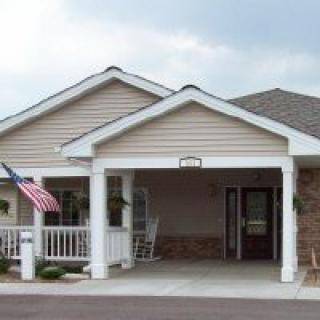

 When to Transition from Assisted Living to Memory Care: Key Indicators, Steps, and Finding the Right Community
 Assisted Living and Memory Care: Understanding Their Core Differences
 Beyond the Bingo Hall: 50+ Enriching Activities for Seniors in Assisted Living