
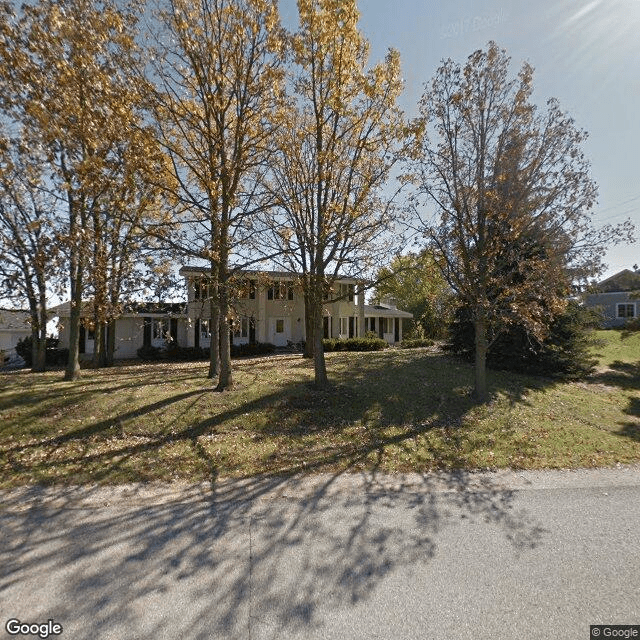
1213 W Main St, Twin lakes, WI 53181
To contact a resident: (262) 742-4930
For more information about senior living options: (866) 208-4318
Living Hope Costs & Pricing
Living Hope offers competitive pricing for its private room accommodations at $4,300 per month, which is notably lower than the average cost in Kenosha County at $4,804 and slightly above the statewide average of $4,339. This positions Living Hope as a cost-effective choice for individuals seeking quality care while also ensuring that residents receive ample support and amenities. By keeping costs below the county average, Living Hope not only provides financial relief to families but also maintains a focus on delivering exceptional services that meet the needs of its residents.
| Floor plans | Living Hope | Kenosha County | Wisconsin |
|---|---|---|---|
| Private | $4,300 | $4,804 | $4,339 |
Senior living communities with a similar price nearby
-
from -$800 / mo
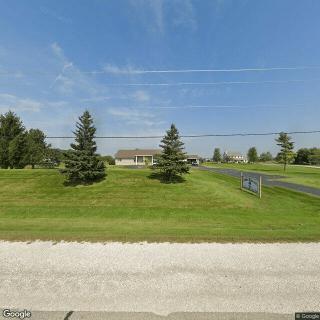
Dolphin Manor
$3,500 / month18.1 miles away -
from +$200 / mo
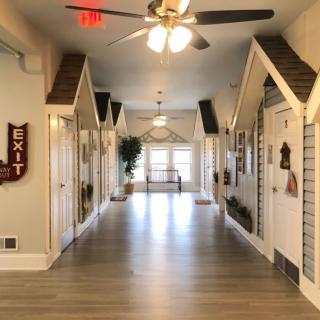
Shepherd of Harvard
$4,500 to $5,000 / month18.7 miles away -
from -$800 / mo

Galloway Senior Living
$3,500 to $6,000 / month18.7 miles away -
from +$700 / mo
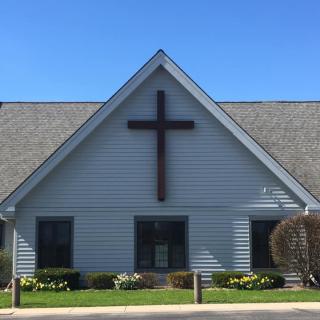
Lord of Life
$5,000 / month22.4 miles away -
from +$345 / mo

Barbara's Home Care Svc
$4,645 to $6,038 / month19.3 miles away
Overall Review of Living Hope
Pros
 The church has a wonderful atmosphere and very friendly people.
- It is welcoming with great music and insightful, relevant services, plus resources and groups to grow in faith.
- The 10 AM service is perfect, and donuts with coffee after foster a sense of community.
- Worship services are wonderful, with caring members and Christian music.
- The congregation is wonderfully giving and supportive in times of need.
- It is a Bible-preaching place with a loving pastor, welcoming congregation, active small groups, and a food pantry.
Review
Living Hope in Twin Lakes, Wisconsin, is best suited for seniors and families who want a faith-centered, socially vibrant setting where worship, small groups, and practical acts of service anchor daily life. The community consistently comes across as welcoming, with warm people, meaningful music, and an atmosphere that invites attendance beyond mere Sunday rituals. In particular, the 10 AM service is described as predictable and comfortable, a reliable weekly touchpoint that fosters fellowship and connection. The testimonials are emphatic about experiences of warmth, generosity, and spiritual nourishment, reinforced by a robust pattern of church-led activities and resources. With a 4.9 rating from eight reviews, seven five-star and one four-star, Living Hope clearly resonates strongly with those seeking a church-centered senior or family community.
Who may want to consider alternatives? Those whose top priority is daily living assistance or advanced medical oversight should look beyond a church-based setting. There is no explicit description of on-site caregiving, nursing staff, memory care, transportation services, or hospitalization coordination in the reviews. For seniors or families where care planning, safety monitoring, or mobility assistance is essential, a traditional assisted living or memory care community with integrated care teams will deliver the needed structure. If spiritual life is important but caregiving needs are high, pairing a Faith-based community with a separate licensed care provider can fill the gap without sacrificing the sense of belonging.
Key pros and how they offset cons: The strengths are unmistakable. A welcoming atmosphere, friendly volunteers, wholehearted worship, and the pastor’s sound theology create emotional and spiritual vitality that can counterbalance the absence of bedside care. The small groups, which support fellowship and living out faith, offer ongoing social connections, crucial for seniors who risk isolation. The food pantry and various weekday resources show a practical, mission-minded side that extends help to families in need. However, these benefits do not substitute for clinical care, daily living assistance, or transportation management, so the main compromise is clear for anyone who requires regular caregiving.
Activity breadth and schedule matter: The community’s weekly cadence is built around Sunday worship and extended programs, which translates into predictable spiritual nourishment and ongoing social opportunities. The mention of numerous activities beyond Sundays suggests a lively, present network that can sustain routine engagement. Donuts and coffee after services might seem small, but they are the glue that turns a service into a social event, strengthening bonds and reducing loneliness. For someone who wants spiritual depth complemented by practical, faith-driven service opportunities, Living Hope offers a compelling rhythm that can keep seniors engaged without a heavy administrative burden.
Practical caveats to verify: The materials emphasize faith, community, and outreach, but leave gaps around accessibility specifics, transportation options, and the availability of any on-site health monitoring. Prospective residents should inquire about physical accessibility (ramps, elevators, restrooms), parking proximity, and whether rides to services are available. They should also ask how volunteers and pastoral staff coordinate with external care providers if care needs change. The presence of a food pantry signals generosity, yet it does not address caregiving metrics, safety checks, or medical emergencies. These questions will determine whether Living Hope can be the primary community or a complementary support network.
Bottom line and next steps: For families prioritizing faith-driven community, warmth, and steady social connection, Living Hope stands out as a practical, highly valued option. It delivers spiritual nourishment, a welcoming culture, and meaningful opportunities to serve and connect, all backed by strong peer testimony. If daily care, safety monitoring, and medical coordination are non-negotiable, explore traditional assisted living or memory care options while using this church as a voluntary, faith-based enrichment that supports emotional health. Schedule a visit during a Sunday service, meet the pastor or group leaders, and probe transportation, accessibility, and coordination with outside caregivers. In the right mix, Living Hope can anchor a dignified, purpose-filled chapter.
 Board and Care Home
 Activities on-site
 Indoor common areas
 Outdoor common areas
 Private
 Respite or short term stays offered
 Ambulatory care
 High acuity care
 Meals provided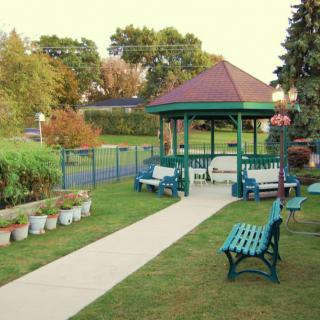

 A Comprehensive Exploration of Common Misunderstandings about Powers of Attorney
 Senior Move Management: Understanding the Role, Value, and Associated Costs
 Weight Training for Seniors: Building Strength and Vitality