
W1043 Rosewood Road, Genoa City, WI 53128
For more information about senior living options: (866) 208-4318
Overall Review of Casa Mia Care Center
Pros
 The mother has been receiving quality care at Burr Oak Manor for years.
- She loves her caregivers, and they show her love.
- The facility is bright and clean.
- It smells pleasant.
- The mother is kept clean, dressed, fed, loved, and her medications are managed to the minute.
- Two of the caregivers were very good with him and other residents.
Cons
 They took their mom who they were not capable of caring for.
- They kept the assessment fee, which was never completed.
- They punished her by taking her water when she pushed her call button too many times.
- They would not trust this facility to care for a loved one.
- The residents in the lower area were fed a hot dog and chips, served in paper bowls.
- The staff were very rude to the reviewer when following up about the application.
- The managers were extremely rude and the place was very unprofessional.
Review
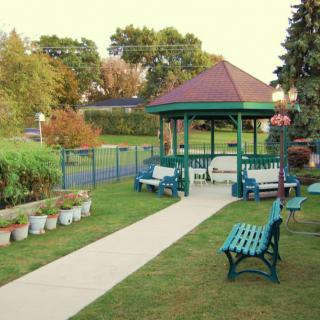
Casa Mia Care Center is best suited for families seeking a warm, person-centered daily care environment where the relational quality of care matters more than upscale amenities. This community tends to draw residents who value steady, compassionate contact with caregivers, dependable daily routines, and precise medication management over glossy décor or sophisticated programming. In practice, the strongest signals point to a place where aides who connect with residents can make a meaningful difference in day-to-day life, with clean, bright surroundings and a reassuring sense of routine that keeps basic needs met and dignity intact.
Those considering alternatives should note a clear caveat: this option may not fit families prioritizing highly consistent administration, uniform service across all units, or top-tier meal quality across the campus. Prospective residents who require stringent admission processes, consistently courteous staff interactions at the management level, or a uniform standard of care across the entire building may want to compare options. Families with higher-acuity medical needs, strict rehab timelines, or expectations of upscale dining and amenities should interview multiple communities to ensure the fit is deeper than the surface impression.
On the positive side, the most credible advantages center on personal care and reliability. When staff form genuine connections with residents, care feels loving and attentive, and daily routines, dressing, feeding, and timely medication administration, tend to be carried out with care and precision. The environment is described as bright and clean, with odors and cleanliness contributing to a sense of wellbeing. In short, for seniors who value a human-centric approach to daily living and a homey atmosphere over luxury, these strengths can translate into meaningful quality of life.
However, the reviews reveal significant caveats that can offset those strengths. There are documented concerns about admissions and the alignment between a resident’s needs and the facility’s capacity to meet them. One family described a hurried, inappropriate placement after a self-pay decision, followed by a short stay and disputed charges, including an assessment fee that wasn’t completed. The implications are serious: when intake practices feel opaque or misaligned with actual care capabilities, trust erodes and family members fear their loved one’s safety. Such experiences underscore the importance of transparent, thorough pre-admission evaluations and ongoing, responsive family communication.
Additional red flags center on consistency and staff interactions. Reports mention encounters with rude or unprofessional behavior from managers, particularly when families pursue follow-up or clarification. There is also mention of uneven in-house experiences, some caregivers are described as good with residents, while others hint at neglect or insufficient attention in certain areas. Meals in one account illustrate a troubling inconsistency: homemade offerings in one portion of the building versus cold, minimally served fare in another. Taken together, these threads suggest a facility where care quality may vary by unit or shift, which is unacceptable for families seeking reliable, uniform standards of care and nutrition.
In making a decision, families should prioritize a structured due diligence process: tour the campus with questions about nurse-to-resident ratios, medication handling protocols, and how changes in resident acuity are managed; inquire about admission screening procedures and whether there is a clear, written assessment prior to acceptance; request to sample meals from different times and units; and speak with current residents and family members about consistency of care and manager accessibility. If warmth, dependable daily care, and a home-like setting are non-negotiable, this community can be a good fit, but only if the family is comfortable with potential variability in administration and meal quality, and is prepared to actively monitor and advocate for ongoing care quality.
Bottom line: Casa Mia Care Center offers a promising foundation for seniors who prize compassionate, hands-on care and a pleasant, clean living space. The decisive caveat is the variability in administrative responsiveness and in-unit care experiences; for families unwilling to contend with uneven service or opaque admissions, stronger alternatives should be explored. For those who can tolerate, and even value, a strong caregiver bond and a non-luxe environment, this community can deliver meaningful daily life and dependable routine, provided due diligence confirms consistent standards across the facility and ongoing, proactive family communication remains a priority.
 15 resident community capacity
 Assisted Living
 Cable or satellite TV
 Dining room
 Fully furnished
 Garden
 Housekeeping services
 Move-in coordination
 Outdoor space
 Telephone
 Wi-Fi/high-speed internet available
 24-hour supervision
 Activities of daily living assistance
 Assistance with bathing
 Assistance with dressing
 Assistance with transfers
 Diabetes diet
 Meal preparation and service
 Medication management
 Special dietary restrictions
 Transportation arrangement (medical)
 Transportation to doctors appointments



 Medicare Coverage for Assisted Living: An In-Depth Exploration
 Choosing the Right Senior Care: A Detailed Exploration of Assisted Living and Nursing Homes
 Understanding the True Cost of Assisted Living in 2025: A Comprehensive Guide