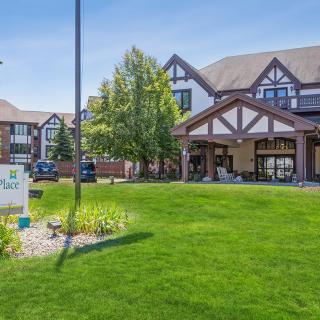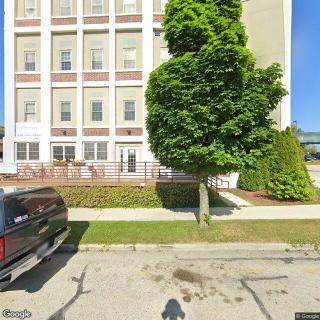

Sheboygan Senior Community

Save
Sheboygan Senior Community Sheboygan Senior Community

Sheboygan Senior Community

3505 Cty Road Y, Sheboygan, WI 53083

For more information about senior living options: (844) 490-3973

3.4 from 11 reviews
5 stars
6
4 stars
0
3 stars
1
2 stars
0
1 stars
4

Assisted Living Independent Living Memory Care Skilled Nursing Facility

Overall Review of Sheboygan Senior Community

Pros

  • pro The facility is described as great with awesome staff, and a mother loves and appreciates everything about Senior Living.
  • pro Resident care is identified as the top priority for nurses, CNAs, housekeepers, and management, with staff going above and beyond to keep residents happy and comfortable.
  • pro The staff are said to care for residents as well as each other, supporting one another and celebrating successes.
  • pro SSC is portrayed as more than just a place to work; it makes a difference in the lives it touches.
  • pro The staff are friendly.

Cons

  • pro The reviewer would not recommend this facility and would give it zero stars if possible.
  • pro The father endured two hip dislocations; staff allegedly refused to x-ray and forced him to walk and continue physical therapy despite pleas for help, for three days.
  • pro In his month there, he lost two teeth and did not receive dental care; staff reportedly did not brush his teeth for three weeks, he went two weeks without a bath, and he developed horrific bed sores.
  • pro The reviewer warned that anyone who cares about their loved ones should stay away from the facility.
  • pro Another reviewer stated they would never put family there, describing the staff as disrespectful and inattentive.
  • pro A reviewer described the facility as horrible, noting residents were only brought to meals and returned to their rooms, with no shower for five days, missing medications, no information about events, and a call button left unanswered for more than 45 minutes.

Review

The accounts about this senior living community present a striking split in experiences, weaving together praise from some and deeply troubling accusations from others. On one hand, there are voices that describe a facility that feels well-run, with staff who are attentive and genuinely focused on residents. These reflections emphasize a culture where resident care is the top priority, and where many employees - nurses, certified nursing assistants, housekeeping staff, and managers alike - appear committed to keeping residents happy, comfortable, and feeling valued. In these narratives, SSC is not just a place to live but a community where the care of residents matters to everyone who works there, and where staff members sometimes go above and beyond to celebrate small wins and support one another as colleagues as well as caretakers.

Several reviewers also highlight the positive tone that staff set, noting that the atmosphere among the team can be warm and supportive. One comment captures a sense that SSC is more than a job for many employees - that their shared purpose translates into daily acts of kindness and a unified effort to make a difference in residents' lives. In these expressions, the facility earns trust through its people, and family members express relief and appreciation when their loved ones receive consistent attention and respectful treatment.

But alongside these favorable impressions, there are multiple, vehement testimonials that describe severe neglect and dangerous lapses in care. One account stands out with a harsh warning: if possible, they would leave zero stars and strongly urge others not to send loved ones to this facility. The reviewer alleges a chilling incident in which a father experienced two hip dislocations and, according to the account, staff refused to x-ray despite his pleas, allegedly making him walk and continue physical therapy for three days while he cried out in pain. The severity of this claim is underscored by the assertion that he was forced to endure that ordeal in silence rather than receive timely diagnostic care.

Other consequences are described in the same narrative: during the month that person was there, the individual allegedly lost a tooth and broke another, with no brushing or dental assistance for three weeks. The reviewer claims the resident went two weeks without a bath and developed "horrific bed sores," paint-staining a picture of progressive decline rather than improvement. The message from this account is stark: care failures at a critical moment can have lasting, damaging effects on a resident's health and well-being.

Further criticisms come from another reviewer who states a strong personal stance against placing family members in this facility. They describe disrespectful behavior from the staff toward their grandmother and say the facility was not attentive to residents on her wing. The disappointment is framed as a systemic shortfall in how the community is run, and the reviewer explicitly says they would not recommend the place and would not put any family member there.

A third, equally blunt review adds to the chorus of concern. The writer calls the facility "horrible" and declares they would not recommend it to anyone. They claim routine tasks were neglected, focusing only on transporting residents to meals and then returning them to their rooms, rather than providing comprehensive care. They recount that their mother did not receive a much-needed shower for five days after being told to provide one every two days, and that medications were missing or not properly managed. The reviewer also notes a lack of communication about activities - no events or programs were conveyed - and a call button that reportedly rang for more than 45 minutes without a response. Taken together, these details convey a sense of urgently felt neglect and dangerous delays in essential care.

What emerges from these mixed narratives is a facility perceived very differently depending on who is sharing their experience. Some describe a vibrant, resident-centered culture where staff pride themselves on care quality, teamwork, and making a tangible difference in the lives of those who live there. Others recount harrowing failures that touch on pain, medical oversight, personal hygiene, and basic safety - claims of delayed or absent treatment, unaddressed medical needs, and communication gaps that left families feeling uncertain and anxious.

For anyone evaluating this community, the picture suggests a need for a careful, evidence-based assessment. The positive statements point to a place with capable, compassionate staff who value residents and their daily quality of life. The negative accounts raise red flags about safety and basic care that would warrant thorough investigation, independent quality checks, and direct conversations with current residents, families, and frontline staff. Given the stark contrast in experiences, prospective families should seek updated, firsthand information, tour the facility, ask pointed questions about care protocols, review recent safety and health inspection records, and listen closely to both praise and complaints from multiple sources before making any decisions.

Features

Housing

  • 25 resident community capacity 25 resident community capacity

Types of Care

  • Assisted Living Assisted LivingAssisted living facilities provide crucial support and care for seniors who may need help with daily tasks such as medication management, bathing, and meal preparation. These communities offer a safe and comfortable environment where seniors can maintain their independence while receiving the assistance they need to thrive in their golden years.
  • Independent Living Independent LivingIndependent living communities are important for seniors because they offer a safe and supportive environment where older adults can live independently while still having access to amenities and services that enhance their quality of life. These communities provide social opportunities, recreational activities, and assistance with daily tasks, promoting overall well-being and allowing seniors to maintain their independence for as long as possible.
  • Memory Care Memory CareMemory care is crucial for seniors as it provides specialized support and services for individuals with dementia or Alzheimer's disease. These programs offer a safe and secure environment where residents receive personalized care, cognitive stimulation, and help with daily activities. Memory care helps seniors maintain their independence, quality of life, and dignity while also providing peace of mind for their families.
  • Skilled Nursing Facility Skilled Nursing FacilitySkilled Nursing Facilities are crucial for seniors as they provide round-the-clock medical care, rehabilitation services, and assistance with daily activities. These facilities ensure that seniors receive the specialized care they need to maintain their health and well-being as they age.

Amenities

  • Activities on-site Activities on-siteActivities on-site are important for seniors because they provide opportunities for socialization, mental stimulation, physical activity, and overall well-being. Engaging in activities can help seniors stay active, maintain their independence, and improve their quality of life.
  • Beauty salon Beauty salonBeauty salons are important for seniors because they provide a space for them to feel pampered, socialize, and maintain their personal grooming and hygiene. Regular visits to a beauty salon can help boost seniors' self-esteem and overall well-being.
  • Cable or satellite TV Cable or satellite TVCable or satellite TV is important for seniors because it provides entertainment, news, and companionship, helping to combat loneliness and boredom. It also offers a wide range of programming options tailored to different interests and preferences.
  • Devotional services off-site Devotional services off-siteDevotional services off-site are important for seniors as they provide spiritual nourishment, social engagement, and a sense of community outside of the senior living facility. This can enhance overall well-being and help combat feelings of isolation and loneliness often experienced by older adults.
  • Dining room Dining roomDining rooms are important for seniors as they provide a space for socialization, connection, and nutritious meals. They offer opportunities for residents to bond over shared meals, foster a sense of community, and promote healthy eating habits. Dining rooms also ensure that seniors have access to well-balanced meals tailored to their dietary needs and preferences.
  • Fully furnished Fully furnishedFully furnished senior living communities are important for seniors because they provide convenience, comfort, and a hassle-free moving experience. Seniors can easily settle into their new living space without the stress of having to buy and move furniture. This allows them to focus on enjoying their new home and community.
  • Garden GardenGardens are important for seniors as they provide a peaceful and therapeutic environment for relaxation, physical activity, and socialization. Being in nature has been shown to reduce stress, improve mood, and promote overall well-being. Gardens also offer opportunities for seniors to engage in gardening activities, which can improve mobility, flexibility, and cognitive function. Additionally, gardens create a sense of community and connection with others who share a passion for plants and outdoor spaces.
  • Housekeeping services Housekeeping servicesHousekeeping services are important for seniors because they help maintain a clean and safe living environment, promote independence, and reduce the risk of accidents or illnesses. Additionally, having assistance with household chores can alleviate physical strain and allow seniors to focus on other aspects of their well-being.
  • Indoor common areas Indoor common areasIndoor common areas are crucial for seniors as they provide a space for socialization, recreation, and community engagement, promoting overall well-being and reducing feelings of isolation and loneliness.
  • Kitchenette KitchenetteKitchenettes are important for seniors living in senior living communities because they provide the convenience and independence of being able to prepare simple meals and snacks in the comfort of their own living space. This can help promote a sense of autonomy and well-being for seniors, allowing them to maintain some level of control over their dietary choices and daily routines.
  • Move-in coordination Move-in coordinationMove-in coordination is important for seniors because it helps ease the transition into their new living environment. It ensures that all logistics, such as packing, organizing movers, and setting up utilities are taken care of, allowing seniors to focus on settling in and adjusting to their new home. Having a smooth move-in process can alleviate stress and anxiety, making the transition smoother and more enjoyable for seniors.
  • Outdoor space Outdoor spaceOutdoor spaces are important for seniors as they provide opportunities for physical activity, social interaction, exposure to natural light and fresh air, and a sense of connection to nature. Having access to outdoor spaces can improve overall well-being and quality of life for older adults living in senior communities.
  • Restaurant-style dining Restaurant-style diningRestaurant-style dining is important for seniors because it allows them to enjoy delicious, nutritious meals in a social and upscale setting. This enhances their dining experience, promotes healthy eating habits, and fosters socialization with fellow residents, ultimately contributing to their overall well-being and quality of life.
  • Small library Small librarySmall libraries are important for seniors as they provide access to a variety of reading materials, including books, newspapers, and magazines. This can help stimulate their minds, keep them engaged, and provide a sense of community through book clubs and other social activities. Additionally, reading has been shown to improve cognitive function and overall mental well-being in older adults.
  • Telephone TelephoneTelephones are important for seniors as they provide a lifeline for communication with loved ones, emergency services, and healthcare providers. They offer a sense of security and independence, enabling seniors to stay connected and access assistance when needed.
  • Wi-Fi/high-speed internet available Wi-Fi/high-speed internet availableWi-Fi/high-speed internet is important for seniors to stay connected with loved ones, access online resources, and participate in virtual activities to combat feelings of loneliness and isolation. It also allows them to easily manage healthcare needs, access entertainment, and engage in lifelong learning opportunities.

Care Services

  • 24-hour call system 24-hour call system24-hour call systems are important for seniors because they provide peace of mind and immediate assistance in case of emergencies. This technology ensures that help is always available, promoting safety and security for elderly individuals living alone or in assisted living facilities.
  • 24-hour supervision 24-hour supervision24-hour supervision is important for seniors to ensure their safety, well-being, and access to immediate assistance in case of emergencies or health issues. This constant support provides peace of mind for both seniors and their loved ones, allowing them to age in place with dignity and security.
  • Activities of daily living assistance Activities of daily living assistanceActivities of daily living assistance are important for seniors because they provide essential support with tasks such as eating, bathing, dressing, and mobility. This assistance helps seniors maintain their independence, dignity, and overall quality of life as they age.
  • Ambulatory care Ambulatory care"Ambulatory care services provide essential medical support and treatment to seniors without requiring hospitalization, allowing them to maintain their independence and quality of life while managing chronic conditions or receiving routine medical care."
  • Assistance with bathing Assistance with bathingAssistance with bathing is crucial for seniors as it helps maintain personal hygiene, prevents infections, and ensures their overall well-being and comfort. It also provides a sense of dignity and independence for seniors who may struggle with this task on their own.
  • Assistance with dressing Assistance with dressingAssistance with dressing is important for seniors because it helps maintain their independence, promotes personal hygiene, prevents accidents and injuries, and improves overall quality of life. This service ensures that seniors can continue to dress comfortably and confidently, despite any physical limitations they may have.
  • Assistance with transfers Assistance with transfersAssistance with transfers is crucial for seniors as it helps prevent falls and injuries, maintains their independence, and ensures they can safely navigate their living environment. It also provides peace of mind for both seniors and their loved ones.
  • Diabetes diet Diabetes dietA diabetes diet is crucial for seniors as it helps manage blood sugar levels, reduce risks of complications, and improve overall health and well-being. By following a balanced and nutritious diet tailored to their specific needs, seniors can better control their diabetes and enhance their quality of life.
  • Diabetic care Diabetic careDiabetic care is crucial for seniors as they are more susceptible to developing diabetes due to aging and other health conditions. Proper management of diabetes can help prevent complications such as heart disease, vision loss, and nerve damage, improving the overall quality of life for seniors in senior living communities.
  • Meal preparation and service Meal preparation and serviceMeal preparation and service are crucial for seniors as they may have limited mobility or energy to cook nutritious meals. Having access to healthy and convenient food options can ensure they are getting the proper nutrition needed to maintain their overall health and well-being.
  • Medication management Medication managementMedication management is crucial for seniors to ensure they are taking the right medications at the correct dosages and times. This helps prevent adverse drug interactions, reduces the risk of medication errors, and promotes overall health and well-being. Proactive management also allows for adjustments as needed based on changing health conditions or new prescriptions.
  • Mental wellness program Mental wellness programMental wellness programs are essential for seniors as they promote cognitive stimulation, emotional support, and social engagement. These programs help prevent isolation, depression, and cognitive decline, ultimately enhancing the overall quality of life for older adults.
  • Special dietary restrictions Special dietary restrictionsSpecial dietary restrictions are important for seniors because age-related changes in metabolism and health conditions can make it difficult for their bodies to process certain foods. By following a diet tailored to their specific needs, seniors can maintain their overall health and well-being, manage chronic conditions, and reduce the risk of complications such as malnutrition or food interactions with medications.

Dining

  • Diabetes diet Diabetes dietA diabetes diet is crucial for seniors as it helps manage blood sugar levels, reduce risks of complications, and improve overall health and well-being. By following a balanced and nutritious diet tailored to their specific needs, seniors can better control their diabetes and enhance their quality of life.
  • Meals provided Meals provided"Meals provided" are crucial for seniors in assisted living communities as it ensures they have access to nutritious, balanced meals without the stress of meal planning and preparation. This can help promote overall health and well-being for seniors who may have limited mobility or cognitive abilities.
  • Special dietary restrictions Special dietary restrictionsSpecial dietary restrictions are important for seniors because age-related changes in metabolism and health conditions can make it difficult for their bodies to process certain foods. By following a diet tailored to their specific needs, seniors can maintain their overall health and well-being, manage chronic conditions, and reduce the risk of complications such as malnutrition or food interactions with medications.

Activities

  • Activities on-site Activities on-siteActivities on-site are important for seniors because they provide opportunities for socialization, mental stimulation, physical activity, and overall well-being. Engaging in activities can help seniors stay active, maintain their independence, and improve their quality of life.
  • Community-sponsored activities Community-sponsored activitiesCommunity-sponsored activities are important for seniors as they provide opportunities for social interaction, mental stimulation, and physical activity. These activities can help improve overall well-being, combat loneliness and isolation, and promote a sense of belonging and purpose among older adults.
  • Devotional activities offsite Devotional activities offsiteDevotional activities offsite are important for seniors because they provide social engagement, spiritual growth, and a sense of community outside of their living environment. This can improve overall well-being, mental health, and combat feelings of isolation or loneliness.
  • Resident-run activities Resident-run activitiesResident-run activities are important for seniors as they encourage social interaction, creativity, and a sense of autonomy. These activities empower seniors to stay engaged and active in their community while fostering meaningful connections with their peers.
  • Scheduled daily activities Scheduled daily activitiesScheduled daily activities are important for seniors because they provide structure, socialization, mental stimulation, and physical activity. Engaging in regular activities can improve overall well-being and quality of life for seniors living in a community setting.

Description

The Sheboygan Senior Community in Sheboygan, WI is a caring and compassionate assisted living community that offers a range of services to meet the unique needs of its residents. With options for independent living, memory care, and skilled nursing facility care, individuals can receive the level of support that best suits their requirements.

Residents at the Sheboygan Senior Community enjoy a variety of amenities designed to enhance their daily lives. A beauty salon is available for personal grooming needs, while cable or satellite TV ensures residents can stay connected to the world. Devotional services are offered off-site for those seeking spiritual support, and a dining room provides restaurant-style meals in a comfortable setting. Apartments come fully furnished and include kitchenettes for added convenience. Housekeeping services ensure that common areas remain clean and tidy, while indoor and outdoor spaces provide opportunities for relaxation and recreation.

The care services at the Sheboygan Senior Community are comprehensive and tailored to meet individual needs. With 24-hour supervision, residents can feel reassured knowing that assistance is always available. Trained staff provide support with activities of daily living, including bathing, dressing, and transfers. Special attention is given to those with diabetes through specialized diets and diabetic care management. The community also offers meal preparation and medication management services to maintain overall health. A mental wellness program promotes emotional well-being among residents.

Dining at the Sheboygan Senior Community is a delightful experience, with nutritious meals provided daily. Special dietary restrictions are carefully considered to meet individual preferences and health requirements.

Engaging activities play an important role in creating a vibrant community atmosphere. Residents can participate in various community-sponsored activities as well as devotional activities offsite. The opportunity for resident-run activities encourages creativity and engagement within the community. Scheduled daily activities ensure there is always something enjoyable for residents to participate in.

Located in Sheboygan, WI, this community benefits from convenient access to numerous amenities nearby such as cafes, parks, pharmacies, physicians, restaurants, places of worship, theaters, and hospitals. This ensures that residents have easy access to a wide range of services and recreational opportunities.

At the Sheboygan Senior Community, residents can enjoy a fulfilling and enriching lifestyle with personalized care and a supportive community environment.

Nearby Places of Interest

This section of Sheboygan, Wisconsin offers a convenient and diverse array of services and amenities that cater to the needs of seniors. With multiple pharmacies located within a few miles, accessing medication and healthcare supplies is easily achievable. There are also various dining options ranging from fast food to upscale restaurants, providing ample choices for dining out. In terms of healthcare, there are several reputable physicians' offices and hospitals nearby, ensuring quick access to medical care when needed. Places of worship offer spiritual fulfillment and community engagement, while parks provide opportunities for outdoor recreation. Lastly, cafes and theaters offer entertainment options for leisurely activities. Overall, this area of Sheboygan presents a well-rounded living environment with essential services and recreational opportunities for seniors looking to settle in the neighborhood.

Pharmacies

  • Walmart Pharmacy (1 miles)
  • Glander pharmacy (1.9 miles)
  • Glander Prescription Plus (1.9 miles)
  • Walgreens (2.2 miles)
  • Meijer Pharmacy (2.4 miles)
  • Shopko Sheboygan Pharmacy (2.5 miles)
  • Pick 'n Save Pharmacy (2.6 miles)

Restaurants

  • Hardee's (1.1 miles)
  • Culver's (1.2 miles)
  • Blind Horse Restaurant and Winery (1.4 miles)
  • Holidays Pub (1.4 miles)
  • Tom's Drive In (1.4 miles)
  • McDonald's (2.2 miles)
  • Harry's Diner (2.4 miles)

Physicians

  • Avada Audiology & Hearing Care (1.4 miles)
  • Sheboygan Oral & Maxillofacial (2 miles)
  • Sheboygan Surgical Center (2 miles)
  • Sheboygan Columbia St Marys (2 miles)
  • Larson, Christopher Dr - Sheboygan Surgery Center (2 miles)
  • Marsho Family Medical Group Sc (2 miles)
  • Sheboygan County Cancer Cure Fund (2 miles)

Places of Worship

  • Praise Fellowship (1.8 miles)
  • Wels (2.1 miles)
  • Crossroads Community Church (2.2 miles)
  • Saint Dominic Catholic Church (2.4 miles)
  • Luther Memorial Lutheran Church (3 miles)
  • St Paul Lutheran School & Pre-School (3.1 miles)
  • St Pauls Ev Lutheran Church & School (3.1 miles)

Hospitals

  • HSHS St. Nicholas Hospital (2.1 miles)
  • Saint Nicholas Hospital ICU Waiting Room (2.1 miles)
  • Lifeline at St Nicholas Hospital (2.1 miles)
  • Steven J. Pizer MD (2.6 miles)
  • Walk-In Clinic (2.6 miles)
  • University of Wisconsin Hospital and Clinics Authority (3.3 miles)

Theaters

  • Sheboygan Cinema Sheboygan, Wi (2.2 miles)

Cafes

  • Panera Bread (2.3 miles)
  • Johnston's Bakery (3.3 miles)
  • Starbucks (3.3 miles)
  • Mini Mocha Play Cafe (3.9 miles)

Parks

  • Kiwanis Park (3.3 miles)
  • Sheridan Park (3.7 miles)

Frequently Asked Questions

Where is Sheboygan Senior Community?
Does Sheboygan Senior Community provide care for residents with dementia or Alzheimer's disease?

Nearby Communities

Related Resources

  • dementia hallucinationsDementia-Related Hallucinations: Causes, Experiences, and Practical Approaches

    Dementia, particularly Lewy body dementia, often involves hallucinations that can significantly distress both patients and caregivers due to disruptions in sensory processing and neurotransmitter imbalances. Effective management includes compassionate communication, environmental adjustments, and a multidisciplinary approach to care while addressing the emotional needs of caregivers.

  • alzheimer's factsIlluminating Insights About Alzheimer's Disease: Ten Crucial Realities

    Alzheimer’s disease is a progressive neurological disorder that significantly impacts memory and cognitive functions, accounting for 60-80% of dementia cases, with early diagnosis being crucial yet challenging. It involves brain changes like beta-amyloid plaques and tau tangles, influenced by genetic and lifestyle factors, and while there is no cure, symptom management and support for caregivers are essential.

  • list of drugs linked to dementiaA Thorough Discussion of Medications Potentially Linked to Dementia Risk

    Dementia, influenced by aging and certain medications, may be exacerbated by drug classes such as anticholinergics, benzodiazepines, and antipsychotics, which are associated with cognitive impairment. Regular medication reviews by healthcare professionals are crucial for older adults to manage risks and optimize cognitive health.