
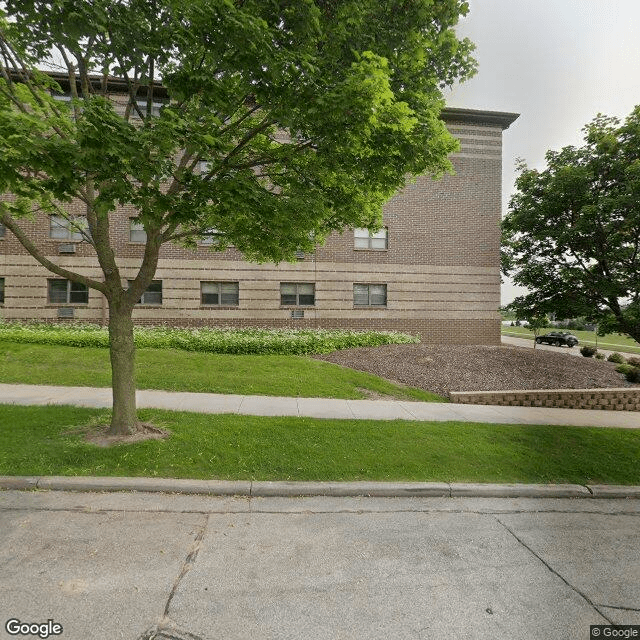
919 Wisconsin Ave., Sheboygan, WI 53081
To contact a resident: (920) 452-2009
For more information about senior living options: (866) 208-4318
Sheboygan Regency House Costs & Pricing
At Sheboygan Regency House, the cost for a two-bedroom unit is remarkably affordable at $603 per month, which stands in stark contrast to the average costs in both Sheboygan County and the broader state of Wisconsin. In Sheboygan County, the average expense for similar accommodations reaches $2,085, while statewide figures climb even higher to approximately $3,111. This significant difference highlights the value that Sheboygan Regency House offers its residents, making it an attractive option for those seeking quality living arrangements without the burden of excessive costs.
| Floor plans | Sheboygan Regency House | Sheboygan County | Wisconsin |
|---|---|---|---|
| 2 Bedrooms | $603 | $2,085 | $3,111 |
Senior living communities with a similar price nearby
-
from +$89 / mo
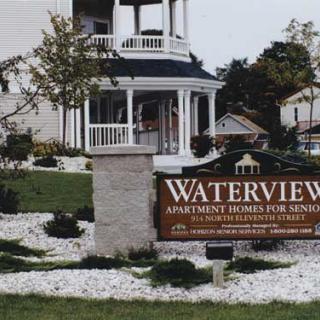
Waterview II
$692 / month0.2 miles away -
from -$20 / mo
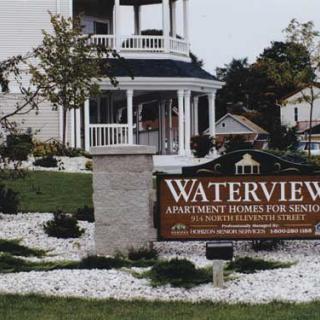
Waterview I & II
$583 to $666 / month0.1 miles away -
from +$32 / mo

Taylor Park Senior Apartments
$635 to $675 / month1.5 miles away -
About the same
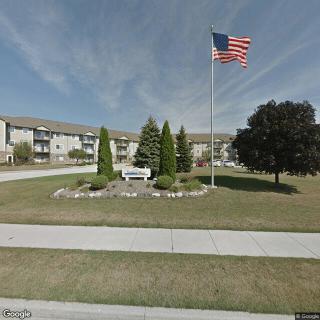
Southbrook Manor
$585 to $689 / month22.6 miles away
Overall Review of Sheboygan Regency House
Cons
 Bed bug infestations keep happening at the property.
- There is no hot water in the middle of winter.
- The management of Sheboygan Regency needs to do better.
- The complex is infested with bed bugs and management doesn't fix it.
- Management knows other residents are causing the bed bugs and won't take action or relocate them.
- The uncle is being relocated out of the complex soon.
- The laundry is filthy and never cleaned.
- There is dust and lint left in the machines, which could cause a fire.
- After 10 years, the machines have not been replaced.
- The place is a complete circus and is not advisable to move to.
Review
Sheboygan Regency House is best suited for seniors and families who must minimize monthly costs and are prepared to tolerate ongoing maintenance and pest-control headaches. In practice, the community serves as a budget-friendly option for those willing to supervise basic care and press staff for essential services. It can work for residents who do not expect luxury, and who can tolerate irregular building systems and intermittent comfort in exchange for lower rent. The key requirement is a willingness to advocate for basic standards, because quiet improvement is not guaranteed. For households with severe care needs, or for anyone who expects consistently reliable essentials, hot water, clean spaces, prompt repairs, this is not the ideal fit. The budget-driven reality is clear: the price may be right, but the quality of daily life hinges on ongoing, active oversight from family members or guardians.
On the other hand, anyone who values reliable cleanliness, pest control, and responsive management should look elsewhere. Alternatives are worth considering for those who have loved ones with mobility challenges, chronic health needs, or a sensitivity to bed bugs and dirty laundry environments. The risk in staying here is not just discomfort; it is repeated disruptions that undermine safety and well-being. When a facility cannot maintain basic amenities or act decisively to resolve infestations, residents can quickly become displaced, relocation becomes the norm, and trust erodes. In short, the price tag does not compensate for persistent operational failures. Minimal expectations, like hot water, sanitary laundry, and properly maintained machines, remain unmet in the current pattern of service.
Proponents of any positives? The reviews reveal very limited concrete advantages. A best-case impression might be affordable rent or calm common areas, but those notes are outweighed by pervasive problems. The severity of bed-bug issues, inconsistent water, and unclean laundry creates a health and safety baseline that undercuts any minor conveniences. When basic standards fail, even occasional favorable comments lose impact. The bottom line is that a handful of favorable anecdotes do not offset the core deficits, pest control, utility reliability, and housekeeping, that shape daily life here. Pros may exist in the abstract, but they do not translate into a dependable living environment for most seniors.
Red flags stand out clearly. Bed-bug infestations recur, and management appears reluctant to take decisive action; hot water can disappear in winter; laundry facilities are routinely filthy, with dusty, lint-filled machines that raise fire concerns; and major equipment remains unchanged after many years. These issues are not trivial; they affect comfort, safety, and health, and they create a churn of resident turnover as families seek safer alternatives. The combination of nuisance pests, unreliable utilities, and aging infrastructure signals a facility that treats basic maintenance as optional rather than essential. The result is a living environment that tests tolerance rather than delivering stability. In practical terms, this means ongoing stress for residents and ongoing negotiations for family members who must intervene to secure even rudimentary services.
To evaluate honestly, apply a rigorous tour checklist. Demand current pest-control logs and a remediation history; verify hot-water availability across different times of day; inspect laundry rooms for cleanliness and machine condition; and ask maintenance response times and ticket-tracking practices. Talk to residents about how repairs are handled and how quickly issues are resolved. Observe staff presence during peak hours, and scrutinize common areas for cleanliness and maintenance gaps. Ask about planned upgrades to major systems or appliances and whether any capital projects are in the pipeline. By pressing on these specifics, families can separate promises from proven capability and decide whether a stable day-to-day routine is realistically achievable.
Bottom line: this community may be workable only for families prioritizing price and willing to supervise aggressively. For anyone who cannot tolerate routine pest issues, inconsistent hot water, and recurring maintenance gaps, move-on is prudent. The strongest move is to compare several options with transparent pest-management records, reliable utility service, and stringent housekeeping standards. If a decision still points here, insist on a written remediation plan with clear milestones and a guaranteed timeline for improvement, plus a contingency exit. In practice, Sheboygan Regency House should be considered only after exhausting more stable alternatives and with a plan to relocate if conditions fail to improve promptly. That clarity will protect both safety and dignity, ensuring the final choice supports sustained well-being rather than repeated disruption.
 Active Adult Communities (55+)
 Cats allowed
 Dogs allowed
 Activities off-site
 Bath tubs
 Indoor common areas
 Outdoor common areas
 Common-area facelift under new management.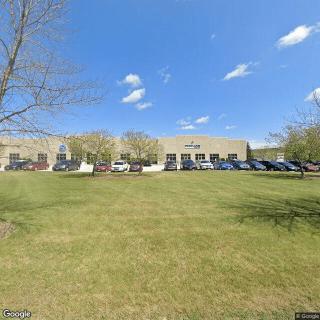
 Understanding the Sandwich Generation: Stress and Responsibilities for Multigenerational Caregivers
 8 Essential Assistive Devices for Older Adults
 Navigating the Financial Road to Nursing Home Care: In-Depth Guidance and Resources