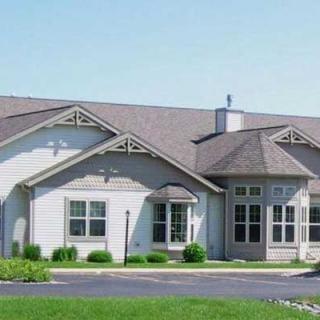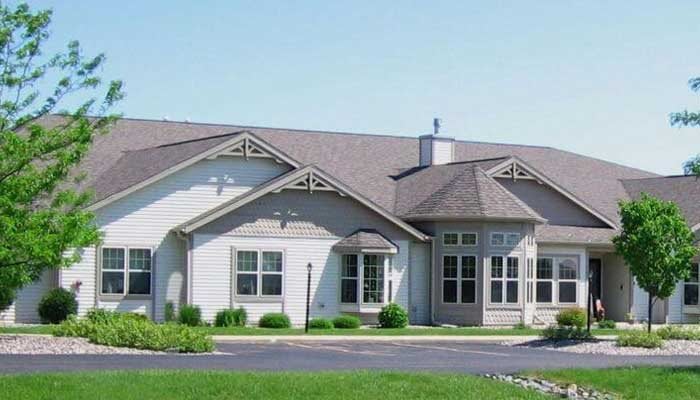
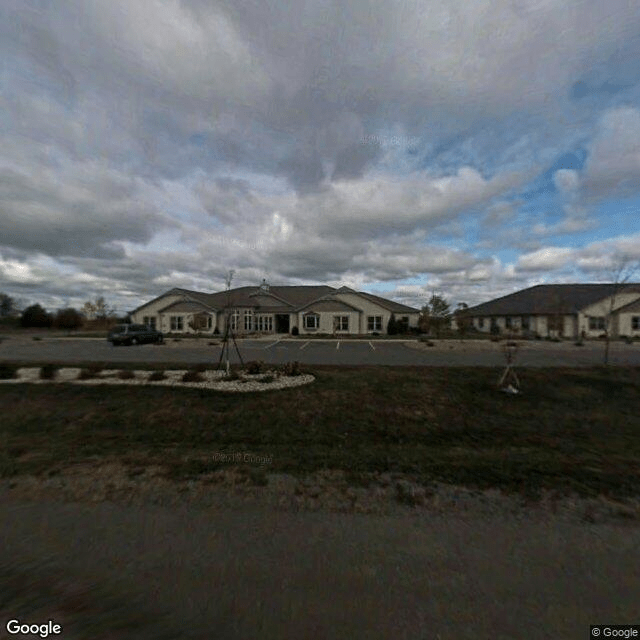
1404 Lili Lane, Schofield, WI 54476
For more information about senior living options: (866) 208-4318
Copperleaf Memory Care Of Schofield Costs & Pricing
Copperleaf Memory Care of Schofield offers a competitive monthly rate for its studio accommodations at $3,350, which is notably lower than both the average costs in Marathon County and the broader state of Wisconsin, where prices stand at $3,883 and $3,999 respectively. This pricing positions Copperleaf as an attractive option for families seeking quality memory care within a budget-conscious framework. The facility's commitment to providing specialized care in a welcoming environment ensures that residents receive not only support but also a comfortable living experience that aligns with their financial needs.
| Floor plans | Copperleaf Memory Care Of Schofield | Marathon County | Wisconsin |
|---|---|---|---|
| Studio | $3,350 | $3,883 | $3,999 |
Memory care communities with a similar price nearby
-
from -$649 / mo
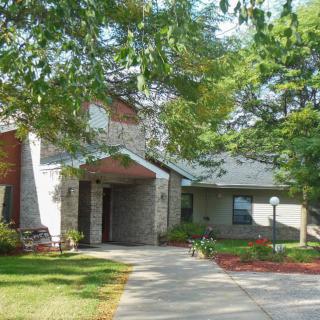
Wellington Place at Rib Mountain
$2,701 to $4,840 / month4.9 miles away -
from +$573 / mo
Sylvan Crossings of Stevens Point
$3,923 / month25.0 miles away -
from -$555 / mo
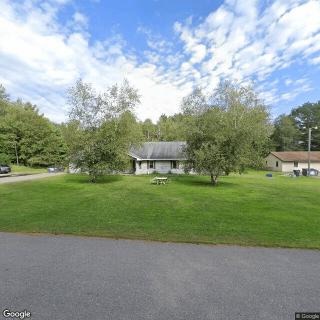
Cady Home West 2
$2,795 / month6.8 miles away -
About the same
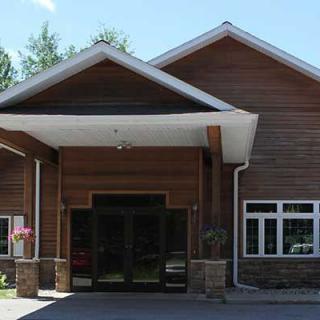
North Ridge
$3,350 / month23.9 miles away -
About the same
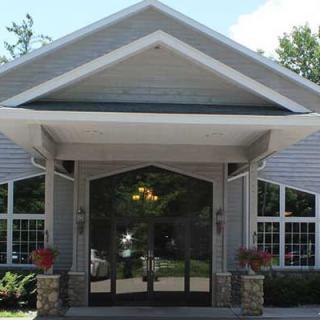
North Crest
$3,350 / month23.9 miles away
Overall Review of Copperleaf Memory Care Of Schofield
Pros
 The staff are excellent.
- The facility is new and very nice.
- It is very clean.
- The facility provides excellent care and monitors the residents well.
- It offers lots of activities for residents and their families.
- The residents appear happy, well cared for, and engaged in daily activities.
- The environment feels homey and welcoming, with staff who interact with residents and treat them with respect.
- The staff are flexible and strive to keep residents happy.
Cons
 The facility lacks storage in the bathroom.
- There are times when there is too little staff on hand to meet all the wants and needs of the residents.
Review
Copperleaf Memory Care of Schofield is best suited for families seeking a memory-care focused option in the Schofield area that combines a newer, clean, and welcoming setting with strong daily engagement and visible caregiver attention. The community shines for residents who benefit from proximity, straightforward availability, and a comprehensive slate of services tailored to memory impairment. A newer building with a home-like atmosphere helps reduce anxiety around transitions, and the emphasis on routine, safety, and relationships makes it a practical, reassuring choice for those who value predictable daily life and meaningful activity.
Those weighing alternatives should consider whether the operation can reliably meet high staffing demands or provide the level of medical oversight some residents require. Tour feedback notes moments when staffing appeared stretched, suggesting that at busy times assistance may not be as immediate as desired. For residents needing continuous one-to-one attention, intensive clinical management, or a more clinical environment, other communities with larger teams or different care models may be a better fit. Practical skeptics should also verify how a bathroom storage shortfall will be addressed and whether there is room for personalized adjustments to everyday routines.
On the upside, the core strengths are concrete and actionable: consistently good care and vigilant monitoring, a broad array of activities for residents and their families, and staff who interact with residents with warmth and respect. Residents are treated as individuals, and the staff makes a tangible effort to keep engagement high through flexible scheduling and a welcoming, homey vibe. This combination translates into residents who appear content, engaged, and less isolated, with families reassured by visible attention to daily needs and safety. The ongoing collaboration between families and caregivers further reinforces confidence in the care plan, especially for those navigating the memory-care journey.
Food quality and the overall living environment also register as dependable positives. Meals are described as ample and satisfying, while rooms stay neat, clean, and comfortably home-like. Staff are consistently described as kind and accessible, ready to step in when help is needed. The program deliberately supports both spiritual and secular experiences, with Sunday services and seasonal decorations that involve residents and family members alike. Outings and flexible visit opportunities further anchor social connections, enhancing mood and mood-related independence. Even where staffing perceptions exist, the facility’s open, responsive culture helps offset potential frictions.
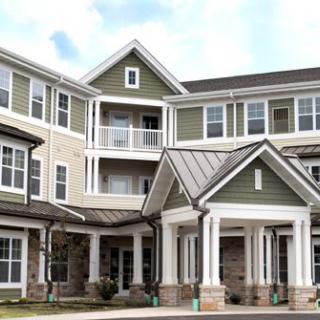
The physical footprint reinforces practical advantages: a fresh, well-maintained space where safety and cleanliness are evident. The new construction makes upkeep straightforward, and the design supports predictable routines that align well with memory-care needs. Yet the notable bathroom storage gap remains a concrete area for improvement, capable of affecting daily organization and toiletries management if not addressed. Prospective families should weigh this detail against the broader strengths and consider whether simple accommodations can bridge the gap, especially if a resident relies heavily on organized storage. It pays to confirm how such adjustments could be implemented before move-in.
Bottom line: Copperleaf Memory Care of Schofield stands out for memory-focused care built on staff engagement, resident individuality, and active family involvement within a modern, welcoming setting. It serves as a compelling option for residents who thrive on structured routines, social programming, and clear care coordination, with families who value regular updates and accessible staff. Those who require intensive medical supervision, higher-hour staffing ratios, or a facility with a more clinical ambiance should consider alternatives. Prospective residents are advised to tour with a specific eye on staffing patterns, the practicality of bathroom storage solutions, the activity calendar, and the alignment of religious and secular programming with personal and family preferences.
 22 resident community capacity
 1-bedroom apartments
 Assisted Living
 Memory Care
 Activities on-site
 Beauty salon
 Cable or satellite TV
 Devotional services off-site
 Dining room
 Fully furnished
 Garden
 Housekeeping services
 Indoor common areas
 Kitchenette
 Move-in coordination
 Outdoor space
 Respite or short term stays offered
 Restaurant-style dining
 Small library
 Telephone
 Wi-Fi/high-speed internet available
 Central Wisconsin (8 miles away)
 24-hour call system
 Ambulatory care
 Assistance with bathing
 Assistance with dressing
 Assistance with transfers
 Diabetes diet
 Diabetic care
 Medication management
 Mental wellness program
 Special dietary restrictions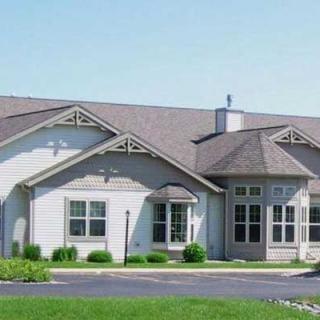

 5 Early Indicators of Dementia and What You Can Do
 8 Important Indicators That Memory Care May Be Necessary
 Delving into the Inner World of Dementia: Insights into Thoughts and Awareness