
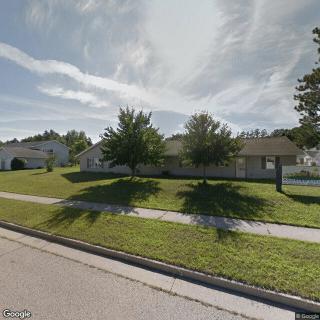
405 Lowville Road, Rio, WI 53960
For more information about senior living options: (866) 208-4318

Overall Review of At Home Again Rio
Pros
 The facility is wonderful.
- The owner, management, and staff are great and truly care about the residents.
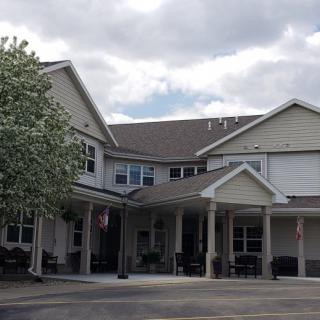
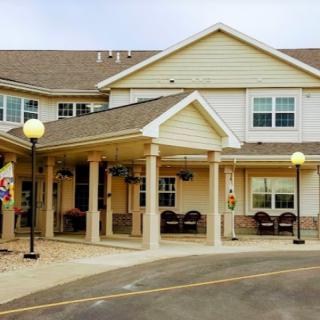
- The facility is updated, cozy, and clean.
- There are always fun and engaging activities planned for everyone.
- The environment is wonderful.
- The food served is amazing.
- The staff are over-the-top amazing.
- The rates are good.
- People would choose this place for a loved one because of the quality of care and the assurance they will be in good hands.
- They have bingo.
- At Home Again-Rio is a great, family-friendly facility.
- They do a lot for the community and the residents.
- People would recommend them to family or friends seeking an assisted living facility.
- The staff are friendly and caring.
- The facility is always clean and welcoming.
Cons
 Majority of staff is young and inexperienced, and when they are incapable of handling a situation, they blame it on the resident.
- Administrators are unprofessional, inappropriate, and rude.
- They had COVID issues and refused to provide COVID testing for residents when requested.
- They issued a 30-day notice and then sold the room before a new facility was lined up, pressuring they into an unsuitable placement.
Review
At Home Again Rio is best suited for families seeking a warm, home-like assisted living experience where residents are treated as family and daily life centers on engagement, comfort, and personal attention. The community shows up as a small, intimate setting with updated, cozy spaces, private suites, and a culture rooted in ownership and hands-on care. It is especially appealing for seniors who value a welcoming atmosphere, frequent enrichment activities, and a calendar that makes life feel purposeful, from homemade meals to live music and a steady stream of meaningful programs. For memory care or end-of-life support, families often find staff who combine genuine kindness with practical hands-on assistance in a familiar, apartment-style environment.
Those who may want to consider alternatives are those who prioritize a highly standardized, ultra-stable leadership structure or a more clinical, larger-campus model. A minority of reviewers note concerns about staff experience and administrative professionalism, hinting at less consistency in handling difficult situations. Additionally, some families might prefer a process with absolute predictability around room turnover and placement, without pressure or complexities if a move becomes necessary. In situations where long-tenured, seasoned leadership and highly formalized procedures are non-negotiable, exploring other options could be prudent.
The strongest positives, ownership-driven care, a genuinely friendly and caring staff, and a consistently clean, welcoming environment, offer clear offset to the potential drawbacks. Residents appear well supervised, with personal attention that covers daily needs, showers, and safety checks, plus options like physical therapy and diet-focused cooking. The “home away from home” feel, where residents retain individual rooms with private baths and familiar furnishings, reduces anxiety and supports independence. The combination of attentive caregivers, a family-oriented culture, and regular enrichment activities makes social connectedness a keystone of life there, which in turn buffers against any perceived gaps in staff tenure.
Another major upside is the robust social and culinary program. The homemade meals, resident-focused activities, special holiday events, and opportunities for family involvement help sustain a sense of meaning and belonging. The memory care team is described as kind and professional, reinforcing confidence for families with loved ones who need more specialized support. A standout feature noted by several reviewers is the feeling that residents are known by name and treated with respect from day one, which matters profoundly for those navigating transitions from home to assisted living. This social fabric often mitigates the impact of staffing concerns by ensuring residents remain engaged and secure.
Practical decision-making asks for a clear sense of fit. Prospective families should visit with questions about staff ratios, night coverage, and how decisions are communicated when a care plan must adapt. It is worth meeting the owner, Alexandra, and the care team to gauge whether the atmosphere aligns with the loved one’s personality and pace of life. Inquire about how room assignments and move-out decisions are handled, and request opportunities to observe daily activities and mealtime routines. Look for tangible signs of a well-loved community: a pleasant aroma, orderly hallways, and residents who seem both engaged and comfortable in their spaces.
In the end, At Home Again Rio stands out for families seeking a heartfelt, less institutional environment where caregiving is personal and daily life is infused with activity and warmth. It is a practical choice for those who want their loved one to feel at home, with capable caregivers who treat residents with dignity and respect, and with strong peer-to-peer social life that sustains happiness. For families prioritizing a stricter, more standardized operation or a larger, more clinical setting, alternatives may offer appeal. The right match will hinge on whether independence and companionship within a home-like framework outweigh the importance of a flawless organizational track record.
 16 resident community capacity
 Assisted Living
 Board and Care Home
 Memory Care
 Cable or satellite TV
 Dining room
 Fully furnished
 Garden
 Housekeeping services
 Move-in coordination
 Outdoor space
 Telephone
 Wi-Fi/high-speed internet available
 Dane County Regional (22 miles away)
 24-hour supervision
 Activities of daily living assistance
 Assistance with bathing
 Assistance with dressing
 Assistance with transfers
 Diabetes diet
 Hospice waiver
 Meal preparation and service
 Medication management
 Mental wellness program
 Special dietary restrictions
 Transportation arrangement (medical)
 Transportation to doctors appointments



 Understanding Medicaid Coverage for Assisted Living: A Comprehensive Guide
 How and When Medicaid May Cover Assisted Living Costs
 A Detailed Exploration of Assisted Living Medicaid Waivers Across the United States