
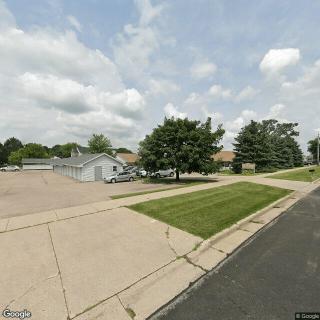
403 Lowville Road, Rio, WI 53960
For more information about senior living options: (866) 208-4318
Overall Review of At Home Again Memory Care Rio
Pros
 The facility is wonderful, with the owner, management, and staff who truly care about the residents.
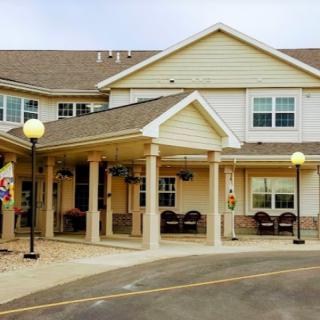
- The environment is wonderful, and the facility is updated, cozy, and clean.
- There are always fun and engaging activities planned for residents.
- The staff are over-the-top amazing and genuinely caring.
- The rates are good, and the quality of care makes it a top choice for loved ones.
- It feels like home, with private suites and personalized touches.
- The team goes above and beyond to provide warm, attentive care.
- Homemade meals and live music create a welcoming atmosphere.
- Families feel welcome and involved in decision-making, with trust and comfort.
- The memory care unit staff are kind and professional, ensuring residents are well cared for.
Cons
 The majority of staff are young and inexperienced, and when they cannot handle a situation, they blame the resident; administrators are unprofessional, inappropriate, and rude.
- The facility had COVID issues and refused to provide COVID testing for residents when requested.
- They issued a 30-day notice, but then made the moving process very difficult, including prematurely selling the room to push the resident into a different facility that did not fit their needs.
Review
At Home Again Memory Care Rio is best suited for families who want a small, home-like memory-care setting where residents are treated as part of a close-knit community. The environment feels intimate and residential: apartment-style suites with private baths, personalized touches, and staff who know residents by name. The tone is warm, the routines feel predictable, and daily life centers on engagement rather than institutional protocol. A strong emphasis on homemade meals, purposeful activities, live entertainment, and meaningful family involvement creates a rhythm that lends dignity and comfort to residents navigating memory challenges. It is a good fit for those who value a house-like atmosphere, visible caregiver involvement, and a program designed to keep residents socially connected.
That said, alternatives deserve consideration for families with different priorities. The community may not be the best match for residents who require highly intensive medical oversight, advanced dementia-specific therapies, or a highly structured, corporate environment with broad centralized resources. If a family seeks a setting with larger caregiving teams, more formalized medical protocols, or a facility-facing decision process that feels more transactional, other options in the market may deliver with greater predictability and scale. Similarly, if a guaranteed, ultra-orthodox policy framework is essential, alongside strict, impersonal procedures, there are facilities whose governance style may feel more aligned with those expectations.
The strongest positives are clear and repeatedly realized in day-to-day life. Ownership and leadership are visibly committed, with a culture described as genuine and family-centered. The staff is praised for warmth, attentiveness, and thoroughness in caring for residents, and the facility is consistently clean and inviting. Residents often have rooms that feel like private suites, complete with personal belongings and a sense of ownership. The programming stands out, regular activities, homemade meals tailored to individual diets, and opportunities for social interaction that help residents stay engaged. The combination of a nurturing environment and practical safety features, including supervised showers and a calm, well-maintained setting, creates a strong value proposition for families seeking dignity and companionship for their loved ones.
But the reviews also acknowledge legitimate caveats. A few concerns center on the experience level of some staff and on perceptions of administrative behavior, with accusations of inexperience, unprofessionalism, or rigidity in handling complex situations. Another tension point is the risk families feel when a facility culture intertwines deeply with ownership; one account highlights a rapid room sale and a disruptive transition, underscoring the necessity of clear contract terms and transparent transition policies. These cautions do not negate the care quality but they do warrant careful due diligence: meet the team, observe interactions, and insist on direct answers about staffing, escalation protocols, and how decisions are communicated.
For families weighing a move, the practical takeaway is clear. Schedule early, in-person meetings with the memory-care team to assess staff consistency and communication style, and ask for a tour that emphasizes the daily routine, safety practices, and the degree of resident autonomy within the memory-care wing. Review the contract with attention to room allocation, notice requirements, and what happens if needs intensify. Request current menus and meal accommodations to ensure dietary needs can be met, and probe the activity calendar to confirm the level of social stimulation matches the loved one’s preferences. This community shines when care is personalized, families stay involved, and the resident’s sense of home remains central.
In the end, At Home Again Rio stands out as a standout option for families seeking a warm, neighborly atmosphere where residents are treated with dignity, joy, and personal attention. It is particularly compelling for those who prioritize social engagement, home-like living, and a collaborative care approach that welcomes family input. The strongest caveat is the need to verify management style and staffing consistency, and to secure clear, written expectations about transitions and notices. When those elements are checked, this memory-care community offers a compelling blend of heart, hospitality, and practical support that can make a difficult transition feel manageable and even uplifting for both residents and their families.
 8 resident community capacity
 Assisted Living
 Memory Care
 Cable or satellite TV
 Dining room
 Fully furnished
 Garden
 Housekeeping services
 Move-in coordination
 Outdoor space
 Telephone
 Wi-Fi/high-speed internet available
 Dane County Regional (22 miles away)
 24-hour supervision
 Activities of daily living assistance
 Assistance with bathing
 Assistance with dressing
 Assistance with transfers
 Diabetes diet
 Hospice waiver
 Meal preparation and service
 Medication management
 Mental wellness program
 Special dietary restrictions
 Transportation arrangement (medical)
 Transportation to doctors appointments


 Estimating the Expenses of At-Home Dementia Care: A Detailed Exploration
 Comprehensive Insights on the Late Stages of Dementia: What to Expect and How to Provide Care
 Medications Associated with Dementia Risk: A Comprehensive Overview