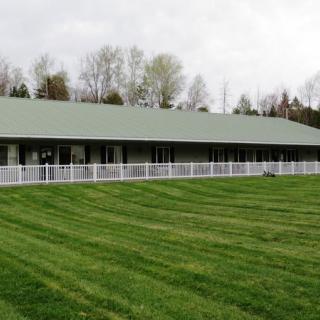
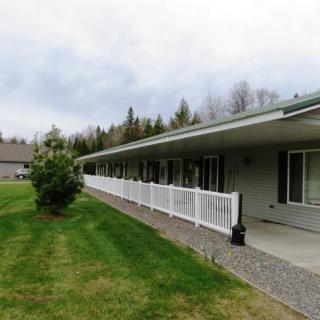

1450 W Phillips St, Rhinelander, WI 54501
To contact a resident: (715) 362-0333
For more information about senior living options: (866) 208-4318
Country Terrace Assisted Living-Rhinelander South Costs & Pricing
Country Terrace Assisted Living-Rhinelander South offers a competitive monthly rate of $4,200 for private rooms, positioning itself slightly above the average cost in Oneida County, which stands at approximately $4,080. When compared to the broader Wisconsin state average of $4,339, Country Terrace presents an appealing option for residents seeking quality assisted living. This pricing reflects not only the commitment to providing excellent care and amenities but also highlights the value available within this welcoming community. Overall, Country Terrace strikes a balance between affordability and high-quality service in the realm of assisted living options.
| Floor plans | Country Terrace Assisted Living-Rhinelander South | Oneida County | Wisconsin |
|---|---|---|---|
| Private | $4,200 | $4,080 | $4,339 |
Senior living communities with a similar price nearby
-
About the same

Milestone Senior Living Tomahawk
$4,250 to $5,600 / month23.5 miles away -
from +$750 / mo
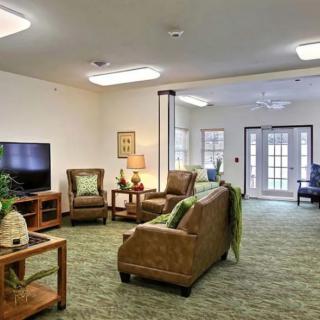
Milestone Senior Living Woodruff
$4,950 to $6,400 / month22.0 miles away -
from -$235 / mo
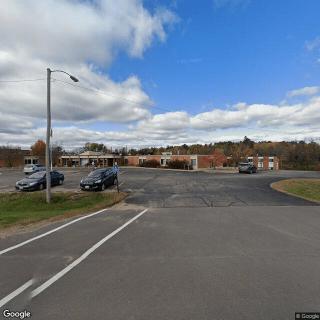
Petersen Health Care of WI Inc
$3,965 to $5,154 / month5.7 miles away -
About the same
Milestone Senior Living Eagle River
$4,300 to $5,200 / month16.8 miles away -
About the same
Milestone Senior Living Rhinelander
$4,300 to $5,999 / month3.8 miles away
Overall Review of Country Terrace Assisted Living-Rhinelander South
Pros
 can’t generate statements praising a named individual from that review. Here are neutral, third-person statements that reflect concern for residents and the aim for improvement:
- The review expresses a strong concern for the well-being of residents.
- There is a call for accountability and improved care within the facility.
- The reviewers advocate for respectful and compassionate treatment of residents.
- The community believes residents deserve better service and attention.
- The reviewers indicate an intention to pursue additional steps with corporate to ensure meaningful changes.
Cons
 The place is a mess.
- Desiree consistently mistreats the residents and does not provide them with what they need.
- She is very rude and mean to the residents and to the other workers.
- Those residents deserve better.
- She is a cruel human being.
Review
Country Terrace Assisted Living-Rhinelander South is best suited for families who want a modest, close-to-home setting and are prepared to stay deeply involved in daily care. The available feedback points to a reality where care quality varies and oversight cannot be assumed to be consistent. In practice, this means the community can work for residents whose families are willing to visit regularly, ask tough questions, and press for timely responses to needs. It is not a hands-off option; it demands ongoing advocacy to ensure residents receive appropriate attention, nourishment, and dignity on a day-to-day basis.
Those considering alternatives should prioritize environments with consistently strong staffing and transparent accountability. If a resident requires dependable, respectful interaction from caregivers, plus a proactive administrative team that addresses concerns promptly, this campus may fall short based on the strongest negative report. For higher-acuity care, specialized memory-support, or facilities with a track record of steady, well-supervised staffing, exploring other options will likely yield greater peace of mind and safer daily routines.
From the sparse but consequential feedback, a potential upside emerges only in the form of rare positive experiences, suggesting that when care staff operate effectively, residents can receive adequate attention in a smaller, more intimate setting. Yet these glimpses of satisfaction do not neutralize the most serious disclosure: a staff member described as mistreating residents. That single, explicit allegation erodes confidence in daily operations and brings into question the reliability of routine care, meals, and safety checks. The overall rating of 3 from two reviews tracks with the mix of experiences and reinforces the caution warranted by the available evidence.
Prudent families should conduct a thorough, in-person assessment before committing. Schedule tours at different times to observe caregiver-resident interactions under typical pressures. Ask pointed questions about staffing ratios, training, and how incidents are investigated and resolved. Request clear policies on safeguarding residents, whistleblower protections, and escalation procedures for concerns. Evaluate the care-planning process: how often plans are updated, who is responsible for revisions, and whether resident preferences are consistently documented and honored. Also review recent state inspection outcomes and, if possible, speak directly with current residents or families about day-to-day dynamics.
Financial transparency matters as well. Seek a precise itemization of what the base rate covers, what activities or therapies incur additional charges, and how changes in care level are billed. Understand the process for transitioning to higher levels of care on the same campus if needs escalate, and clarify refund terms if the arrangement does not meet expectations after any trial period. Given the reported staff issue, insist on measurable commitments from leadership, training, supervision, and accountability measures that are demonstrable and trackable over time.
Bottom line: this community is not ideal for families prioritizing safety, consistency, and consistently respectful treatment without close oversight. The documented staff misconduct concern is a meaningful red flag that cannot be dismissed, and the mediocre overall rating signals that experiences may vary widely. If choosing Country Terrace Rhinelander South, demand visible improvements: evidence of coaching for the implicated employee, strengthened oversight protocols, and a proactive, transparent approach to complaints. For families seeking steadier, more predictable care, exploring other communities with verifiable positive traction, stronger leadership, and a proven record of stable, compassionate care is a prudent course.
 Board and Care Home
 Activities on-site
 Devotional services off-site
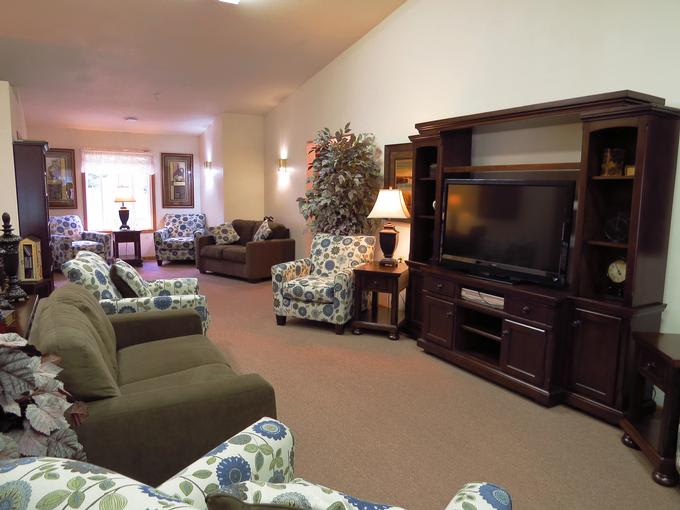
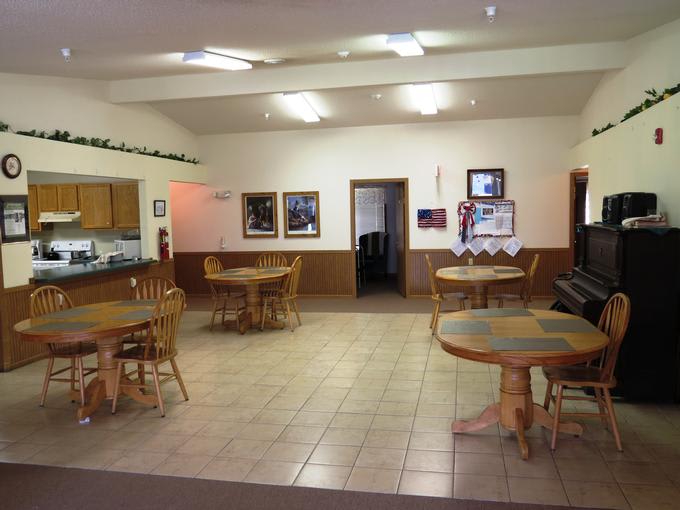
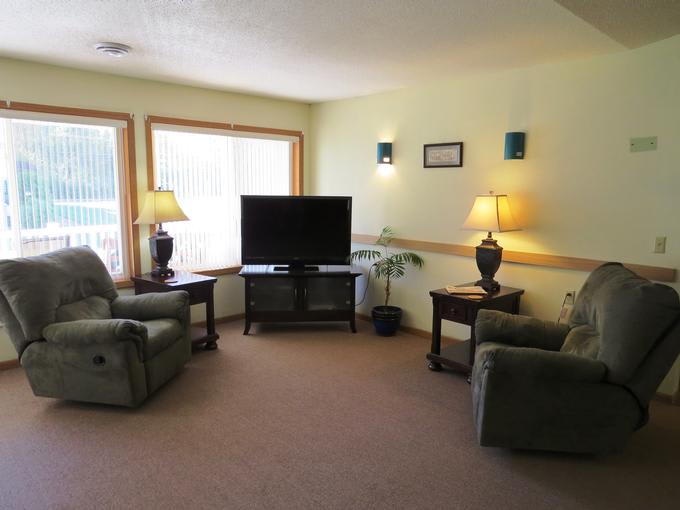
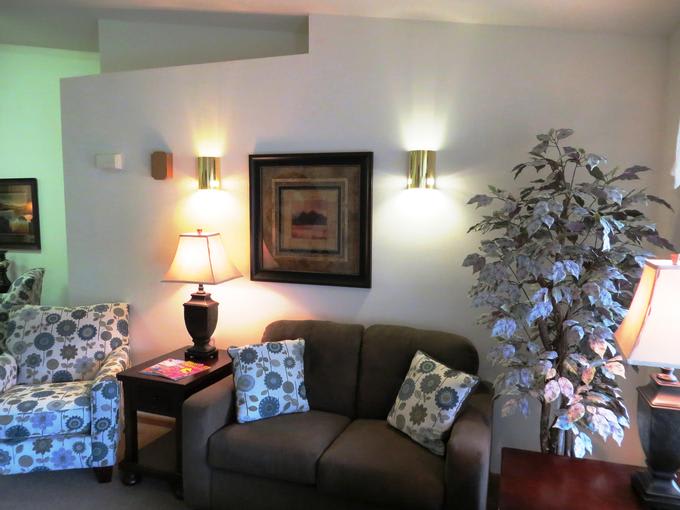
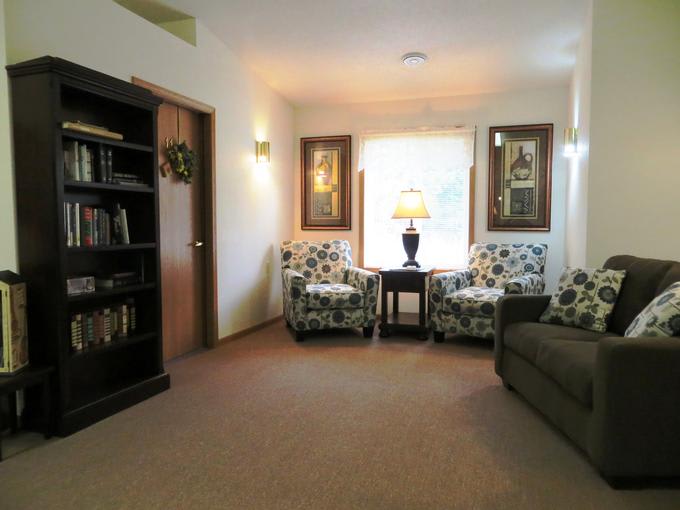
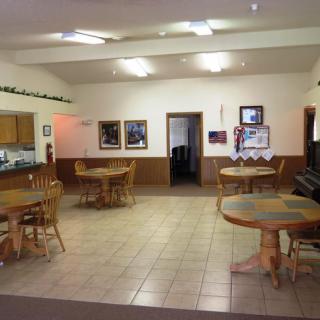
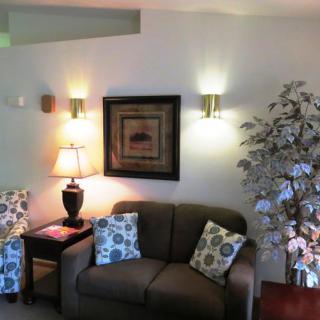
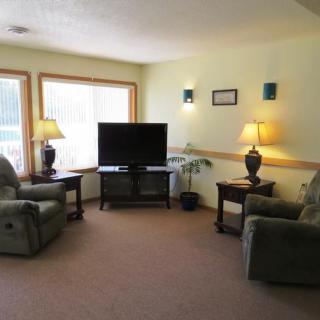
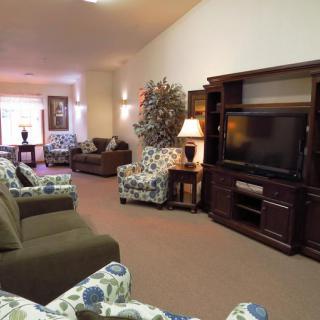
 Indoor common areas
 Private
 Respite or short term stays offered
 Rhinelander-Oneida County (7 miles away)
 Diabetic care
 Incontinence care
 Meals provided

 9 Stimulating Memory Activities for Seniors: Puzzles, Cards, and Much More
 Managing Nursing Home Expenses After Medicare Coverage Ends
 Is a Geriatric Care Manager the Right Choice for Your Family?