Residents and families describe frequent activities and guest-friendly events.
Multiple reviews mention that there is always something going on, with residents staying engaged through scheduled activities. Several families also describe monthly or recurring special events that invite loved ones to participate, including themed parties and celebrations. Reviews also highlight specific engagement favorites, like bingo and faith-based programming, along with outings residents look forward to.
common4 reviews mention this
Food and chef-led gatherings get praise
Families frequently praise the food and chef-led resident events.
Residents and families describe enjoyable meals and draw attention to how the kitchen plans special events. Reviews call out chef-led gatherings with catered-style meal service and desserts, plus regular day-to-day cooking that stands out compared with other places. A separate review also notes that residents raved about the meals and that eating well brought peace of mind to the family.
differentiator4 reviews mention this
Nursing support for dementia care
Residents and families point to nurse support that feels tailored for dementia.
Several reviews specifically mention nurse Destiny for dementia-focused knowledge and ongoing updates for families. Families describe a move to the community going smoothly, with the nurse communicating how they approach dementia and helping the resident feel comfortable. Another review highlights a dementia-friendly care plan, while a separate family notes help coordinating care between hospice and the community’s team.
caveat4 reviews mention this
Concerns about staffing, cleanliness, and meds
Some reviews report serious concerns about care follow-through and facility upkeep.
While many reviews are positive, a handful describe problems that range from communication breakdowns to concerns about cleanliness and medication timing. One reviewer says staff appeared untrained for memory care and mentions turnover, while another says the phones were not answered when they needed to reach the community. Additional negative reviews mention rooms not being cleaned as expected, and at least one also raises issues with food quality and an elevator not working consistently.
How we summarize
Counts show how many written reviews mention each theme; a review can touch several themes, and only frequently mentioned themes are displayed.
Features
Housing
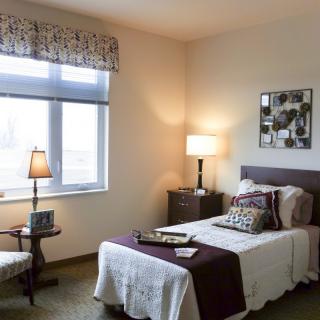
4 resident community capacity
Types of Care
Assisted Living
Amenities
Cable or satellite TV
Dining room
Fully furnished
Garden
Housekeeping services
Move-in coordination
Outdoor space
Telephone
Wi-Fi/high-speed internet available
Transportation
General Mitchell International (14 miles away)
Care Services
24-hour supervision
Activities of daily living assistance
Assistance with bathing
Assistance with dressing
Assistance with transfers
Coordination with health care providers
Diabetes diet
Meal preparation and service
Medication management
Special dietary restrictions
Transportation arrangement (medical)
Transportation to doctors appointments
Dining
Diabetes diet
Special dietary restrictions
Activities
Community-sponsored activities
Scheduled daily activities
Nearby Places of Interest
Restaurants
McDonald's (0.3 miles)
Culver's (1.3 miles)
McDonald's (1.9 miles)
Reefpoint Brew House (2.4 miles)
Burger King (3.6 miles)
Chick-Fil-A (3.6 miles)
Joey's (3.7 miles)
Pharmacies
Walgreens (1 miles)
Walgreens (1.8 miles)
Walgreens (2 miles)
Ascension Rx - Racine Pharmacy (2.4 miles)
Walgreens (2.6 miles)
CVS Pharmacy (2.9 miles)
Walgreens (3.4 miles)
Parks
Racine Quarry Park (1.4 miles)
Racine Lakefront Parkway (3.4 miles)
Lake Park (5.2 miles)
Petrifying Springs Park (8.3 miles)
Physicians
Rudy Byron, MD (1.5 miles)
Aurora Health Care (2.1 miles)
Neurological Clinic (2.2 miles)
GI Associates (2.2 miles)
Eye Clinic Of Racine (2.2 miles)
Atrium At Wheaton Franciscan (2.4 miles)
Spring Street Medical Offices (2.5 miles)
Hospitals
Wheaton Franciscan Healthcare - All Saints (2.4 miles)
Senior move management services assist older adults in the relocation process by providing emotional support and organizational help, addressing unique challenges like downsizing and moving from long-term homes. These specialists collaborate with real estate agents and manage logistics, making the transition smoother for seniors and their families.
The article examines senior housing options, detailing the distinctions between independent living and assisted living, along with the emerging "independent assisted living" model that blends both approaches. It highlights the importance of assessing individual needs, preferences, and financial factors in making informed decisions about suitable living arrangements for seniors.
The deductibility of assisted living expenses on taxes hinges on factors like the individual's medical condition and service nature, typically requiring the resident to be "chronically ill" per IRS definitions. Taxpayers may deduct eligible medical expenses related to personal care services but generally not rent unless primarily for medical care, and they should maintain thorough documentation to support claims while considering itemizing versus standard deductions.
Get PricingAsk A QuestionSchedule A TourContact Senior Advisor
By clicking submit, you agree to our Partner's Terms of Use. You
also consent to receive calls and texts, which may be autodialed, from our Partner. Your consent is not a condition to
using our Partner's service. Please visit our Partner's Privacy Policy for information about their privacy practices.


 4 resident community capacity
 Assisted Living
 Cable or satellite TV
 Dining room
 Fully furnished
 Garden
 Housekeeping services
 Move-in coordination
 Outdoor space
 Telephone
 Wi-Fi/high-speed internet available
 General Mitchell International (14 miles away)
 24-hour supervision
 Activities of daily living assistance
 Assistance with bathing
 Assistance with dressing
 Assistance with transfers
 Diabetes diet
 Meal preparation and service
 Medication management
 Special dietary restrictions
 Transportation arrangement (medical)
 Transportation to doctors appointments
 Personalized care with 24-hour supervision and specialized memory care, plus transportation to medical appointments and meal management.
 Senior Transition Services: Understanding Their Role, Cost, and Importance
 Exploring the Path to Senior Living: A Comprehensive Look at Independent Living and Assisted Living
 Is Assisted Living Deductible on Your Taxes? Understanding the Complexities of Assisted Living Expenses and Deductions