
6109 Braun Road, Racine, WI 53403
For more information about senior living options: (866) 208-4318
Overall Review of The Artisan Racine (Community Based Residential Facility)
Pros
 The facility did not smell like an old folks' home and was well kept.
- It had a nice ambiance and a clean, well-maintained appearance.
- It offered a small gym setup that could be customized to residents' needs.
- It appeared to be well-staffed.
- It was among the lower-cost facilities.
- The rooms were clean and neat, and the common areas were well-maintained.
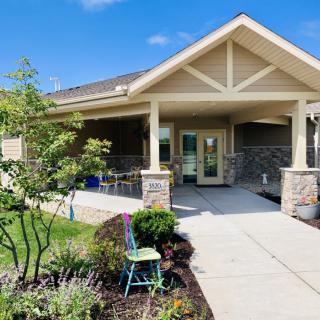
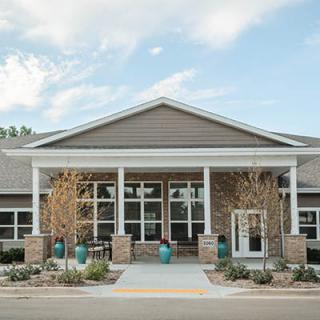
- The exterior and grounds were well-tended with trees and tree-lined walkways.
- The dining areas were nicely sized and decorated, with delicious-looking food and great options for all diets.
Cons
 The staff didn’t know she had a broken hip, and she sat for a day and a half before they noticed something was wrong.
Review
The Artisan Racine is best suited for seniors who want a small, home-like setting with predictable routines and a budget-friendly price tag. With about 24 residents at a time, the community feels intimate rather than institutional, which translates into more personalized attention and a closer rapport with staff. It suits individuals who value cleanliness, well-kept spaces, and straightforward living arrangements over the bustle of a large campus. The on-site therapy gym stands out as a practical perk, especially for those pursuing light rehab or ongoing maintenance, and the ability to customize the gym to resident needs adds a concrete, actionable benefit. Overall, this is a solid match for families prioritizing affordability, ease of navigation, and a quiet, manageable environment.
That said, serious consideration should be given to alternatives for residents with higher medical needs or memory-care requirements. One review recounts a troubling lapse in responsiveness when a resident suffered a broken hip, going unnoticed for more than a day. That kind of incident raises legitimate concerns about monitoring, timely nursing intervention, and the reliability of emergency escalation in a smaller setting. While the facility may be well-maintained and staffed in general, this example underscores a potential vulnerability in medical oversight and rapid response, especially during off-peak hours or in a community where staff-to-resident ratios are smaller. For families prioritizing robust medical oversight, other options with stronger on-site nursing and clearly defined emergency protocols may be more appropriate.
Among the positives, the small scale of The Artisan Racine translates into tangible advantages. The rooms are versatile in size, giving families options from compact to more comfortable configurations, and the overall look is orderly and clean. Common areas and amenities are kept up well, which supports a sense of pride and safety for residents who value a neat, unhurried environment. The existence of a small gym that can be tailored to individual therapy goals is a meaningful plus, an on-site resource that can aid with mobility, balance, and rehab tasks without traveling off-site. The low-cost angle further strengthens the case for choosing this community when budget constraints are a decisive factor.
Nevertheless, the downsides tied to the small footprint deserve sober consideration. The most salient risk is the potential for delayed recognition of medical issues, as illustrated by the hip-injury incident. A compact operation can mean fewer on-site staff hours and potentially fewer specialized care options, which may translate into slower response times and less immediate nursing support. The reviews provide limited detail on memory care provisions, emergency staffing levels, or the availability of 24/7 clinical oversight, making it prudent for families to verify these safeguards directly. In addition, the range of activities and social programming, while adequate for many, may not match the breadth found in larger facilities with more extensive staffing and programming.
When weighing pros against cons, The Artisan Racine offers a compelling value proposition for families prioritizing an intimate, cost-conscious setting with practical rehab capabilities. The strong points, the clean, homelike environment, the variety of room sizes, and the customizable on-site gym, can meaningfully offset the convenience and affordability advantages for most residents. However, the downside highlighted by the safety incident cannot be dismissed. If stability in medical monitoring, rapid emergency response, and ongoing supervision are non-negotiable, that risk should be addressed through careful due diligence and candid conversations with leadership about staffing patterns, care protocols, and recent changes implemented after the incident.
The practical takeaway is clear. This community excels for residents who want a smaller, more affordable home where staff can know residents by name, and where rehab or therapy can be pursued locally. It is less well suited for those with higher care needs, complex medical regimens, or dementia requiring frequent, specialized oversight. Prospective families should schedule visits with focused questions: What are the exact staffing ratios across day and night? Is there on-site nursing coverage, and how quickly do nurses respond to alarms? How are medical emergencies managed, and what specific changes were implemented after the hip-injury incident? Request to meet caregiving staff, observe a routine, and speak with residents about daily life. In short, The Artisan Racine can be a very good fit when expectations align with the community’s scale, but careful validation of safety, medical oversight, and care-planning processes is essential before making a commitment.
 26 resident community capacity
 Studio apartments
 Assisted Living
 Memory Care
 Beautician on-site
 Cable or satellite TV
 Dining room
 Fully furnished
 Garden
 Housekeeping services
 Kitchenette
 Laundry
 Move-in coordination
 Outdoor space
 Party space
 Respite or short term stays offered
 Restaurant-style dining
 Small library
 Telephone
 Wi-Fi/high-speed internet available
 General Mitchell International (18 miles away)
 Transportation & parking
 24-hour call system
 Activities of daily living assistance
 Assistance with bathing
 Assistance with dressing
 Assistance with transfers
 Diabetes diet
 Medication management
 Mental wellness program
 Physical therapy
 Special dietary restrictions
 Religious services
 English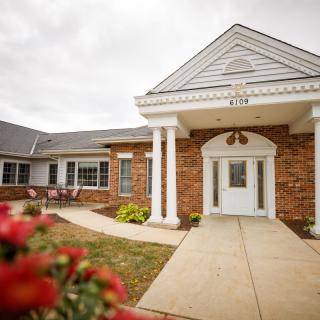


 Guiding Your Journey: Understanding Power of Attorney for Elderly Parents
 22 Remarkable Caregiver Support Groups Available Online and In-Person
 Understanding Medicaid Coverage for Assisted Living: A Comprehensive Guide