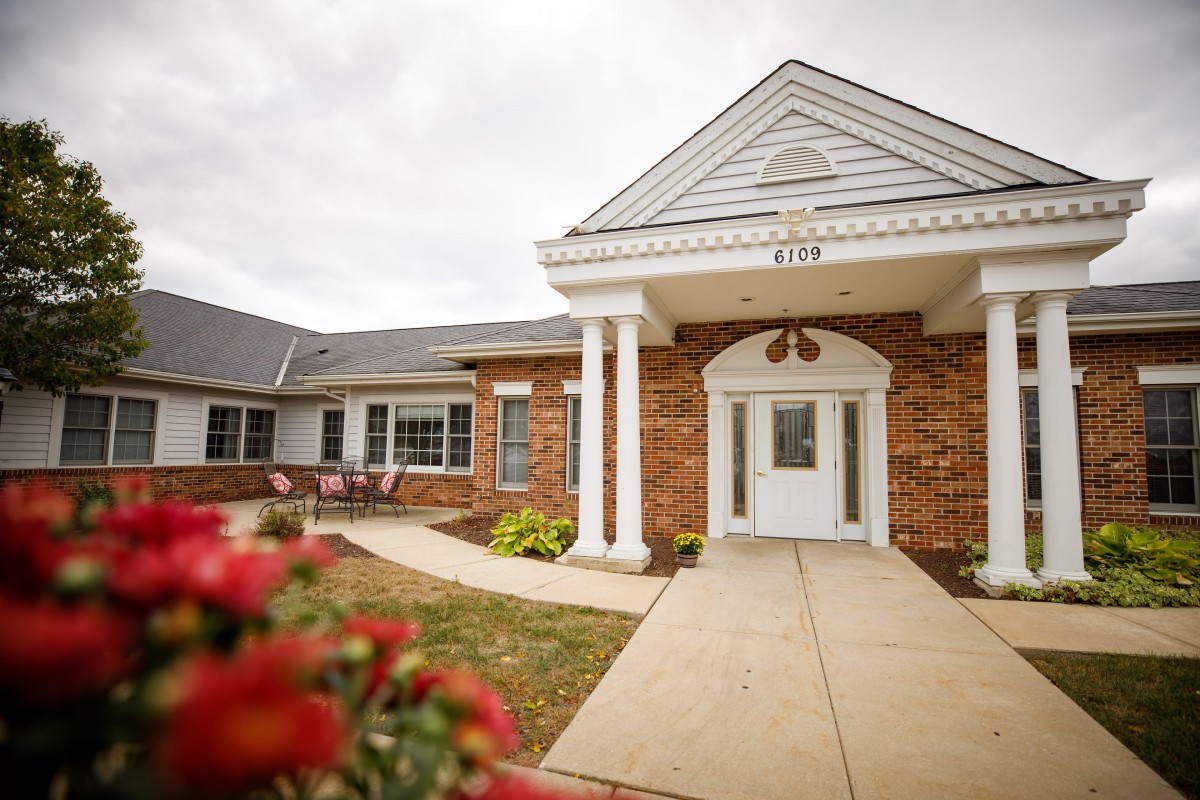
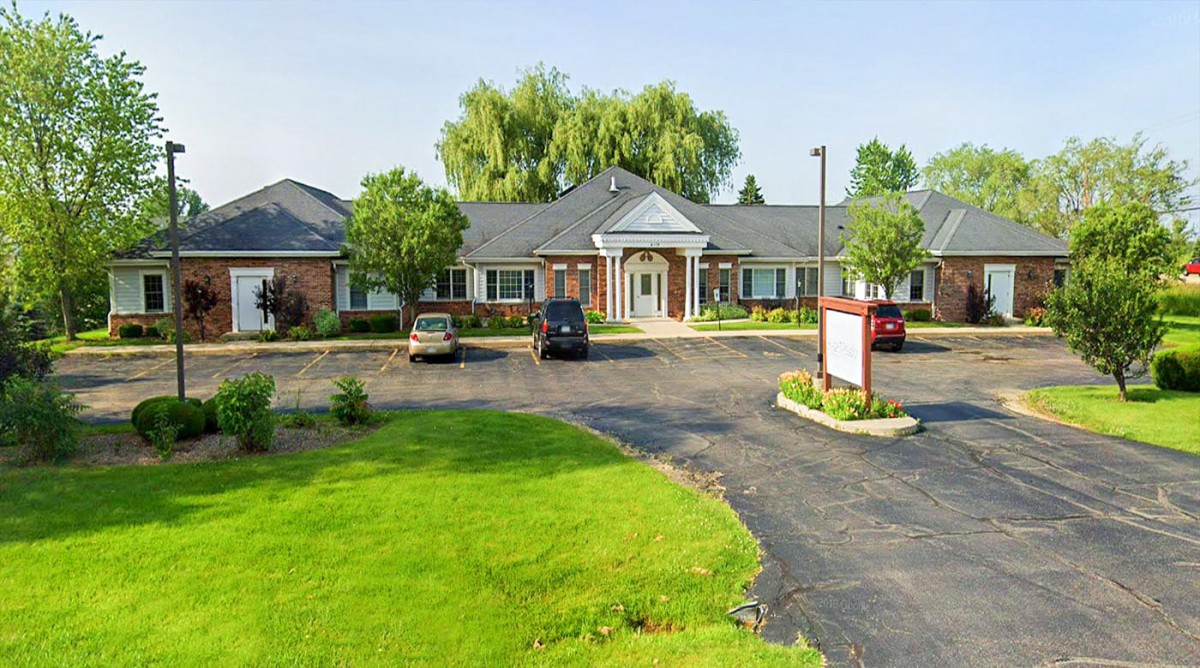


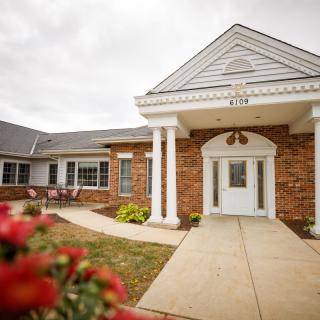
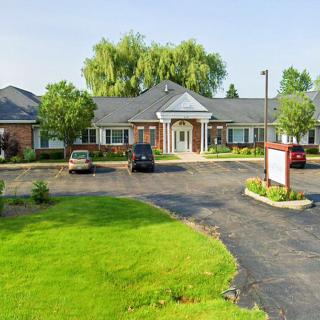


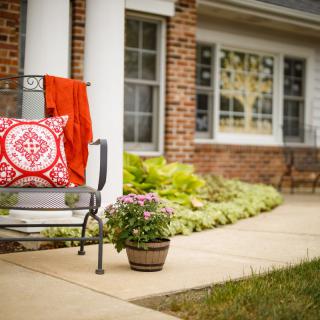

6109 Braun Rd, Racine, WI 53403
To contact a resident: (262) 554-6765
For more information about senior living options: (866) 208-4318
Sage Meadow Racine Costs & Pricing
Sage Meadow Racine offers competitive pricing for its studio accommodations, with a monthly cost of $3,795. This rate notably positions it below the average for both Racine County at $3,962 and the broader Wisconsin state average of $3,999. By providing an attractive price point while maintaining quality care and amenities, Sage Meadow Racine presents itself as a compelling option for individuals seeking affordable living solutions in the area. The facility's commitment to delivering value without compromising on service further enhances its appeal among prospective residents.
| Floor plans | Sage Meadow Racine | Racine County | Wisconsin |
|---|---|---|---|
| Studio | $3,795 | $3,962 | $3,999 |
Assisted Living communities with a similar price nearby
-
from -$295 / mo
Dolphin Manor
$3,500 / month12.1 miles away -
from -$295 / mo
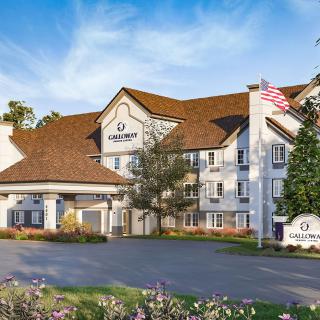
Galloway Senior Living
$3,500 to $6,000 / month17.8 miles away -
from -$295 / mo

Open Arms 20 III
$3,500 to $4,000 / month2.2 miles away -
from +$355 / mo
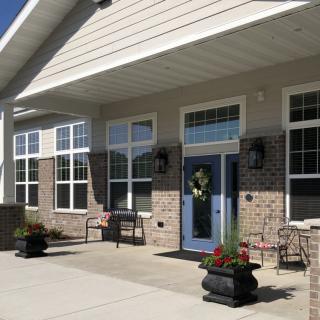
Archwood Senior Living
$4,150 to $5,150 / month15.2 miles away -
from -$726 / mo
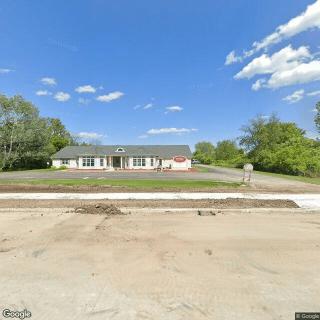
Matthews of Oak Creek
$3,069 / month16.2 miles away
Overall Review of Sage Meadow Racine
Pros
 Sage Meadows has been absolutely wonderful for families.
- They have been kind and caring, and it is a lovely facility.
- The staff are friendly, attentive, and caring, and the facility is clean.
- The meals are excellent, and the activities keep residents engaged.
- The director Denise runs the facility like clockwork and goes above and beyond for residents and staff.
- It is a smaller, cozy community that provides personalized care.
- Tours note that the staff are knowledgeable, helpful, and caring.
- Sage Meadows would be highly recommended for loved ones.
Cons
 The staff were extremely rude to the reviewer.
- They gave no information, even though the reviewer was on the emergency contact list.
- They were very unprofessional and wouldn’t recommend the facility.
- The facility is too small and old.
- It isn’t suitable for an elder who is more independent.
Review
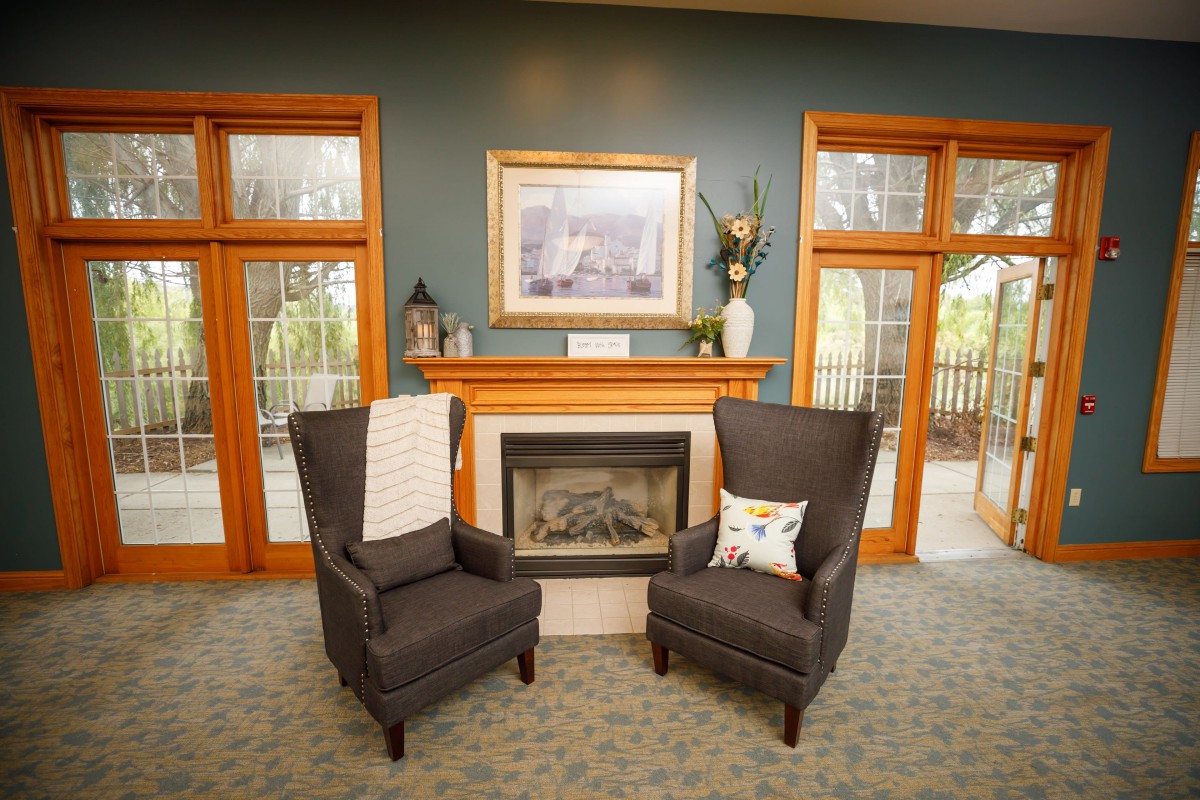
Sage Meadow Racine is best suited for families seeking a small, intimate assisted living option where caregiving is personalized, staff know residents by name, and daily life centers on routine, connection, and meaningful activities. The community shines for seniors who are mostly independent with light to moderate assistance and for families who prize straightforward communication, visible leadership, and a home-like atmosphere over expansive amenities. In practice, it is ideal for residents who benefit from high staff visibility, frequent social engagement, and a calm, predictable environment that feels part of the neighborhood rather than a resort.
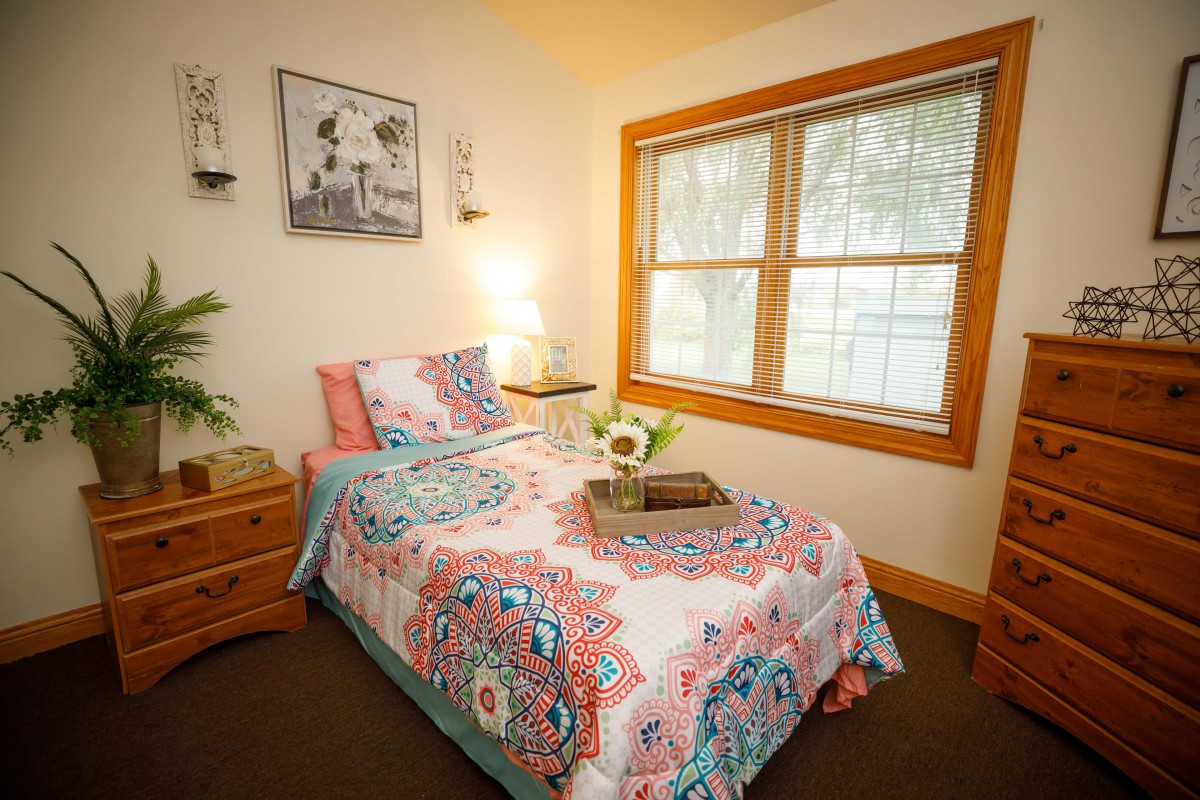
Not every resident will thrive here. This is not the right fit for those needing high-acuity medical care, frequent skilled-nursing transfers, or a locked memory-care environment. The campus is compact, about 24 beds, with limited common areas and modest private rooms, which can feel cramped for someone who desires more space or larger gathering places. For families seeking robust memory-support programs, extensive therapy equipment, or a modern, sprawling campus with a wide range of services, alternatives will likely serve better.
The strongest positives clearly offset these constraints. A small footprint allows a high level of personal attention: staff are described as friendly, attentive, and consistently engaged with residents’ lives. Long-tenured caregivers and a director who runs the facility with precision create reliable routines, continuity, and a sense of trust that families value. Cleanliness and a warm, homey atmosphere recur as themes, and home-cooked meals plus a rich slate of activities help residents stay connected and engaged. For families prioritizing everyday quality of life and the feeling that a loved one is truly known, these advantages carry substantial weight.
There is one notable caution to consider: a negative interaction where a staff member was perceived as rude when information about a resident was requested. While this appears to be an outlier, it underscores the need for a clear point of contact and proactive communication from the outset. Establishing who to call, what information can be shared, and expected response times should be part of the early conversations. Overall, however, the prevailing pattern in the feedback points to dependable care, transparency with families, and a culture of warmth that permeates the day-to-day experience.
Environment, programming, and leadership are the standout drivers of value here. The facility’s smaller scale and quiet setting translate into a community where residents can participate without feeling overwhelmed, and where staff can deliver individualized attention. The oak-tree views during meals, the consistently strong social programs, and the sense that staff genuinely enjoy their work all contribute to a sense of belonging. Not every resident needs such an environment, but for those who do, Sage Meadow offers a compelling blend of dignity, stability, and engagement. The trade-off, space and high-acuity capacity, is concrete, but the payoff is a consistently homey, well-run experience that many families will find preferable.
Bottom line: Sage Meadow Racine is a strong choice for families prioritizing intimate, relationship-driven care, a lively social life, and leadership they can trust in a smaller, well-managed setting. It is less suitable for residents who require intensive medical care, complex memory-support services, or expansive facilities with abundant common areas. The decision should hinge on the resident’s care needs, desired level of independence, and the family’s tolerance for a compact footprint. Prospective buyers should schedule a visit, meet the director plus direct-care staff, review a sample activities schedule, and confirm memory-care options if memory issues are a consideration. With the right fit, Sage Meadow delivers genuine warmth, dependable leadership, and a comforting, neighborly home for growing older.
 Assisted Living
 Activities on-site
 Beautician on-site
 Devotional services off-site
 Indoor common areas
 Outdoor common areas
 Respite or short term stays offered
 Wheelchair accessible showers
 General Mitchell International (19 miles away)
 Ambulatory care
 Diabetic care
 Incontinence care
 Medication management
 Kosher
 Senior Transition Services: Understanding Their Role, Cost, and Importance
 Exploring the Path to Senior Living: A Comprehensive Look at Independent Living and Assisted Living
 Is Assisted Living Deductible on Your Taxes? Understanding the Complexities of Assisted Living Expenses and Deductions