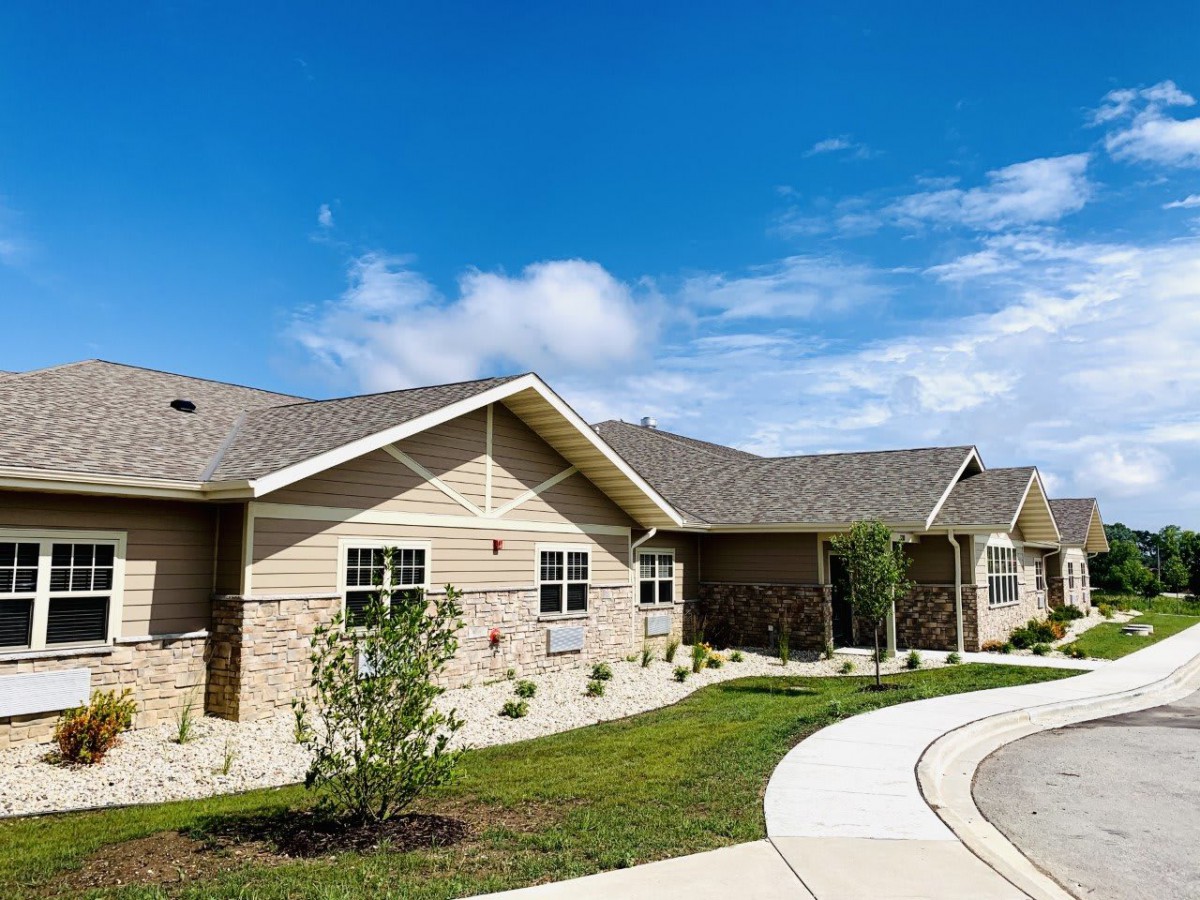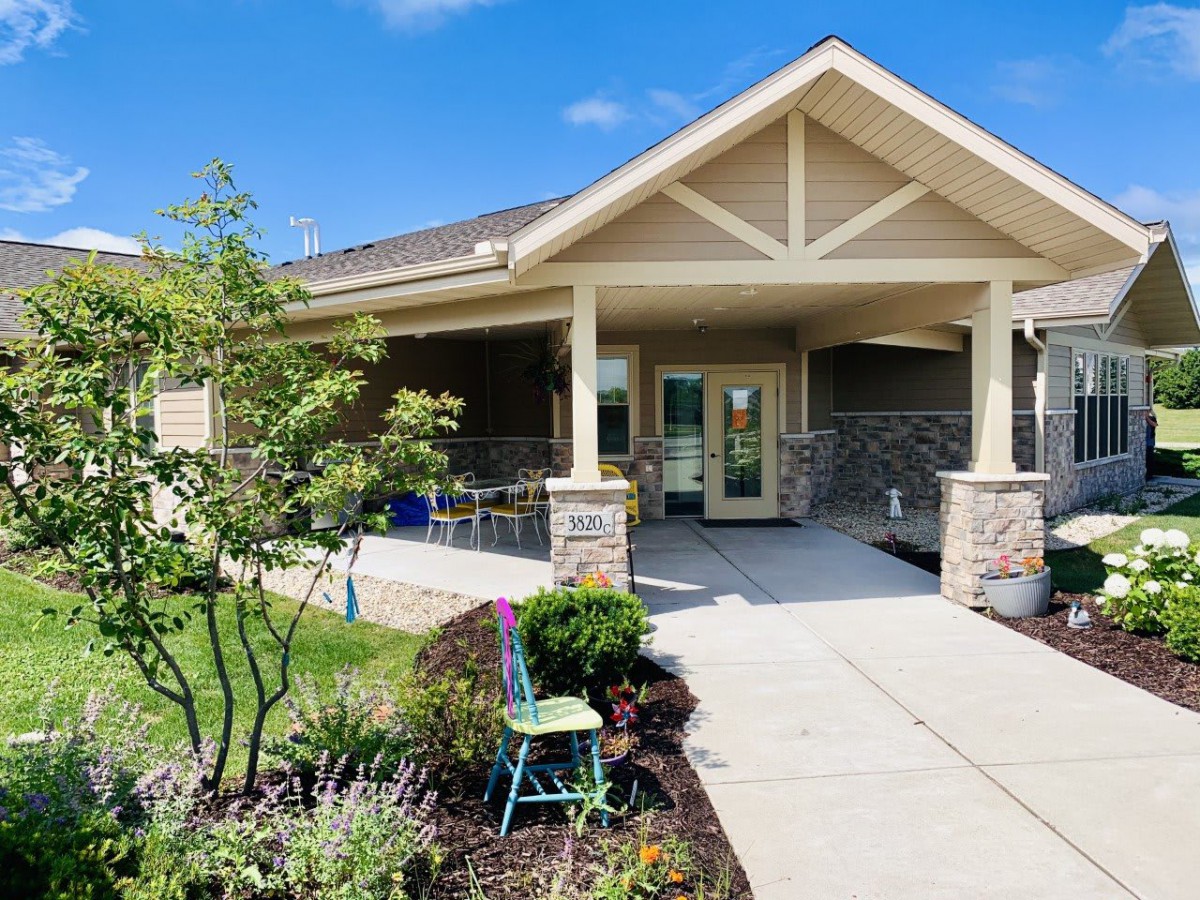
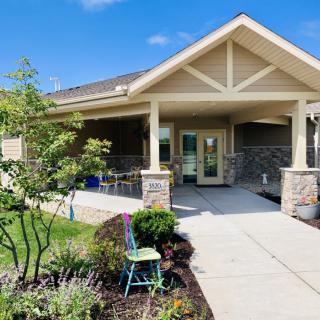
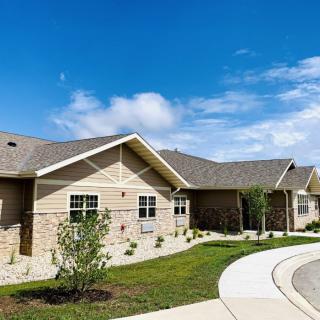
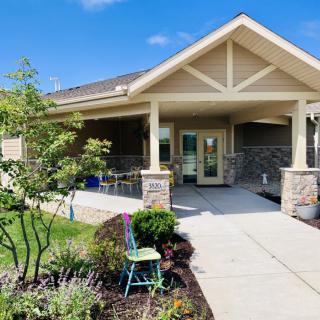
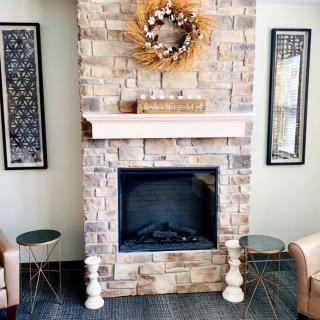
3820 Old Green Bay Rd, Mount Pleasant, WI 53403
To contact a resident: (262) 226-2893
For more information about senior living options: (866) 208-4318
Magnolia Hill - Mount Pleasant Costs & Pricing
Magnolia Hill in Mount Pleasant presents a premium option for those seeking one-bedroom accommodations, with monthly costs set at $5,000. This figure stands in stark contrast to the average rates observed in Racine County, where the typical cost for a similar unit is approximately $2,945, and even further from the state average of around $3,412 in Wisconsin. While Magnolia Hill offers a higher price point, this may reflect enhanced amenities, superior services, or a desirable location that caters to individuals looking for an elevated living experience. Potential residents should weigh these factors when considering their housing options within the region.
| Floor plans | Magnolia Hill - Mount Pleasant | Racine County | Wisconsin |
|---|---|---|---|
| 1 Bedroom | $5,000 | $2,945 | $3,412 |
Memory care communities with a similar price nearby
-
from -$950 / mo
Waterford Senior Living
$4,050 to $5,450 / month18.4 miles away -
from +$500 / mo
Dolphin House B
$5,500 / month19.3 miles away -
from +$420 / mo
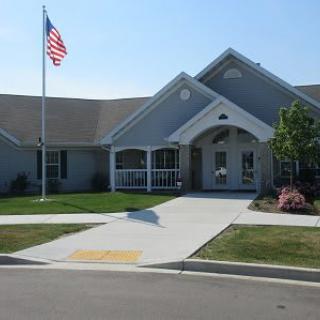
Azura Memory Care of Kenosha
$5,420 to $6,880 / month6.6 miles away -
About the same
Pine Brook Pointe
$5,000 / month20.8 miles away -
from +$900 / mo
Ramsey Woods
$5,900 / month17.1 miles away
Overall Review of Magnolia Hill - Mount Pleasant
Pros
 The staff were very efficient during move-in.
- Christian Rocha was very helpful throughout the admission process and was there on move-in day to make things run more smoothly.
- The staff are nice and helpful to both families and residents, and residents are kept clean and comfortable.
- The community is recommended to others by families for their loved ones.
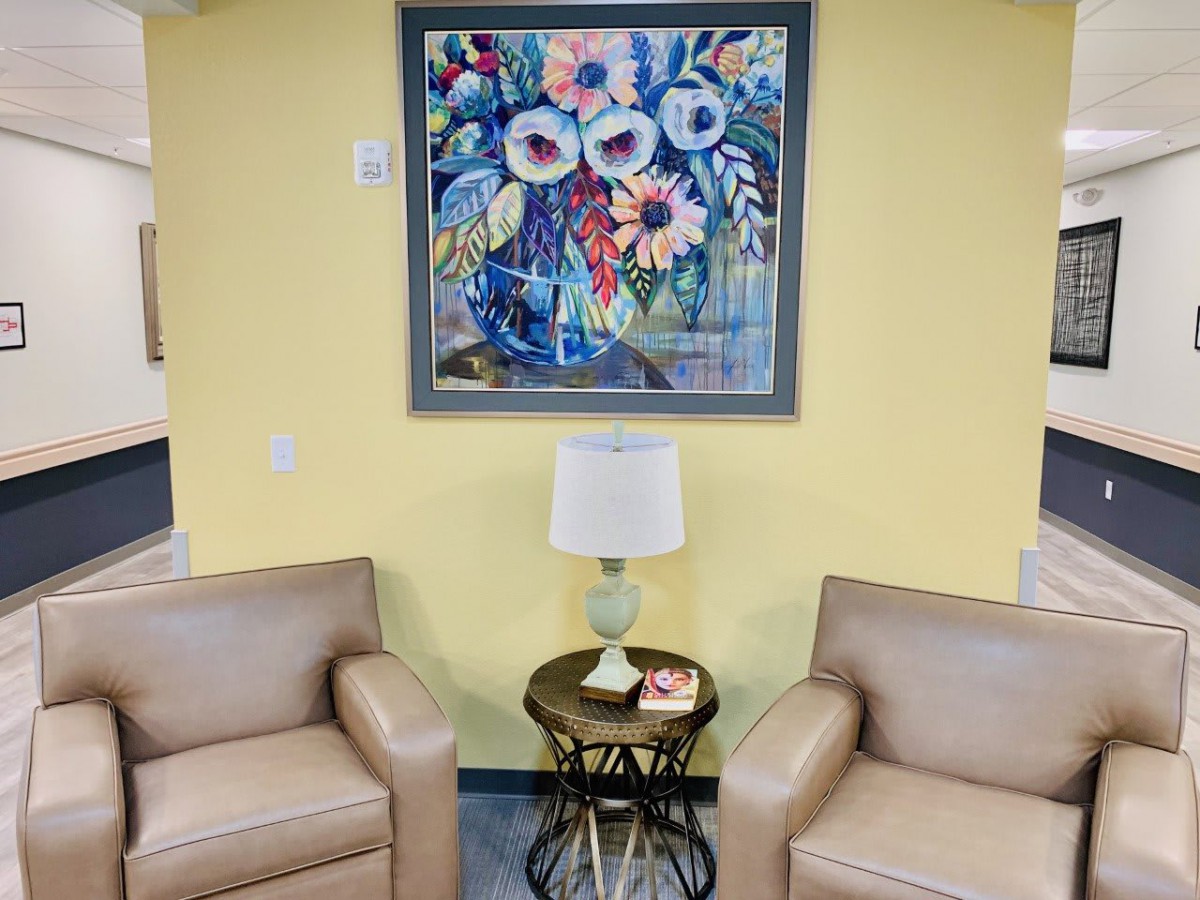
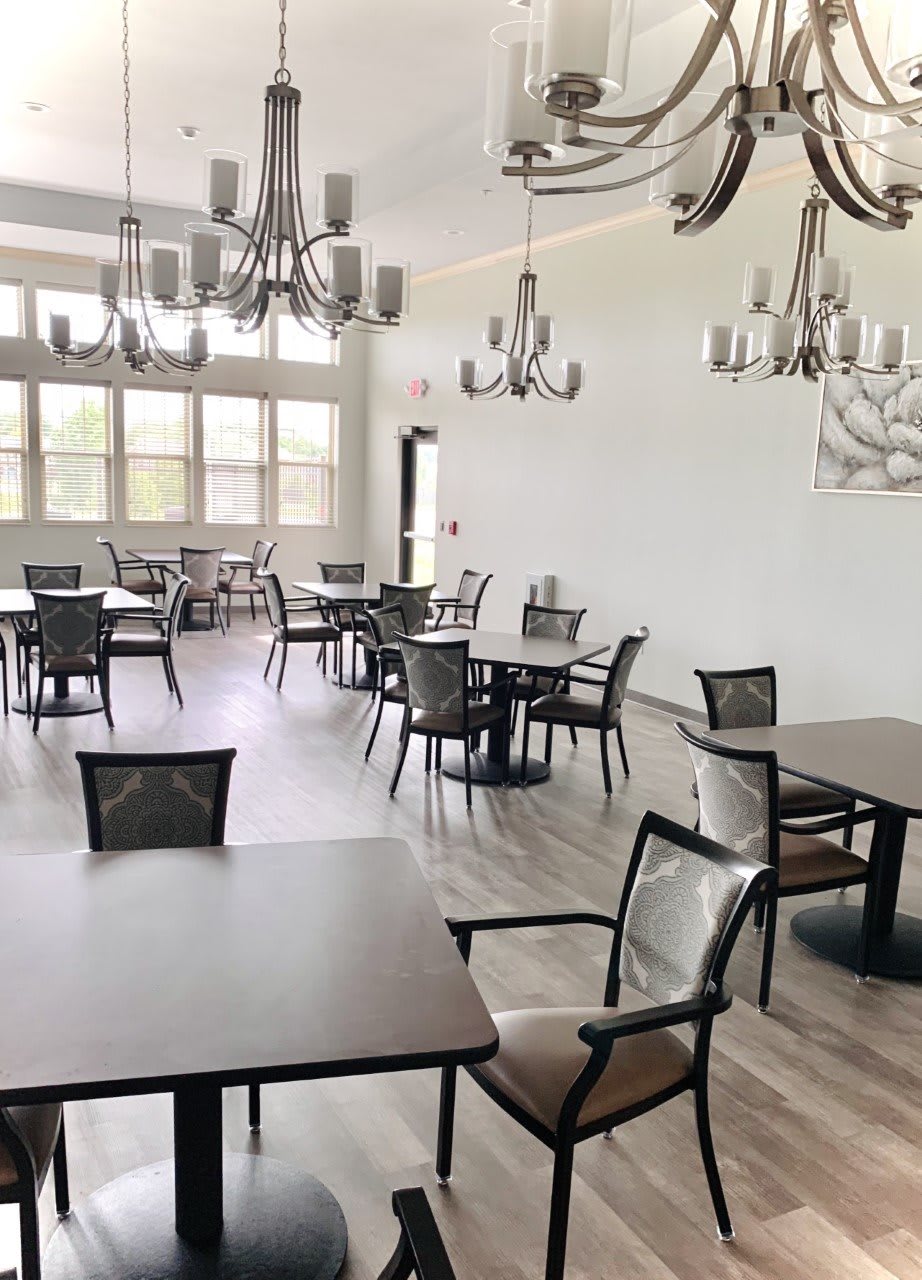
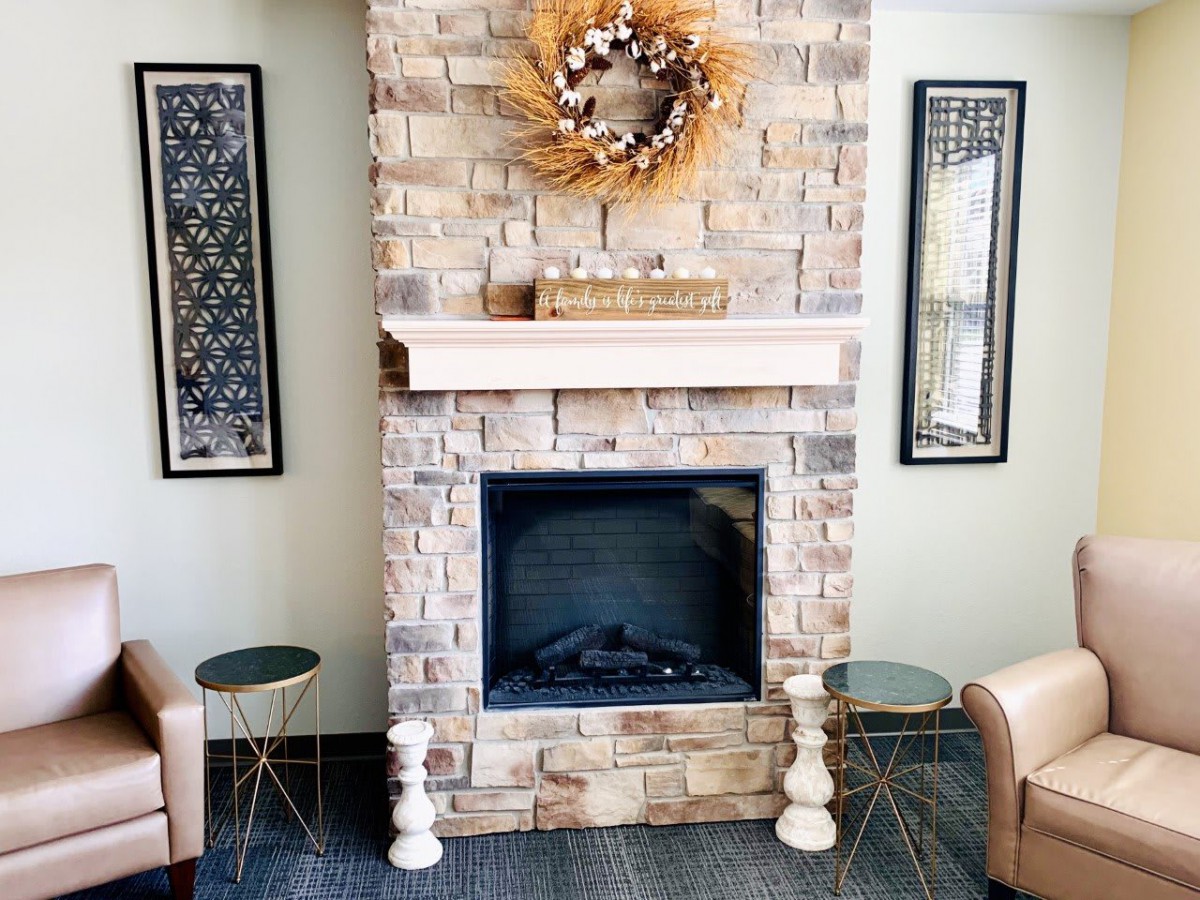
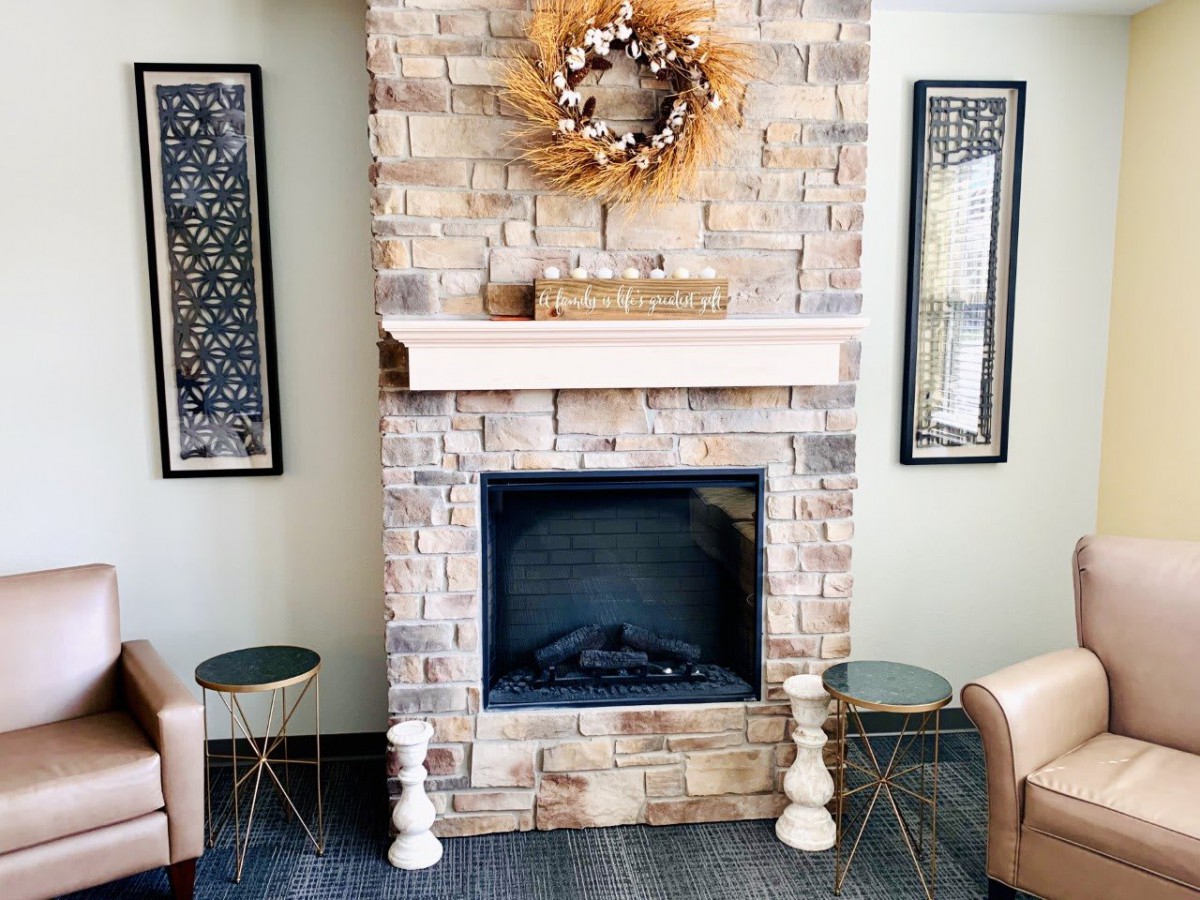
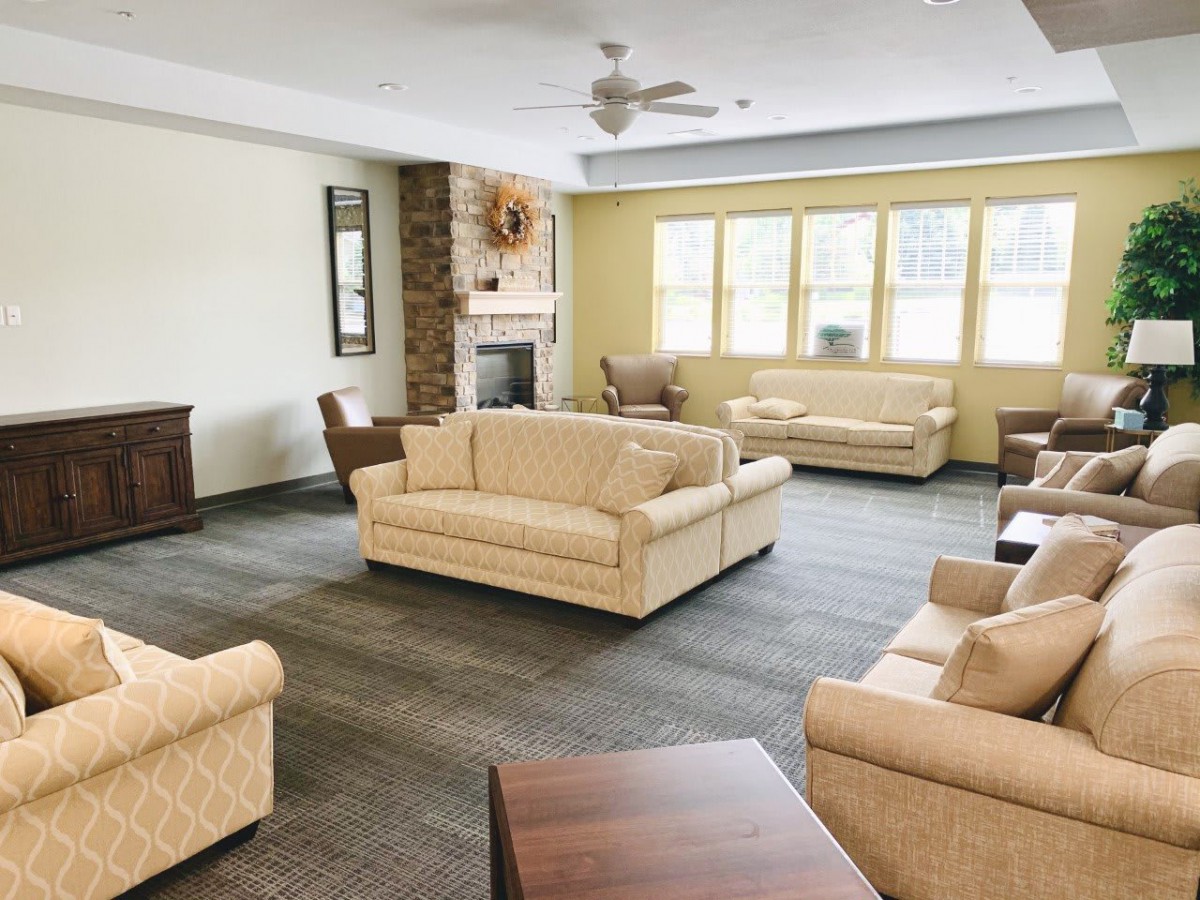
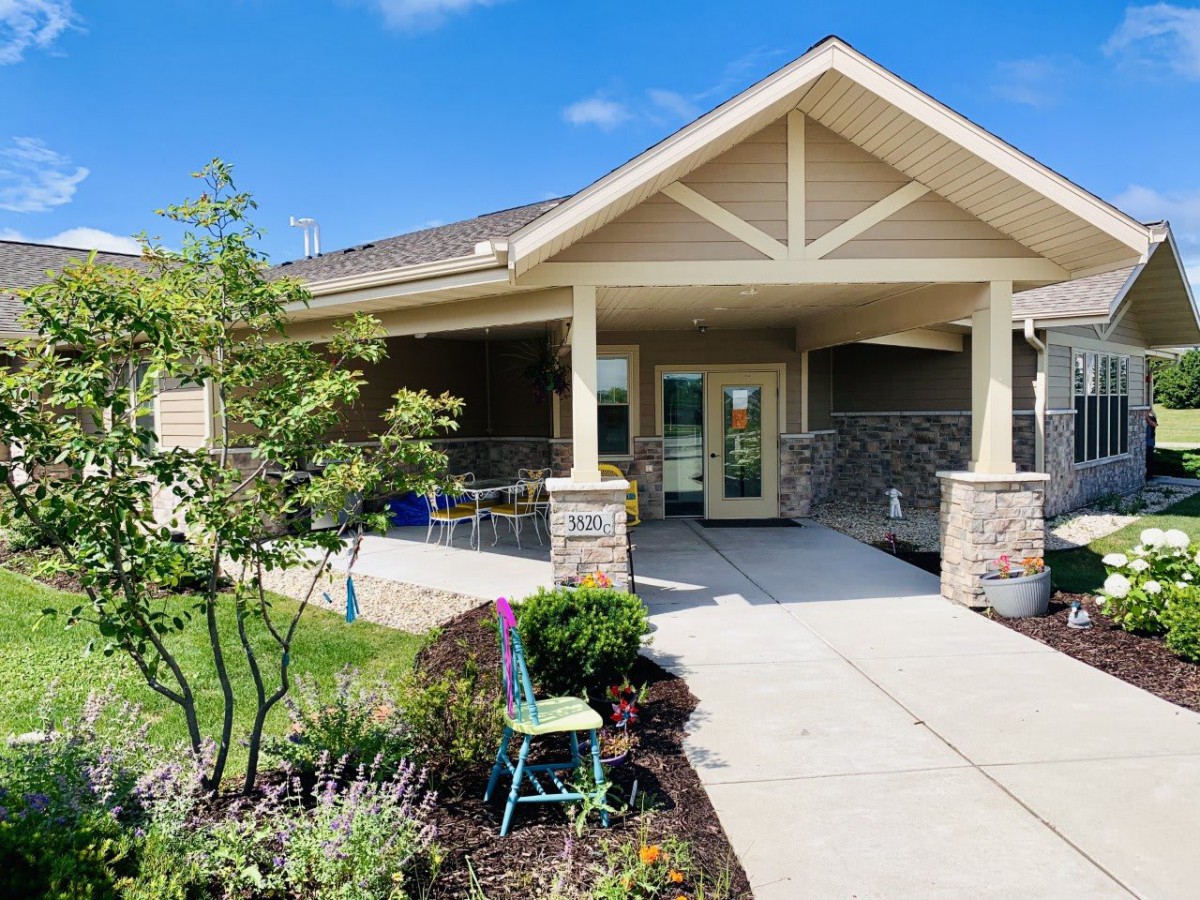
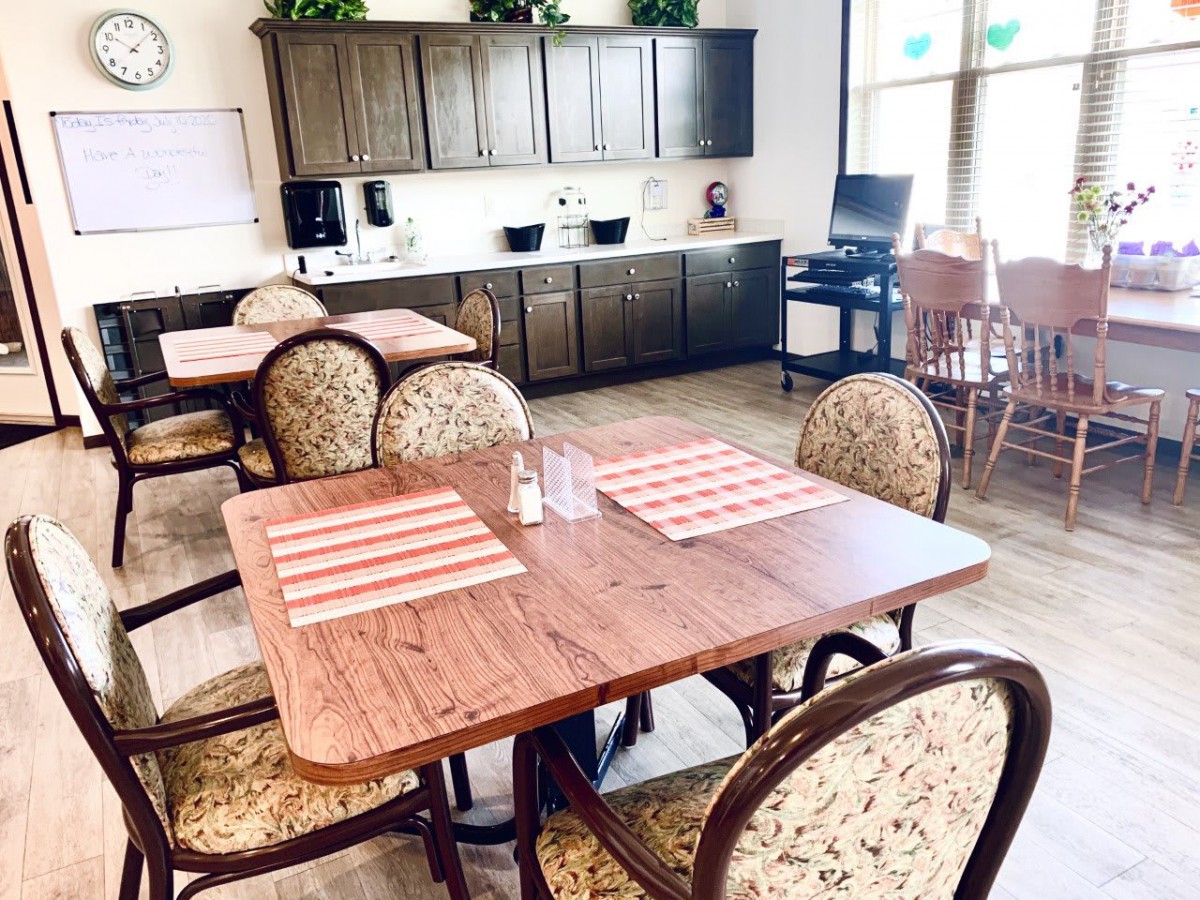
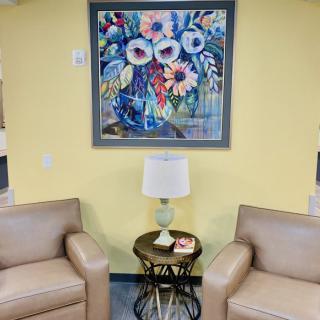
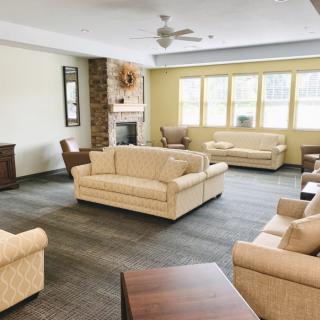
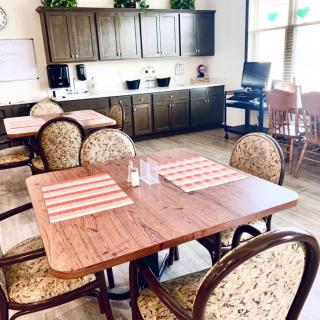
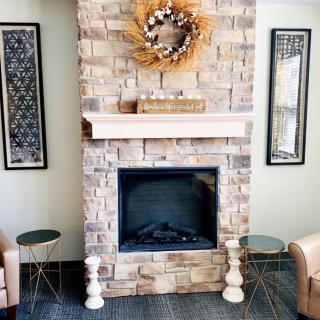
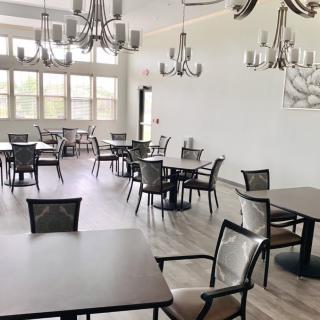
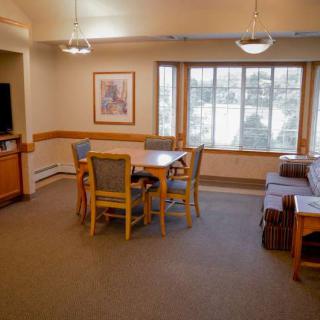
- Magnolia Hills is a brand-new, clean facility with a friendly atmosphere and a nice common area.
- The coordination between local health care providers and Magnolia Hill staff is excellent, and the building is clean.
- The staff go out of their way to make the move less stressful and answer questions.
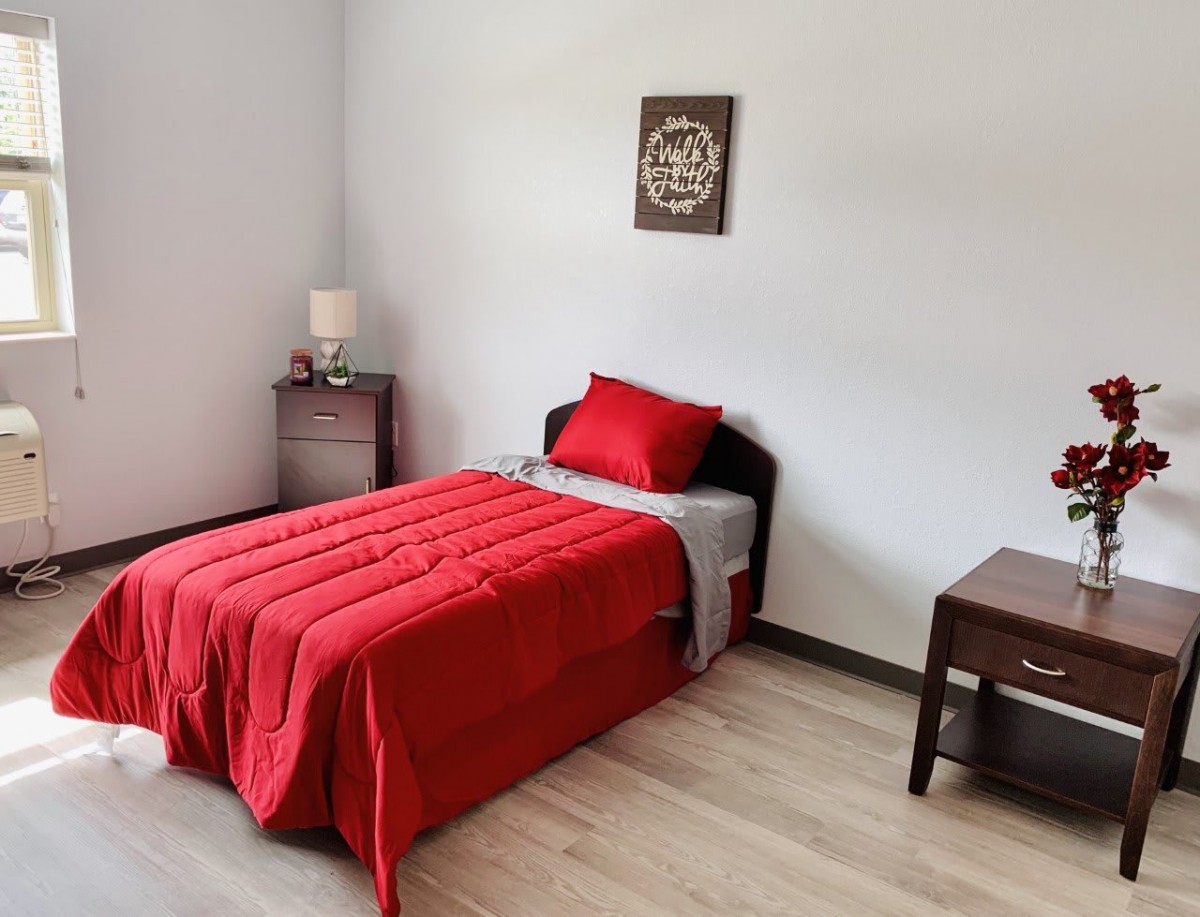
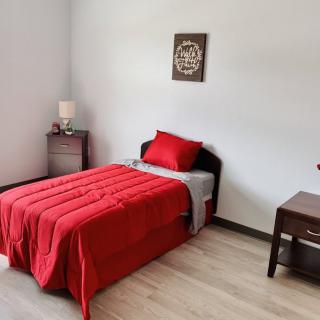
- Magnolia Hills is a smaller community that takes good care of residents, with adequately sized rooms and good meals; a new chef is expected to improve things.
- The manager is very helpful and responds promptly to questions or requests.
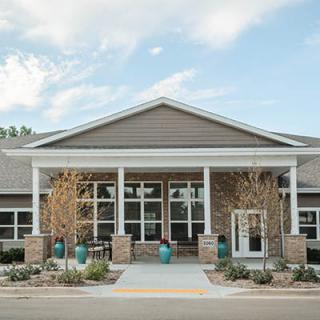
- The facility is beautiful with friendly staff and a clean, organized environment.
- Some staff members are amazing, truly kind and loving.
Cons
 The staff failed to follow proper procedures after a resident’s fall, resulting in a leg fracture.
- The staff could not locate the resident’s medication and did not make a reasonable effort to find it, leaving him without critical medication for over a day.
- Magnolia Hills failed to properly document and forward the resident’s medication requirements to the next facility.
- The director Christian was described as dismissive and unprofessional.
- The manager was described as one of the least caring people, rarely around and unresponsive to residents.
- Some staff members allegedly do not have proper training and mishandle medical issues, leading to serious injuries.
- Residents were left unattended as staff were seen outside taking smoke breaks.
- The facility was labeled a truly terrible place, with neglect such as a grandmother being left in urine and hospice medication schedules being ignored.
- They misrepresented services, stating there is a memory care unit when there isn’t.
Review
Magnolia Hill in Mount Pleasant is best suited for families seeking a small, newly built assisted living community where move-in is smooth, surroundings feel fresh, and front-line staff can form direct, ongoing relationships with residents and their families. The setting suits those who prioritize a clean, modern environment, a friendly, responsive intake process, and nearby access to medical partners. It is less appropriate for residents who need strong, consistent medical oversight, memory care, or a facility with fully established clinical protocols and robust risk management, as several reviews flag serious concerns about management attention and medication handling.
The strongest positives center on the practicalities families care about during transition and daily life. Several accounts praise the move-in process as efficient and well-supported, with staff like Christian Rocha playing a pivotal role in smoothing admission and orientation. The building’s cleanliness and the pleasant communal spaces contribute to an inviting atmosphere, and family members repeatedly note that staff are courteous, attentive, and communicative when concerns arise. For families seeking a smaller, neighborly feel with straightforward daily routines, meals, room size, and personal care embedded in a cohesive unit, Magnolia Hill delivers reliably on those fronts.
Yet the most consequential concerns run deeper than surface impressions. A pattern of reported medication mismanagement and documentation gaps stands out, including instances where critical meds could not be located and transfers to the next level of care were poorly handled. A fall that led to a leg fracture, coupled with allegations of delayed or incomplete medication administration and insufficient forwarding of medical information, raises red flags about the facility’s medical oversight. Several reviews portray management as disengaged or untrustworthy, with cited gaps in accountability and follow-through that erode confidence in the system, particularly during medical emergencies or complex care transitions.
In weighing the pros against the cons, the positives meaningfully support households that value intimate settings, clean environments, and accessible, compassionate staff for routine needs. The facility’s smaller footprint can translate into more individualized attention and quicker familiarization for residents and families. However, the recurrent threads of perceived management indifference and risky lapses in medication safety suggest that these advantages may not be enough to offset serious safety and continuity concerns for residents who require rigorous oversight, consistent staffing, or memory care services. When stability in medical management and transparent, dependable communication are non-negotiables, Magnolia Hill becomes a place that must be scrutinized further rather than chosen by default.
Families considering Magnolia Hill should explicitly evaluate whether memory care is truly available if needed and how it is staffed, documented, and supervised. Alternatives deserve consideration for anyone worried about medication traceability, incident follow-through, and the overall reliability of clinical oversight. Prospective residents with stable, low-acuity needs, and who can tolerate a smaller, less resource-rich operation, may find Magnolia Hill workable, but those with cognitive challenges or high medical complexity should compare with facilities that offer clearly defined memory care programs, stronger incident reporting, and a proven track record of seamless care transitions.
Practical next steps for decision-making are clear. Request a candid tour focused on medical operations, ask for recent incident reports and how they were resolved, and verify whether the community currently offers an on-site memory care unit or a clearly defined partnership for such services. Check staffing ratios on each shift, request direct references from families with residents who have comparable needs, and review a detailed care plan for any prospective resident. Finally, demand concrete assurances: medication reconciliation procedures, timely access to medications, and a formal escalation protocol when concerns arise. In short, Magnolia Hill can be a strong fit for a certain profile, but families must insist on evidence of consistent medical oversight and transparent, responsive leadership before committing.
 1-bedroom apartments
 Assisted Living
 Memory Care
 Activities off-site
 Air-conditioning
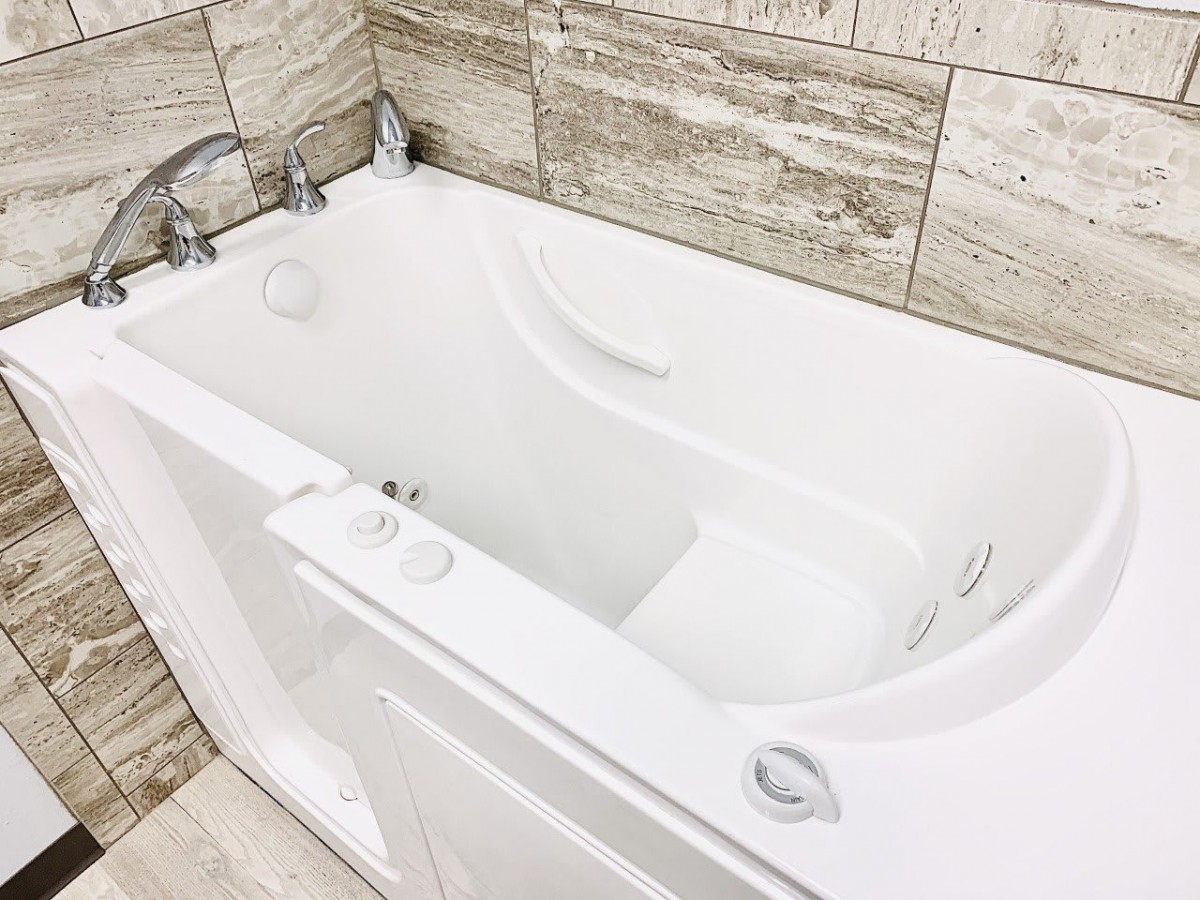
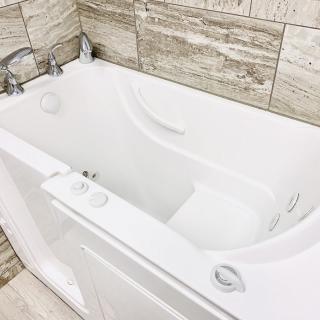
 Bath tubs
 Beautician on-site
 Cable or satellite TV
 Devotional services off-site
 Full kitchen
 Ground floor units
 Handicap accessible
 Indoor common areas
 Outdoor common areas
 Respite or short term stays offered
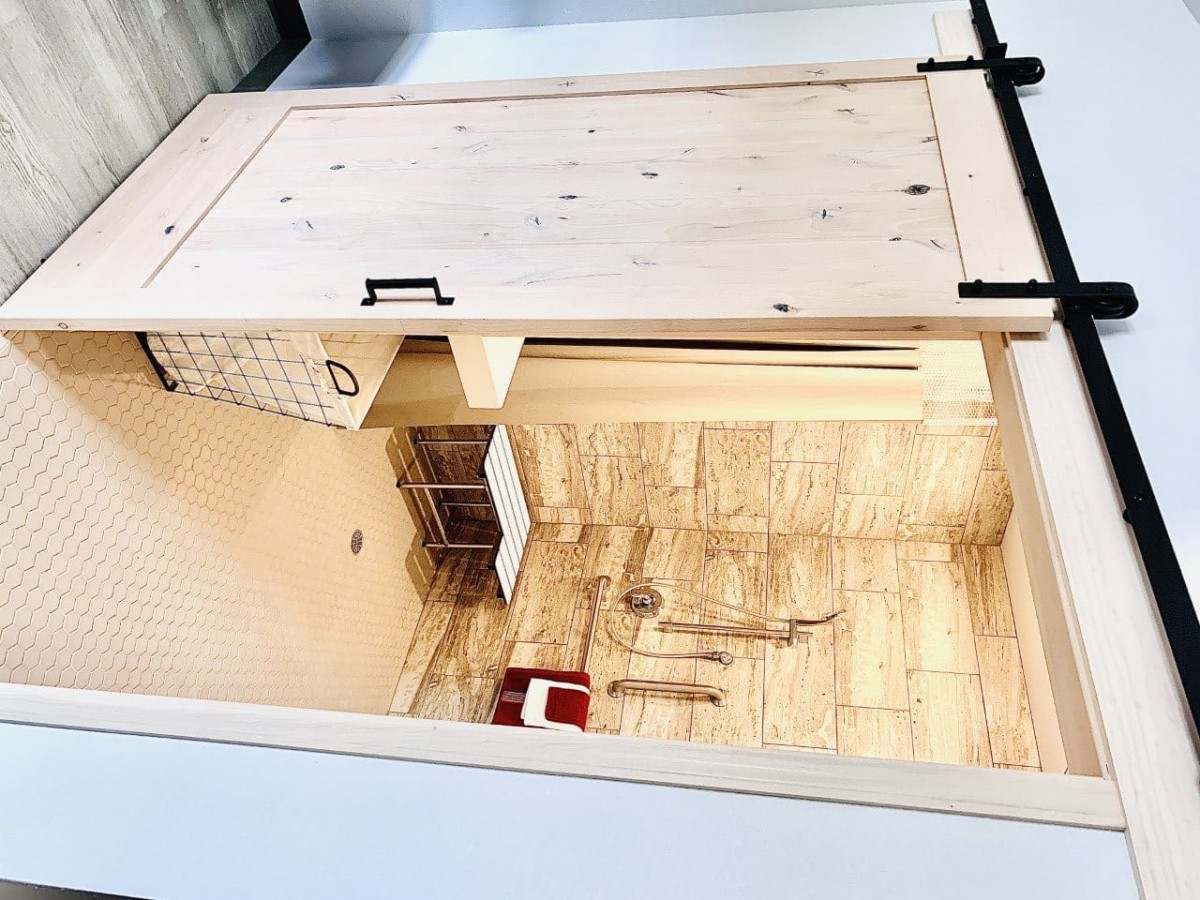
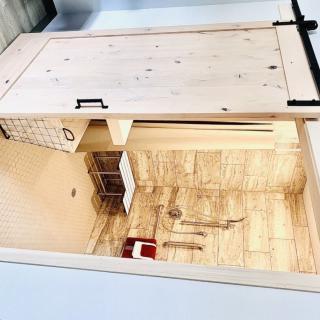
 Wheelchair accessible showers
 Wi-Fi/high-speed internet available
 General Mitchell International (18 miles away)
 Ambulatory care
 Diabetic care
 High acuity care
 Incontinence care
 Medication management
 Low / no sodium
 BBQs or picnics
 Birthday parties
 Happy hour
 Live musical performances
 Sensory-based programs


 How and When Medicaid May Cover Assisted Living Costs
 A Detailed Exploration of Assisted Living Medicaid Waivers Across the United States
 Exploring the Contrasts Between Assisted Living and Skilled Nursing