
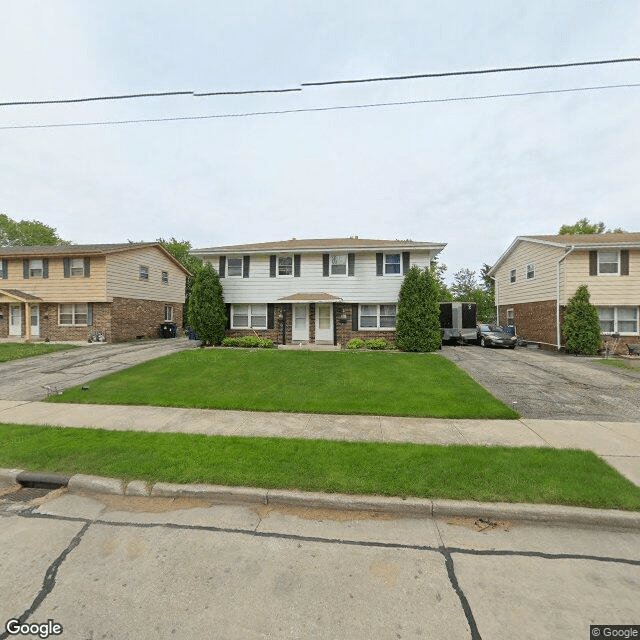
1819 Blake Avenue, Racine, WI 53404
To contact a resident: (262) 598-4562
For more information about senior living options: (866) 208-4318
Priceless Time Adult Family Home Costs & Pricing
Priceless Time Adult Family Home presents a unique offering in terms of pricing, particularly for studio accommodations, with a monthly cost of $6,495. This rate significantly exceeds the average costs for similar care options within Racine County, which stands at approximately $3,962, and even more so compared to the state average of $3,999. While the higher price point may raise questions regarding value, it is essential to consider the quality of care, personalized services, and enriching environment that Priceless Time likely provides. Families evaluating this option may find that the premium reflects a commitment to enhanced living standards and dedicated support tailored to individual needs.
| Floor plans | Priceless Time Adult Family Home | Racine County | Wisconsin |
|---|---|---|---|
| Studio | $6,495 | $3,962 | $3,999 |
Overall Review of Priceless Time Adult Family Home
Cons
 The reviewer felt sadness for the residents.
- The smashed fish tank with shattered glass created a hazardous environment in the backyard.
- It appeared that resident safety was not a priority.
- The caregiver removed a used hospital gown from the bed and tossed it into a closet right in front of the reviewer, which seemed unsanitary.
- The furniture was ripped, worn-out, and nonfunctional.
- The weeds in the yard were taller than the windows, preventing residents from enjoying the view.
Review
Priceless Time Adult Family Home in Racine is best avoided by families that prioritize safety, cleanliness, and a well-maintained living environment. The only first-hand account available paints a stark picture: ongoing hazards, unsanitary practices, and visible neglect that would alarm any caregiver. If there is any fit here, it would be for residents whose families can provide constant, rigorous oversight and accept a care setting that lacks basic assurances of safety and upkeep. In short, this community is not a reliable option for those who expect even modest standards of resident welfare.
For families weighing alternatives, the starting point should be facilities with verifiable safety records, licensed operation, and consistently clean, functional interiors. Prospective residents deserve to see well-maintained common areas, intact furniture, and a yard that is free from sharp hazards and overgrowth. This requires concrete evidence from tours, recent inspection reports, and credible feedback from current or former residents or families. Anything short of that should trigger a move toward options with stronger oversight, transparent maintenance routines, and documented commitment to resident dignity.
The review supplies no compelling positives to offset the negatives raised. No mention is made of responsive staffing, engaging programming, or reliable care routines; those omissions themselves are a warning sign. When unsafe conditions, such as a shattered, glass-filled outdoor area, and unsanitary, careless housekeeping are highlighted, they undermine every potential benefit a family might hope to find. The absence of visible strengths makes the concrete hazards stand out more starkly, leaving little confidence that day-to-day needs would be met with consistency.
Families evaluating this option should pursue a rigorous, outcome-focused checklist before any commitment. Start with a formal tour that prioritizes safety audits: inspect outdoor spaces for broken glass or sharp edges, verify that yards are well-kept and hazards are promptly addressed, and confirm that living areas are free from damaged furniture and obvious wear-and-tear. Request recent maintenance logs, cleaning schedules, and a clear process for reporting repairs. Probe staff turnover, training, and the ability to staff adequately during evenings and weekends. Ask to see sample care plans and medication management procedures to ensure continuity and reliability of essential services.
Comparing this group home to stronger alternatives requires a disciplined framework. Look for licensing status and any history of violations or complaints, and weigh them against real-time observations from tours and corroborating reviews. Consider staffing levels, caregiver consistency, and the availability of certified aides. Examine the quality of food, responsiveness to call lights, and opportunities for social engagement. Most critically, verify that the facility’s physical plant, bedrooms, bathrooms, and common areas, meets safety standards, is clean, and is free of environmental hazards. The benchmark should be clear: environments that foster dignity, safety, and measurable quality of life, not risk-filled spaces that require constant external monitoring.
The bottom line is unambiguous. A single, strongly negative review detailing a smashed backyard lightening the risk of injury, unsanitary practices visible on a tour, and furniture and grounds that appear neglected signals a facility that fails to meet basic expectations for safe, respectful elder care. Until independent inspections and corroborating, consistent positive experiences are documented, Priceless Time Adult Family Home should not be the first choice for families seeking reliable assisted living or memory-care support. The practical path forward is to select alternatives with transparent safety records, well-maintained environments, and caregiving teams that demonstrate steadiness, cleanliness, and genuine resident-centered attention.
 4 resident community capacity
 Assisted Living
 Board and Care Home
 Memory Care
 Cable or satellite TV
 Dining room
 Fully furnished
 Garden
 Housekeeping services
 Move-in coordination
 Outdoor space
 Telephone
 Wi-Fi/high-speed internet available
 General Mitchell International (15 miles away)
 24-hour supervision
 Activities of daily living assistance
 Assistance with bathing
 Assistance with dressing
 Assistance with transfers
 Diabetes diet
 Hospice waiver
 Meal preparation and service
 Medication management
 Mental wellness program
 Special dietary restrictions
 Transportation arrangement (medical)
 Transportation to doctors appointments
 Specialized diabetic care with indoor social spaces.

 Dementia, Paranoia, and Caregiver Guidance: Understanding the Connection
 Engaging Memory Care Activities That Enhance Quality of Life
 When to Transition from Assisted Living to Memory Care: Key Indicators, Steps, and Finding the Right Community