
4000 Maryland Avenue, Racine, WI 53405
To contact a resident: (262) 721-7220
For more information about senior living options: (866) 208-4318
Overall Review of Albert House Apartments
Pros
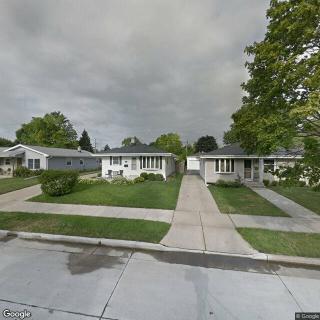
 The area is beautiful and safe to live in.
- It serves as a comfortable home base.
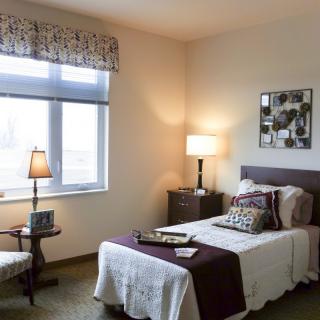
- It is nice and clean with good people.
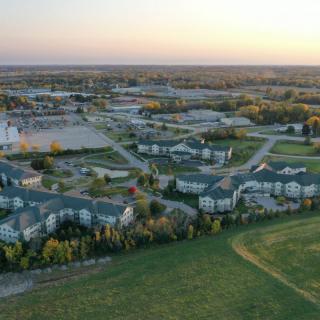
- It offers subsidized housing for seniors and differently-abled people and is well maintained.
- The facility is nice and provides activities.
Cons
 People are not nice.
- Subsidized housing for seniors could use some improvements.
Review
Albert House Apartments in Racine is best suited for seniors and differently abled adults who want an affordable, independent living option in a stable, safe neighborhood and who can tolerate a subsidized housing model. The community is designed to keep rents predictable for fixed incomes while offering a clean, well-kept environment. It is not a full-service assisted living; it serves those who value a straightforward, maintenance-focused residence with a reliable base for daily life. For individuals needing intensive personal care, continuous medical support, or a highly social on-site program, alternatives such as traditional assisted living or larger independent communities with more staff and programming should be on the radar.
The strongest positives center on safety, cleanliness, and a practical sense of belonging. Residents describe a beautiful, safe area to live in, complemented by well-maintained common spaces and a generally tidy footprint for a subsidized model. The environment feels homey and predictable, which can relieve stress for families managing budgets and schedules. The combination of a clean, orderly setting and a neighborhood that supports stability makes Albert House a sensible choice for those who prize routine and a quiet, dependable backdrop to everyday life. The presence of social opportunities and on-site activities provides welcome balance for residents who choose to participate, helping to offset the retrofit feel that sometimes accompanies more basic affordable housing.
Nevertheless, the community is not without drawbacks. A segment of reviews points to a mixed social climate, with some residents reporting that “people not nice” or that interactions can feel uneven. That cautionary note matters because for some newcomers the sense of harmony within the building can be as important as rent affordability. In addition, while the property is described as well maintained, reviewers also note room for improvements, whether in upgrades, amenities, or general conditions. These tensions underscore a reality: the experience can vary by unit or corridor, and the warmth of neighborly life may not resonate equally with every resident or visitor.
The contrast between solid maintenance and occasional social friction is bridged by a clear practical upside: affordability paired with dependable upkeep can deliver real value for the right resident. The combination of subsidized housing and a polished, safe setting reduces the stress of budgeting on a fixed income while still offering access to community life and on-site activities. For many families, that equation is exactly what is needed, an uncomplicated, stable platform from which a senior or disabled adult can live independently with some social outlets and predictable costs.
To decide with confidence, apply a structured check. Confirm whether the monthly rent covers the level of independence desired without expecting extensive on-site care. Speak with current residents about the social vibe on different days and times, not just during tours, to gauge consistency. Clarify what “well maintained” means in practice, how often repairs occur, what upgrades are scheduled, and which amenities are on the near-term roadmap. Ask about the availability of support services or partnerships outside the building if a future care need arises. These questions reveal whether the subsidized advantage translates into a genuinely comfortable daily life or merely a lower price tag.
In the end, Albert House Apartments offer a dependable, affordable home base with clean facilities and a sense of security that many seniors and differently abled residents will value deeply. The strongest case rests with those who prioritize budget-conscious independence, a quiet, predictable environment, and convenient access to a stable neighborhood. For individuals seeking robust social programming or intensive daily care, alternatives remain worth exploring. The right fit hinges on balancing budget, desired level of independence, social engagement, and the trajectory of daily support needed, where the value of a safe, well-kept, subsidized home base must be weighed against the hope for broader community warmth and more comprehensive enhancements.
 Active Adult Communities (55+)
 General Mitchell International (18 miles away)

 Comprehensive Guide to Medicare Coverage for Hospice Care
 Caring for Those Who Care: Recognizing, Understanding, and Overcoming Caregiver Burnout
 Caregiver Exhaustion: Recognizing the Signs and Restoring Your Well-Being