


Tivoli At Divine Savior Healthcare Costs & Pricing
Tivoli At Divine Savior Healthcare presents a pricing structure that reflects its unique offerings and quality of care. For a one-bedroom unit, the monthly cost is $3,850, which is notably higher than the average rates in Marquette County at $3,077 and across Wisconsin at $3,412. This suggests that Tivoli may provide additional amenities or services that justify the premium. In contrast, for private rooms, the expense escalates to $7,870 per month. This figure significantly surpasses both the county's average of $3,500 and the state average of $4,339. Such costs indicate that Tivoli At Divine Savior Healthcare likely focuses on providing enhanced privacy and personalized care experiences, catering to residents who seek elevated comfort and specialized support in their living arrangements.
Floor plans
Tivoli At Divine Savior Healthcare
Marquette County
Wisconsin
1 Bedroom
$3,850
$3,077
$3,412
Private
$7,870
$3,500
$4,339
Overall Review of Tivoli At Divine Savior Healthcare
Pros
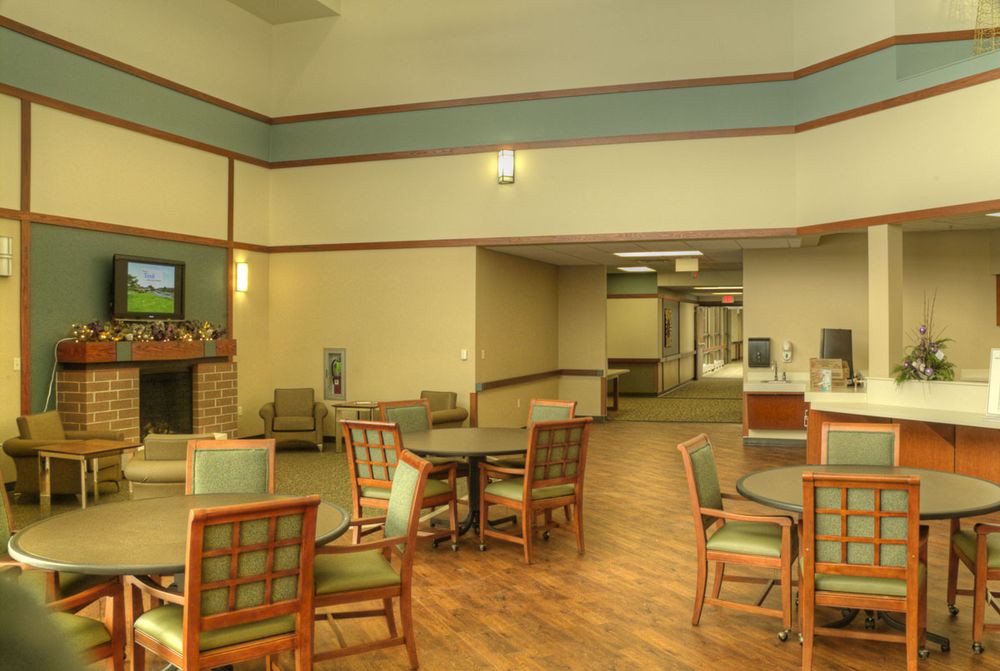
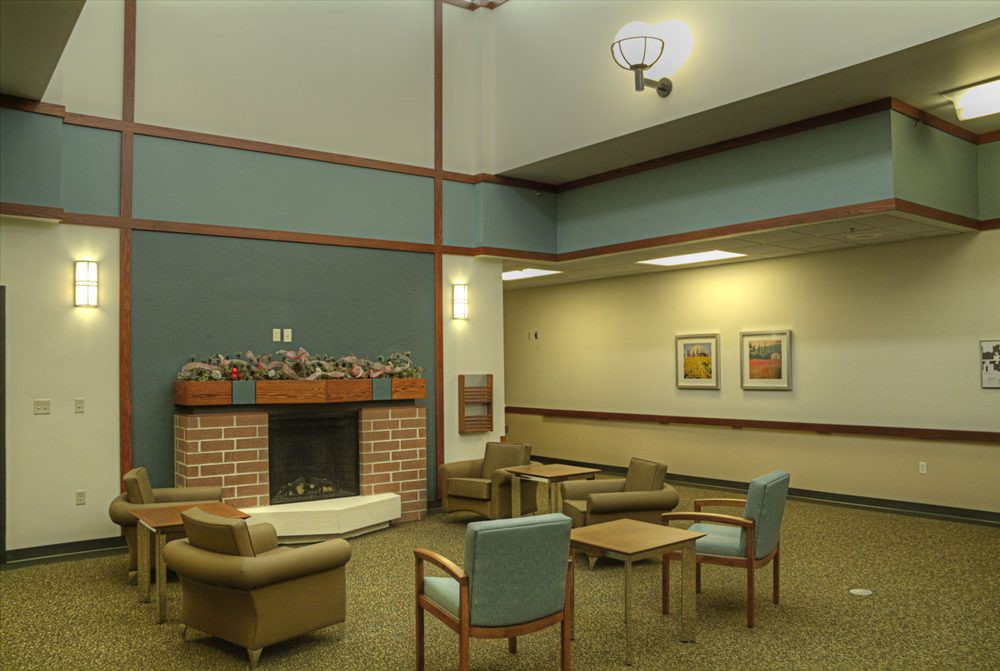
The facility is described as very nice, with two separate units including a memory care unit, and offers ample open spaces and activities that make the interior feel like home.
The staff are kind and compassionate, providing care that surrounds residents with warmth and support.
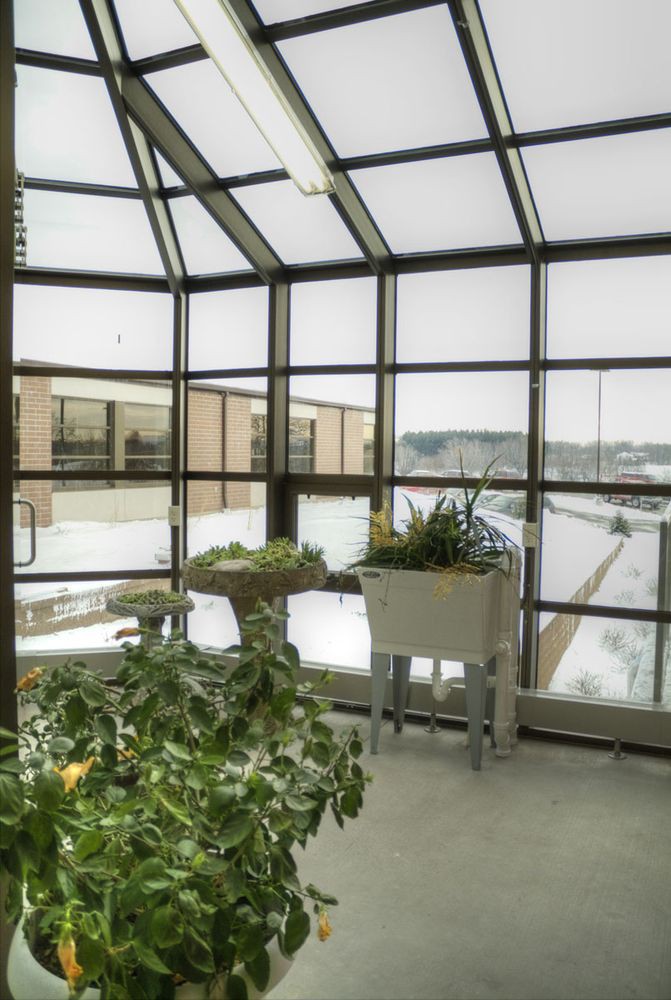
The campus is clean and well-presented, featuring a garden with fresh vegetables and an indoor-accessible greenhouse.
Evening events and a variety of activities keep the seniors entertained and engaged.
The location is conveniently adjacent to a hospital, contributing to a welcoming and homelike atmosphere.
Families feel confident recommending the facility to others who can afford the care.
Cons
The facility feels very clinical.
The grandfather's health declined rapidly while he was in the nursing area.
The nurses on that side seemed stressed.
The grandfather developed a diaper rash and his skin began to break down from being left in soiled diapers for too long.
A few months after this visit, he died from a respiratory infection.
Review
This community is best suited for seniors who want a polished, amenity-rich setting with a clearly defined memory-care option and a homelike atmosphere, and whose families are prepared to invest in a higher-cost option for quality surroundings and robust programming. The facility presents two distinct units, including a secure memory-care wing, which makes it easier to transition a loved one who requires more supervision without relocating to a different campus. Residents benefit from open, welcoming spaces, a steady calendar of activities, and a sense that the building itself feels like home. Its hospital-adjacent location offers quick access if emergent care is ever needed, a practical advantage for families prioritizing proximity to medical resources.
Who may want to consider alternatives: those on a tight budget will likely feel stretched by the price point, as one reviewer explicitly suggested. Families seeking a stricter clinical routine and more consistent, hands-on nursing oversight should compare staffing and care models elsewhere, because accounts describe nursing staff stress and uneven attention in the skilled-nursing area. The impression on arrival can feel a bit institutional to some, which may undermine the comfort promised by the home-like interiors. For residents whose primary priority is rapid medical responsiveness and a consistently calm, quieter environment, it makes sense to shop around.
On the upside, the pros are tangible and meaningful. Two wings provide spaces tailored for varying needs, and the memory-care area allows specialized supervision without removing a loved one from familiar surroundings. The facility earns praise for cleanliness, bright lighting, and straightforward access to outdoor space - a garden and a greenhouse reachable from inside, valuable in Wisconsin winters. Programming appears lively with evening activities, and families repeatedly note moments of kindness and a sense of being cared for. For those worried about isolation, Tivoli delivers regular engagement that helps residents feel valued and included.
Yet the strongest caveat centers on nursing-care quality in the full-time nursing segment. A long-term resident's family recounted a serious decline in care that culminated in skin breakdown from prolonged soiled-diapers and, ultimately, a respiratory illness - events that underscore how critical consistent, attentive bedside care remains. While other staff members, especially caregivers highlighted by grateful relatives, can shine, it is not unreasonable to worry about variability in day-to-day nursing attention across shifts. In such cases, the facility's warmth and activities may not fully compensate if medical oversight and thorough skin care are inconsistent. This risk shapes the overall calculus for families with higher clinical needs.
Cost and lived experience shape the decision as much as amenities. The consensus from several reviews is that Tivoli offers a superior environment with meaningful engagement, but that comes with a price tag that makes it more suitable for families who can comfortably afford it. Families repeatedly express gratitude for staff kindness and longevity - an indicator of stable relationships and trustworthy care - but that cannot erase concerns about health episodes and the necessity of rigorous oversight. Prospective residents should verify current staff-to-resident ratios, request a meeting with the nursing director, and demand candid information about care plans for memory care residents and those transitioning to higher acuity levels.
Bottom line: Tivoli At Divine Savior Healthcare is a strong choice for families seeking a high-quality, socially rich setting with a dedicated memory-care option and a home-like feel, provided budget and expectations align with the level of nursing oversight and medical responsiveness available. It is less suitable for those needing consistently intense clinical management on every shift or for families with tighter financial constraints. The prudent path is a targeted, in-person tour combined with frank discussions about staffing, care plans, and how the facility handles skin care, infection risk, and transitions between assisted living and nursing care. If these align, Tivoli can offer sustained engagement, compassionate staff, and peace of mind for months and years to come.
Features
Housing
40 resident community capacity
Types of Care
Assisted LivingAssisted living facilities provide crucial support and care for seniors who may need help with daily tasks such as medication management, bathing, and meal preparation. These communities offer a safe and comfortable environment where seniors can maintain their independence while receiving the assistance they need to thrive in their golden years.
Memory CareMemory care is crucial for seniors as it provides specialized support and services for individuals with dementia or Alzheimer's disease. These programs offer a safe and secure environment where residents receive personalized care, cognitive stimulation, and help with daily activities. Memory care helps seniors maintain their independence, quality of life, and dignity while also providing peace of mind for their families.
Skilled Nursing FacilitySkilled Nursing Facilities are crucial for seniors as they provide round-the-clock medical care, rehabilitation services, and assistance with daily activities. These facilities ensure that seniors receive the specialized care they need to maintain their health and well-being as they age.
Pets
Cats allowed"Pet friendly" senior living communities are important for seniors because pets provide companionship, reduce feelings of loneliness and depression, promote physical activity and mental stimulation, and offer a sense of purpose and responsibility. Pets can improve overall well-being and quality of life for seniors in many ways.
Dogs allowed"Pet friendly" senior living communities are important for seniors because pets provide companionship, reduce feelings of loneliness and depression, promote physical activity and mental stimulation, and offer a sense of purpose and responsibility. Pets can improve overall well-being and quality of life for seniors in many ways.
Amenities
Activities off-siteEngaging in off-site activities is crucial for seniors to maintain social connections, stay active, and stimulate their minds. It promotes overall well-being and helps combat feelings of isolation and loneliness.
Activities on-siteActivities on-site are important for seniors because they provide opportunities for socialization, mental stimulation, physical activity, and overall well-being. Engaging in activities can help seniors stay active, maintain their independence, and improve their quality of life.
Bath tubsBath tubs are important for seniors because they provide a safe and relaxing way to bathe, helping to prevent slips and falls while promoting independence and overall well-being.
Beautician on-siteHaving a beautician on-site at a senior living community is important for seniors as it allows them to easily access grooming and personal care services, boosting their self-esteem and overall well-being. It also provides convenience and helps seniors maintain their sense of independence and personal style.
Beauty salonBeauty salons are important for seniors because they provide a space for them to feel pampered, socialize, and maintain their personal grooming and hygiene. Regular visits to a beauty salon can help boost seniors' self-esteem and overall well-being.
Cable or satellite TVCable or satellite TV is important for seniors because it provides entertainment, news, and companionship, helping to combat loneliness and boredom. It also offers a wide range of programming options tailored to different interests and preferences.
Devotional services off-siteDevotional services off-site are important for seniors as they provide spiritual nourishment, social engagement, and a sense of community outside of the senior living facility. This can enhance overall well-being and help combat feelings of isolation and loneliness often experienced by older adults.
Devotional services on-siteDevotional services on-site provide seniors with spiritual support and a sense of community, as well as an opportunity for reflection and guidance during their senior living experience. This can promote emotional well-being and connection to others, leading to a more fulfilling and enriching lifestyle in their later years.
Dining roomDining rooms are important for seniors as they provide a space for socialization, connection, and nutritious meals. They offer opportunities for residents to bond over shared meals, foster a sense of community, and promote healthy eating habits. Dining rooms also ensure that seniors have access to well-balanced meals tailored to their dietary needs and preferences.
Fully furnishedFully furnished senior living communities are important for seniors because they provide convenience, comfort, and a hassle-free moving experience. Seniors can easily settle into their new living space without the stress of having to buy and move furniture. This allows them to focus on enjoying their new home and community.
GardenGardens are important for seniors as they provide a peaceful and therapeutic environment for relaxation, physical activity, and socialization. Being in nature has been shown to reduce stress, improve mood, and promote overall well-being. Gardens also offer opportunities for seniors to engage in gardening activities, which can improve mobility, flexibility, and cognitive function. Additionally, gardens create a sense of community and connection with others who share a passion for plants and outdoor spaces.
Housekeeping servicesHousekeeping services are important for seniors because they help maintain a clean and safe living environment, promote independence, and reduce the risk of accidents or illnesses. Additionally, having assistance with household chores can alleviate physical strain and allow seniors to focus on other aspects of their well-being.
Indoor common areasIndoor common areas are crucial for seniors as they provide a space for socialization, recreation, and community engagement, promoting overall well-being and reducing feelings of isolation and loneliness.
KitchenetteKitchenettes are important for seniors living in senior living communities because they provide the convenience and independence of being able to prepare simple meals and snacks in the comfort of their own living space. This can help promote a sense of autonomy and well-being for seniors, allowing them to maintain some level of control over their dietary choices and daily routines.
Move-in coordinationMove-in coordination is important for seniors because it helps ease the transition into their new living environment. It ensures that all logistics, such as packing, organizing movers, and setting up utilities are taken care of, allowing seniors to focus on settling in and adjusting to their new home. Having a smooth move-in process can alleviate stress and anxiety, making the transition smoother and more enjoyable for seniors.
Outdoor common areasOutdoor common areas are important for seniors as they provide a space for socialization, physical activity, and relaxation. Being outside in nature can improve mood and overall well-being, while also encouraging movement and engagement with others. These spaces can help combat feelings of isolation and promote a sense of community among residents.
Outdoor spaceOutdoor spaces are important for seniors as they provide opportunities for physical activity, social interaction, exposure to natural light and fresh air, and a sense of connection to nature. Having access to outdoor spaces can improve overall well-being and quality of life for older adults living in senior communities.
PrivatePrivacy is important for seniors as it allows them to maintain their independence, dignity, and sense of control over their own lives. It also gives them the space and freedom to relax, reflect, and engage in activities that bring them joy and fulfillment. Creating private spaces within senior living facilities is crucial for promoting overall well-being and quality of life.
Respite or short term stays offeredRespite or short term stays provide seniors with a temporary solution when their regular caregiver is unavailable, offering them the opportunity to receive additional care and support during times of need, while also giving caregivers a chance to rest and recharge.
Restaurant-style diningRestaurant-style dining is important for seniors because it allows them to enjoy delicious, nutritious meals in a social and upscale setting. This enhances their dining experience, promotes healthy eating habits, and fosters socialization with fellow residents, ultimately contributing to their overall well-being and quality of life.
Small librarySmall libraries are important for seniors as they provide access to a variety of reading materials, including books, newspapers, and magazines. This can help stimulate their minds, keep them engaged, and provide a sense of community through book clubs and other social activities. Additionally, reading has been shown to improve cognitive function and overall mental well-being in older adults.
TelephoneTelephones are important for seniors as they provide a lifeline for communication with loved ones, emergency services, and healthcare providers. They offer a sense of security and independence, enabling seniors to stay connected and access assistance when needed.
Wheelchair accessible showersWheelchair accessible showers are crucial for seniors as they provide a safe and independent bathing option for those with mobility challenges. These showers help prevent falls and allow seniors to maintain their dignity and autonomy while ensuring they can bathe comfortably.
Wi-Fi/high-speed internet availableWi-Fi/high-speed internet is important for seniors to stay connected with loved ones, access online resources, and participate in virtual activities to combat feelings of loneliness and isolation. It also allows them to easily manage healthcare needs, access entertainment, and engage in lifelong learning opportunities.
Care Services
24-hour call system24-hour call systems are important for seniors because they provide peace of mind and immediate assistance in case of emergencies. This technology ensures that help is always available, promoting safety and security for elderly individuals living alone or in assisted living facilities.
24-hour supervision24-hour supervision is important for seniors to ensure their safety, well-being, and access to immediate assistance in case of emergencies or health issues. This constant support provides peace of mind for both seniors and their loved ones, allowing them to age in place with dignity and security.
Activities of daily living assistanceActivities of daily living assistance are important for seniors because they provide essential support with tasks such as eating, bathing, dressing, and mobility. This assistance helps seniors maintain their independence, dignity, and overall quality of life as they age.
Ambulatory care"Ambulatory care services provide essential medical support and treatment to seniors without requiring hospitalization, allowing them to maintain their independence and quality of life while managing chronic conditions or receiving routine medical care."
Assistance with bathingAssistance with bathing is crucial for seniors as it helps maintain personal hygiene, prevents infections, and ensures their overall well-being and comfort. It also provides a sense of dignity and independence for seniors who may struggle with this task on their own.
Assistance with dressingAssistance with dressing is important for seniors because it helps maintain their independence, promotes personal hygiene, prevents accidents and injuries, and improves overall quality of life. This service ensures that seniors can continue to dress comfortably and confidently, despite any physical limitations they may have.
Assistance with transfersAssistance with transfers is crucial for seniors as it helps prevent falls and injuries, maintains their independence, and ensures they can safely navigate their living environment. It also provides peace of mind for both seniors and their loved ones.
Diabetes dietA diabetes diet is crucial for seniors as it helps manage blood sugar levels, reduce risks of complications, and improve overall health and well-being. By following a balanced and nutritious diet tailored to their specific needs, seniors can better control their diabetes and enhance their quality of life.
Diabetic careDiabetic care is crucial for seniors as they are more susceptible to developing diabetes due to aging and other health conditions. Proper management of diabetes can help prevent complications such as heart disease, vision loss, and nerve damage, improving the overall quality of life for seniors in senior living communities.
High acuity careHigh acuity care is important for seniors because it provides specialized medical attention and support for individuals with complex medical needs. This level of care ensures that seniors receive the appropriate treatment and assistance to maintain their health and quality of life as they age.
Incontinence careIncontinence care is essential for seniors to maintain their dignity, hygiene, and overall quality of life. By addressing incontinence issues promptly and effectively, seniors can enjoy a sense of independence and comfort in their daily activities.
Meal preparation and serviceMeal preparation and service are crucial for seniors as they may have limited mobility or energy to cook nutritious meals. Having access to healthy and convenient food options can ensure they are getting the proper nutrition needed to maintain their overall health and well-being.
Medication managementMedication management is crucial for seniors to ensure they are taking the right medications at the correct dosages and times. This helps prevent adverse drug interactions, reduces the risk of medication errors, and promotes overall health and well-being. Proactive management also allows for adjustments as needed based on changing health conditions or new prescriptions.
Mental wellness programMental wellness programs are essential for seniors as they promote cognitive stimulation, emotional support, and social engagement. These programs help prevent isolation, depression, and cognitive decline, ultimately enhancing the overall quality of life for older adults.
Mild cognitive impairment"Mild cognitive impairment" is important for seniors because it is an early stage of cognitive decline that can potentially progress to more severe conditions such as dementia. Recognizing and addressing mild cognitive impairment can help seniors receive appropriate care and support to maintain their quality of life and independence for as long as possible.
Special dietary restrictionsSpecial dietary restrictions are important for seniors because age-related changes in metabolism and health conditions can make it difficult for their bodies to process certain foods. By following a diet tailored to their specific needs, seniors can maintain their overall health and well-being, manage chronic conditions, and reduce the risk of complications such as malnutrition or food interactions with medications.
Specialized memory care programmingSpecialized memory care programming is crucial for seniors with cognitive impairments such as dementia or Alzheimer's disease. These programs provide a safe and supportive environment tailored to the unique needs of individuals with memory loss, helping them maintain their independence, dignity, and quality of life.
Dining
Diabetes dietA diabetes diet is crucial for seniors as it helps manage blood sugar levels, reduce risks of complications, and improve overall health and well-being. By following a balanced and nutritious diet tailored to their specific needs, seniors can better control their diabetes and enhance their quality of life.
Meals provided"Meals provided" are crucial for seniors in assisted living communities as it ensures they have access to nutritious, balanced meals without the stress of meal planning and preparation. This can help promote overall health and well-being for seniors who may have limited mobility or cognitive abilities.
Special dietary restrictionsSpecial dietary restrictions are important for seniors because age-related changes in metabolism and health conditions can make it difficult for their bodies to process certain foods. By following a diet tailored to their specific needs, seniors can maintain their overall health and well-being, manage chronic conditions, and reduce the risk of complications such as malnutrition or food interactions with medications.
VegetarianA vegetarian diet is important for seniors because it can help lower the risk of chronic diseases, maintain a healthy weight, and provide essential nutrients needed for aging bodies. Additionally, plant-based diets are often easier on digestive systems and can contribute to overall well-being in older adults.
Activities
Activities off-siteEngaging in off-site activities is crucial for seniors to maintain social connections, stay active, and stimulate their minds. It promotes overall well-being and helps combat feelings of isolation and loneliness.
Activities on-siteActivities on-site are important for seniors because they provide opportunities for socialization, mental stimulation, physical activity, and overall well-being. Engaging in activities can help seniors stay active, maintain their independence, and improve their quality of life.
Community-sponsored activitiesCommunity-sponsored activities are important for seniors as they provide opportunities for social interaction, mental stimulation, and physical activity. These activities can help improve overall well-being, combat loneliness and isolation, and promote a sense of belonging and purpose among older adults.
Devotional activities offsiteDevotional activities offsite are important for seniors because they provide social engagement, spiritual growth, and a sense of community outside of their living environment. This can improve overall well-being, mental health, and combat feelings of isolation or loneliness.
Devotional activities on-siteDevotional activities on-site provide seniors with a sense of community, spiritual fulfillment, and emotional support, promoting overall well-being and a positive sense of purpose in their lives.
Resident-run activitiesResident-run activities are important for seniors as they encourage social interaction, creativity, and a sense of autonomy. These activities empower seniors to stay engaged and active in their community while fostering meaningful connections with their peers.
Scheduled daily activitiesScheduled daily activities are important for seniors because they provide structure, socialization, mental stimulation, and physical activity. Engaging in regular activities can improve overall well-being and quality of life for seniors living in a community setting.
Description
Tivoli At Divine Savior Healthcare is an assisted living community located in Portage, WI. This community offers various types of care including memory care and skilled nursing facility services.
The amenities at Tivoli At Divine Savior Healthcare are designed to enhance the residents' quality of life. Some of the amenities offered include on-site activities, beautician and beauty salon services, cable or satellite TV, dining room, fully furnished accommodations, a garden, housekeeping services, indoor and outdoor common areas, move-in coordination assistance, private rooms, respite or short term stays, restaurant-style dining options, a small library, telephone access, wheelchair accessible showers, and Wi-Fi or high-speed internet connectivity.
The care services provided by the community ensure that each resident receives personalized attention and assistance when needed. These services include 24-hour supervision by trained staff members, assistance with activities of daily living such as bathing and dressing, ambulatory care for those who require mobility support, diabetes diet management and diabetic care measures if necessary, high acuity care for individuals with complex medical conditions, incontinence care to maintain hygiene and comfort levels, meal preparation and service as per specific dietary requirements of residents,
Additionally, medication management assistance is available to ensure the safe administration of medications as prescribed by healthcare professionals. A mental wellness program is also in place for residents requiring additional emotional support. The community offers specialized memory care programming for individuals with mild cognitive impairment or Alzheimer's disease.
Dining at Tivoli At Divine Savior Healthcare includes delicious meals provided throughout the day along with special dietary restrictions that can be accommodated. Vegetarian options are also available for those with specific dietary preferences.
Residents have access to a variety of activities both on-site and within the community. These activities range from resident-run activities to community-sponsored events. Devotional activities can be enjoyed both on-site and off-site according to personal preferences. Scheduled daily activities provide opportunities for socialization and engagement.
Furthermore, the community is conveniently located near several amenities such as cafes, parks, pharmacies, physicians, restaurants, transportation options, places of worship, theaters, and hospitals. This ensures that residents have easy access to various services and activities in the surrounding area.
Overall, Tivoli At Divine Savior Healthcare provides a comfortable and engaging environment for individuals in need of assisted living services. With a range of amenities and care options available, residents can enjoy a fulfilling and enriching lifestyle while receiving the necessary support and assistance they require.
Nearby Places of Interest
Physicians
St Mary's Dean Ventures (0.1 miles)
Dean Clinic (0.1 miles)
Diraimondo, Linda Dr - Pauquette Center (0.2 miles)
Tivoli At Divine Savior Healthcare presents a pricing structure that reflects its unique offerings and quality of care. For a one-bedroom unit, the monthly cost is $3,850, which is notably higher than the average rates in Marquette County at $3,077 and across Wisconsin at $3,412. This suggests that Tivoli may provide additional amenities or services that justify the premium. In contrast, for private rooms, the expense escalates to $7,870 per month. This figure significantly surpasses both the county's average of $3,500 and the state average of $4,339. Such costs indicate that Tivoli At Divine Savior Healthcare likely focuses on providing enhanced privacy and personalized care experiences, catering to residents who seek elevated comfort and specialized support in their living arrangements.
The features offered at Tivoli At Divine Savior Healthcare are meticulously designed to support residents with dementia or Alzheimer's disease, ensuring their safety, comfort, and well-being. Assistance with dressing and bathing promotes dignity while addressing the challenges posed by cognitive impairments. Medication management ensures adherence to prescribed regimens, reducing the risk of confusion or complications. Meal preparation and service cater to specific dietary needs and preferences, enhancing nutrition and enjoyment of food. Activities of daily living assistance helps maintain independence while providing necessary support in day-to-day tasks. 24-hour supervision guarantees a safe environment, allowing residents to feel secure at all times. The mental wellness program and specialized memory care programming focus on cognitive engagement tailored to individual abilities, fostering emotional health and social interaction. Additionally, incontinence care is handled with sensitivity and respect, alleviating discomfort for both residents and families while promoting an overall sense of dignity in care delivery.
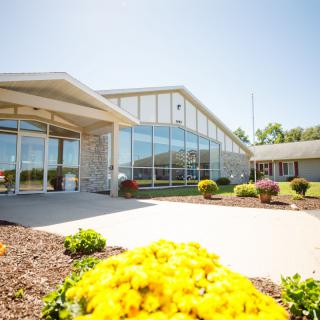
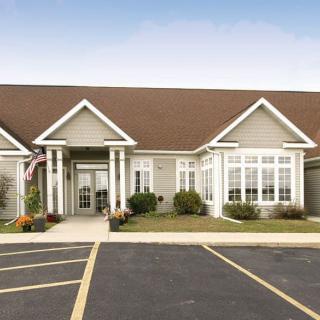
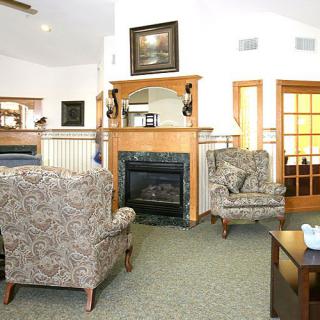
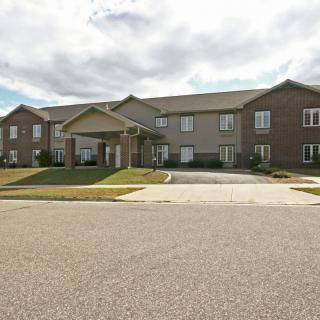
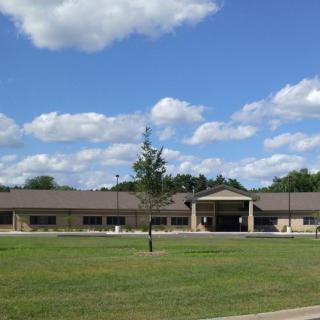
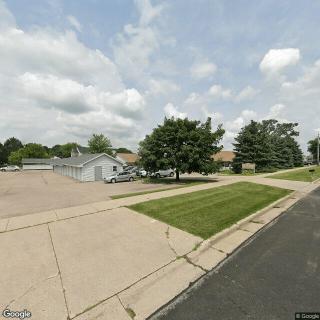
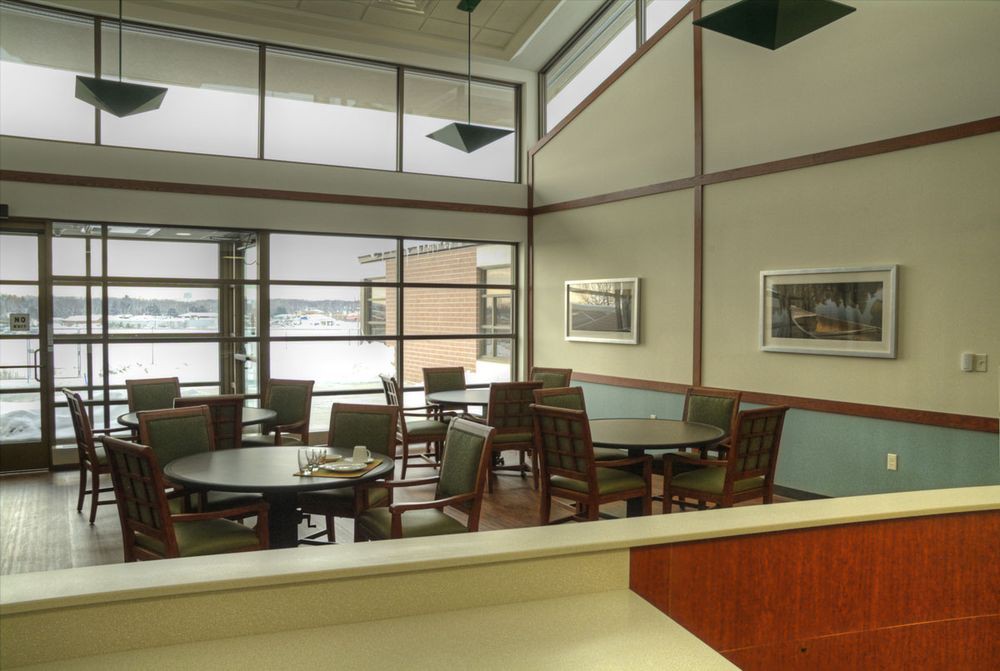
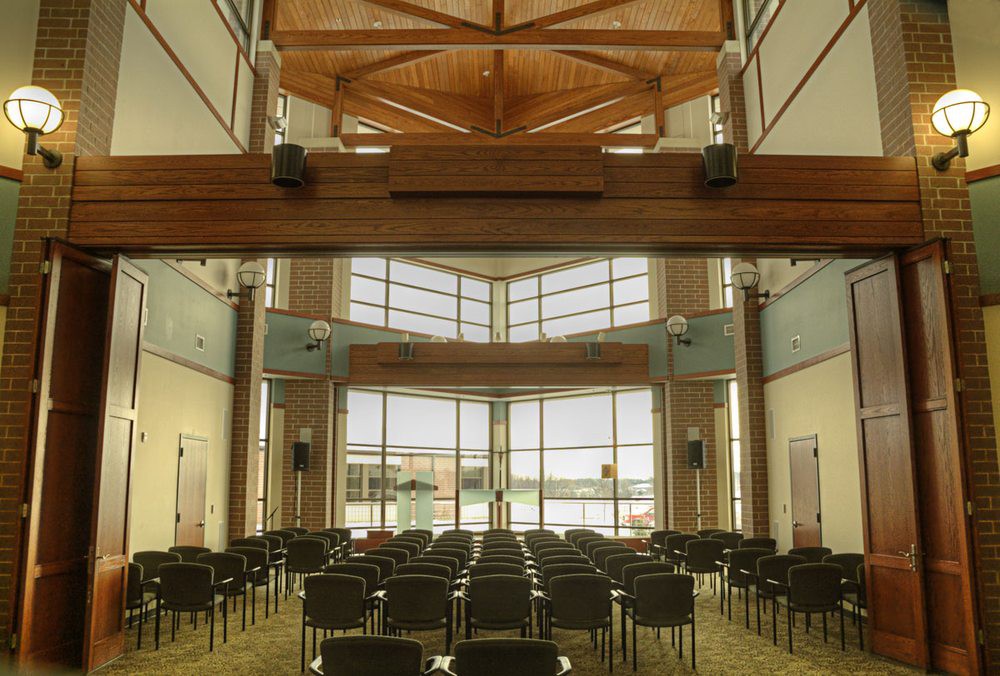
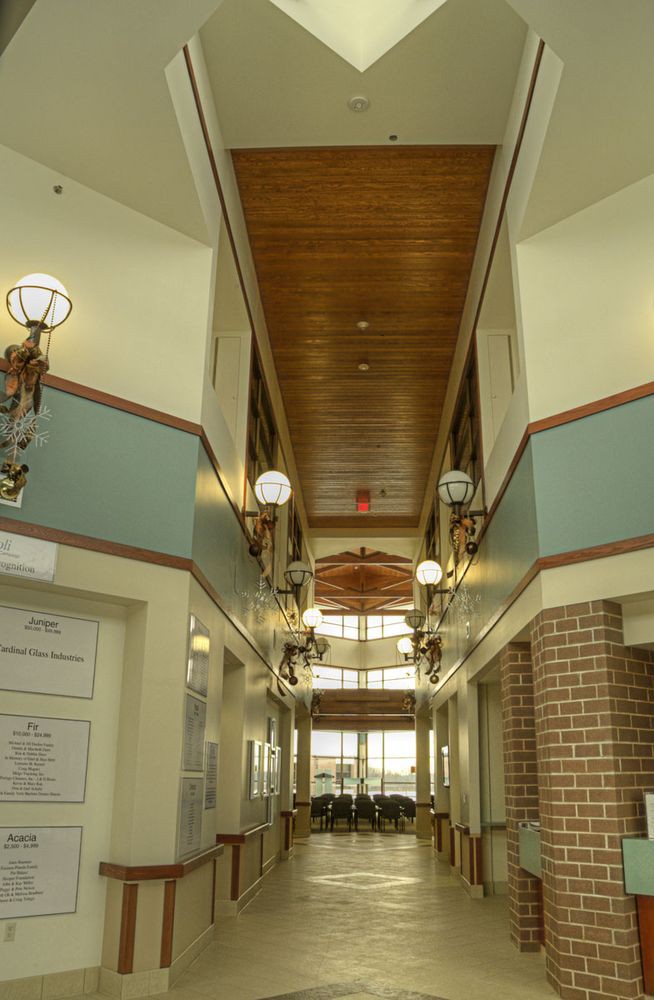
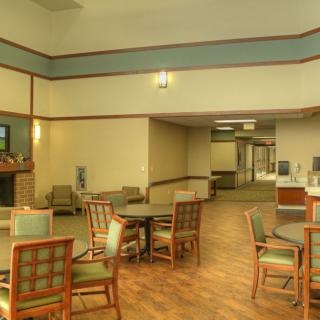
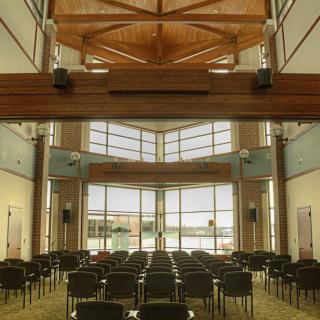
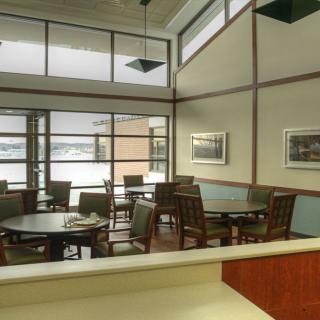
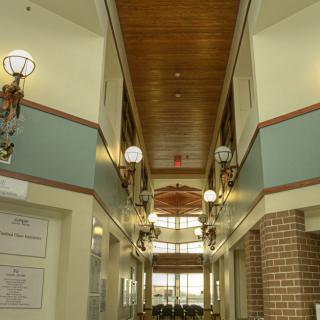
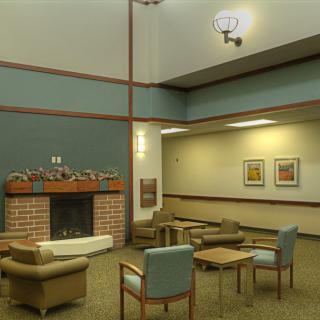
Tivoli At Divine Savior Healthcare on seniors.fyi includes 7 photos including images showing interior, windows, lobby, lighting, architecture, hallway, brick wall, indoor garden, and more.
Nearby Communities
Our House Senior Living Assisted Care - Portage
Portage, WI
4.7 from 54 reviews
$3,275 / month
Caring staff and home-like environment
Our House Senior Living - Portage Assisted Care
Portage, WI
Small, intimate setting enabling personalized care
Maple Ridge Elderly Care
Portage, WI
$2,100 to $4,000 / month
Competitive pricing with multiple affordable unit options for budget-conscious seniors.
Our House Senior Living Senior Apartments - Portage
Portage, WI
4.9 from 7 reviews
$2,475 to $3,475 / month
Pet-friendly, clean facility with engaging activities and quality dining, plus professional staff
Rem Mooreland Circle
Portage, WI
Comprehensive assisted living with 24/7 supervision and ADL support.
Hamilton Park Place
Portage, WI
4.1 from 13 reviews
$3,995 / month
Caring staff with a home-like atmosphere; chef-prepared dining; clean, well-maintained; private rooms and on-site activities.
Oak Park Place Baraboo Autumn Lane
Baraboo, WI
4.8 from 129 reviews
$5,193 to $5,542 / month
Attentive staff and a lively, hotel-like community with engaging activities.
Serenity Homes
Windsor, WI
3.8 from 10 reviews
$3,400 / month
Strong community feel with friendly, informative staff and spacious, well-maintained rooms.
DeForest Place
Windsor, WI
3 from 8 reviews
$3,750 to $5,153 / month
Well-maintained, welcoming community with friendly staff and engaging activities.
The content outlines five key early indicators of dementia, including significant memory loss and confusion about time and place, while emphasizing the need for professional evaluation and emotional support for both individuals showing symptoms and their caregivers. It encourages family members to monitor these signs closely and use online quizzes for initial awareness.
The article highlights eight indicators that a loved one with dementia may require specialized memory care, emphasizing the emotional and logistical challenges families encounter in this decision. It discusses signs such as difficulties with daily tasks, safety concerns, and caregiver burnout, suggesting that memory care facilities can provide the necessary support and structured environments for those experiencing cognitive decline.
Dementia, primarily caused by Alzheimer's disease but also linked to other conditions, leads to cognitive decline impacting memory and daily functioning, with individuals experiencing varied awareness of their impairments. Despite memory loss, emotional connections persist, enabling responses to familiar stimuli, highlighting the need for caregivers to provide compassionate support that recognizes both limitations and retained emotional depth.