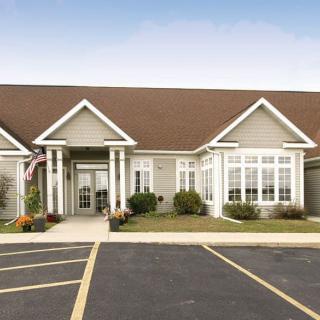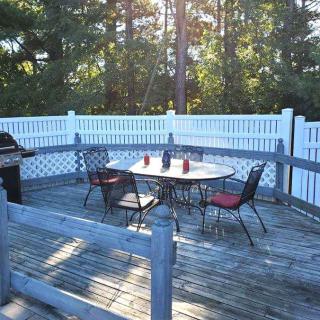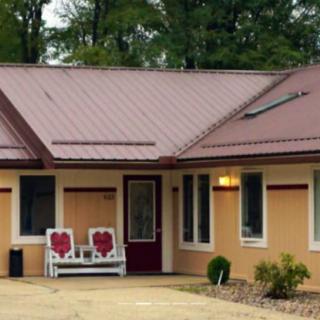
Hamilton Park Place in Portage, WI

Save

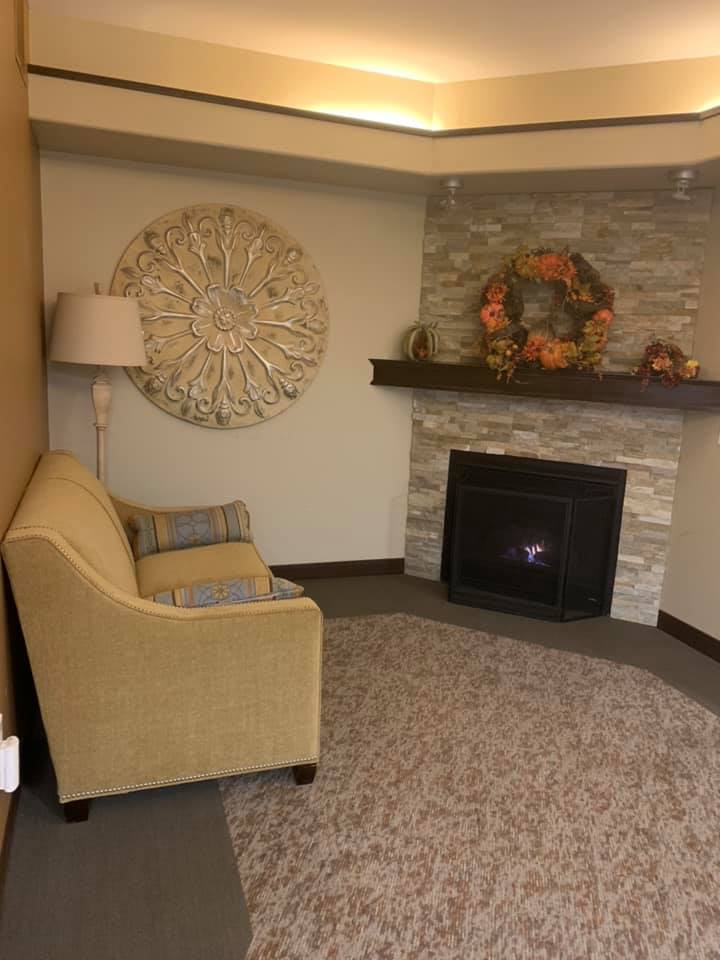
  • Interior

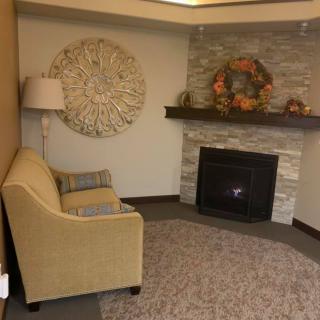
    A cozy living room featuring a sofa, lamp, and fireplace adorned with artwork and decorations.
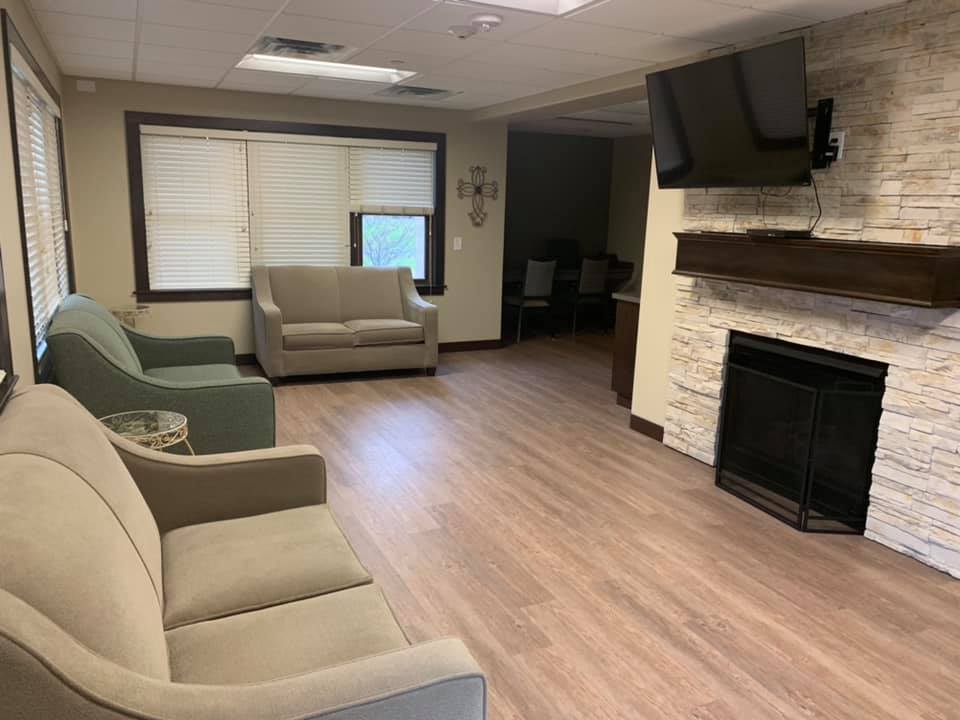
  • Living Room

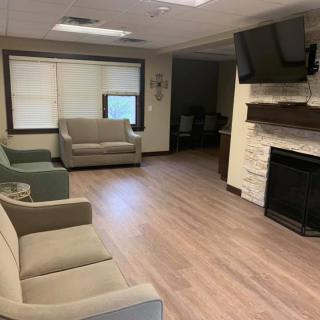
    A cozy living room with sofas, a fireplace, and a wall-mounted television.
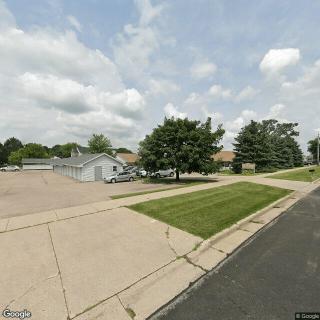
  • Building

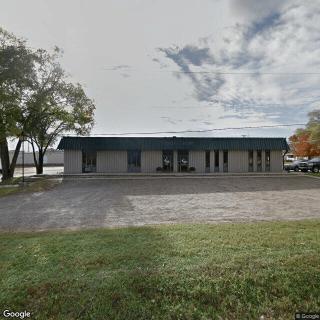
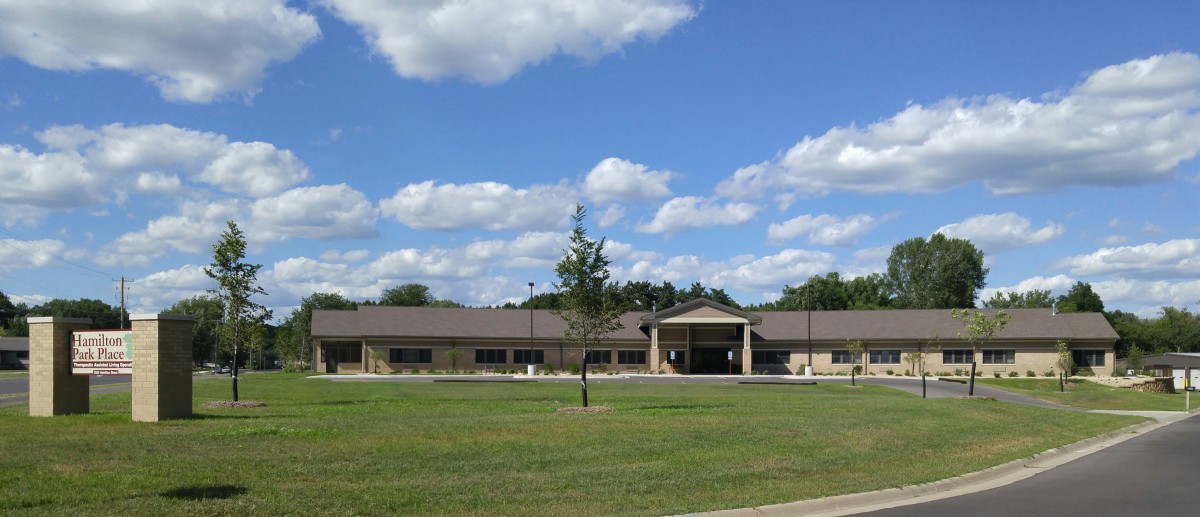
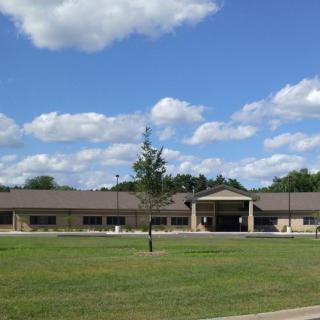
    A school building under a partly cloudy sky with grass and trees in the foreground.
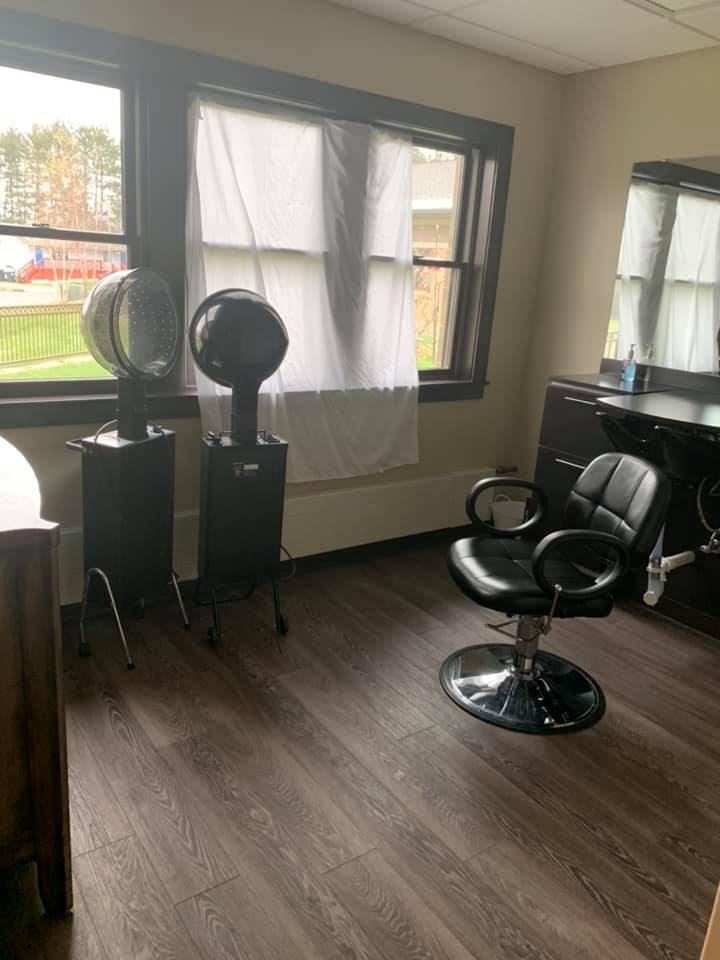
  • Windows

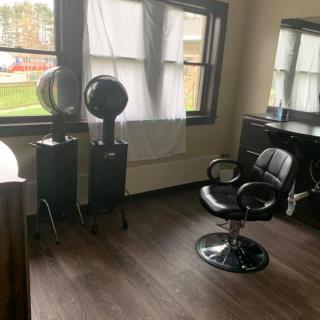
    A hair salon with a styling chair and two dryers by the window.
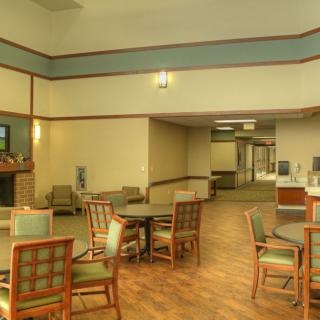
  • Dining

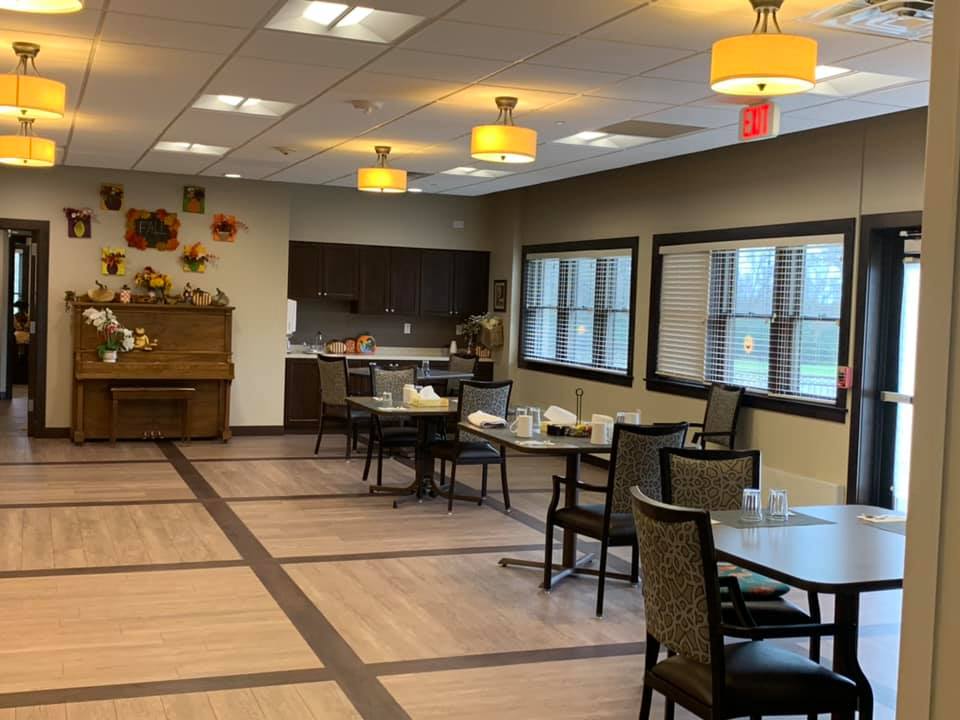
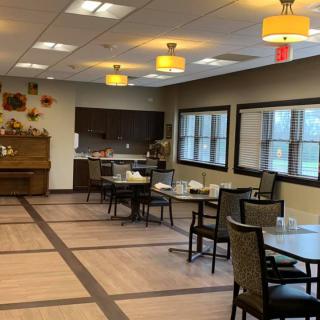
    An empty dining room with neatly arranged tables and chairs, featuring a kitchen area and large windows.
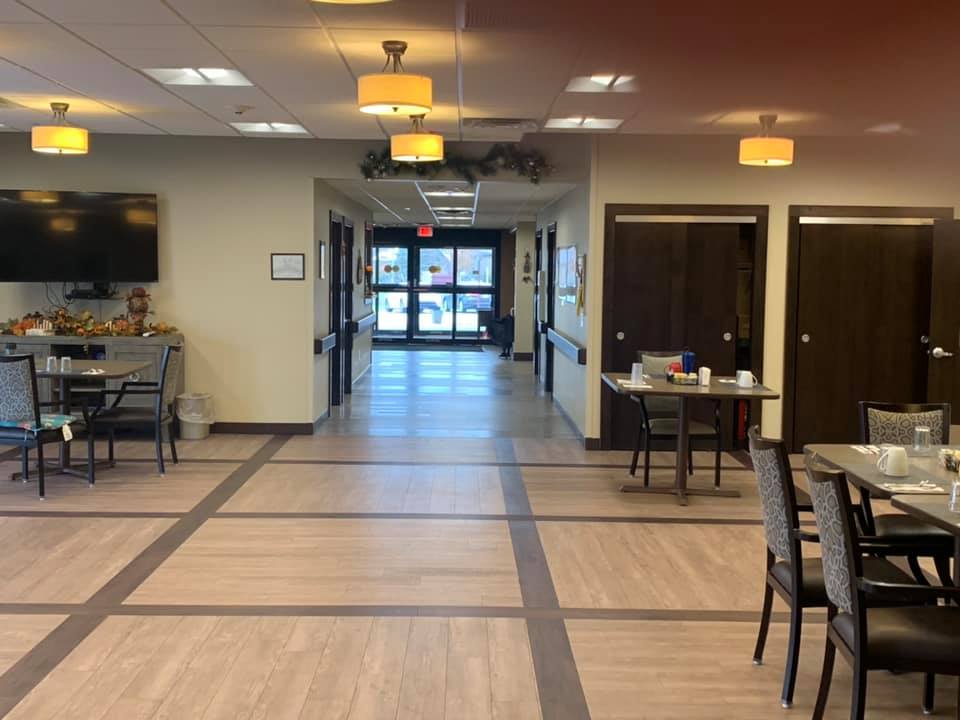
  • Lighting

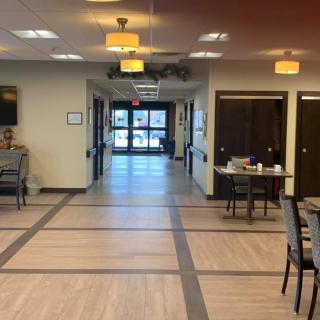
    A wide view of a well-lit hallway with seating and an entrance at the far end.
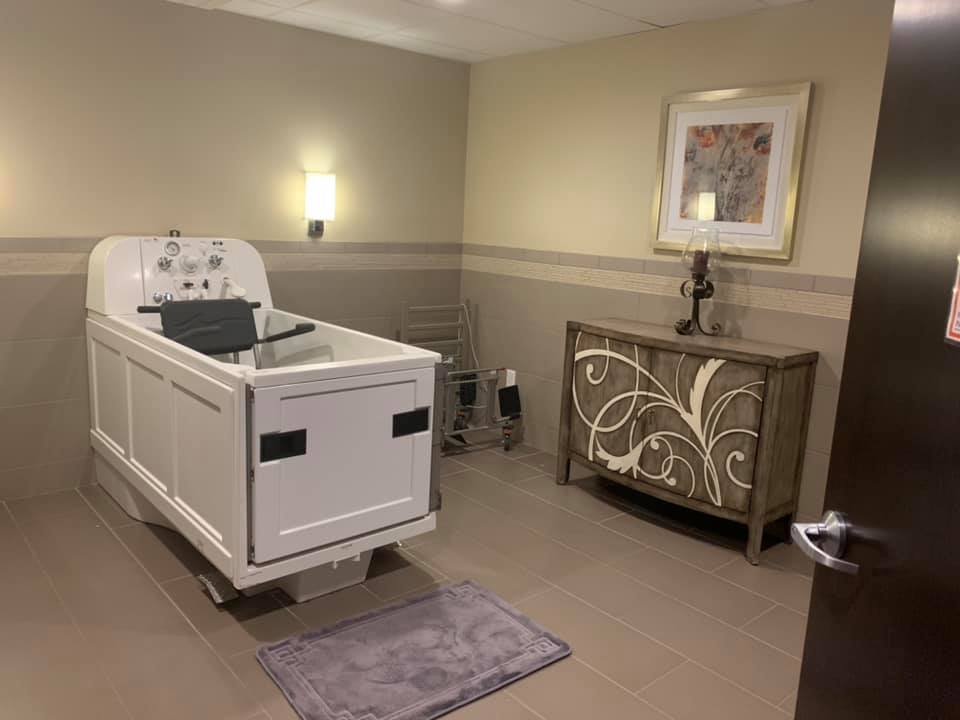
  • Bathroom

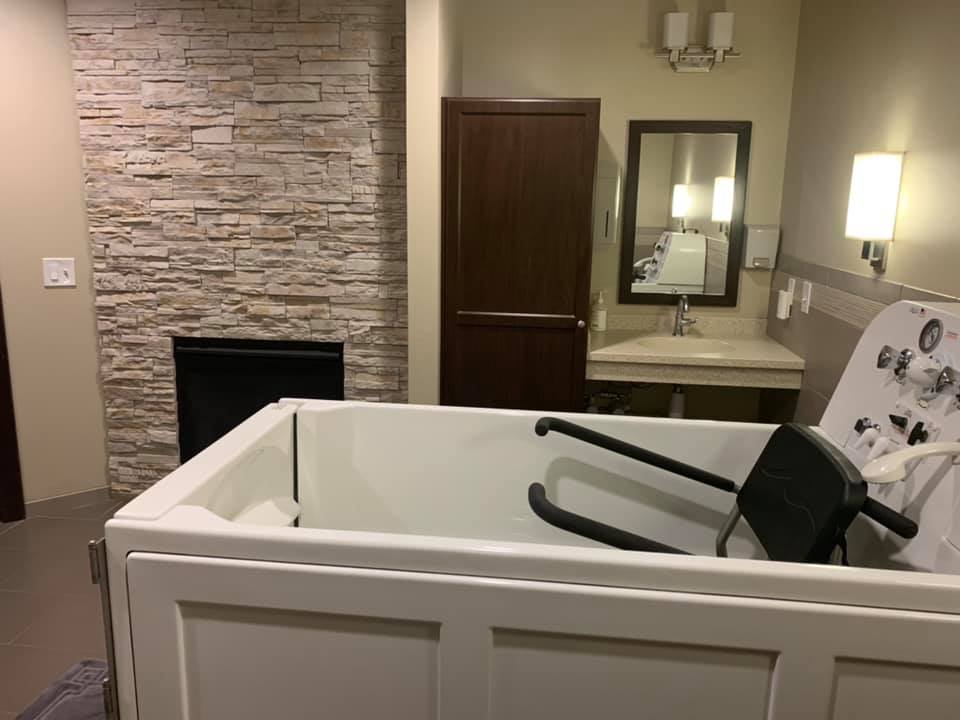
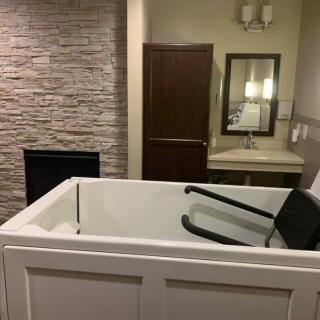
    A modern bathroom featuring a bathtub, sink, and mirror with stylish design elements.
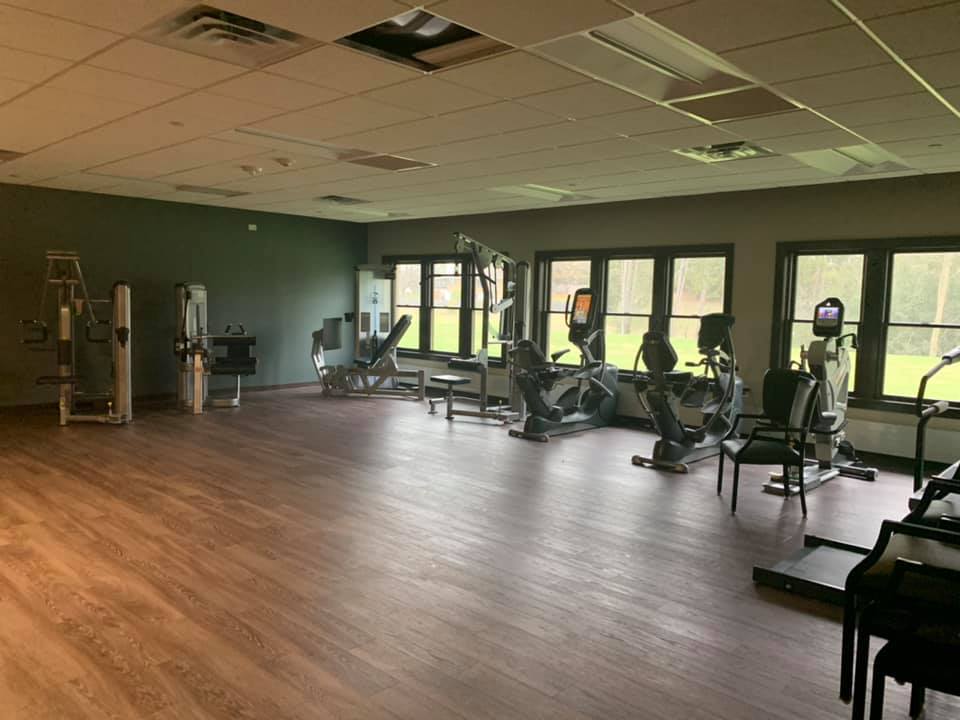
  • Exercise Equipment

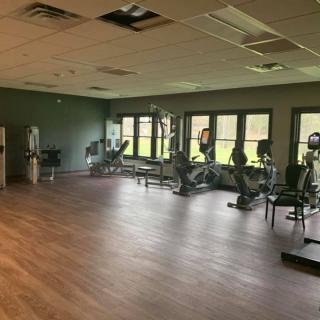
    An empty gym with exercise equipment and large windows.

Hamilton Park Place in Portage, WI

2525 Hamilton Street, Portage, WI 53901

For more information about senior living options: (844) 490-3973

4.1 from 13 reviews
5 stars
6
4 stars
5
3 stars
0
2 stars
1
1 stars
1

Assisted Living Memory Care

Hamilton Park Place Costs & Pricing

Hamilton Park Place offers a competitive pricing structure for its studio apartments, with a monthly cost of $3,995. This rate is slightly above the average for Marquette County, where similar accommodations are available for approximately $3,475. Interestingly, it aligns closely with the statewide average in Wisconsin, which stands at $3,999. While Hamilton Park Place may be positioned at the higher end of the local market, it likely reflects additional amenities or services that cater to residents seeking enhanced living experiences.

Floor plansHamilton Park PlaceMarquette CountyWisconsin
Studio$3,995$3,475$3,999

Overall Review of Hamilton Park Place

Pros

  • pro The staff are nice and friendly.
  • pro The facility is pet friendly.
  • pro They provide good care.
  • pro The staff are caring and friendly, and the director is great at her job.
  • pro There is a nice dining room with three meals a day and a chef in the kitchen.
  • pro There are engaging activities such as bingo, exercise time, music, card games, and puzzles.
  • pro Residents can enjoy a spa hot tub.
  • pro Residents have private rooms with private bathrooms.
  • pro Hamilton Park Place is a small, well-run community with staff who care and go the extra mile.
  • pro The rooms are nice and offer different floor plans.
  • pro The food is very good.
  • pro The facility is clean and feels homey and welcoming.
  • pro The community is recommended to others.

Cons

  • pro The administration does not help the aides when they are short, forcing double- and even triple-shift work.
  • pro There is no housekeeper, so cleaning is done only if an aide takes care of it.
  • pro The food quality is poor due to staffing shortages, with many days needing to order pizza or serve leftovers.
  • pro Aides do not stay in the dining room for meals, so if someone chokes or needs help, few staff are present.
  • pro A paralyzed resident was left in a recliner, wet, with a lunch tray on their lap and a closed door.
  • pro The administrators are ineffective and do not take their jobs seriously; new leadership is needed.
  • pro If staff do not show up, administrators will not come in.
  • pro A worker was scheduled for three 16-hour shifts in a row and was told to "suck it up" or go home.

Review

Hamilton Park Place in Portage, Wisconsin is best suited for families prioritizing a small, homelike assisted living that offers personal attention, private rooms with en-suite baths, and a warm, neighborly atmosphere. This community rewards residents who value a calm pace, a familiar staff presence, and amenities like a spa hot tub and a manageable dining routine. It works well for those who want a close-knit team that builds relationships with residents and families, rather than a large campus with a clinical feel. If, however, the priority is ironclad administrative oversight and a consistently staffed dining room, alternatives should be seriously weighed.

Small size and a personable staff are Hamilton Park Place's core strengths. Several reviews highlight a caring, approachable director and a nurse on site, along with a kitchen that delivers three meals daily and private rooms with private baths. The facility's pet-friendly stance and homey, clean environment further reinforce a sense of security and comfort for many residents. Activities exist and are appreciated by residents and families, including cards, bingo, light exercise, music, and social events, which helps sustain social engagement in a compact setting.

Yet governance and staffing realities temper the strongest positives. The most critical concerns center on administration that some families feel is not responsive or serious about the job, especially when staffing is thin. Accounts of aides working double and triple shifts, limited housekeeping, and meals that can feel improvised or less than ideal reveal vulnerabilities in daily operations. Instances of safety lapses - such as a resident left unattended while in a recliner - underscore what can go wrong when supervision and staffing are stretched. The tension between a beloved small community and fragile operational footing creates real risk for residents who depend on reliable, proactive leadership.

The pros offset the cons to a meaningful degree for many residents, but not universally. The intimate setting often means quicker relationship-building, more attentive day-to-day contact, and a level of warmth that larger campuses sometimes lack. A chef-driven dining approach and consistent mealtime routines help, as do private rooms that reduce evening stress and offer personal space. When administration is engaged and shifts are covered, the care experience can be genuinely strong, with staff who go the extra mile to sit with residents, accommodate preferences, and maintain a pleasant, home-like rhythm. The key question is whether this level of reliability and attentiveness will be sustainable day to day.

For families weighing a move to Hamilton Park Place, practical diligence matters more than a glossy impression. Prospective residents should request in-depth touring and observe staffing patterns across different shifts, especially mealtimes and shift changes. Ask direct questions about housekeeping, emergency response times, and how safety incidents are addressed. Speak with current residents and families about day-to-day routines, activity availability, and how admin presence translates into real care. If robust activity programming, consistent nursing oversight, and unflinching administrative accountability are non-negotiable, this may not be the best long-term fit. Alternatives worth exploring include larger campuses with deeper staffing pools and more formalized activity calendars, or nearby communities with a track record of stable leadership.

Bottom line: Hamilton Park Place offers a welcoming, intimate environment with solid rooms, decent dining, and a palpable sense of community. Its strongest assets - personal attention, a resident-first vibe, and practical amenities - will delight many families. The decisive caveat is administrative stability and consistent staffing; when those elements falter, the entire care experience can feel fragile. For residents and families who can tolerate the swings and who place a premium on the human touch of a small, well-liked team, Hamilton Park Place represents a strong value in Portage. For others, it's wise to compare how other facilities handle staffing discipline, safety oversight, and daily programming before deciding.

Features

Housing

  • 24 resident community capacity 24 resident community capacity

Types of Care

  • Assisted Living Assisted LivingAssisted living facilities provide crucial support and care for seniors who may need help with daily tasks such as medication management, bathing, and meal preparation. These communities offer a safe and comfortable environment where seniors can maintain their independence while receiving the assistance they need to thrive in their golden years.
  • Memory Care Memory CareMemory care is crucial for seniors as it provides specialized support and services for individuals with dementia or Alzheimer's disease. These programs offer a safe and secure environment where residents receive personalized care, cognitive stimulation, and help with daily activities. Memory care helps seniors maintain their independence, quality of life, and dignity while also providing peace of mind for their families.

Amenities

  • Activities on-site Activities on-siteActivities on-site are important for seniors because they provide opportunities for socialization, mental stimulation, physical activity, and overall well-being. Engaging in activities can help seniors stay active, maintain their independence, and improve their quality of life.
  • Beautician on-site Beautician on-siteHaving a beautician on-site at a senior living community is important for seniors as it allows them to easily access grooming and personal care services, boosting their self-esteem and overall well-being. It also provides convenience and helps seniors maintain their sense of independence and personal style.
  • Beauty salon Beauty salonBeauty salons are important for seniors because they provide a space for them to feel pampered, socialize, and maintain their personal grooming and hygiene. Regular visits to a beauty salon can help boost seniors' self-esteem and overall well-being.
  • Cable or satellite TV Cable or satellite TVCable or satellite TV is important for seniors because it provides entertainment, news, and companionship, helping to combat loneliness and boredom. It also offers a wide range of programming options tailored to different interests and preferences.
  • Devotional services off-site Devotional services off-siteDevotional services off-site are important for seniors as they provide spiritual nourishment, social engagement, and a sense of community outside of the senior living facility. This can enhance overall well-being and help combat feelings of isolation and loneliness often experienced by older adults.
  • Devotional services on-site Devotional services on-siteDevotional services on-site provide seniors with spiritual support and a sense of community, as well as an opportunity for reflection and guidance during their senior living experience. This can promote emotional well-being and connection to others, leading to a more fulfilling and enriching lifestyle in their later years.
  • Dining room Dining roomDining rooms are important for seniors as they provide a space for socialization, connection, and nutritious meals. They offer opportunities for residents to bond over shared meals, foster a sense of community, and promote healthy eating habits. Dining rooms also ensure that seniors have access to well-balanced meals tailored to their dietary needs and preferences.
  • Fully furnished Fully furnishedFully furnished senior living communities are important for seniors because they provide convenience, comfort, and a hassle-free moving experience. Seniors can easily settle into their new living space without the stress of having to buy and move furniture. This allows them to focus on enjoying their new home and community.
  • Garden GardenGardens are important for seniors as they provide a peaceful and therapeutic environment for relaxation, physical activity, and socialization. Being in nature has been shown to reduce stress, improve mood, and promote overall well-being. Gardens also offer opportunities for seniors to engage in gardening activities, which can improve mobility, flexibility, and cognitive function. Additionally, gardens create a sense of community and connection with others who share a passion for plants and outdoor spaces.
  • Housekeeping services Housekeeping servicesHousekeeping services are important for seniors because they help maintain a clean and safe living environment, promote independence, and reduce the risk of accidents or illnesses. Additionally, having assistance with household chores can alleviate physical strain and allow seniors to focus on other aspects of their well-being.
  • Indoor common areas Indoor common areasIndoor common areas are crucial for seniors as they provide a space for socialization, recreation, and community engagement, promoting overall well-being and reducing feelings of isolation and loneliness.
  • Kitchenette KitchenetteKitchenettes are important for seniors living in senior living communities because they provide the convenience and independence of being able to prepare simple meals and snacks in the comfort of their own living space. This can help promote a sense of autonomy and well-being for seniors, allowing them to maintain some level of control over their dietary choices and daily routines.
  • Move-in coordination Move-in coordinationMove-in coordination is important for seniors because it helps ease the transition into their new living environment. It ensures that all logistics, such as packing, organizing movers, and setting up utilities are taken care of, allowing seniors to focus on settling in and adjusting to their new home. Having a smooth move-in process can alleviate stress and anxiety, making the transition smoother and more enjoyable for seniors.
  • Outdoor common areas Outdoor common areasOutdoor common areas are important for seniors as they provide a space for socialization, physical activity, and relaxation. Being outside in nature can improve mood and overall well-being, while also encouraging movement and engagement with others. These spaces can help combat feelings of isolation and promote a sense of community among residents.
  • Outdoor space Outdoor spaceOutdoor spaces are important for seniors as they provide opportunities for physical activity, social interaction, exposure to natural light and fresh air, and a sense of connection to nature. Having access to outdoor spaces can improve overall well-being and quality of life for older adults living in senior communities.
  • Respite or short term stays offered Respite or short term stays offeredRespite or short term stays provide seniors with a temporary solution when their regular caregiver is unavailable, offering them the opportunity to receive additional care and support during times of need, while also giving caregivers a chance to rest and recharge.
  • Restaurant-style dining Restaurant-style diningRestaurant-style dining is important for seniors because it allows them to enjoy delicious, nutritious meals in a social and upscale setting. This enhances their dining experience, promotes healthy eating habits, and fosters socialization with fellow residents, ultimately contributing to their overall well-being and quality of life.
  • Small library Small librarySmall libraries are important for seniors as they provide access to a variety of reading materials, including books, newspapers, and magazines. This can help stimulate their minds, keep them engaged, and provide a sense of community through book clubs and other social activities. Additionally, reading has been shown to improve cognitive function and overall mental well-being in older adults.
  • Telephone TelephoneTelephones are important for seniors as they provide a lifeline for communication with loved ones, emergency services, and healthcare providers. They offer a sense of security and independence, enabling seniors to stay connected and access assistance when needed.
  • Wheelchair accessible showers Wheelchair accessible showersWheelchair accessible showers are crucial for seniors as they provide a safe and independent bathing option for those with mobility challenges. These showers help prevent falls and allow seniors to maintain their dignity and autonomy while ensuring they can bathe comfortably.
  • Wi-Fi/high-speed internet available Wi-Fi/high-speed internet availableWi-Fi/high-speed internet is important for seniors to stay connected with loved ones, access online resources, and participate in virtual activities to combat feelings of loneliness and isolation. It also allows them to easily manage healthcare needs, access entertainment, and engage in lifelong learning opportunities.

Care Services

  • 24-hour call system 24-hour call system24-hour call systems are important for seniors because they provide peace of mind and immediate assistance in case of emergencies. This technology ensures that help is always available, promoting safety and security for elderly individuals living alone or in assisted living facilities.
  • 24-hour supervision 24-hour supervision24-hour supervision is important for seniors to ensure their safety, well-being, and access to immediate assistance in case of emergencies or health issues. This constant support provides peace of mind for both seniors and their loved ones, allowing them to age in place with dignity and security.
  • Activities of daily living assistance Activities of daily living assistanceActivities of daily living assistance are important for seniors because they provide essential support with tasks such as eating, bathing, dressing, and mobility. This assistance helps seniors maintain their independence, dignity, and overall quality of life as they age.
  • Ambulatory care Ambulatory care"Ambulatory care services provide essential medical support and treatment to seniors without requiring hospitalization, allowing them to maintain their independence and quality of life while managing chronic conditions or receiving routine medical care."
  • Assistance with bathing Assistance with bathingAssistance with bathing is crucial for seniors as it helps maintain personal hygiene, prevents infections, and ensures their overall well-being and comfort. It also provides a sense of dignity and independence for seniors who may struggle with this task on their own.
  • Assistance with dressing Assistance with dressingAssistance with dressing is important for seniors because it helps maintain their independence, promotes personal hygiene, prevents accidents and injuries, and improves overall quality of life. This service ensures that seniors can continue to dress comfortably and confidently, despite any physical limitations they may have.
  • Assistance with transfers Assistance with transfersAssistance with transfers is crucial for seniors as it helps prevent falls and injuries, maintains their independence, and ensures they can safely navigate their living environment. It also provides peace of mind for both seniors and their loved ones.
  • Diabetes diet Diabetes dietA diabetes diet is crucial for seniors as it helps manage blood sugar levels, reduce risks of complications, and improve overall health and well-being. By following a balanced and nutritious diet tailored to their specific needs, seniors can better control their diabetes and enhance their quality of life.
  • Diabetic care Diabetic careDiabetic care is crucial for seniors as they are more susceptible to developing diabetes due to aging and other health conditions. Proper management of diabetes can help prevent complications such as heart disease, vision loss, and nerve damage, improving the overall quality of life for seniors in senior living communities.
  • Incontinence care Incontinence careIncontinence care is essential for seniors to maintain their dignity, hygiene, and overall quality of life. By addressing incontinence issues promptly and effectively, seniors can enjoy a sense of independence and comfort in their daily activities.
  • Meal preparation and service Meal preparation and serviceMeal preparation and service are crucial for seniors as they may have limited mobility or energy to cook nutritious meals. Having access to healthy and convenient food options can ensure they are getting the proper nutrition needed to maintain their overall health and well-being.
  • Medication management Medication managementMedication management is crucial for seniors to ensure they are taking the right medications at the correct dosages and times. This helps prevent adverse drug interactions, reduces the risk of medication errors, and promotes overall health and well-being. Proactive management also allows for adjustments as needed based on changing health conditions or new prescriptions.
  • Mental wellness program Mental wellness programMental wellness programs are essential for seniors as they promote cognitive stimulation, emotional support, and social engagement. These programs help prevent isolation, depression, and cognitive decline, ultimately enhancing the overall quality of life for older adults.
  • Mild cognitive impairment Mild cognitive impairment"Mild cognitive impairment" is important for seniors because it is an early stage of cognitive decline that can potentially progress to more severe conditions such as dementia. Recognizing and addressing mild cognitive impairment can help seniors receive appropriate care and support to maintain their quality of life and independence for as long as possible.
  • Special dietary restrictions Special dietary restrictionsSpecial dietary restrictions are important for seniors because age-related changes in metabolism and health conditions can make it difficult for their bodies to process certain foods. By following a diet tailored to their specific needs, seniors can maintain their overall health and well-being, manage chronic conditions, and reduce the risk of complications such as malnutrition or food interactions with medications.
  • Specialized memory care programming Specialized memory care programmingSpecialized memory care programming is crucial for seniors with cognitive impairments such as dementia or Alzheimer's disease. These programs provide a safe and supportive environment tailored to the unique needs of individuals with memory loss, helping them maintain their independence, dignity, and quality of life.

Dining

  • Diabetes diet Diabetes dietA diabetes diet is crucial for seniors as it helps manage blood sugar levels, reduce risks of complications, and improve overall health and well-being. By following a balanced and nutritious diet tailored to their specific needs, seniors can better control their diabetes and enhance their quality of life.
  • Meals provided Meals provided"Meals provided" are crucial for seniors in assisted living communities as it ensures they have access to nutritious, balanced meals without the stress of meal planning and preparation. This can help promote overall health and well-being for seniors who may have limited mobility or cognitive abilities.
  • Special dietary restrictions Special dietary restrictionsSpecial dietary restrictions are important for seniors because age-related changes in metabolism and health conditions can make it difficult for their bodies to process certain foods. By following a diet tailored to their specific needs, seniors can maintain their overall health and well-being, manage chronic conditions, and reduce the risk of complications such as malnutrition or food interactions with medications.

Activities

  • Activities on-site Activities on-siteActivities on-site are important for seniors because they provide opportunities for socialization, mental stimulation, physical activity, and overall well-being. Engaging in activities can help seniors stay active, maintain their independence, and improve their quality of life.
  • Community-sponsored activities Community-sponsored activitiesCommunity-sponsored activities are important for seniors as they provide opportunities for social interaction, mental stimulation, and physical activity. These activities can help improve overall well-being, combat loneliness and isolation, and promote a sense of belonging and purpose among older adults.
  • Devotional activities offsite Devotional activities offsiteDevotional activities offsite are important for seniors because they provide social engagement, spiritual growth, and a sense of community outside of their living environment. This can improve overall well-being, mental health, and combat feelings of isolation or loneliness.
  • Devotional activities on-site Devotional activities on-siteDevotional activities on-site provide seniors with a sense of community, spiritual fulfillment, and emotional support, promoting overall well-being and a positive sense of purpose in their lives.
  • Resident-run activities Resident-run activitiesResident-run activities are important for seniors as they encourage social interaction, creativity, and a sense of autonomy. These activities empower seniors to stay engaged and active in their community while fostering meaningful connections with their peers.
  • Scheduled daily activities Scheduled daily activitiesScheduled daily activities are important for seniors because they provide structure, socialization, mental stimulation, and physical activity. Engaging in regular activities can improve overall well-being and quality of life for seniors living in a community setting.

Description

Hamilton Park Place is an assisted living community located in Portage, WI. We specialize in providing memory care for individuals with Alzheimer's disease and other forms of dementia. Our community offers a variety of amenities to enhance the well-being and comfort of our residents.

Our on-site beautician and beauty salon allow residents to pamper themselves and maintain their personal grooming routines without leaving the premises. Residents can also enjoy their favorite shows and movies with access to cable or satellite TV in their fully furnished rooms. Devotional services are available both off-site and on-site for those who wish to practice their faith.

Meals are served in our dining room, where residents can enjoy restaurant-style dining and have the opportunity to socialize with fellow residents. Our staff takes care of housekeeping services, ensuring that residents have a clean and comfortable environment. Indoor common areas provide spaces for activities and social interactions, while outdoor common areas offer a peaceful garden setting.

For those who require short-term stays or respite care, we offer flexible options. Move-in coordination is provided to assist new residents with transitioning into our community smoothly.

Our dedicated staff provides 24-hour supervision and assistance with activities of daily living such as bathing, dressing, transfers, and medication management. Specialized memory care programming is tailored to meet the unique needs of individuals with cognitive impairments.

We prioritize the mental wellness of our residents through a mental wellness program that promotes engagement, stimulation, and socialization. Diabetic care including specialized diets is also available to ensure proper management of diabetes. Incontinence care services are provided for those who need assistance in this area.

Residents can participate in a range of activities including community-sponsored events, devotional activities both on-site and off-site, resident-run activities, and scheduled daily activities designed to promote engagement and social interaction.

Hamilton Park Place is conveniently located near cafes, parks, pharmacies, physicians' offices, restaurants, transportation options,and places of worship. Additionally, hospitals and theaters are also easily accessible.

At Hamilton Park Place, we strive to provide a safe, comfortable, and engaging environment for our residents with memory care needs.

Nearby Places of Interest

This part of Portage, Wisconsin is a vibrant and diverse community with a variety of amenities to offer. With several places of worship nearby, individuals can find spiritual fulfillment and belonging within the community. Access to healthcare services is convenient with multiple physicians and hospitals within close proximity. Residents can enjoy the outdoors at the various parks in the area, offering opportunities for recreation and relaxation. Additionally, there are plenty of dining options ranging from fast food to sit-down restaurants, catering to different tastes. The presence of pharmacies ensures easy access to medications and health supplies. Transportation options such as Amtrak and taxi services make it convenient for seniors to get around town. Overall, this part of Portage provides a well-rounded living experience that caters to the needs and preferences of senior residents.

Places of Worship

  • Wels (0.1 miles)
  • Portage United Methodist Church (0.8 miles)
  • Truth Baptist Church (0.9 miles)
  • Grace Bible Church (1.3 miles)
  • Trinity United Church of Christ (1.4 miles)
  • General Conference Of Seventh-Day Adventists (1.4 miles)
  • Bethlehem Lutheran Church (2.1 miles)

Physicians

  • St Mary's Dean Ventures (0.7 miles)
  • Dean Clinic (0.7 miles)
  • Aspen Family Counseling (0.8 miles)
  • Diraimondo, Linda Dr - Pauquette Center (0.8 miles)
  • Divine Savior Family Medicine (0.9 miles)
  • Krause Ogoma M MD - Divine Savior Healthcare Pulmonary Diabetes (0.9 miles)
  • Uw Health (0.9 miles)

Parks

  • Blue Star Park (0.8 miles)
  • Splash Park (1.1 miles)
  • Portage Family Skate Park (1.1 miles)
  • Port Doggie Park (1.3 miles)
  • Veterans Memorial Field (1.4 miles)
  • Veterans Park (1.4 miles)
  • Riverside Park (1.5 miles)

Restaurants

  • Jimmy John's (0.8 miles)
  • Little Italy Ristorante (0.8 miles)
  • La Tolteca (0.8 miles)
  • Culver's (0.8 miles)
  • Asian Express (1 miles)
  • McDonald's (1 miles)
  • Friendly Tavern (1.1 miles)

Hospitals

  • Divine Savior Healthcare (0.8 miles)
  • Divine Savior Hospital (0.8 miles)
  • Dana Durdall Pa (7.6 miles)

Pharmacies

  • Walgreens (0.9 miles)
  • Walmart Pharmacy (1.3 miles)
  • Wilz's Drug & Home Health Care (1.3 miles)
  • Home Town Pharmacy (1.3 miles)
  • Village Drug (7.8 miles)
  • Home Town Pharmacy (7.8 miles)
  • Pharming Health Care (9.8 miles)

Transportation

  • Amtrak (1 miles)
  • Dewildt Taxidermy (1.2 miles)
  • Portage Cab Co Portage (1.4 miles)
  • Murphys Taxidermy (9.2 miles)

Cafes

  • Portage Cafe (1.4 miles)

Theaters

  • Portage Theatres-7 (1.4 miles)

Frequently Asked Questions

How much does it cost to live at Hamilton Park Place in Portage, WI?
Where is Hamilton Park Place?
Does Hamilton Park Place provide care for residents with dementia or Alzheimer's disease?
What photos are available for Hamilton Park Place in Portage, Wisconsin?

Nearby Communities

  • Rem Evergreen Trail

    Rem Evergreen Trail

    Portage, WI


    pro Small, personalized assisted living with 24-hour supervision and diabetes-friendly dining.

  • Rem Mooreland Circle

    Rem Mooreland Circle

    Portage, WI


    pro Comprehensive assisted living with 24/7 supervision and ADL support.

  • Tivoli At Divine Savior Healthcare

    Tivoli At Divine Savior Healthcare

    Portage, WI

    4.3 from 4 reviews
    $3,850 to $7,870 / month

    pro Home-like design with separate memory-care unit, ample activities, and compassionate staff.

  • The Rivers Portage

    The Rivers Portage

    Portage, WI

    5 from 1 review
    $4,500 to $5,000 / month

    pro Responsive staff with comprehensive care options (including memory/high-acuity) and engaging activities.

  • Americanway Of Portage Dementia Specialty I

    Americanway Of Portage Dementia Specialty I

    Portage, WI


    pro Specialized dementia care with 24-hour supervision and memory care programs.

  • Americanway Of Portage

    Americanway Of Portage

    Portage, WI

    3.7 from 3 reviews
     

    pro Knowledgeable marketing director; pet-friendly community.

  • Oak Park Place Baraboo Autumn Lane

    Oak Park Place Baraboo Autumn Lane

    Baraboo, WI

    4.8 from 129 reviews
    $5,193 to $5,542 / month

    pro Attentive staff and a lively, hotel-like community with engaging activities.

  • Serenity Homes

    Serenity Homes

    Windsor, WI

    3.8 from 10 reviews
    $3,400 / month

    pro Strong community feel with friendly, informative staff and spacious, well-maintained rooms.

  • DeForest Place

    DeForest Place

    Windsor, WI

    3 from 8 reviews
    $3,750 to $5,153 / month

    pro Well-maintained, welcoming community with friendly staff and engaging activities.

Related Resources

  • how to talk to someone with dementiaHow to Communicate with a Loved One Living with Dementia: 10 Supportive Strategies
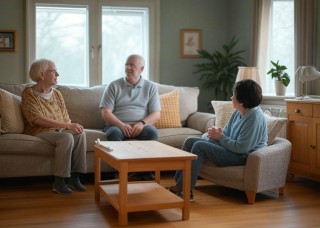
    The article outlines effective communication strategies for interacting with loved ones with dementia, highlighting the need for empathy, patience, and understanding while emphasizing supportive approaches like using simple language, minimizing distractions, and focusing on feelings over facts to maintain dignity and foster connection. It also suggests seeking professional guidance when needed as communication challenges evolve.

  • va nursing homeComprehensive Guide to VA Nursing Homes: A Crucial Long-Term Care Resource for Veterans

    VA nursing homes, or Community Living Centers (CLCs), offer tailored long-term care for veterans, featuring medical attention and rehabilitation in a supportive environment. The guide covers facility types, eligibility criteria, financial assistance options, quality of care standards, and alternatives to full-time nursing home placement.

  • in home dementia care costsEstimating the Expenses of At-Home Dementia Care: A Detailed Exploration
    At-home dementia care expenses vary widely based on care levels, location, and caregiver expertise, with monthly costs for home health aides exceeding $4,500 and specialized care potentially surpassing $100,000 annually. While families favor in-home care for its comfort and personalized attention, they must consider financial planning and the challenges of caregiver fatigue.