Harbor Campus offers competitive pricing for its accommodation options when compared to both Ozaukee County and the broader Wisconsin state averages. The monthly rent for a one-bedroom unit at Harbor Campus is $1,020, significantly lower than the county's average of $3,263 and Wisconsin's average of $3,412. Similarly, two-bedroom apartments at Harbor Campus are priced at $1,220, again favorably positioned against Ozaukee County's $3,180 and the state's $3,111. While the semi-private rooms and studios reflect a higher price point at Harbor Campus - $4,100 and $4,425 respectively - they still demonstrate a nuanced approach to affordability within a premium care environment. Notably, these costs align closely with or are slightly above county averages but remain competitive within the context of overall state pricing. This suggests that residents can enjoy quality living arrangements without straining their budgets excessively compared to other options in the area.
Floor plans
Harbor Campus
Ozaukee County
Wisconsin
1 Bedroom
$1,020
$3,263
$3,412
2 Bedrooms
$1,220
$3,180
$3,111
Semi-Private
$4,100
$4,558
$3,977
Studio
$4,425
$4,022
$3,999
Memory care communities with a similar price nearby
Residents and families consistently describe staff as attentive, kind, and responsive to needs.
Many reviews emphasize that caregivers, nurses, and support staff are caring and show respect in everyday care. Several residents’ families also mention quick problem-solving and good communication with administrators and care coordinators. A few reviewers specifically call out staff being gentle with assistance and focused on safety and wellbeing.
common12 reviews mention this
Activities keep residents engaged
Residents describe a steady schedule of activities that helps them stay social and interested.
Reviews frequently mention onsite activities such as games, crafts, themed events, live music, and devotional activities, along with off-site day trips. Multiple families describe their loved ones becoming more engaged and making friends through the program. A few reviews also mention memory-care focused activities as part of the daily routine.
common3 reviews mention this
Meals are part of daily life
Residents and families reference dining experiences and special dietary support.
Some reviews mention dining directly, including a positive comment about a holiday dinner and general impressions of the dining room. Others point to the community’s meal service being included as part of care, and dietary support for specific restrictions. A separate review includes a more critical take on how updated the dining area looks.
differentiator2 reviews mention this
Price is positioned as affordable
Pricing is described as affordable for the level of senior living being provided.
At least two reviewers describe the cost as manageable or affordable, including one who noted private pay for the first 24 months. The community’s price range also sits far below county and state benchmarks across unit types, which aligns with the affordability sentiment in reviews. Overall, residents and families appear more focused on value than on premium pricing.
caveat4 reviews mention this
Facility size and layout draw mixed views
Some reviewers feel the older layout and limited space aren’t ideal, especially for memory-related wayfinding.
Several reviews describe the building as older and a converted hospital, with concerns about room size and overall spaciousness. One reviewer also mentions the absence of an exercise area or pool, and another describes parts of the layout feeling like a maze for a person with dementia. A separate negative review adds operational concerns, which contributes to the mixed impression for some families.
How we summarize
Counts show how many written reviews mention each theme; a review can touch several themes, and only frequently mentioned themes are displayed.
Features
Housing
21 resident community capacity
1-bedroom apartments
2-bedroom apartments
Studio apartments
Types of Care
Assisted Living
Independent Living
Memory Care
Pets
Cats allowed
Dogs allowed
Amenities
Activities off-site
Activities on-site
Bath tubs
Beautician on-site
Beauty salon
Cable or satellite TV
Devotional services on-site
Dining room
Financial aid
Financing advice
Full kitchen
Fully furnished
Garden
General store
Hiking trails
Home sale assistance
Housekeeping services
Indoor common areas
Kitchenette
Laundry
Move-in coordination
Outdoor common areas
Outdoor space
Party space
Respite or short term stays offered
TV room
Telephone
VA Benefits Consultation
Wi-Fi/high-speed internet available
Care Services
24-hour call system
24-hour supervision
Activities of daily living assistance
Assistance with bathing
Assistance with dressing
Assistance with transfers
Coordination with health care providers
Diabetes diet
Diabetic care
Incontinence care
Meal preparation and service
Medication management
Mental wellness program
Physical therapy
Special dietary restrictions
Transportation arrangement (medical)
Transportation to doctors appointments
Dining
Diabetes diet
Meals provided
Special dietary restrictions
Activities
Activities off-site
Activities on-site
Arts and crafts
Community-sponsored activities
Cooking club
Devotional activities on-site
Fitness programs
Games
Gardening club
Live musical performances
Religious services
Resident-run activities
Scheduled daily activities
Languages Spoken
English
Videos
Nearby Places of Interest
Restaurants
Yummy Bones BBQ & catering (0.7 miles)
Fork & Tap (0.7 miles)
McDonald's (0.8 miles)
Arby's (0.9 miles)
Hundred Mile House (1.2 miles)
Culver's (1.3 miles)
McDonald's (2.9 miles)
Cafes
Java Dock (0.7 miles)
Starbucks (2.5 miles)
Starbucks (5.9 miles)
Flipside Cafe & Grill (6.1 miles)
Java House (8.8 miles)
Cedarburg Coffee Roastery (8.9 miles)
Starbucks (9.4 miles)
Physicians
Mark Fitzsimmons MD (1.4 miles)
Aurora Health Center (1.6 miles)
Zuccaro Cheryl MD (2.5 miles)
Greenlane Family Practice (2.5 miles)
Lakeshore Eye Care Professionals (3 miles)
Great Lakes Family Vision (3.3 miles)
Grafton Eye Center (5.5 miles)
Pharmacies
Walgreens (2.5 miles)
Walmart Pharmacy (2.6 miles)
Guy & O'Neill (5.7 miles)
Aurora Pharmacy (6.4 miles)
Walgreens (7.4 miles)
Walgreens (9.7 miles)
CVS Pharmacy (9.8 miles)
Theaters
Saukville Cinema Saukville, Wi (2.9 miles)
North Shore Cinema Mequon, Wi (11.7 miles)
Places of Worship
St Peters United Church of Christ (3.5 miles)
Vineyard Community Church (5.2 miles)
Grace Lutheran Church Elca (6.2 miles)
Our Lady of the Lakes Catholic Church (11.5 miles)
Parks
Lion's Den Gorge Nature Preserve (4.1 miles)
Cedarburg Bog State Natural Area (6.6 miles)
Pine Street Park (6.9 miles)
Belgium Village Park (7.2 miles)
Harrington Beach State Park (7.3 miles)
Lime Kiln Park (7.5 miles)
Riveredge Nature Center (8 miles)
Hospitals
Aurora Medical Center (5.7 miles)
Aurora Sports Medicine & Rehab (5.7 miles)
Ascension Columbia St. Mary's Ozaukee - Cedarburg (9.8 miles)
Breastfeeding Support - Ascension Columbia St Mary's Hospital Ozaukee Birthing Center (10 miles)
Harbor Campus offers competitive pricing for its accommodation options when compared to both Ozaukee County and the broader Wisconsin state averages. The monthly rent for a one-bedroom unit at Harbor Campus is $1,020, significantly lower than the county's average of $3,263 and Wisconsin's average of $3,412. Similarly, two-bedroom apartments at Harbor Campus are priced at $1,220, again favorably positioned against Ozaukee County's $3,180 and the state's $3,111. While the semi-private rooms and studios reflect a higher price point at Harbor Campus - $4,100 and $4,425 respectively - they still demonstrate a nuanced approach to affordability within a premium care environment. Notably, these costs align closely with or are slightly above county averages but remain competitive within the context of overall state pricing. This suggests that residents can enjoy quality living arrangements without straining their budgets excessively compared to other options in the area.
Harbor Campus's comprehensive array of services is tailored to meet the unique needs of residents with dementia or Alzheimer's disease, ensuring their safety and well-being. The 24-hour supervision provides a secure environment where trained staff can promptly assist individuals in distress while promoting a sense of security. Assistance with activities of daily living, such as bathing and dressing, helps maintain residents' dignity while addressing physical limitations. Coordinating with healthcare providers ensures that medical needs are effectively managed, including medication management and incontinence care. Meal preparation addresses nutritional needs while fostering a pleasant dining experience, and mental wellness programs engage cognitive function. Additionally, physical therapy supports mobility and health maintenance, and transportation arrangements for medical appointments facilitate access to necessary care, all contributing to a holistic approach that enhances the quality of life for those facing these challenges.
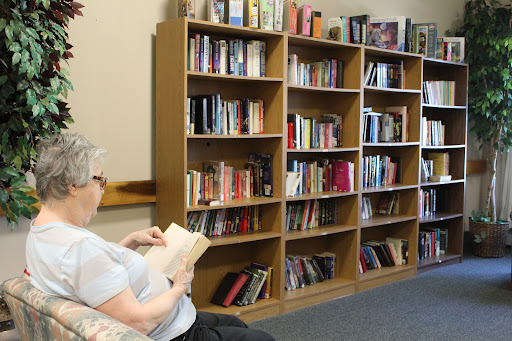
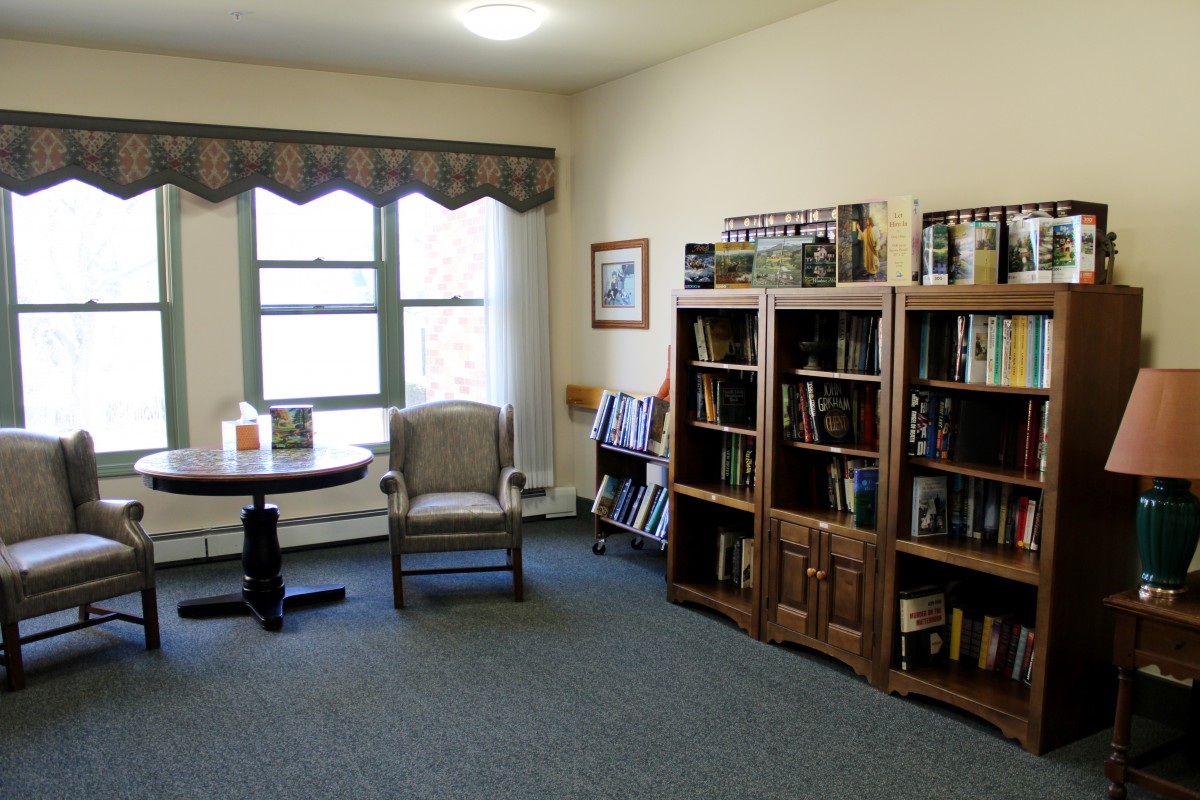
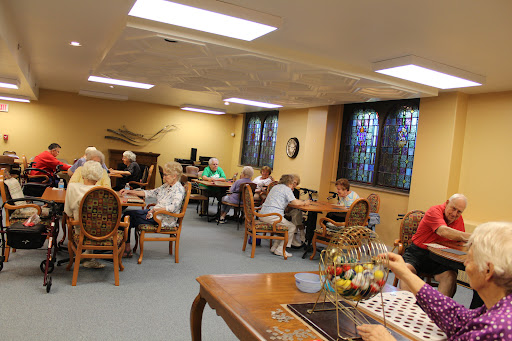
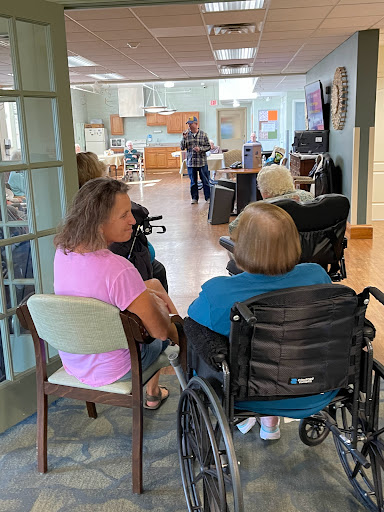
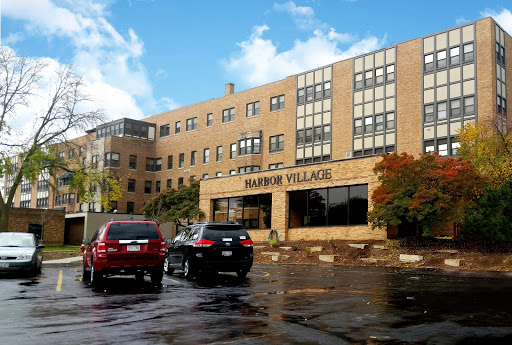
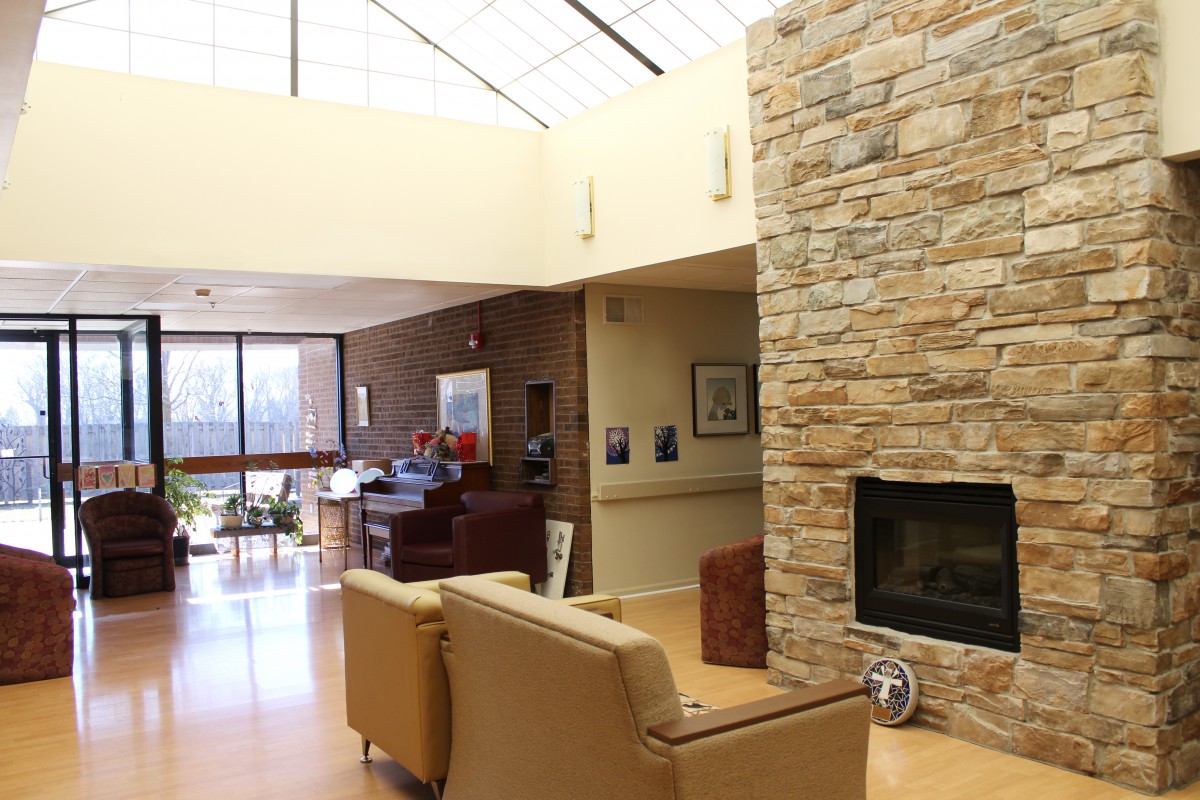
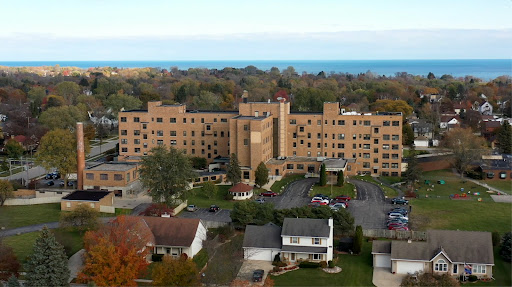
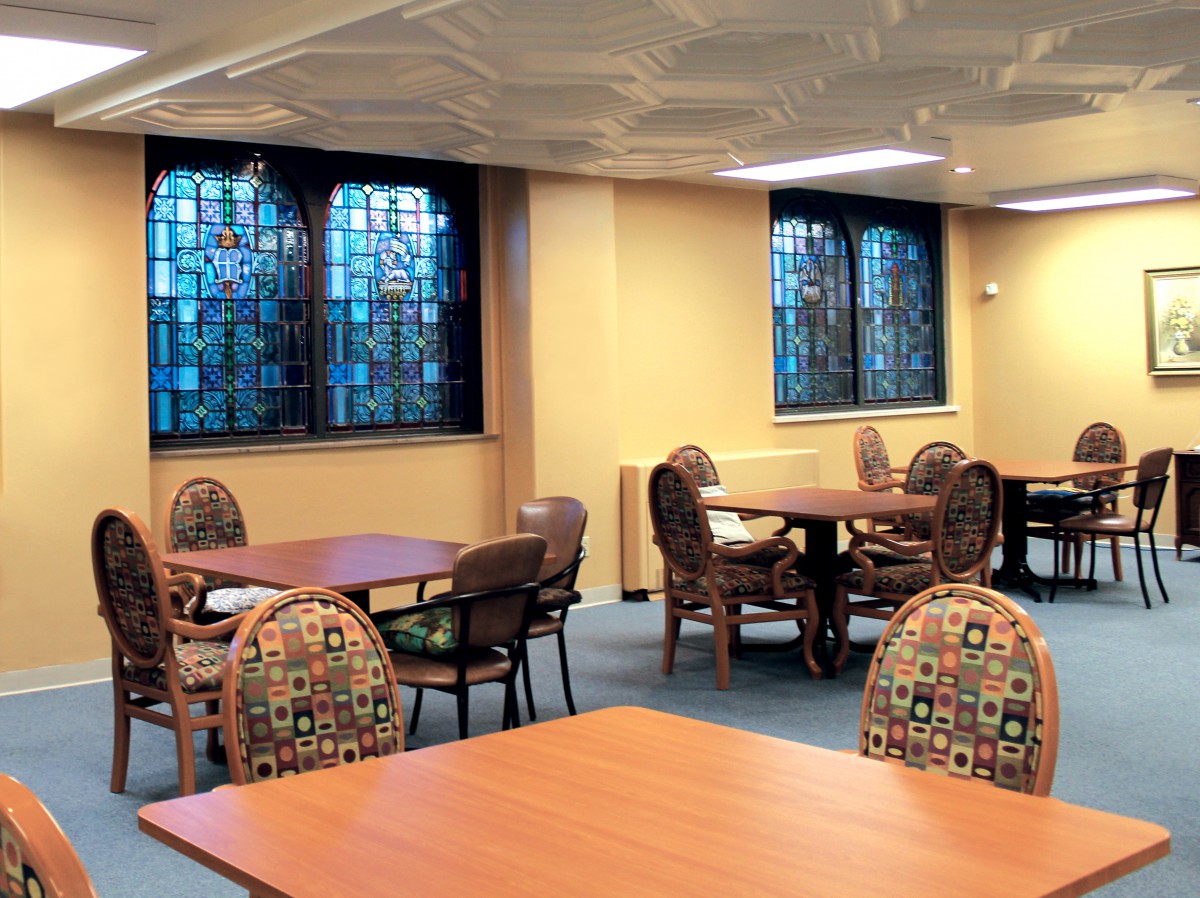
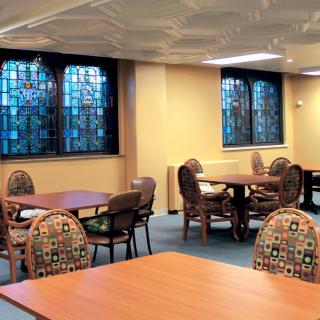
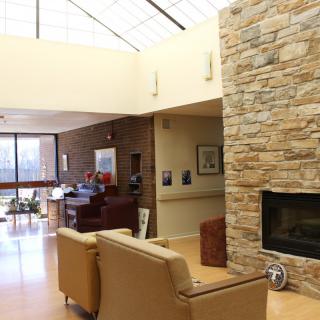
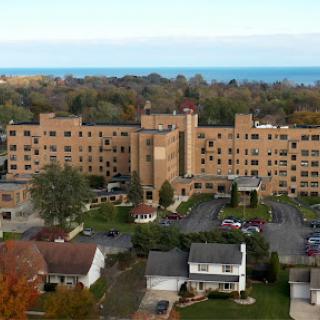
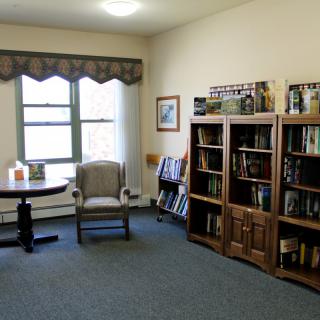
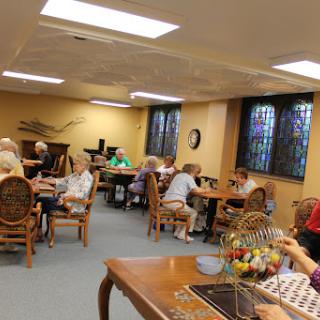
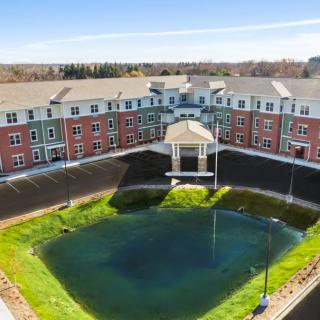
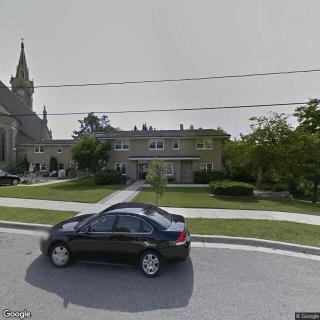
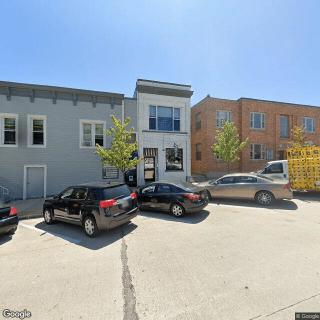
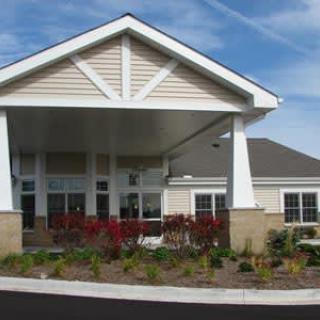
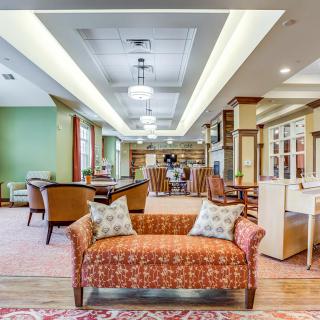
Harbor Campus on seniors.fyi includes 9 photos including images showing building, windows, library, architecture, interior, bookshelves, urban, bingo, and more.
Nearby Communities
Stanford House
Port Washington, WI
Intimate, well-equipped with 24/7 care and on-site dining.
Prime Horizon, Inc.
Port Washington, WI
5 from 19 reviews
Nearby amenities including pharmacies, physicians, restaurants, park, worship, and theater.
Heritage Health Services
Port Washington, WI
2.2 from 32 reviews
Some nurses and CNAs provide good care and rehab; rooms are spacious.
Heritage at Port Washington
Port Washington, WI
2.1 from 26 reviews
Nearby dining, pharmacies, physicians, worship, and theater.
Anita's Gardens of Port Washington
Port Washington, WI
3.7 from 3 reviews
$3,200 / month
Caring staff in a spacious, well-designed memory-care setting.
Christian FamilyCare Homes Inc
Port Washington, WI
Excellent access to nearby healthcare, dining, worship, and cultural activities.
Ellens Home Port Washington
Port Washington, WI
4.2 from 49 reviews
$4,000 to $4,400 / month
Caring, compassionate staff in a clean, home-like setting.
Vibrant Senior Living emphasizes active senior living communities that promote independence and engagement through diverse amenities and activities, fostering wellness and social interaction among older adults. These communities range from independent to assisted living, with a focus on personal growth, family involvement, financial planning, and leveraging technology to enhance residents' experiences.
Assisted living provides moderate support for seniors seeking independence, while memory care offers specialized support for individuals with dementia or cognitive impairments through structured routines and trained staff. Key differences include care approaches, environment security measures, staff training levels, activity types, and cost considerations.
Choosing between assisted living and nursing homes involves evaluating emotional and financial factors, with assisted living offering independence and support for daily activities at a lower cost, while nursing homes provide intensive medical care for individuals with significant health needs. The decision is influenced by personal preferences, health status, cognitive function, and varying Medicaid coverage across states.
Get PricingAsk A QuestionSchedule A TourContact Senior Advisor
By clicking submit, you agree to our Partner's Terms of Use. You
also consent to receive calls and texts, which may be autodialed, from our Partner. Your consent is not a condition to
using our Partner's service. Please visit our Partner's Privacy Policy for information about their privacy practices.









 21 resident community capacity
 1-bedroom apartments
 Assisted Living
 Independent Living
 Memory Care
 Cats allowed
 Dogs allowed
 Activities off-site
 Bath tubs
 Beautician on-site
 Cable or satellite TV
 Devotional services on-site
 Dining room
 Financial aid
 Full kitchen
 Fully furnished
 Garden
 General store
 Hiking trails
 Housekeeping services
 Indoor common areas
 Laundry
 Move-in coordination
 Outdoor common areas
 Party space
 Respite or short term stays offered
 Telephone
 Wi-Fi/high-speed internet available
 24-hour call system
 Assistance with bathing
 Assistance with dressing
 Assistance with transfers
 Diabetes diet
 Diabetic care
 Incontinence care
 Meal preparation and service
 Medication management
 Mental wellness program
 Physical therapy
 Special dietary restrictions
 Transportation arrangement (medical)
 Transportation to doctors appointments
 Arts and crafts
 Cooking club
 Fitness programs
 Games
Games Live musical performances
 English
 Intimate, well-equipped with 24/7 care and on-site dining.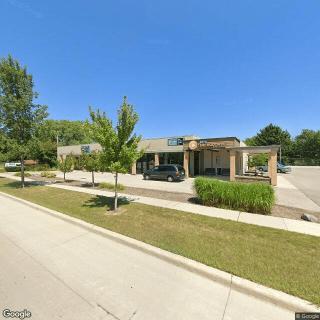


 Vibrant Senior Living: A Comprehensive Guide for Active Older Adults
 Assisted Living and Memory Care: Understanding Their Core Differences
 Choosing the Right Senior Care: A Detailed Exploration of Assisted Living and Nursing Homes