SpringBrook Onalaska

Save

  • Interior

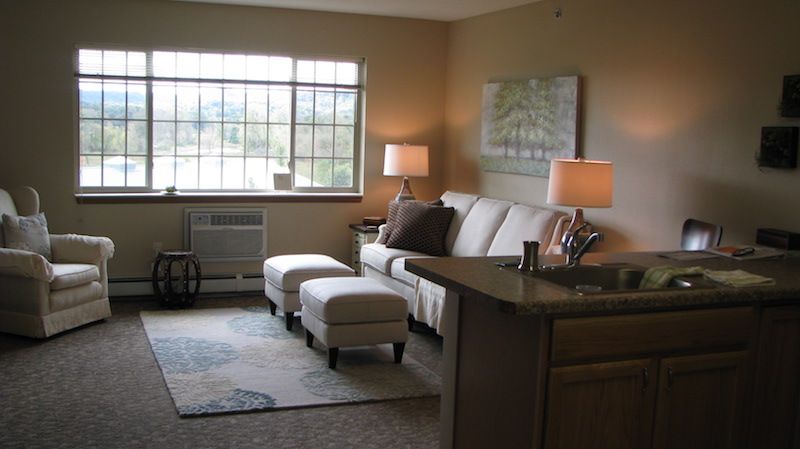
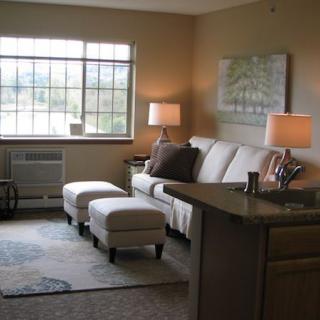
    A cozy living room with a sofa, two ottomans, and warm lighting from lamps under a large window.
  • Decor

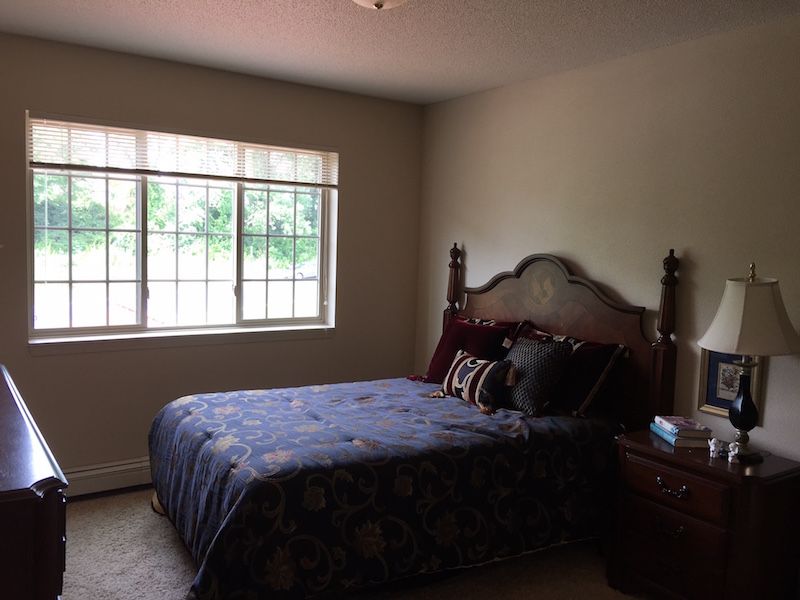
    A cozy bedroom with a large window and a well-made bed.
  • Living Room

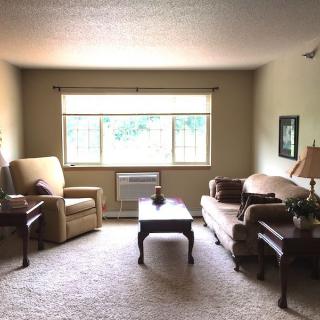
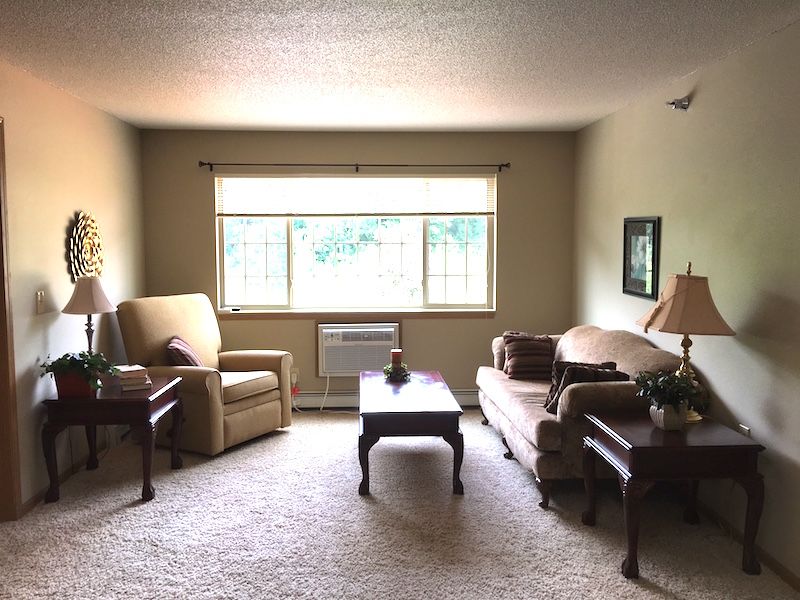
    A cozy living room with a sofa, armchair, and coffee table facing a large window.
  • Building

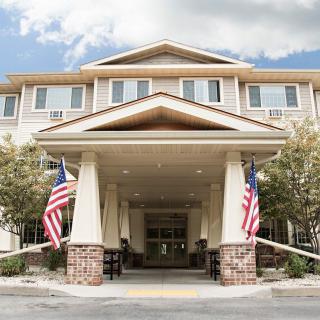
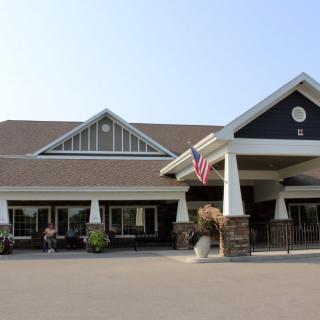
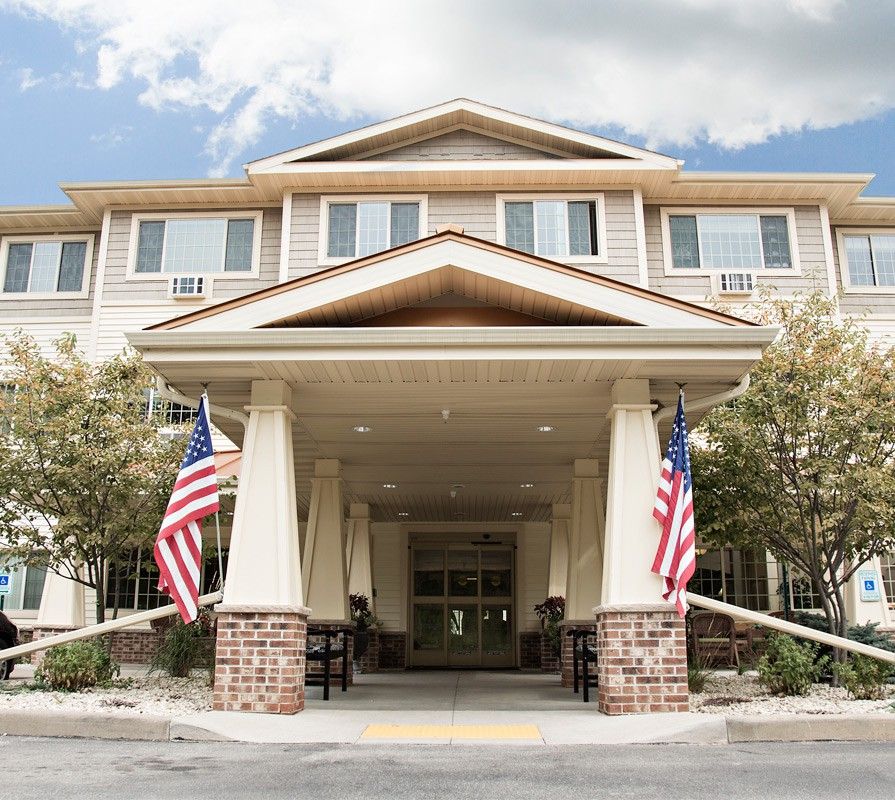
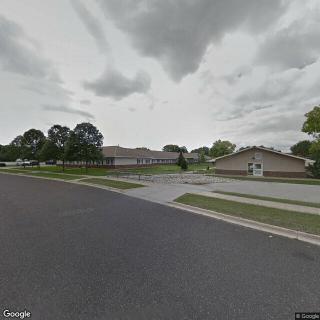
    The entrance of a building adorned with American flags, surrounded by trees under a partly cloudy sky.
  • Bedroom

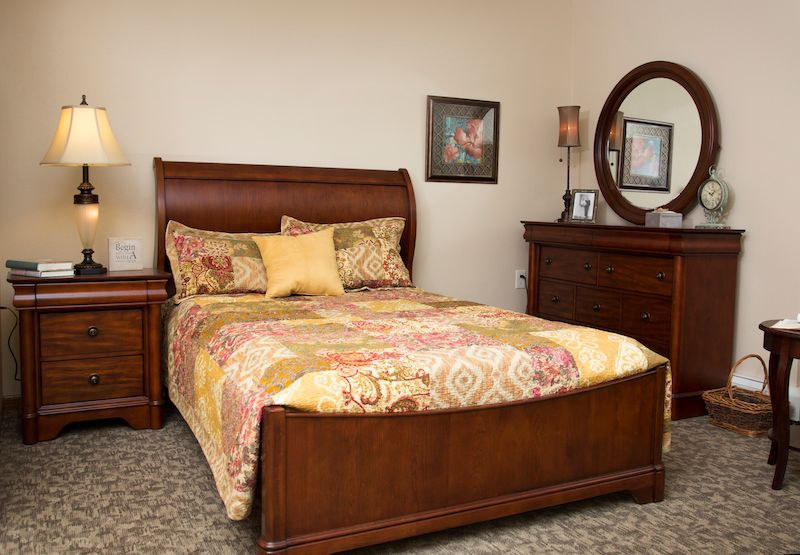
    A cozy bedroom with a neatly made bed, decorative pillows, and artwork on the wall.
  • Windows

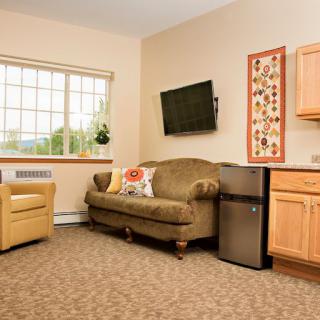
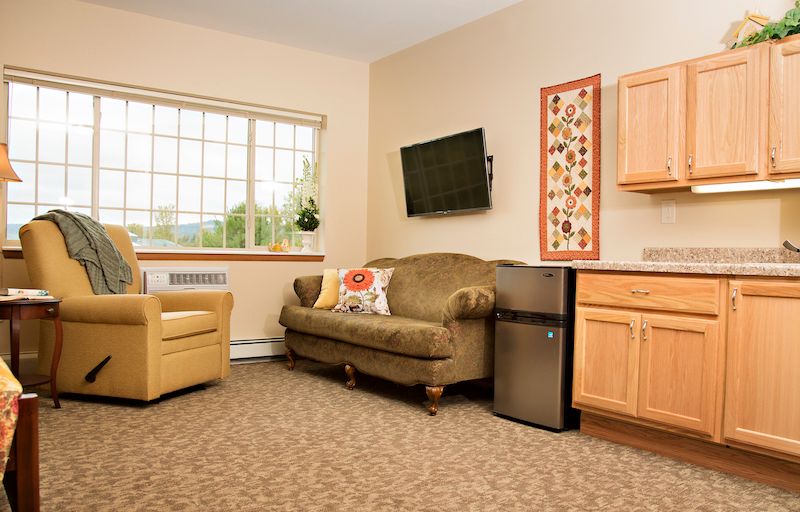
    A cozy living room with a couch, armchair, and a mounted television, complemented by wall art and a mini fridge.
  • Kitchen

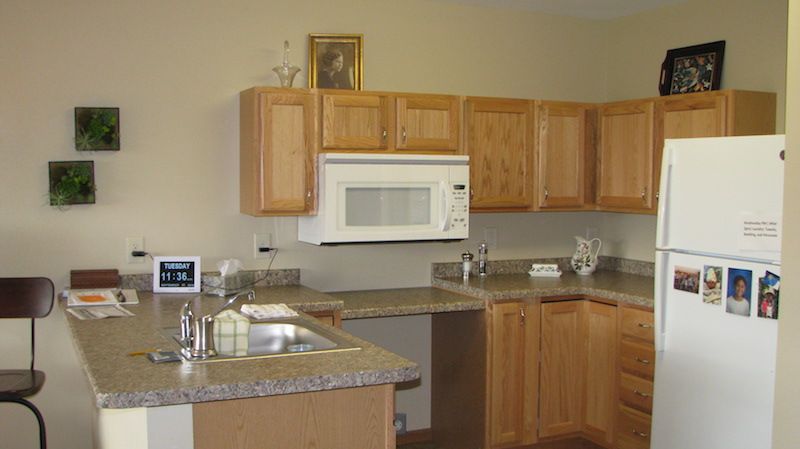
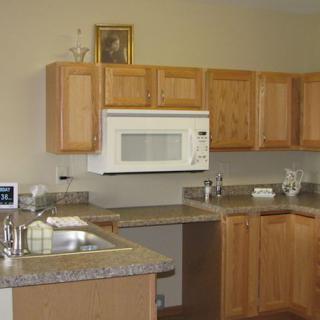
    A kitchen with wooden cabinets, a microwave, and a countertop with a sink.
  • Cabinets

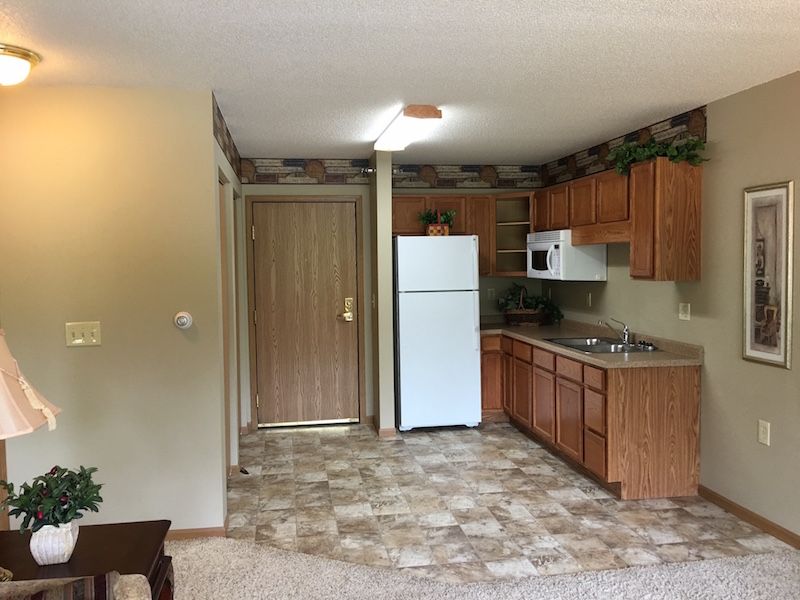
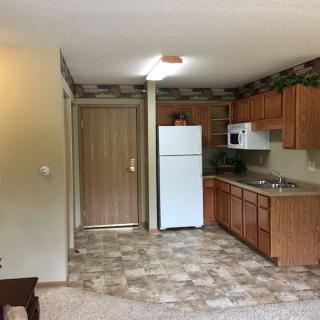
    A small apartment kitchen with wooden cabinets, a refrigerator, microwave, and a sink.

SpringBrook Onalaska

861 Critter Court, Onalaska, WI 54650

For more information about senior living options: (844) 490-3973

4.1 from 41 reviews
5 stars
26
4 stars
8
3 stars
0
2 stars
1
1 stars
6

Assisted Living Memory Care Respite Care

SpringBrook Onalaska Costs & Pricing

SpringBrook Onalaska offers competitive pricing for its accommodations, providing a refreshing alternative to the higher costs seen in the surrounding La Crosse County and the broader Wisconsin area. For instance, the monthly rate for a one-bedroom unit is $3,000, significantly lower than the county average of $4,767 and more affordable than the state average of $3,412. Similarly, residents can choose a studio for $4,450 - still below both the county's rate of $5,237 and the state's average of $3,999. Even in terms of two-bedroom units at SpringBrook Onalaska, priced at $4,500, you'll find it stands out against La Crosse County's cost of $6,080 while still being competitively positioned compared to Wisconsin's overall average of $3,111. This pricing structure makes SpringBrook an appealing choice for those seeking quality living arrangements without overstretching their budgets.

Floor plansSpringBrook OnalaskaLa Crosse CountyWisconsin
1 Bedroom$3,000$4,767$3,412
Studio$4,450$5,237$3,999
2 Bedrooms$4,500$6,080$3,111

What level of care are you interested in?

Assisted Living

Memory Care

Independent Living

Skilled Nursing Facility

Continuing Care Retirement Community (CCRC)CCRC

Other


Request a tour at SpringBrook Onalaska

    Overall Review of SpringBrook Onalaska

    Pros

    • pro Spring Brook is described as new, well laid out, fresh, clean, and a bit fancy, with top-notch rooms.
    • pro It's considered the best facility the reviewer has seen among those visited.
    • pro It is a stunning place with beautiful gardens tucked into the woodlands.
    • pro The staff are praised for wonderful care, including helping with laundry and maintaining a nice library.
    • pro The common dining room and meals are well-liked, with friendly staff and a sociable atmosphere.
    • pro The facility offers amenities such as a swimming pool, theater, beauty salon, and a small church area, enhancing the living experience.
    • pro The Meadows memory care unit is described as fantastic and top-notch, with an onsite activities coordinator.
    • pro The lobby and overall atmosphere are warm and inviting, with residents engaging in a friendly, communal vibe.
    • pro Families express gratitude and peace of mind knowing loved ones are cared for under one roof.

    Cons

    • pro The ownership is horrible; they only worry about the bottom line, there is no training at all for aides, their food standards are terrible, and they charge for food delivery.
    • pro The people in charge at this place are terrible; they lied to families about construction near apartments.
    • pro They kept the deposit after promising a refund.
    • pro Spring Brook is not the place you want for your loved ones.
    • pro The facility is expensive.
    • pro There were wool moths in the apartment and the water was filthy.
    • pro The staff are not the same all the time; care is inconsistent.

    Review

    Spring Brook Assisted Living comes across in these accounts as a facility that many visitors and residents genuinely admire for its outward appearance and its potential as a comfortable, upscale home. Several reviewers describe it as the best facility they've seen in terms of the building itself - new, well laid out, fresh, clean, and even a bit fancy. The impression is that the rooms are spacious and appealing, with some noting that they wouldn't mind living there themselves. The overall feel is one of a polished, inviting environment that makes a strong first impression.

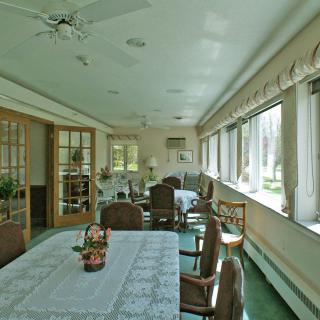
    The property's amenities and layout are repeatedly highlighted. Reviewers mention a range of features designed to support independent living and social engagement: a common dining room where meals are served, a theater, a beauty salon, a small church area, and a swimming pool at some points of their visit. The memory care wing is noted as a substantial feature as well, described as having three floors dedicated to memory support. Residents can have apartments that include a living area, a kitchen, a bedroom, and a bathroom, with some units offering a stove and refrigerator, which several reviewers found appealing. The presence of an elevator, a garden setting, and nearby wildlife (one reviewer even mentioning a pond and local scenery) further contribute to a sense of a complete, self-contained community.

    The social and activity life at Spring Brook also figures prominently in the praise. Many reviews describe engagement opportunities such as movie nights, multiple religious options, visiting entertainers, and other events designed to keep residents connected and entertained. An onsite activities or events coordinator is specifically praised in at least one account for helping residents stay active and engaged. Yet, some comments acknowledge that during times of illness or public health restrictions, many activities slowed or paused, leaving some residents with fewer structured options. Nonetheless, the general tone is that there is a healthy emphasis on community life and on providing varied stimulation for residents, including music and group interaction in common areas.

    Staff and caregiving experiences are a major portion of the feedback, and the sentiment here is mixed but often favorable. In positive cases, caregivers are described as kind, attentive, and communicative with families. There are recollections of staff helping with laundry, assisting residents who have trouble, helping residents out of bed, and delivering meals with sensitivity to individual needs. Families appreciated seeing staff who remembered their loved ones and who were proactive in offering support, even in routine tasks like getting residents to the dining room or facilitating enjoyable moments in the shared living spaces. There are also mentions of open lines of communication with management, with families feeling informed about concerns and changes as they arise.

    Like any large senior living community, Spring Brook attracts a spectrum of experiences and opinions, and some of the more critical comments center on management and cost. A few residents and family members describe the facility as too large or expensive, noting that it serves a substantial number of residents - over a hundred in one account - which can impact the consistency of care and the level of personalized attention some expect. Several reviewers raise concerns about the ownership and financial priorities, suggesting that the bottom line and profits sometimes overshadow other considerations. Specific grievances mention training gaps for aides, higher charges for services such as in-room or delivered meals, and a perception that the administration does not always follow through on promises or communications. One particularly detailed, strongly worded account accuses the leadership of harassment and deception, recounting experiences of unfinished repair work, unresolved deposits, and a forced move out of certain units, all of which culminates in a warning against corporate-run facilities and advice to plan ahead for living arrangements with family support.

    Among the most pointed criticisms is a complaint about a particular family's negative experience with a memory care unit and its management. The rhetorical punch in this account centers on broken promises about renovations, unresolved maintenance issues, and a sense that the facility prioritized other concerns over the comfort and safety of their loved ones. The reviewer describes personal distress, including a claim that a parent's care was mishandled after a fall and that the family was left with financial and logistical consequences. The tone is decisively cautionary, urging others to consider long-range planning, to collaborate with family members to stay together, and to look for options that place less emphasis on corporate profit and more on the day-to-day reliability of care and staff.

    Taken as a whole, the collection of reviews presents Spring Brook Assisted Living as a facility with a strong foundation and many compelling strengths: a modern, appealing physical environment; a broad suite of amenities; well-placed spaces for dining, socializing, and memory care; and staff who can be nurturing, attentive, and communicative. At the same time, the experiences bring to light real concerns about management philosophy, consistency of staffing, financial transparency, and the sufficiency of activities for non-memory-care residents, especially during illness or restrictions. For families weighing options, the message is clear: Spring Brook offers much to admire and many positive living and care experiences, but potential residents and their families should investigate management practices, pricing, and staffing stability, and should consider their own priorities for social life, autonomy, and ongoing personalized attention when evaluating whether this community is the right fit.

    Features

    Housing

    • 62 resident community capacity 62 resident community capacity

    Types of Care

    • Assisted Living Assisted LivingAssisted living facilities provide crucial support and care for seniors who may need help with daily tasks such as medication management, bathing, and meal preparation. These communities offer a safe and comfortable environment where seniors can maintain their independence while receiving the assistance they need to thrive in their golden years.
    • Memory Care Memory CareMemory care is crucial for seniors as it provides specialized support and services for individuals with dementia or Alzheimer's disease. These programs offer a safe and secure environment where residents receive personalized care, cognitive stimulation, and help with daily activities. Memory care helps seniors maintain their independence, quality of life, and dignity while also providing peace of mind for their families.
    • Respite Care Respite CareRespite care provides temporary relief for caregivers, allowing them to recharge and attend to their own needs. It also gives seniors the opportunity to socialize, receive professional care, and experience a change of scenery, promoting overall well-being and reducing feelings of isolation.

    Pets

    • Cats allowed Cats allowed"Pet friendly" senior living communities are important for seniors because pets provide companionship, reduce feelings of loneliness and depression, promote physical activity and mental stimulation, and offer a sense of purpose and responsibility. Pets can improve overall well-being and quality of life for seniors in many ways.
    • Dogs allowed Dogs allowed"Pet friendly" senior living communities are important for seniors because pets provide companionship, reduce feelings of loneliness and depression, promote physical activity and mental stimulation, and offer a sense of purpose and responsibility. Pets can improve overall well-being and quality of life for seniors in many ways.

    Amenities

    • Activities off-site Activities off-siteEngaging in off-site activities is crucial for seniors to maintain social connections, stay active, and stimulate their minds. It promotes overall well-being and helps combat feelings of isolation and loneliness.
    • Activities on-site Activities on-siteActivities on-site are important for seniors because they provide opportunities for socialization, mental stimulation, physical activity, and overall well-being. Engaging in activities can help seniors stay active, maintain their independence, and improve their quality of life.
    • Air-conditioning Air-conditioningAir conditioning is important for seniors as they are more vulnerable to heat-related illnesses and may have underlying health conditions that make it difficult for them to regulate their body temperature. It helps to keep them comfortable, safe, and healthy in hot weather.
    • Beautician on-site Beautician on-siteHaving a beautician on-site at a senior living community is important for seniors as it allows them to easily access grooming and personal care services, boosting their self-esteem and overall well-being. It also provides convenience and helps seniors maintain their sense of independence and personal style.
    • Beauty salon Beauty salonBeauty salons are important for seniors because they provide a space for them to feel pampered, socialize, and maintain their personal grooming and hygiene. Regular visits to a beauty salon can help boost seniors' self-esteem and overall well-being.
    • Cable or satellite TV Cable or satellite TVCable or satellite TV is important for seniors because it provides entertainment, news, and companionship, helping to combat loneliness and boredom. It also offers a wide range of programming options tailored to different interests and preferences.
    • Computer center Computer centerA computer center is essential for seniors as it provides access to technology, communication tools, and resources that can enhance their daily lives. It allows them to stay connected with loved ones, engage in online activities, and learn new skills, ultimately promoting socialization and mental stimulation.
    • Devotional services off-site Devotional services off-siteDevotional services off-site are important for seniors as they provide spiritual nourishment, social engagement, and a sense of community outside of the senior living facility. This can enhance overall well-being and help combat feelings of isolation and loneliness often experienced by older adults.
    • Devotional services on-site Devotional services on-siteDevotional services on-site provide seniors with spiritual support and a sense of community, as well as an opportunity for reflection and guidance during their senior living experience. This can promote emotional well-being and connection to others, leading to a more fulfilling and enriching lifestyle in their later years.
    • Dining room Dining roomDining rooms are important for seniors as they provide a space for socialization, connection, and nutritious meals. They offer opportunities for residents to bond over shared meals, foster a sense of community, and promote healthy eating habits. Dining rooms also ensure that seniors have access to well-balanced meals tailored to their dietary needs and preferences.
    • Fitness room Fitness roomHaving a fitness room in a senior living community is essential for seniors to stay active, maintain their physical health, and improve their overall well-being. Regular exercise can help prevent falls, reduce the risk of chronic diseases, and promote mental sharpness. It also provides social opportunities for residents to connect with others and enjoy a sense of community.
    • Fully furnished Fully furnishedFully furnished senior living communities are important for seniors because they provide convenience, comfort, and a hassle-free moving experience. Seniors can easily settle into their new living space without the stress of having to buy and move furniture. This allows them to focus on enjoying their new home and community.
    • Gaming room Gaming roomGaming rooms are important for seniors as they provide a fun and engaging environment for socializing, cognitive stimulation, and physical activity. Games can improve memory, problem-solving skills, and overall mental well-being while fostering friendships and reducing feelings of isolation.
    • Garden GardenGardens are important for seniors as they provide a peaceful and therapeutic environment for relaxation, physical activity, and socialization. Being in nature has been shown to reduce stress, improve mood, and promote overall well-being. Gardens also offer opportunities for seniors to engage in gardening activities, which can improve mobility, flexibility, and cognitive function. Additionally, gardens create a sense of community and connection with others who share a passion for plants and outdoor spaces.
    • Housekeeping services Housekeeping servicesHousekeeping services are important for seniors because they help maintain a clean and safe living environment, promote independence, and reduce the risk of accidents or illnesses. Additionally, having assistance with household chores can alleviate physical strain and allow seniors to focus on other aspects of their well-being.
    • Indoor common areas Indoor common areasIndoor common areas are crucial for seniors as they provide a space for socialization, recreation, and community engagement, promoting overall well-being and reducing feelings of isolation and loneliness.
    • Kitchenette KitchenetteKitchenettes are important for seniors living in senior living communities because they provide the convenience and independence of being able to prepare simple meals and snacks in the comfort of their own living space. This can help promote a sense of autonomy and well-being for seniors, allowing them to maintain some level of control over their dietary choices and daily routines.
    • Move-in coordination Move-in coordinationMove-in coordination is important for seniors because it helps ease the transition into their new living environment. It ensures that all logistics, such as packing, organizing movers, and setting up utilities are taken care of, allowing seniors to focus on settling in and adjusting to their new home. Having a smooth move-in process can alleviate stress and anxiety, making the transition smoother and more enjoyable for seniors.
    • Outdoor common areas Outdoor common areasOutdoor common areas are important for seniors as they provide a space for socialization, physical activity, and relaxation. Being outside in nature can improve mood and overall well-being, while also encouraging movement and engagement with others. These spaces can help combat feelings of isolation and promote a sense of community among residents.
    • Outdoor space Outdoor spaceOutdoor spaces are important for seniors as they provide opportunities for physical activity, social interaction, exposure to natural light and fresh air, and a sense of connection to nature. Having access to outdoor spaces can improve overall well-being and quality of life for older adults living in senior communities.
    • Private bathrooms Private bathroomsPrivate bathrooms are important for seniors in senior living communities because they provide independence, dignity, and comfort. Having a private bathroom allows seniors to maintain their personal hygiene routines without the need for assistance, promoting a sense of autonomy and privacy. Additionally, private bathrooms help prevent the spread of infections and provide a safe and clean environment for seniors to navigate safely.
    • Restaurant-style dining Restaurant-style diningRestaurant-style dining is important for seniors because it allows them to enjoy delicious, nutritious meals in a social and upscale setting. This enhances their dining experience, promotes healthy eating habits, and fosters socialization with fellow residents, ultimately contributing to their overall well-being and quality of life.
    • Small library Small librarySmall libraries are important for seniors as they provide access to a variety of reading materials, including books, newspapers, and magazines. This can help stimulate their minds, keep them engaged, and provide a sense of community through book clubs and other social activities. Additionally, reading has been shown to improve cognitive function and overall mental well-being in older adults.
    • Swimming pool / hot tub Swimming pool / hot tubSwimming pools and hot tubs are important for seniors as they provide a safe and enjoyable way to stay active, improve mobility, reduce joint pain, and promote relaxation. Regular use of these amenities can contribute to overall well-being and quality of life for older adults living in senior communities.
    • Telephone TelephoneTelephones are important for seniors as they provide a lifeline for communication with loved ones, emergency services, and healthcare providers. They offer a sense of security and independence, enabling seniors to stay connected and access assistance when needed.
    • Wellness center Wellness centerWellness centers are important for seniors because they offer a variety of programs and services that promote physical, mental, and emotional well-being. These centers provide opportunities for exercise, socialization, education, and relaxation, helping seniors maintain their overall health and quality of life.
    • Wheelchair accessible showers Wheelchair accessible showersWheelchair accessible showers are crucial for seniors as they provide a safe and independent bathing option for those with mobility challenges. These showers help prevent falls and allow seniors to maintain their dignity and autonomy while ensuring they can bathe comfortably.
    • Wi-Fi/high-speed internet available Wi-Fi/high-speed internet availableWi-Fi/high-speed internet is important for seniors to stay connected with loved ones, access online resources, and participate in virtual activities to combat feelings of loneliness and isolation. It also allows them to easily manage healthcare needs, access entertainment, and engage in lifelong learning opportunities.

    Transportation

    • La Crosse Municipal (4 miles away) La Crosse Municipal (4 miles away)
    • Community operated transportation Community operated transportationCommunity operated transportation is crucial for seniors as it provides them with the means to access essential services, social activities, and medical appointments. It allows seniors to maintain their independence and quality of life by ensuring they can participate in activities outside of their homes. Additionally, community-operated transportation services offer a safe and reliable way for seniors to travel without having to rely on family or friends for assistance.
    • Transportation arrangement Transportation arrangementTransportation arrangements are crucial for seniors as they may face challenges with driving, mobility, or access to public transportation. Having reliable transportation services ensures that seniors can easily attend appointments, social activities, and maintain their independence and quality of life.
    • Transportation arrangement (non-medical) Transportation arrangement (non-medical)Transportation arrangements are essential for seniors as they provide access to essential services, activities, and social interactions outside the home. This service helps maintain independence, mobility, and overall well-being for seniors who may have limited transportation options.
    • Transportation to doctors appointments Transportation to doctors appointmentsTransportation to doctors appointments is crucial for seniors as it ensures they have access to necessary medical care and support, promoting their health and well-being. It allows them to receive timely treatment, monitor existing conditions, and address any new health concerns efficiently. Additionally, transportation services can help seniors maintain their independence and quality of life by enabling them to stay connected with their healthcare providers.

    Care Services

    • 12-16 hour nursing 12-16 hour nursing12-16 hour nursing care is crucial for seniors in order to ensure around-the-clock monitoring, timely medication administration, and prompt response to any health concerns or emergencies. This level of care helps to promote the overall well-being and safety of seniors living in senior living communities.
    • 24-hour call system 24-hour call system24-hour call systems are important for seniors because they provide peace of mind and immediate assistance in case of emergencies. This technology ensures that help is always available, promoting safety and security for elderly individuals living alone or in assisted living facilities.
    • 24-hour supervision 24-hour supervision24-hour supervision is important for seniors to ensure their safety, well-being, and access to immediate assistance in case of emergencies or health issues. This constant support provides peace of mind for both seniors and their loved ones, allowing them to age in place with dignity and security.
    • Activities of daily living assistance Activities of daily living assistanceActivities of daily living assistance are important for seniors because they provide essential support with tasks such as eating, bathing, dressing, and mobility. This assistance helps seniors maintain their independence, dignity, and overall quality of life as they age.
    • Ambulatory care Ambulatory care"Ambulatory care services provide essential medical support and treatment to seniors without requiring hospitalization, allowing them to maintain their independence and quality of life while managing chronic conditions or receiving routine medical care."
    • Assistance with bathing Assistance with bathingAssistance with bathing is crucial for seniors as it helps maintain personal hygiene, prevents infections, and ensures their overall well-being and comfort. It also provides a sense of dignity and independence for seniors who may struggle with this task on their own.
    • Assistance with dressing Assistance with dressingAssistance with dressing is important for seniors because it helps maintain their independence, promotes personal hygiene, prevents accidents and injuries, and improves overall quality of life. This service ensures that seniors can continue to dress comfortably and confidently, despite any physical limitations they may have.
    • Assistance with transfers Assistance with transfersAssistance with transfers is crucial for seniors as it helps prevent falls and injuries, maintains their independence, and ensures they can safely navigate their living environment. It also provides peace of mind for both seniors and their loved ones.
    • Diabetes diet Diabetes dietA diabetes diet is crucial for seniors as it helps manage blood sugar levels, reduce risks of complications, and improve overall health and well-being. By following a balanced and nutritious diet tailored to their specific needs, seniors can better control their diabetes and enhance their quality of life.
    • Incontinence care Incontinence careIncontinence care is essential for seniors to maintain their dignity, hygiene, and overall quality of life. By addressing incontinence issues promptly and effectively, seniors can enjoy a sense of independence and comfort in their daily activities.
    • Meal preparation and service Meal preparation and serviceMeal preparation and service are crucial for seniors as they may have limited mobility or energy to cook nutritious meals. Having access to healthy and convenient food options can ensure they are getting the proper nutrition needed to maintain their overall health and well-being.
    • Medication management Medication managementMedication management is crucial for seniors to ensure they are taking the right medications at the correct dosages and times. This helps prevent adverse drug interactions, reduces the risk of medication errors, and promotes overall health and well-being. Proactive management also allows for adjustments as needed based on changing health conditions or new prescriptions.
    • Mental wellness program Mental wellness programMental wellness programs are essential for seniors as they promote cognitive stimulation, emotional support, and social engagement. These programs help prevent isolation, depression, and cognitive decline, ultimately enhancing the overall quality of life for older adults.
    • Mild cognitive impairment Mild cognitive impairment"Mild cognitive impairment" is important for seniors because it is an early stage of cognitive decline that can potentially progress to more severe conditions such as dementia. Recognizing and addressing mild cognitive impairment can help seniors receive appropriate care and support to maintain their quality of life and independence for as long as possible.
    • Special dietary restrictions Special dietary restrictionsSpecial dietary restrictions are important for seniors because age-related changes in metabolism and health conditions can make it difficult for their bodies to process certain foods. By following a diet tailored to their specific needs, seniors can maintain their overall health and well-being, manage chronic conditions, and reduce the risk of complications such as malnutrition or food interactions with medications.
    • Specialized memory care programming Specialized memory care programmingSpecialized memory care programming is crucial for seniors with cognitive impairments such as dementia or Alzheimer's disease. These programs provide a safe and supportive environment tailored to the unique needs of individuals with memory loss, helping them maintain their independence, dignity, and quality of life.

    Dining

    • Diabetes diet Diabetes dietA diabetes diet is crucial for seniors as it helps manage blood sugar levels, reduce risks of complications, and improve overall health and well-being. By following a balanced and nutritious diet tailored to their specific needs, seniors can better control their diabetes and enhance their quality of life.
    • Guest meals Guest mealsGuest meals are important for seniors living in senior living communities because they provide an opportunity for socialization and companionship. Sharing a meal with friends, family, or new acquaintances can help combat feelings of loneliness and isolation, promote a sense of community, and enhance overall well-being. Additionally, guest meals allow seniors to enjoy delicious food in a comfortable setting without the hassle of cooking or cleaning up, making dining a pleasurable and stress-free experience.
    • Kosher KosherKosher options are important for seniors because they adhere to dietary laws that are significant to many Jewish individuals, providing them with peace of mind and an opportunity to maintain their cultural traditions and beliefs while living in a senior living community.
    • Meals provided Meals provided"Meals provided" are crucial for seniors in assisted living communities as it ensures they have access to nutritious, balanced meals without the stress of meal planning and preparation. This can help promote overall health and well-being for seniors who may have limited mobility or cognitive abilities.
    • Professional chef Professional chefProfessional chefs are important for seniors living in senior living communities because they provide nutritious and delicious meals that cater to their dietary needs and preferences. A professional chef can ensure that seniors are receiving balanced, flavorful meals that support their overall health and well-being.
    • Restaurant style dining Restaurant style diningRestaurant style dining is important for seniors as it offers them a social and enjoyable dining experience, promotes healthy eating habits, and provides personalized menu options to cater to their dietary needs and preferences. This type of dining setting can enhance their overall quality of life and create a sense of community within the senior living facility.
    • Special dietary restrictions Special dietary restrictionsSpecial dietary restrictions are important for seniors because age-related changes in metabolism and health conditions can make it difficult for their bodies to process certain foods. By following a diet tailored to their specific needs, seniors can maintain their overall health and well-being, manage chronic conditions, and reduce the risk of complications such as malnutrition or food interactions with medications.
    • Vegetarian VegetarianA vegetarian diet is important for seniors because it can help lower the risk of chronic diseases, maintain a healthy weight, and provide essential nutrients needed for aging bodies. Additionally, plant-based diets are often easier on digestive systems and can contribute to overall well-being in older adults.

    Activities

    • Activities off-site Activities off-siteEngaging in off-site activities is crucial for seniors to maintain social connections, stay active, and stimulate their minds. It promotes overall well-being and helps combat feelings of isolation and loneliness.
    • Activities on-site Activities on-siteActivities on-site are important for seniors because they provide opportunities for socialization, mental stimulation, physical activity, and overall well-being. Engaging in activities can help seniors stay active, maintain their independence, and improve their quality of life.
    • Art classes Art classesArt classes are important for seniors because they provide a creative outlet, improve cognitive function, reduce stress and anxiety, promote socialization, and enhance overall well-being and quality of life.
    • Brain fitness Brain fitnessBrain fitness is important for seniors as it helps to maintain cognitive function, memory, and overall mental well-being. Engaging in activities that challenge the brain can help prevent cognitive decline and promote a healthier, more fulfilling quality of life in older adults.
    • Community-sponsored activities Community-sponsored activitiesCommunity-sponsored activities are important for seniors as they provide opportunities for social interaction, mental stimulation, and physical activity. These activities can help improve overall well-being, combat loneliness and isolation, and promote a sense of belonging and purpose among older adults.
    • Concierge services Concierge servicesConcierge services are essential for seniors as they provide assistance with daily tasks and errands, enhance their quality of life by offering convenience and personalized care, and promote a sense of safety and security.
    • Cooking classes Cooking classesCooking classes are important for seniors as they provide opportunities for social interaction, enhance cognitive skills, promote healthy eating habits, and boost confidence in the kitchen.
    • Day trips and outings Day trips and outingsDay trips and outings are important for seniors as they provide opportunities for socialization, mental stimulation, physical activity, and a break from daily routines. These experiences can enhance overall well-being and quality of life for older adults living in senior communities.
    • Devotional activities offsite Devotional activities offsiteDevotional activities offsite are important for seniors because they provide social engagement, spiritual growth, and a sense of community outside of their living environment. This can improve overall well-being, mental health, and combat feelings of isolation or loneliness.
    • Devotional activities on-site Devotional activities on-siteDevotional activities on-site provide seniors with a sense of community, spiritual fulfillment, and emotional support, promoting overall well-being and a positive sense of purpose in their lives.
    • Fitness programs Fitness programsFitness programs are crucial for seniors as they help improve strength, flexibility, balance, and overall well-being. Staying active can reduce the risk of chronic diseases, improve mental health, and enhance quality of life in older adults.
    • Gardening club Gardening clubGardening clubs are important for seniors because they provide a sense of community, promote physical activity and mental well-being, and offer opportunities for socialization and connection with nature. Gardening can also improve cognitive function and overall quality of life for seniors.
    • Live musical performances Live musical performancesLive musical performances can provide seniors with a sense of joy, nostalgia, and connection. Music has the power to evoke emotions and memories, improve mood and cognitive function, and foster social interaction among seniors. It can also serve as a form of therapy and stress relief for older adults, making it an important activity to include in senior living communities.
    • Planned day trips Planned day tripsPlanned day trips are important for seniors because they offer opportunities for socialization, mental stimulation, and physical activity. They provide a change of scenery and help seniors stay engaged and connected to their community, promoting overall well-being and quality of life.
    • Resident-run activities Resident-run activitiesResident-run activities are important for seniors as they encourage social interaction, creativity, and a sense of autonomy. These activities empower seniors to stay engaged and active in their community while fostering meaningful connections with their peers.
    • Scheduled daily activities Scheduled daily activitiesScheduled daily activities are important for seniors because they provide structure, socialization, mental stimulation, and physical activity. Engaging in regular activities can improve overall well-being and quality of life for seniors living in a community setting.
    • Water aerobics Water aerobicsWater aerobics are important for seniors because they provide a low-impact way to exercise and improve cardiovascular health, strength, flexibility, and balance. The buoyancy of the water reduces the risk of injury while still providing a stimulating workout. Additionally, water aerobics can help alleviate symptoms of arthritis and other joint issues.
    • Wii bowling Wii bowlingWii bowling is important for seniors as it provides a fun and engaging way to stay active, socialize, and improve hand-eye coordination. It can help prevent isolation, boost mental well-being, and promote physical fitness in a safe and accessible manner.
    • Yoga / chair yoga Yoga / chair yogaYoga and chair yoga are important for seniors as they promote flexibility, balance, strength, and overall wellbeing. These practices can help improve mobility, reduce stress, and enhance mental clarity, ultimately leading to a higher quality of life in their senior years.

    Description

    SpringBrook Onalaska is an assisted living community located in Onalaska, WI. We offer two types of care: Memory Care and Respite Care. Our community provides a wide range of amenities to ensure the comfort and well-being of our residents.

    Residents can participate in various activities on-site, including gaming, art classes, brain fitness, and cooking classes. We also have a fully furnished fitness room, swimming pool/hot tub, and outdoor spaces for residents to enjoy. Our community-operated transportation service ensures that residents have easy access to nearby cafes, parks, pharmacies, physicians, restaurants, places of worship, and hospitals.

    Our care services are designed to meet the unique needs of each resident. We provide 24-hour supervision and assistance with activities of daily living such as bathing, dressing, and transfers. Our staff is trained in medication management and can provide assistance with diabetes diets and specialized memory care programming for those with mild cognitive impairment or dementia.

    Meals at SpringBrook Onalaska are prepared by a professional chef and served restaurant-style in our dining room. We accommodate special dietary restrictions such as kosher and vegetarian options. Guest meals are also available for visitors.

    At SpringBrook Onalaska, we prioritize the mental wellness of our residents. We offer devotional services both on-site and off-site, as well as concierge services to ensure that residents' spiritual needs are met.

    Overall, SpringBrook Onalaska is a vibrant assisted living community that provides personalized care services along with a variety of amenities to enhance the lives of our residents.

    Nearby Places of Interest

    Physicians

    • Feist Jon W DDS (0 miles)
    • Gundersen Lutheran Medical - John Herath MD (0.2 miles)
    • Remus Amanda Gundersen Lutheran Medical Center Onalaska (0.2 miles)
    • Gundersen Lutheran Onalaska Clinic (0.2 miles)
    • Gundersen Lutheran Dialysis Center (0.4 miles)
    • Oral Surgery Clinic of La Crosse (0.7 miles)
    • Allergy Associates of La Crosse (0.7 miles)

    Pharmacies

    • Gundersen Pharmacy Onalaska Clinic (0.2 miles)
    • Walmart Pharmacy (0.4 miles)
    • Complete Nutrition (0.6 miles)
    • CVS Pharmacy (0.7 miles)
    • Walgreens (0.7 miles)
    • Gundersen Pharmacy Onalaska (Degen Berglund) (2.3 miles)
    • Walgreens (3.2 miles)

    Hospitals

    • Gundersen Lutheran Family Medicine (0.2 miles)
    • Gundersen W. R. Yutuc Renal Dialysis Center Onalaska (0.4 miles)
    • Restoration Myofascial Release (0.8 miles)
    • Mayo Clinic Health System-Franciscan Healthcare (1.9 miles)

    Cafes

    • Starbucks (0.6 miles)
    • Caribou Coffee (1.4 miles)
    • Panera Bread (1.7 miles)
    • Greengrass Cafe (4.9 miles)
    • Moka (5.2 miles)
    • Grounded Specialty Coffee (5.6 miles)
    • Pearl Ice Cream Parlor (5.7 miles)

    Restaurants

    • Burrachos (0.6 miles)
    • Noodles & Company (0.6 miles)
    • Culver's (0.6 miles)
    • Olive Garden (0.6 miles)
    • Chipotle Mexican Grill (0.7 miles)
    • McDonald's (0.8 miles)
    • HuHot Mongolian Grill (1 miles)

    Places of Worship

    • Saint Patrick's Catholic Parish (2.3 miles)
    • Apostolic Life Church (3.1 miles)
    • Blessed Sacrament Catholic Church (4.8 miles)
    • English Lutheran Church Elca (5.2 miles)

    Parks

    • Community Park (2.9 miles)
    • Hixon Forest Park (4.1 miles)
    • Copeland Park (4.5 miles)
    • Veterans Freedom Park (4.5 miles)
    • Grandad Bluff (4.6 miles)
    • Weigent Park (5.4 miles)
    • Riverside Park (5.6 miles)

    Transportation

    • Amtrak (4.4 miles)

    Frequently Asked Questions

    How much does it cost to live at SpringBrook Onalaska in Onalaska, WI?
    Where is SpringBrook Onalaska?
    Does SpringBrook Onalaska provide care for residents with dementia or Alzheimer's disease?
    Does SpringBrook Onalaska allow residents to have pets?
    What photos are available for SpringBrook Onalaska in Onalaska, Wisconsin?

    Nearby Communities

    • Onalaska Senior Living

      Onalaska Senior Living

      Onalaska, WI

      4.4 from 14 reviews
       

      pro Extensive amenities and social programs with 24/7 monitoring (call system and supervision) and transportation options.


      Onalaska Senior Living reviews
      Onalaska Senior Living images

    • Rem Wisconsin III Emerald Drive B

      Rem Wisconsin III Emerald Drive B

      Onalaska, WI


      pro Comprehensive assisted living with 24-hour supervision, ADL support, medication management, dining, housekeeping, and medical-appointment transport.

    • Rem Wisconsin III Emerald Drive A

      Rem Wisconsin III Emerald Drive A

      Onalaska, WI


      pro Comprehensive assisted living with 24/7 supervision, ADL assistance, diabetes-friendly dining, transportation for medical appointments, housekeeping, move-in coordination, fully furnished apartments, outdoor space, Wi-Fi, and a range of activities.

    • Laurel Manor

      Laurel Manor

      Onalaska, WI

      4 from 5 reviews
       

      pro Intimate setting with private apartments and attentive, personalized care.

      Laurel Manor reviews
      Laurel Manor images

    • Onalaska Care Center

      Onalaska Care Center

      Onalaska, WI

      5 from 2 reviews
       

      pro Extensive amenities and 24-hour care support, including diabetes-friendly dining and transportation.

      Onalaska Care Center reviews

    • Robins Nest

      Robins Nest

      Lacrosse, WI

      4.6 from 100 reviews
       

      pro Comprehensive assisted living with 24-hour supervision, ADL support, medication management, meals, transportation to appointments, and coordination with healthcare, plus furnished living spaces and outdoor garden.

      Robins Nest reviews

    • Cass Street Assisted Living

      Cass Street Assisted Living

      La Crosse, WI

      4.8 from 5 reviews
       

      pro Extensive amenities with 24/7 supervision and transportation.

      Cass Street Assisted Living reviews
      Cass Street Assisted Living images

    • SpringBrook Village of La Crescent

      SpringBrook Village of La Crescent

      La Crescent, MN

      3.8 from 32 reviews
      $2,480 to $3,365 / month

      pro Beautiful, well-kept property with caring staff and amenities

      SpringBrook Village of La Crescent costs
      SpringBrook Village of La Crescent reviews
      SpringBrook Village of La Crescent images

    • Bluffview Memory Care

      Bluffview Memory Care

      Holmen, WI

      3.8 from 15 reviews
       

      pro Caring floor staff in a well-maintained facility with pleasant dining and outdoor spaces.

      Bluffview Memory Care reviews
      Bluffview Memory Care images

    Related Resources

    • power of attorney for elderly parentGuiding Your Journey: Understanding Power of Attorney for Elderly Parents

      The article emphasizes the significance of establishing a power of attorney for elderly parents to enable an agent to make decisions on their behalf regarding health and finances, especially during cognitive or physical decline. It outlines various types of power of attorney, the importance of consulting legal professionals, and the responsibilities and challenges faced by agents, while also discussing alternatives and common misconceptions.

    • caregiver support group22 Remarkable Caregiver Support Groups Available Online and In-Person

      Caregiver support groups are crucial for providing emotional and practical assistance to those caring for loved ones, offering resources, coping strategies, and a sense of community through various organizations and platforms. These groups help alleviate isolation and burnout while addressing the unique challenges faced by caregivers of individuals with specific conditions.

    • does medicaid pay for assisted livingUnderstanding Medicaid Coverage for Assisted Living: A Comprehensive Guide
      The guide outlines the complexities of Medicaid coverage for assisted living, highlighting significant state-to-state variations, limited coverage often restricted to personal care services, and the existence of specialized waivers for certain needs like memory care. It advises families to consult local Medicaid offices for options while emphasizing the importance of understanding state-specific regulations and facility policies.


    Get Pricing Ask A Question Schedule A Tour Contact Senior Advisor