
8035 South Cecily Drive, Oak Creek, WI 53154
For more information about senior living options: (866) 208-4318
Overall Review of Autumn Creek Cqs
Pros
 Beth is part of management and staff, ensuring residents are happy.
- She ensures the staff are caring and there for the residents, providing 100% care for their daily needs.
- The facility’s size is perfect for giving each resident the personal care they need.
- It is a great place to send a loved one.
Review
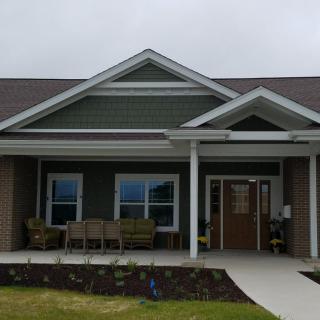
Autumn Creek Cqs in Oak Creek, WI is best suited for families seeking a small, intimate assisted living environment where daily care is delivered with a personal touch. This community excels for residents who value relationship-based care, predictable routines, and the reassurance that staff can know each resident well. It is especially appropriate for seniors who want straightforward daily support, help with activities of daily living, medication reminders, and companionship, without stepping into a sprawling campus. The feedback available leans heavily toward warmth, attentiveness, and hands-on leadership, making Autumn Creek Cqs a compelling choice for families prioritizing a human-centered, manageable setting.
The strongest positives stem from leadership and culture. A manager named Beth emerges as a central driver of quality, described as ensuring residents are happy and that staff remain caring and fully attentive to daily needs. The size of the facility is repeatedly cited as a key enabler of this personal touch, with staff able to deliver individualized attention without sacrificing reliability. In practice, this translates into more consistent supervision, quicker response times, and a daily atmosphere where staff know residents’ routines and preferences. That combination, clear leadership paired with an intimate scale, produces a dependable, low-friction care experience.
Nevertheless, prudent families should weigh alternatives against certain potential gaps. For residents with higher medical complexity or those requiring intensive on-site clinical services, larger communities with broader medical staffing may be a better match. If dementia-specific programming or a more expansive memory-care environment is a priority, options with dedicated memory-care wings could outperform a smaller setting. And because the reviews come from a limited sample, questions remain about staffing depth, turnover risk, and resilience during peak demand or staff shortages. In short, the strongest fit is a resident who thrives on personalized attention rather than broad, specialized services.
When weighing pros against these potential gaps, the offset is evident: intimate size and engaged leadership can deliver superior day-to-day well-being, safety, and communication with families. The downside, potential limitations in medical breadth and specialized programming, tresents a trade-off that can be mitigated through careful planning and outside coordination. Families can rely on close-knit staff relationships to compensate for a smaller footprint by arranging external therapies, physician visits, and transportation as needed. For many, the heightened visibility of each resident’s needs and the ability to tailor routines will outweigh the absence of more extensive on-site services.
A thoughtful tour should focus on concrete, actionable details. Inquire about staff-to-resident ratios, especially during peak activity times and overnight hours, to verify the level of hands-on attention. Review care planning processes: how often plans are updated, who signs off on changes, and how family input is incorporated. Observe caregiver interactions with residents, including how response times are managed and how daily activities are structured. Taste and variety in meals, cleanliness and maintenance of living spaces, and the availability of transportation for errands or appointments matter as well. Finally, seek clarity on the fee structure, any additional costs, and whether there are memory-care or enhanced-support options on site, or if referrals to external providers are standard practice.
Bottom line: Autumn Creek Cqs represents a strong, well-suited option for families prioritizing a warm, high-touch, small-community experience with dependable leadership. For households where medical complexity, dementia-focused programming, or a bustling activities calendar are nonnegotiable, alternatives with broader on-site medical services and larger resource pools should be explored. The two-voice, five-star feedback available paints a convincing portrait of care that is personal, attentive, and reliably managed, but the decision should rest on a clear alignment between resident needs and the facility’s demonstrated capabilities. A decisive step is a guided visit that includes meeting Beth, observing care interactions, and mapping out a plan that covers medical needs, daily routines, and family communication expectations.
 8 resident community capacity
 Assisted Living
 Board and Care Home
 Memory Care
 Cable or satellite TV
 Dining room
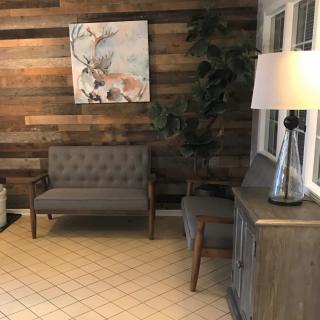
 Fully furnished
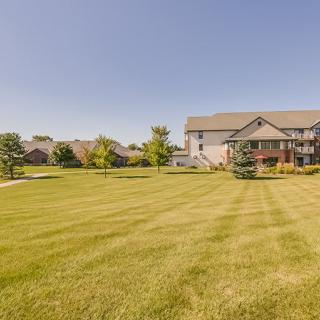
 Garden
 Housekeeping services
 Move-in coordination
 Outdoor space
 Telephone
 Wi-Fi/high-speed internet available
 General Mitchell International (3 miles away)
 24-hour supervision
 Activities of daily living assistance
 Assistance with bathing
 Assistance with dressing
 Assistance with transfers
 Diabetes diet
 Hospice waiver
 Meal preparation and service
 Medication management
 Mental wellness program
 Special dietary restrictions
 Transportation arrangement (medical)
 Transportation to doctors appointments


 When Dementia Sparks Anger and Aggression: Understanding the Connection and Ways to Cope
 Dementia Behaviors: In-Depth Understanding and Effective Coping Strategies
 5 Early Indicators of Dementia and What You Can Do