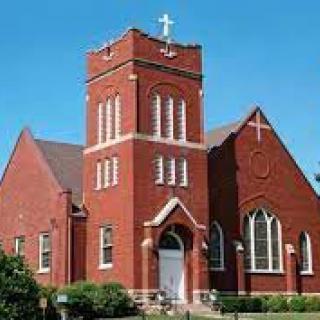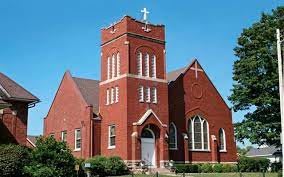
8675 S 13th St, Oak Creek, WI 53154
To contact a resident: (262) 880-5301
For more information about senior living options: (866) 208-4318
Overall Review of Oak Creek Community United Methodist
Pros
 The church is quiet, friendly, and welcoming.
- The church is nice, small, and friendly.
- The church offers Sunday school and after-service refreshments.
- The church hosted a nice craft fair.
- The church welcomes diversity.
- The church is friendly and inviting.
- The church was very fun.
Cons
 The mics and music were so loud that they could not enjoy the service.
- The taped music before the service was so loud that they had to walk out.
- The pastor walked to the back of the church, grabbed people by the arm, and walked them to the front.
- As a result, people walked out.
- The pastor is absent more often than she is present.
Review
Oak Creek Community United Methodist is best suited for older adults who want a small, intimate faith community where warmth, welcome, and social connection are the core draw. The church operates as a tightly knit, neighborly congregation that values diversity and personal familiarity over spectacle. For seniors who prioritize approachable worship, casual fellowship after services, and accessible activities like Sunday School and craft fairs, this community offers a dependable sense of belonging. The overall atmosphere rewards regulars who appreciate a tranquil, interpersonal setting, where people greet one another by name and ongoing social events supplement spiritual life.
Those who may want to consider alternatives are seniors who require more consistent pastoral leadership, a quieter worship environment, or a service experience that feels more polished and prescriptive. Some reviewers describe leadership gaps, noting that the pastor can be absent more often than present, and even recount moments when pastoral direction felt intrusive rather than comforting. The combination of loud musical elements and an aggressive style of guiding attendees to the front may be a deal-breaker for individuals with hearing sensitivities or a preference for a more contemplative, low-pressure liturgy. For these seniors, a larger or more structured church with steadier staffing and a more predictable worship rhythm could be a better fit.
The strongest pros, genuine friendliness, a welcoming small-church vibe, and accessible social and spiritual programming, do a compelling job of offsetting the notable drawbacks for many members. A quiet, intimate setting usually means less hectic pacing and more opportunities for personal conversation, mentorship, and peer support, which can be invaluable for seniors navigating aging, faith, and community life. The presence of Sunday School and post-service refreshments underlines a practical commitment to ongoing fellowship, not merely worship, which can translate into helpful daily routines, new friendships, and a sense of accountability within a familiar circle. When these benefits align with a resident’s priorities, the downsides, such as uneven leadership or louder worship, tend to fade into the background.
The more salient cons center on worship dynamics and leadership consistency. Loud mics and pre-service music can overwhelm worship for seniors who seek a more serene or reverent atmosphere, potentially draining the spiritual experience. The reported behavior of the pastor, including directing attendees in a forceful manner and the perception that leadership is intermittent, can undermine a sense of stability and trust in the community. These factors don’t erase the warmth or social advantages entirely, but they do reframe the decision for seniors who rely on predictable routines and a steady pastoral presence to feel secure and spiritually cared for over time.
In practical terms for families weighing senior living options, Oak Creek Community United Methodist emerges as a solid choice for those prioritizing social connectedness and a welcoming, compact church family within a diverse, active congregation. It is less well-suited for seniors who require a consistently quiet worship experience, steady pastoral availability, or a more formalized approach to spiritual leadership. The right decision hinges on values: if companionship, accessible activities, and a sundry of neighborly interactions trump the occasional rough edge in worship, this community delivers. If not, better-aligned alternatives exist that emphasize stability, acoustics, and pastoral constancy. Careful attendance at several services, conversations with current congregants, and a clear map of personal spiritual needs will illuminate the optimal path.
 Day Program
 General Mitchell International (4 miles away)




 Compassionate Conversations: How to Comfort Someone Who Is Grieving
 Home Health Care Aides: Understanding Their Role and Supporting Your Family
 Urinary Tract Infections in Older Adults: Comprehensive Insights on Symptoms, Treatment, and Prevention