1535 Lyon Drive, Neenah, WI 54956
For more information about senior living options: (866) 208-4318
Overall Review of Valley VNA Senior Care
Pros
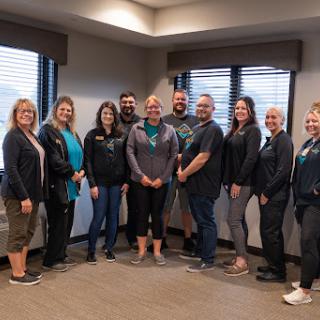
 The staff at Valley VNA were very friendly and helpful to residents in assisted living.
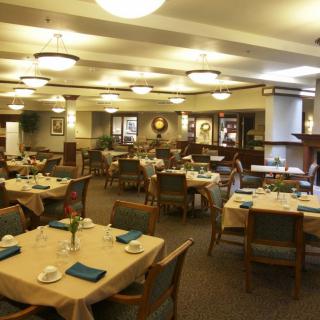
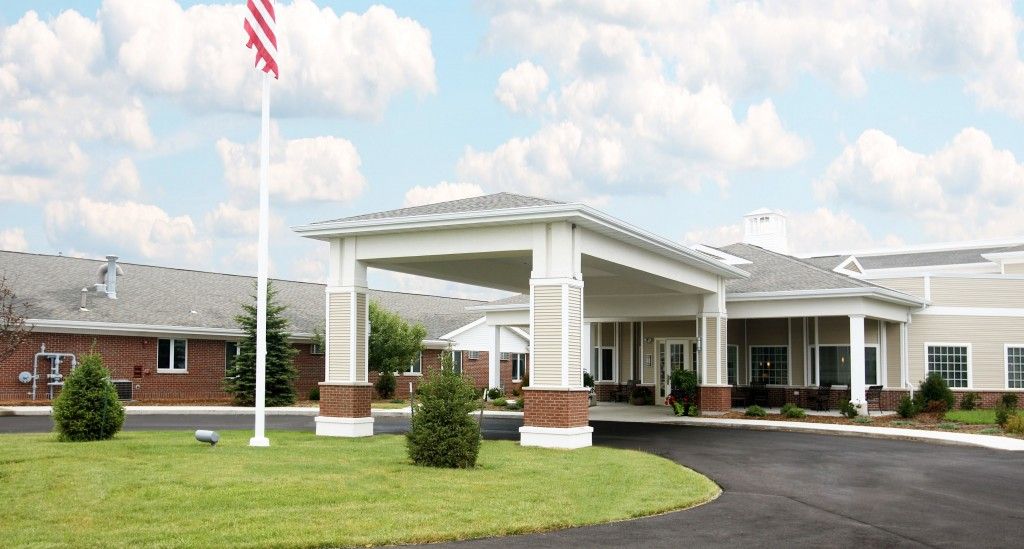
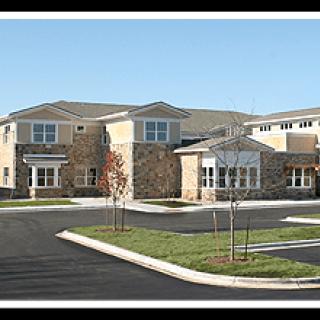
- The building at Valley VNA is very nice.
- The staff treated residents with compassion and made them feel like family.
- The staff are extremely well trained and prepared for every situation as needs change.
- The administration and staff build an amazing relationship with families.
- The teamwork among all team members is very obvious.
- The comfort of residing at Valley VNA is a great feeling for families and residents.
- Valley VNA believes everyone has the right to grow old gracefully, joyfully, and with dignity.
- Valley VNA is a trusted senior resource with over 100 years of service, including memory/dementia care with ongoing training.
Cons
 Her leg has been cut five times while in her wheelchair.
- She has bruises on her arms and hands.
- Male residents have entered her apartment to take candy and use her bathroom.
- She was the victim of two thefts, including money and jewelry.
- Other belongings have disappeared.
- Her mail has been opened.
- She has no control over where she sits for meals or bedtime.
Review
Valley VNA Senior Care in Neenah, WI is best suited for seniors who want a heritage-rich, relationship-driven setting with strong memory-care capabilities and a broad spectrum of on-site and in-home services. This community shines for residents who value steady, compassionate staffing, an active calendar of programs, and a caregiving culture that treats residents like family. Families considering dementia care or a transition path that can evolve from assisted living to broader on-site and home-based options will find a compatible trajectory here, provided clear expectations about safety and personal autonomy are established early.
Yet there are clear cautions. The most salient concerns center on safety and personal control. A highly capable, elderly mother described in one account endured multiple injuries, intrusions by other residents, theft of possessions, and loss of control over daily routines such as meals and bedtime. The sense that the resident became a burden to staff also emerges in the narrative. Those anxieties translate into a critical decision point: if a resident requires close, proactive safeguarding, constant supervision, and protections against wandering or mistreatment, alternatives with tighter safeguarding protocols or higher staff-to-resident ratios may be preferable. The reported monthly cost in that account, around $8,600, adds a concrete financial lens to the risk calculus.
The upside remains substantial and not easily dismissed. The staff consistently earns praise for warmth and strong, ongoing training, and the administration’s involvement is repeatedly cited as a stabilizing force. The memory/dementia care specialty is repeatedly highlighted as a core strength, with a structured, calm approach that can make daily life more predictable for residents. The breadth of activities, including popular programs like Lyrics and Laughter, and the wider community events, help sustain social engagement and mitigate isolation, factors that have real impact on both mood and wellbeing for seniors and their families.
This depth is reinforced by evident staffing continuity and a clear commitment to a resident-centered culture. Valley VNA positions itself as a trusted local resource with decades of service, and care teams that work cohesively across the organization. For families facing complex or evolving needs, the ability to adapt care plans and shift resources, integrating on-site assisted living with in-home care options, reduces the sense of dislocation that can accompany transitions. While safety concerns must be investigated and addressed, the combination of a supportive culture, robust dementia programming, and flexible care pathways provides a meaningful offset for many residents and families.
Cost/value calculus matters. The facility sits toward the higher end of local assisted living pricing, so the decision hinges on perceived value: the strength of memory-care expertise, the proven caregiving culture, and the range of services that support long-term stability. For families who prize a seasoned, compassionate community with deep local roots and a well-developed memory-care program, Valley VNA offers compelling value. For others, especially those wary of autonomy erosion or safety gaps, exploring alternatives with tighter safeguards, smaller campuses, or different staffing models may yield greater peace of mind and potentially lower expenses.
Actionable steps to decide are clear. Schedule a formal tour and request conversations with the assisted living director and the memory-care leader to hear about current safeguarding policies, incident handling, and staffing ratios by shift. Request access to incident logs and a written care-plan framework to understand how changes in need are operationalized. Probe how resident rights, privacy, and personal autonomy are upheld in daily routines, including room assignments and bed configurations. Finally, compare with nearby communities offering similar service tiers but different safeguarding cultures to ensure the chosen path aligns with both the resident’s needs and the family’s comfort with risk. Valley VNA stands out as a capable, compassionate option for dementia-aware care and long-standing community support, provided safety questions are addressed with thorough, transparent answers.
 64 resident community capacity
 Assisted Living
 Memory Care
 Respite Care
 Air-conditioning
 Beauty salon
 Cable or satellite TV
 Computer center
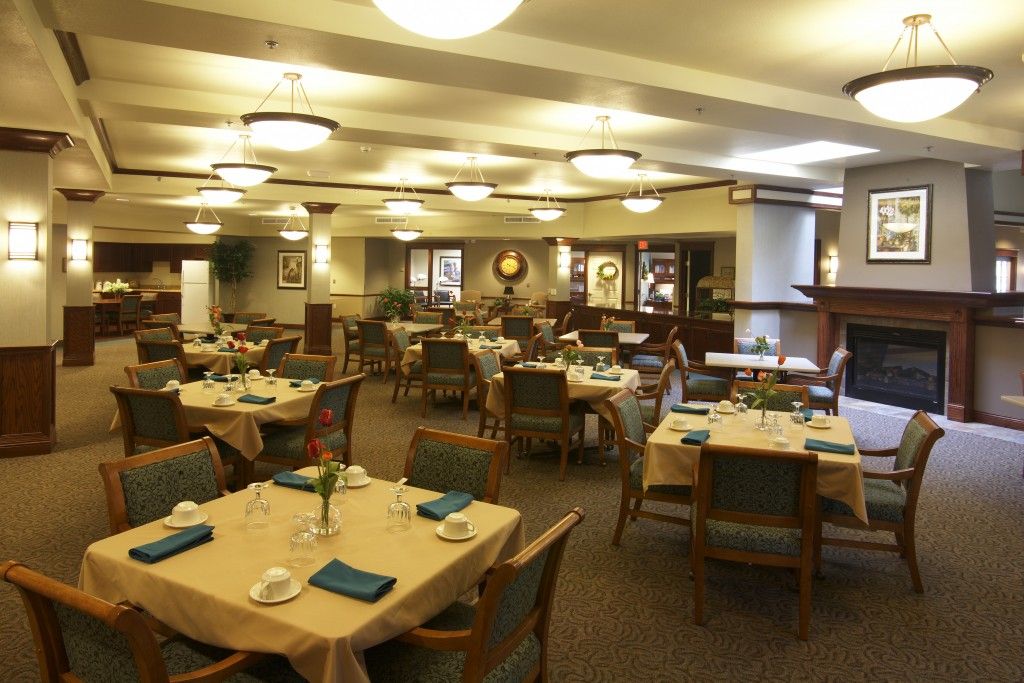
 Dining room
 Fitness room
 Fully furnished
 Gaming room
 Garden
 Housekeeping services
 Kitchenette
 Move-in coordination
 Outdoor space
 Private bathrooms
 Restaurant-style dining
 Small library
 Telephone
 Wellness center
 Wi-Fi/high-speed internet available
 Outagamie County Regional (8 miles away)
 Community operated transportation
 12-16 hour nursing
 24-hour call system
 Activities of daily living assistance
 Assistance with bathing
 Assistance with dressing
 Assistance with transfers
 Diabetes diet
 Medication management
 Mental wellness program
 Special dietary restrictions
 Concierge services
 Planned day trips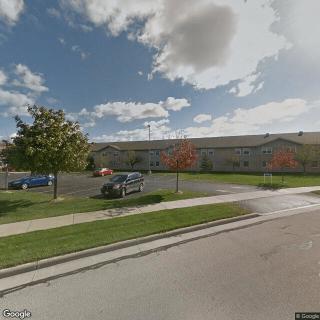



 Understanding Dementia Through Its Seven Stages: A Comprehensive Look at Progression and Expectations
 Safeguarding Your Memory Through the Golden Years: Eight Ways to Preserve Cognitive Health
 Comprehensive Insights into Activities of Daily Living (ADLs) and Their Assessment