
S69w14142 Tess Corners Dr, Muskego, WI 53150
To contact a resident: (414) 422-4686
For more information about senior living options: (866) 208-4318
Overall Review of Stony Creek Adult Community
Pros
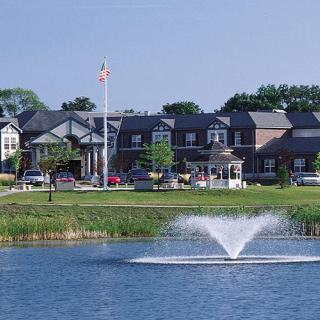
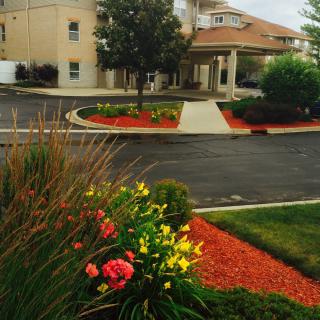
 Stoney Creek is bright and welcoming.
- Its Christian roots energize the caring community.
- The residents are kind and respectful to each other.
- The wooded setting is inviting.
Review
Stony Creek Adult Community in Muskego is best suited for seniors who want a small, faith-centered, neighborly environment where residents are kind, respectful, and engaged, all set in a bright building adjacent to a wooded landscape. The community seems designed for individuals who value personal warmth, a calm daily cadence, and a shared sense of purpose that comes from Christian roots. The setting, sunlit interiors and natural surroundings, supports easy socializing and a tranquil pace of life. For families seeking a place where daily life centers on supportive neighborly ties, understated elegance, and a clear cultural north star, this is a compelling fit.
Those who may want alternatives include seniors and families who prefer secular programming or a broader cultural mix. The Christian-rooted character, while a strength for many, could feel limiting to residents who want more ecumenical or non-religious programming, or who desire a wider slate of activities beyond faith-based events. If robust medical or rehabilitative services, a larger campus, or more specialized memory care are priorities, a different community with a broader continuum of care may be more suitable. Location and practical needs, such as proximity to hospitals, transportation, and on-site therapy options, should be weighed against the evident warmth and cohesion of this setting.
Key pros include a bright, welcoming building that immediately conveys warmth, and a wooded setting that encourages outdoor strolls and relaxed socializing. Residents described as kind and respectful to one another translate into a calmer, less stressful living environment. The Christian roots energize the culture, offering a shared value system that can reduce friction and foster courtesy, accountability, and neighborly support. Such a culture often translates into dependable routines, predictable expectations, and a sense of belonging for people who prize community over bustle. In practical terms, this can mean clearer daily life, smoother family visits, and a community where staff are perceived as partners rather than distant administrators. The atmosphere supports seniors who want meaningful daily interactions without the weight of constant busyness.
With only the information available, the main trade-off centers on scope rather than surface quality. A faith-centered, intimate setting can limit exposure to diverse viewpoints and programming, potentially leaving some residents seeking secular or multicultural activities feeling somewhat on the fringe. However, the same traits that create cohesion, clear values, a respectful resident culture, and a bright, easy-going environment, also buffer against loneliness and isolation. The wooded setting and welcoming spaces naturally promote spontaneous encounters, while the perceived kindness of residents reduces friction and helps newcomers settle in quickly. For families, this means a lower risk of fractured routines and high turnover in friendships, but the absence of explicit details about memory care, staffing levels, and long-term care options invites diligence during tours and direct questions about those needs.
When deciding, prioritize a firsthand experience: visit to observe interactions, ask how religious programming is integrated with daily living, and verify the availability of secular activities. Examine the calendar for balance between social, spiritual, and health-related events; request a breakdown of staff-to-resident ratios and the types of on-site therapies offered. Confirm whether residents with different faith backgrounds feel included and welcomed, and explore options for guests and family engagement. If memory support or rehabilitation services become necessary, probe the continuum of care and any nearby affiliated options. Finally, assess the pace of life, whether the quiet rhythm matches the loved one’s preferences, and consider how important a coherent faith-centered culture is to daily satisfaction and peace of mind.
Bottom line: Stony Creek Adult Community stands out for seniors who value a bright, welcoming environment anchored by Christian values, a respectful, close-knit resident population, and a tranquil wooded setting. For families whose priorities include secular programming, broader diversity, or higher-level medical supports on-site, alternatives deserve serious consideration. The strength of this community is its coherence and warmth; the potential caveat is a narrower cultural and activity scope. When evaluating options, these factors should guide both questions for staff and on-site observations. If alignment with a faith-informed, neighborly lifestyle matters, Stony Creek offers a compelling, practical choice that can translate into smoother transitions, meaningful daily life, and sustained well-being.
 Board and Care Home
 General Mitchell International (10 miles away)



 Navigating the Financial Road to Nursing Home Care: In-Depth Guidance and Resources
 Supportive Employee Benefits That Help Caregivers Attain Better Work-Life Harmony
 Top Cars for Senior Drivers and Essential Safety Innovations